Zum Druck wechseln
 Weiterlesen







































 Bei Kunstwerken oder Reproduktionen, die an einer Seite größer als 105 cm (ca. 41 Zoll) sind, wird der Rahmen zerlegt als Bausatz geliefert. Diese Methode gewährleistet eine sichere Zustellung und verhindert Schäden während des Transports.


The Drama of Betrayal: Exploring Peter Wtewael's Denial of Peter
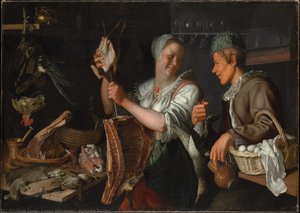
To stand before Peter Wtewael’s Denial of Peter is to be plunged immediately into the raw, visceral heart of human conflict and spiritual crisis. This oil on panel painting, executed in 1625, is far more than a mere depiction of a biblical event; it is a masterclass in Baroque drama, capturing that agonizing instant when denial becomes a physical blow. The scene pulses with unspoken tension—the moment the apostle Peter, cornered and vulnerable, faces the accusation from Roman soldiers. Wtewael does not shy away from the brutality inherent in the narrative, presenting it with an unflinching gaze that forces the modern viewer to confront themes of loyalty, fear, and ultimate redemption.
Mastery of Baroque Light and Shadow
Technically, this work is a profound testament to Wtewael’s command over light. He channels the dramatic intensity associated with Caravaggio's tenebrism, using deep, velvety shadows not merely as background filler, but as active participants in the drama itself. The illumination seems to originate from an unseen, harsh source, spotlighting the central figures—Peter and the aggressive soldier. This stark chiaroscuro effect carves out every muscle tension, every bead of sweat, and every flicker of despair on the faces surrounding the core conflict. It is this masterful manipulation of light that gives the composition its incredible depth, pulling the eye inexorably toward the point of impact.
Compositional Tension and Emotional Resonance
The arrangement of figures within the 28 x 46 cm panel is nothing short of theatrical. Peter’s posture, struck and recoiling, speaks volumes about his emotional collapse. Contrasting this vulnerability is the soldier's rigid, aggressive stance, embodying institutional power. Yet, it is the surrounding onlookers—their varied expressions ranging from shock to detached observation—that build the narrative tapestry. Wtewael populates the space with humanity, ensuring that every peripheral figure contributes a note of dismay or judgment, amplifying the profound sense of isolation felt by Peter at this pivotal moment.
A Timeless Study in Human Frailty
For the collector or admirer of art history, Denial of Peter offers more than just aesthetic pleasure; it provides a deep meditation on human frailty. Wtewael, while celebrated for his domestic scenes, proves here that he could elevate historical narrative to epic proportions. The painting resonates because its themes—the pressure of circumstance forcing a man to deny his deepest convictions—are eternally relevant. Owning a reproduction of this piece allows one to bring home not just the image of 17th-century Dutch mastery, but a palpable echo of profound human struggle and dramatic consequence.
Fragen & Antworten
Wo kann ich eine digitale Abbildung von "Denial of Peter" von Peter Wtewael kaufen?
Um eine digitale Datei von "Denial of Peter" von Peter Wtewael zu erhalten, bestellen Sie hochauflösender digitaler Bild-Download auf der Seite Digitales Kunstwerk.
Wann wurde "Denial of Peter" geschaffen und welcher Stilrichtung lässt es sich zuordnen?
"Denial of Peter" entstand im Jahr 1625 im Rahmen der Baroque-Bewegung.
Welche Maße hat das Originalwerk "Denial of Peter"?
Die Maße von "Denial of Peter" von Peter Wtewael betragen 28 x 46 cm. Reproduktionen können in anderen Größen bestellt werden, wobei die Proportionen beibehalten werden.
 Vorschau anzeigen
 Versenden
 Teilen
 Details anzeigen
 Leitfaden

 Herunterladen
 Ähnliche Objekte
 Röntgenaufnahme
 Diashow
 Fragen & Antworten
 Statistiken