

 Vorschau anzeigen
 Versenden
 Teilen
 Details anzeigen

 Herunterladen
 Ähnliche Objekte
 Röntgenaufnahme
 Diashow
Self-portrait


 Weiterlesen
Giclée / Kunstdruck
Giclée- oder Leinwanddruck in Museumsqualität mit schneller Produktion und flexiblen Veredelungsoptionen. ( Handgemalte Reproduktion bestellen Bild kaufen)




































Wählen Sie aus unseren vordefinierten Formaten, die den ursprünglichen Proportionen des Kunstwerks entsprechen.

Sie können Ihre eigenen Maße eingeben, um ein bestimmtes Format oder einen speziellen Platz einzupassen. Wenn das von Ihnen gewählte Format nicht den Proportionen des Originalbildes entspricht, werden wir das Kunstwerk entweder beschneiden oder das Bild mit einem gespiegelten oder einfarbigen Rand erweitern. Ein digitaler Entwurf wird Ihnen zur Genehmigung zugesandt, bevor die Produktion beginnt.
Bitte beachten Sie, dass die Vorschau auf dem Bildschirm nicht den tatsächlichen Zuschnitt oder die Erweiterung widerspiegelt. Nur der Entwurf zeigt die endgültige Komposition präzise an.
Obwohl Sondermaße verfügbar sind, empfehlen wir die Auswahl eines Maßes aus der vordefinierten Liste, um die ursprünglichen Proportionen zu bewahren.
Weltweiter Versand () innerhalb von 2 Wochen statt der üblichen 4/5 Wochen. (18 August)

Kostenloser weltweiter Expressversand

Hochwertige Leinenleinwand

Umfassender Versicherungsschutz beim Versand

Zollgebühren-Rückerstattungsgarantie

Garantie für exakte Farbtreue

60 Tage Rückgaberecht (nur bei Mängeln)

100% Geld-zurück-Garantie

Mengenrabatt verfügbar
 Die Glasoption ist nur für Größen unter 110 cm verfügbar.

Self-portrait
Giclée / Kunstdruck
Format der Reproduktion
-


Gesamtpreis
$ 80
Über den Künstler
Pedro Berruguete: Bridging Gothic Legacy and Renaissance Dawn
Pedro Berruguete (c. 1450 – 1504) stands as a pivotal figure in Spanish art history, marking the crucial transition between the solemn grandeur of Gothic painting and the burgeoning optimism of the Italian Renaissance. Born in Paredes de Nava, Castile, his exact birth year remains elusive, shrouded in the vagueness characteristic of artists whose lives were documented sparsely during their time. His lineage traced back to noble families, providing him with a foundation for artistic pursuits that would ultimately reshape the visual landscape of Spain. Despite the lack of definitive biographical details—a frustrating impediment for art historians—Berruguete’s oeuvre speaks volumes about his profound understanding and masterful execution of stylistic innovations. He emerged from the shadow of Gothic tradition, absorbing its expressive fervor and meticulous detail, yet simultaneously embracing the humanist ideals and geometric precision championed by Florentine masters like Brunelleschi and Donatello. This duality is palpable in his paintings, where stylized figures coexist with carefully rendered drapery and architectural elements—a hallmark of the emerging Renaissance aesthetic. Consider “David,” a monumental sculpture embodying both Gothic reverence for biblical narratives and Renaissance anatomical accuracy; it exemplifies Berruguete’s ability to synthesize disparate artistic influences into a cohesive visual statement. His artistic journey gained momentum during a period marked by religious upheaval; Berruguete’s most celebrated works depict scenes from the early Inquisition, capturing the anxieties and moral dilemmas of the era with unflinching realism. These depictions are not merely aesthetically impressive but powerfully convey the psychological complexities inherent in confronting dogma and persecution—a characteristic that distinguishes him from many of his contemporaries. Simultaneously, he produced breathtaking retablo panels for Castilian churches, demonstrating his technical prowess and ability to convey profound spiritual narratives. The intricate detailing and emotive expressions found within these religious commissions underscore Berruguete’s commitment to artistic excellence while reflecting the dominant cultural concerns of his time. The speculation surrounding Berruguete’s travels to Italy in 1480 is particularly intriguing. Evidence suggests he spent time at Federico III da Montefeltro's court in Urbino, immersing himself in the vibrant artistic environment fostered by Lorenzo de Medici’s patronage. While attribution remains debated—with Justus van Gent also active in Urbino during that period—the influence of Italian Renaissance artists undoubtedly permeated Berruguete’s thinking and technique. He returned to Spain in 1482, establishing studios in Toledo and Ávila, where he continued to refine his style and produce monumental artworks. His exposure to the innovations of Florentine masters like Piero della Francesca undoubtedly informed his compositional choices and heightened his awareness of humanist ideals. Perhaps most importantly, Berruguete is recognized as the father of Alonso Berruguete (c. 1475–1561), arguably Spain’s greatest sculptor during the Renaissance. This familial connection further elevates Berruguete's significance—his son’s sculptural achievements served as a testament to his artistic legacy and established a powerful tradition within Spanish art. The distinction between “Pedro” and “Alonso” reflects the broader cultural shift occurring in Spain, where older masters nurtured younger talents, propelling artistic innovation forward. His son’s sculptures – notably *Saint Jerome* – exemplify Berruguete's dedication to anatomical realism and expressive dynamism—a stylistic hallmark that solidified his place as a pioneer of Renaissance sculpture in Spain. The attribution of Berruguete's paintings remains challenging due to the absence of signatures and comprehensive documentation. However, stylistic analysis—coupled with circumstantial evidence—has convincingly linked him to numerous masterpieces, including “David,” “Ezekiel,” and “Salomon.” These works exemplify his distinctive approach: a careful balance between Gothic solemnity and Renaissance dynamism, characterized by expressive drapery, monumental scale, and meticulous attention to detail. Berruguete’s contribution to Spanish art is undeniable—he stands as a beacon of artistic transition, embodying the spirit of a nation embracing new horizons while honoring its venerable past.
Pedro Berruguete
1450 - 1504 , Spanien
Kurzinfos
- Artistic Movement Or Style: Übergang zwischen Gotik und Renaissance
- Artists Or Movements Influenced By This Artist: ['Leonardo da Vinci']
- Artists Who Influenced This Artist: ['Justus van Gent']
- Date Of Birth: c. 1450
- Date Of Death: 1504
- Full Name: Pedro Berruguete
- Nationality: Spanier
- Notable Artworks:
- David
- Ezekiel
- Salomon
- Place Of Birth: Paredes de Nava, Spanien
Ähnliche Artikel

The Enduring Legacy of Oil on Canvas: Technique, History & Aesthetic Impact
Explore the rich history & techniques of oil painting – from Renaissance masters to Impressionism. Discover pigments, layering methods, and why this timeless medium endures. Expert insights for artists & art enthusiasts.

Öl auf Leinwand: Eine historische und technische Erkundung eines zeitlosen künstlerischen Mediums
Entdecken Sie die faszinierende Welt der Ölmalerei! Von historischen Techniken bis zur modernen Anwendung – wir bieten Expertenwissen, Restaurierungstipps und hochwertige Reproduktionen. Jetzt informieren!
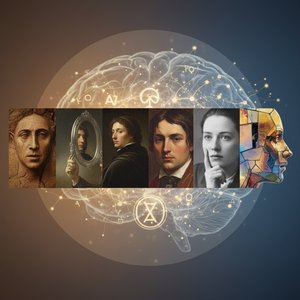
Reflecting the Self: A History of Portraiture & Psychological Insight
Explore the fascinating history of self-portraiture from Renaissance masters like Dürer & Rembrandt to modern interpretations. Discover the psychological insights and artistic techniques behind these iconic works. Expert analysis for art enthusiasts.

The Enduring Power of Painting: A Historical & Contemporary Exploration of Form and Emotion
Explore the rich history & enduring techniques of oil painting with OriginalUniqueArt. Discover masterpieces, learn about art collecting, and find authentic handmade reproductions crafted by skilled artists.

Das bleibende Erbe der Ölmalerei: Technik, Geschichte und zeitgenössische Praxis
Entdecken Sie die faszinierende Geschichte der Ölmalerei – von den frühen Techniken bis zur modernen Kunst. Expertenwissen, detaillierte Analysen und Inspiration für Sammler & Kunstliebhaber.


