In echtem Maßstab anzeigen
 Versenden als Grußkarte
 Teilen
 Details anzeigen
 Leitfaden öffnen

 Herunterladen
 Ähnliche Objekte
 Röntgenaufnahme
 Diashow
 Besucherstatistiken
VUE DE MOSS


 Mehr anzeigen
Giclée / Kunstdruck
Giclée- oder Leinwanddruck in Museumsqualität mit schneller Produktion und flexiblen Veredelungsoptionen. ( Handgemalte Reproduktion kaufen Zum digitalen Bild wechseln)




P118B €10

P118H €10

P118W €10

P438Z €10

P508JH €12

P508YH €12

P805H €10

P805Z €10

P919BZ €10

P919G €10

P919XJ €10

P959ZH €10

P968JZ €12

W106C €8

W218G €10

W218JH €8

W218Y €10

W307PJ €10

W316G €10

W316PJ €8

W316Y €10

W398PJ €8

W4111J €10

W500HY €15

W500JH €15

W692G €12

W849H €8

W940BG €15

W953PJ €8




Wählen Sie aus unseren vordefinierten Formaten, die den ursprünglichen Proportionen des Kunstwerks entsprechen.

Geben Sie die Breite und die Höhe an, die Sie benötigen, damit der Druck perfekt in Ihren Rahmen oder an Ihre Wand passt. Ein Druck kann nur beschnitten werden und niemals größer als das Originalbild gemacht werden; daher verliert ein Format mit einer anderen Proportion einen Teil des Bildes. Wir senden Ihnen ein digitales Mockup zur Freigabe, bevor wir den Druck ausführen. Das auf dieser Seite gezeigte Bild zeigt nicht den tatsächlichen Beschnitt – dies ist nur im Mockup ersichtlich.
Weltweiter Versand () innerhalb von 2 Wochen statt der üblichen 4/5 Wochen. (23 Oktober)

Kostenloser weltweiter Expressversand

Hochwertige Leinenleinwand

Vollständiger Versicherungsschutz beim Versand

Zollgebühren-Rückerstattungsgarantie

Garantie für exakte Farbtreue

100-tägiges Rückgaberecht (nur bei Mängeln)

100% Geld-zurück-Garantie

Angebot für Mengenrabatt
 Die Glasoption ist nur für Größen unter 110 cm verfügbar.

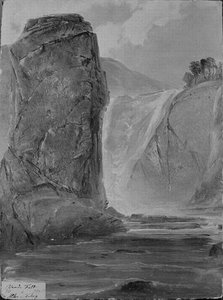
VUE DE MOSS
Giclée / Kunstdruck
Format der Reproduktion
-


Gesamtpreis
€ 70
Peder Balke’s “Vue de Moss”: A Norwegian Soulscape
Peder Balke’s “Vue de Moss,” painted in 1872, isn't merely a depiction of a coastal town; it’s a profound immersion into the heart of Norway – its rugged beauty, its melancholic spirit, and the enduring connection between humanity and the natural world. Born on the remote island of Helgøya in 1804, Balke’s life was inextricably linked to the dramatic landscapes of his homeland, shaping an artistic vision that would become both intensely personal and profoundly influential within the Romantic movement. This particular painting, now housed at the Louvre, offers a captivating glimpse into a world where light, atmosphere, and emotion reign supreme, revealing a masterclass in capturing the essence of Norwegian identity.
The scene unfolds along the harbor of Moss, a bustling port city nestled against the backdrop of the Oslofjord. A prominent sailboat dominates the left foreground, its white sails billowing against a sky pregnant with clouds – a visual anchor that draws the eye into the expansive vista. In the distance, the coastline recedes into a hazy blue, punctuated by the subtle outlines of buildings and the suggestion of rolling hills. Balke eschews meticulous detail in favor of capturing the *feeling* of the scene; the dampness of the air, the vastness of the sea, and the quiet contemplation evoked by the landscape. The composition is deliberately horizontal, emphasizing the scale of nature and inviting the viewer to lose themselves within its embrace.
A Symphony of Color and Light
Balke’s palette is remarkably restrained, dominated by muted blues, grays, browns, and subtle hints of ochre and white. These colors aren't applied with precision but rather blended in loose, gestural strokes – a hallmark of his distinctive technique. The sky, rendered in layers of gray and blue, seems to shift and change with the light, creating an atmospheric depth that is both captivating and slightly unsettling. Notice how he uses darker tones to define the water’s surface, suggesting movement and turbulence beneath the calm exterior. The subtle variations in color create a sense of realism while simultaneously imbuing the scene with a dreamlike quality.
Light plays an absolutely crucial role in “Vue de Moss.” It's not harsh or dramatic but rather diffused and atmospheric – a characteristic that Balke perfected through years of observing the fleeting effects of sunlight on the Norwegian coastline. The light seems to emanate from within the landscape itself, bathing everything in a soft, ethereal glow. This masterful use of light contributes significantly to the painting’s overall mood of tranquility and introspection. The artist skillfully employs atmospheric perspective – objects in the distance appear paler and less distinct, reinforcing the sense of depth and vastness.
Romanticism Rooted in Norwegian Identity
“Vue de Moss” is firmly rooted within the Romantic movement, a period characterized by an emphasis on emotion, imagination, and the sublime power of nature. However, Balke’s work transcends mere imitation; he infuses it with a uniquely Norwegian sensibility. His paintings weren't simply landscapes; they were expressions of national identity, celebrating the rugged beauty and untamed spirit of his homeland. The painting reflects the Romantic fascination with the wild, the solitary, and the spiritual connection between humanity and nature – themes that resonated deeply within Norway’s cultural landscape.
Beyond its aesthetic qualities, “Vue de Moss” carries a subtle undercurrent of melancholy. The overcast sky, the muted colors, and the sense of isolation evoke a feeling of quiet contemplation—a recognition of the beauty and fragility of the natural world. The sailboat, adrift on the horizon, could be interpreted as a symbol of human ambition or perhaps simply a reminder of our smallness in the face of nature’s grandeur. Balke's work invites viewers to pause, reflect, and connect with their own sense of place within the larger context of the natural world.
A Legacy of Vision
Peder Balke remains one of Norway’s most celebrated Romantic painters, his works continuing to captivate audiences today. “Vue de Moss” stands as a testament to his extraordinary talent and his profound understanding of the Norwegian landscape. Whether viewed in person or reproduced, this painting offers a powerful reminder of the enduring beauty and emotional resonance of nature – a timeless masterpiece that speaks to the soul.
Fragen & Antworten
Wie bekannt ist "VUE DE MOSS" von Peder Balke?
"VUE DE MOSS" wird als Recognized eingestuft.
Worum geht es in "VUE DE MOSS"?
Die in "VUE DE MOSS" von Peder Balke enthaltenen Themen umfassen landscape, coastline, sailboat, norway, sky, atmosphere, romanticism. Zusammen fassen sie den Gegenstand des Kunstwerks zusammen.
Wie schafft "VUE DE MOSS" das Gleichgewicht zwischen Hell und Dunkel?
"VUE DE MOSS" weist eine Gesamthelligkeit von bright auf, und die Luminanz beträgt Gentle Luminance.
Biografie des Künstlers
Peder Balke: Ein norwegischer Visionär des Romanticismus
- Geboren: Hegøy, Norwegen (1804)
- Gestorben: 1887
Frühes Leben und künstlerische Ausbildung
- Peder Andersen Balke wurde auf der Insel Helgøya im Kreis Hedmark in Norwegen geboren. Er wuchs in Ringsaker auf.
- Seine Familie waren Bauern, aber er erhielt die Unterstützung der lokalen Gemeinschaft, um seine künstlerischen Ambitionen zu verfolgen. Bauern aus Toten zahlten für seine Ausbildung.
- Er begann sein Training als Lehrling bei Heinrich August Grosch im Jahr 1827 und studierte auch unter Jacob Munch.
- Von 1829 bis 1833 war er Schüler von Carl Johan Fahlcrantz an der Königlichen Schwedischen Akademie für Bildende Künste in Stockholm.
- Später studierte er mit Johan Christian Dahl von 1843 bis 1844.
Künstlerischer Stil und Hauptwerke
- Landschaftsmalerei des Romanticismus: Balke ist am besten bekannt für seine dramatischen Darstellungen der norwegischen Landschaft, die durch eine romantische Sensibilität gekennzeichnet sind. Seine Werke zeichnen sich oft durch intensive Beleuchtung, atmosphärische Effekte und ein Gefühl von erhabener Erhabenheit aus.
- Einzigartiger Pinselstrich: Er entwickelte einen unverwechselbaren Stil mit texturierten Pinselstrichen und einer ungewöhnlichen Farbgebung, wodurch seine Gemälde eine traumartige Qualität erhielten.
- Hauptwerke: Zu seinen bekanntesten Werken gehören:
- Vue de Christiania (aujourd'hui Oslo) (1872) - Eine dramatische Stadtansicht, die das Wesen von Oslo einfängt.
- Der Hafen von Skjervøy (1846) – Zeigt eine fesselnde Hafenszene mit realistischen Details.
- Alte Bäume (1840) – Stellt eine karge norwegische Winterlandschaft mit kraftvoller Beleuchtung dar.
- Meeresansicht (1845) - Eine dramatische Meeresansicht, die die wilde Schönheit der norwegischen Küste hervorhebt.
- Fredrikshald (1852) – Zeigt ein Küstenkastell und Boote und demonstriert seine Beherrschung des Realismus.
- Der Nordkap im Mondschein (1848) - Fängt die Ehrfurcht gebietende Schönheit des Nordkaps unter dem Mondlicht ein.
Soziales Engagement und Späteres Leben
- Sozialer Gerechtigkeitsverfechter: Balke war nicht nur Künstler, sondern auch engagierter sozialer Reformer. Er engagierte sich aktiv in sozialen Fragen.
- Balkeby-Projekt: Er leitete den Bau von Balkeby, einem neuen Vorort von Oslo, der entwickelt wurde, um Arbeitnehmern verbesserte Lebensbedingungen zu bieten. Er gewährte Kredite und legte strenge Bauvorschriften fest.
- Eintreten für Künstler: Balke setzte sich für Stipendien für Künstler und Renten sowohl für Männer als auch für Frauen ein.
- Familiennachlass: Er war der Urgroßvater der Schauspielerin Turid Balke und der Ururgroßvater des Jazzpianisten Jon Balke.
Historische Bedeutung und Anerkennung
- Wiederentdeckung und Wertschätzung: Obwohl er anfänglich übersehen wurde, hat Bakes Werk in den letzten Jahrzehnten eine deutliche Wiederbelebung der Anerkennung erfahren.
- Internationale Ausstellungen: Seine Werke wurden in renommierten Institutionen wie der National Gallery in London (2014-2015) und dem Metropolitan Museum of Art (2017) ausgestellt.
- Einfluss auf die nordische Kunst: Bakes einzigartiger Stil und seine Vision trugen wesentlich zur Entwicklung der Romantik in Norwegen und im weiteren nördlichen Raum bei. Seine Gemälde gelten heute als wichtige Beispiele für norwegische Kunst des 19. Jahrhunderts und werden für ihre dramatischen Landschaften und emotionale Tiefe gefeiert.
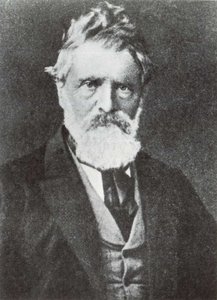
Peder Balke
1804 - 1887 , Norwegen
Eckdaten zum Künstler
- Bemerkenswerte Werke:
- Vue de Christiania (Oslo)
- The Harbor at Skjervøy
- Old Trees
- Seascape
- Fredrikshald
- The North Cape by Moonlight
- Einflussreiche Künstler:
- Heinrich August Grosch
- Johan Christian Dahl
- Geburtsdatum: 4. November 1804
- Geburtsort: Hegøy, Norwegen
- Künstlerische Richtung: Romantik
- Nationalität: Norwegisch
- Sterbedatum: 5. Februar 1887
- Vollständiger Name: Peder Balke
Verwandte Artikel

Romantische Landschaften: Die 10 Meisterwerke, die eine Epoche prägten | OriginalUniqueArt
Entdecken Sie die 10 Meisterwerke der Romantischen Landschaftsmalerei! Von Caspar David Friedrich bis Turner – erleben Sie die Kunst, Emotion & Natur. Hochwertige Reproduktionen auf OriginalUniqueArt.com
Capturing Stillness: A Curated Exploration of the Most Iconic Lake Landscapes in Art History
Journey through art history's most serene lake landscapes. From Romantic vistas to light-drenched Impressionist waters, discover the stories behind these iconic masterpieces and find museum-quality, hand-painted oil reproductions for your private collection.

Johan Christian Dahl: Pioneering Norwegian Romantic Landscape Painting
Explore the life & art of Johan Christian Dahl, Norway's first great Romantic painter. Discover his iconic landscapes, cultural impact, and lasting legacy with OriginalUniqueArt.

John Constable: Die 25 Meisterwerke des englischen Landschaftsgenies – OriginalUniqueArt
Entdecken Sie die 25 Meisterwerke von John Constable! Erleben Sie englische Landschaftsmalerei vom Hay Wain bis zur Stour Valley. Hochwertige Reproduktionen & Kunst für Ihr Zuhause auf OriginalUniqueArt.com.

Evocations of Place: A Historical Journey Through Landscape Art
Explore the rich history of landscape art with OriginalUniqueArt. Discover renowned artists, movements like Impressionism & Romanticism, and expert guidance for collecting timeless pieces. Find your perfect serene escape today!