Vorschau anzeigen
 Versenden
 Teilen
 Details anzeigen
 Leitfaden

 Herunterladen
 Ähnliche Objekte
 Röntgenaufnahme
 Diashow
 Statistiken
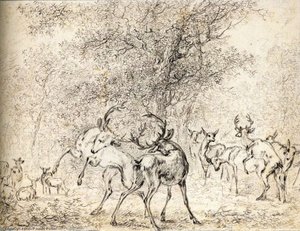
Cows in a Meadow


 Weiterlesen
Handgefertigte Ölreproduktion
Handgemaltes Ölgemälde auf Leinwand in Ihrer Wunschgröße und mit Rahmen, auf Bestellung von unseren Künstlern angefertigt. ( Zum Druck wechseln Zum digitalen Bild wechseln)




P118B €10

P118H €10

P118W €10

P438Z €10

P508JH €12

P508YH €12

P805H €10

P805Z €10

P919BZ €10

P919G €10

P919XJ €10

P959ZH €10

P968JZ €12

W106C €8

W218G €10

W218JH €8

W218Y €10

W307PJ €10

W316G €10

W316PJ €8

W316Y €10

W398PJ €8

W4111J €10

W500HY €15

W500JH €15

W692G €12

W849H €8

W940BG €15

W953PJ €8




Wählen Sie aus unseren vordefinierten Formaten, die den ursprünglichen Proportionen des Kunstwerks entsprechen.

Geben Sie die Breite und die Höhe an, die Sie für Ihren Rahmen oder Ihre Wand benötigen. Da dieses Werk handgemalt ist, kann der Künstler bei einer anderen Form etwas mehr um das Bild herum malen oder etwas abschneiden – Sie entscheiden. Wir senden Ihnen ein digitales Mockup zur Freigabe, bevor mit dem Malen begonnen wird. Das auf dieser Seite gezeigte Bild stellt nicht das tatsächliche Ergebnis dar – dies tut nur das Mockup.
Nach der Bestellung wird das OriginalUniqueArt.com-Team dem Kunden Anweisungen per E-Mail zusenden und eine Mockup-Vorschau bereitstellen.
Weltweiter Versand () in nur 3 bis 4 Wochen statt der üblichen 5 Wochen. (25 Oktober). Keine Kompromisse bei der Qualität.

Kostenloser weltweiter Expressversand

Hochwertige Leinenleinwand

Umfassender Versicherungsschutz beim Versand

Zollgebühren-Rückerstattungsgarantie

Garantie für exakte Farbtreue

100 Tage Rückgaberecht (nur bei Mängeln)

100% Geld-zurück-Garantie

Mengenrabatt verfügbar
 Die Glasoption ist nur für Größen unter 110 cm verfügbar.

Cows in a Meadow
Art der Reproduktion
Format der Reproduktion
-


Endpreis
€ 263
A Pastoral Vision: Paulus Potter’s “Cows in a Meadow”
Paulus Potter's "Cows in a Meadow," painted around 1647 and now residing within the esteemed collection of the Rijksmuseum in Amsterdam, offers more than just a simple depiction of rural life; it’s a profound meditation on nature, light, and the quiet dignity of animal existence. This remarkable work, rendered in oil on panel, stands as a pivotal piece in the development of Dutch art, foreshadowing the Romantic movement with its emphasis on direct observation and emotional resonance. Potter's genius lies not merely in his technical skill – though undeniably masterful – but in his ability to imbue these commonplace creatures with an almost palpable sense of life and character. The painting captures a fleeting moment within a vast, open meadow, bathed in the soft, diffused light characteristic of a late afternoon or early morning. Three cows—two brown and one strikingly white speckled—occupy the foreground, their forms rendered with astonishing realism and attention to detail. Notice how Potter doesn’t shy away from portraying imperfections: the slight asymmetry of the animals' postures, the subtle variations in their coats, even the dust clinging to their hides – all contribute to a sense of authenticity that transcends mere representation.Baroque Realism and the Dutch Golden Age
“Cows in a Meadow” firmly establishes itself within the context of the Dutch Golden Age, a period renowned for its artistic innovation and burgeoning interest in naturalistic depiction. While often associated with the opulent grandeur of Baroque painting elsewhere in Europe, Dutch art during this era developed a distinct approach – one rooted in meticulous observation and a commitment to portraying the world as it truly was. Potter’s work exemplifies this shift, moving away from idealized representations towards a more grounded and honest portrayal of everyday life. The influence of the Baroque is evident in the dramatic use of light and shadow, creating a sense of depth and volume within the composition. Potter masterfully employs chiaroscuro – the contrast between light and dark – to sculpt the forms of the animals and define the landscape, drawing the viewer’s eye into the heart of the scene. The cloudy sky, rendered with delicate brushstrokes, adds atmospheric perspective and reinforces the sense of space. Furthermore, Potter's work reflects a broader cultural shift in the Netherlands during this period: an increasing appreciation for the beauty and value of the natural world, coupled with a growing interest in scientific observation and accurate representation.A Pioneer of Romanticism
Despite being painted before the formal emergence of Romanticism, “Cows in a Meadow” anticipates many of its key tenets. Potter’s focus on the emotional impact of nature—the quiet serenity of the meadow, the dignified bearing of the animals—resonates deeply with the Romantic sensibility. He achieves this not through overt sentimentality, but through a carefully constructed composition that invites contemplation and evokes a sense of peacefulness. The low vantage point, characteristic of Potter’s work, further enhances this effect, placing the viewer within the scene and fostering a feeling of intimacy with the animals. Notably, Potter's detailed depictions of animal anatomy and behavior were groundbreaking for his time, anticipating later artists who sought to capture the essence of nature with unprecedented accuracy and emotional depth. He was considered a pioneer in portraying animals with such realism, laying the groundwork for future generations of landscape painters.Symbolism and the Dutch Landscape
Beyond its purely aesthetic qualities, “Cows in a Meadow” carries symbolic weight within the context of 17th-century Dutch culture. Cows were not merely livestock; they represented prosperity, fertility, and the bounty of the land – essential elements of the Dutch economy and identity. The painting can be interpreted as an allegory for the nation’s well-being, suggesting a harmonious relationship between humanity and nature. The open meadow itself symbolizes abundance and freedom, while the animals embody the virtues of diligence and hard work. Potter's choice to depict these animals in such detail speaks volumes about the Dutch appreciation for their land and its resources. The painting also reflects the broader cultural fascination with livestock during this period, a subject frequently depicted by artists like Pieter de Hooch and Jan van Goyen.Collecting a Reproduction
OriginalUniqueArt offers meticulously crafted hand-painted reproductions of Paulus Potter’s “Cows in a Meadow,” allowing you to bring this iconic masterpiece into your home or office. Our skilled artisans replicate the artist's meticulous brushwork, vibrant colors, and atmospheric depth with exceptional accuracy. Whether you are an art enthusiast, a collector seeking to expand your collection, or simply someone who appreciates beautiful artwork, our reproduction provides a stunning tribute to one of the Dutch Golden Age’s most celebrated painters. Explore our range of sizes and framing options to find the perfect way to showcase this timeless pastoral vision.- High-Resolution Digital Reproduction
- Hand-Painted by Experienced Artists
- Choice of Framing Options
- Museum-Quality Materials
Fragen & Antworten
Ist ein hochauflösender Download von "Cows in a Meadow" verfügbar?
Ein digitales Bild von "Cows in a Meadow" von Paulus Potter kann auf der entsprechenden Digitales Kunstwerk-Seite erworben werden: hochauflösender digitaler Bild-Download.
Wie intensiv sind die Farben in "Cows in a Meadow" von Paulus Potter?
"Cows in a Meadow" von Paulus Potter besticht durch eine Balanced Farbintensität.
Woher kommen die Besucher von "Cows in a Meadow" von Paulus Potter?
Auf der Besucherzahlen-Seite des Kunstwerks finden Sie Statistiken zu "Cows in a Meadow" von Paulus Potter: monatliche Aufrufe des Kunstwerks, Aufrufe der Werke des Künstlers sowie eine Aufschlüsselung der jüngsten Besucher nach Land und Sprache.
Künstlerbiografie
Frühes Leben und Familiärer Hintergrund
- Geburt und Taufe: Paulus Potter wurde am 20. November 1625 in Enkhuizen, Niederlande, geboren und am selben Tag getauft.
- Künstlerfamilie: Er stammte aus einer Familie mit künstlerischen Neigungen. Sein Vater, Pieter Symonsz Potter, war ein Maler, der sich auf verzierte Lederwandbehänge und Genreszenen spezialisiert hatte. Seine Mutter, Aaltje Paulusdr Bartsius, war mit dem Maler Willem Bartsius verwandt.
- Umzug nach Amsterdam: Die Familie zog 1628 nach Leiden und dann 1631 nach Amsterdam, wo Paulus unter der Anleitung seines Vaters seine künstlerische Ausbildung begann.
- Frühe Studien: Während er hauptsächlich von seinem Vater unterrichtet wurde, deuten einige Quellen auf mögliche Studien bei Claes Moeyaert in Amsterdam hin.
Künstlerische Entwicklung und Karriere
- Zunftmitgliedschaft: Potter wurde Mitglied der Lukasgilde in Delft.
- Umzug nach Den Haag: Bis 1649 war er nach Den Haag gezogen und ließ sich in der Nähe des Landschaftsmalers Jan van Goyen nieder.
- Heirat und soziale Kontakte: Im Juli 1650 heiratete Potter Adriana van Balckeneynde. Sein Schwiegervater, ein prominenter Bauunternehmer, stellte ihn einflussreichen Mitgliedern der niederländischen Gesellschaft vor, darunter Amalia von Solms-Braunfels.
- Rückkehr nach Amsterdam: Im Mai 1652 kehrte er auf Einladung von Nicolaes Tulp, einem Arzt und Kunstliebhaber, nach Amsterdam zurück, der ihn mit der Anfertigung eines Porträts seines Sohnes Dirck Tulp beauftragte.
- Vorzeitiger Tod: Leider starb Paulus Potter am 17. Januar 1654 in Amsterdam im jungen Alter von 28 Jahren an Tuberkulose.
Stil und Hauptwerke
- Tierdarstellungen in Landschaften: Potter spezialisierte sich auf die Darstellung von Tieren – insbesondere Rindern – eingebettet in weite Landschaften. Seine Kompositionen zeichneten sich oft durch einen niedrigen Blickwinkel aus, der die Größe der Natur betonte.
- Der junge Bulle (um 1647): Gilt als sein berühmtestes Werk und befindet sich heute im Mauritshuis in Den Haag. Es wird für seine realistische Darstellung eines Tieres innerhalb einer weiten Landschaft gefeiert. Es wurde zunächst mit einiger Kritik aufgenommen, erlangte aber später Anerkennung als frühes Beispiel des Romantismus.
- Weitere bedeutende Gemälde: Zu seinen weiteren wichtigen Werken gehören *Figuren mit Pferden an einem Stall* (1647), *Bestrafung eines Jägers* (um 1647), *Zwei Schweine in einem Sty* (1649) und *Wolfshund* (um 1650–1652).
- Radierungen: Potter fertigte auch zahlreiche Radierungen an, die oft Rinder und andere Tiere darstellten.
Einflüsse und historische Bedeutung
- Einfluss von Jan van Goyen: Seine Zeit in der Nähe von Jan van Goyen in Den Haag beeinflusste wahrscheinlich seinen Landschaftsstil, insbesondere die Betonung atmosphärischer Effekte und die realistische Darstellung der Natur.
- Vorreiter des Romantismus: Potter wird als Vorläufer der romantischen Bewegung anerkannt, da er eine emotionale Verbindung zur Natur hatte und sich darauf konzentrierte, ihre Erhabenheit darzustellen. *Der junge Bulle* wurde zu einem ikonischen Beispiel dieser frühen romantischen Sensibilität.
- Vermächtnis und Anerkennung: Trotz seines kurzen Lebens hinterließ Potter etwa 100 Gemälde. Seine Werke wurden im 19. Jahrhundert für ihren Naturalismus und ihre emotionale Tiefe bewundert.
- Denkmäler: In Enkhuizen wurde 1991 ein Denkmal zu Ehren Potters errichtet, das ihn beim Skizzieren einer Ziege zeigt.
Künstlerische Merkmale
- Niedrige Horizontlinien: Potter verwendete häufig niedrige Horizontlinien, um ein Gefühl von Weite zu erzeugen und die Größe der Landschaft zu betonen.
- Realistische Tierdarstellung: Er war bekannt für seine akribische Liebe zum Detail bei der Darstellung von Tieren, wobei er ihre Anatomie und ihr Verhalten bemerkenswert genau einfing.
- Atmosphärische Effekte: Seine Landschaften weisen oft subtile atmosphärische Effekte wie Licht und Schatten auf, die zur Gesamtstimmung und zum Realismus der Szene beitragen.
- Subtile Farbpalette: Potter verwendete typischerweise eine gedämpfte Farbpalette, die von Erdtönen dominiert wurde und die natürlichen Farben der niederländischen Landschaft widerspiegelte.

Paulus Potter
1625 - 1654 , Niederlande
Kurzinfos
- Beeinflusste Künstler: ['Albert Jansz Klomp']
- Bekannte Werke:
- Der junge Bulle
- Figuren mit Pferden
- Einflüsse Durch Künstler:
- Pieter Potter
- Jan van Goyen
- Geburtsdatum: 20. November 1625
- Geburtsort: Enkhuizen, Niederlande
- Künstlerische Richtung: Romantik
- Nationalität: Niederländisch
- Sterbedatum: 17. Januar 1654
- Vollständiger Name: Paulus Potter
Ähnliche Artikel

Die 10 Meisterwerke der niederländischen Barockmalerei – Kunst für Ihr Zuhause | OriginalUniqueArt
Entdecken Sie die 10 prägendsten Meisterwerke der niederländischen Barockmalerei! Von Rembrandt bis Vermeer – erleben Sie Kunstgeschichte, Techniken & Emotionen. Hochwertige Reproduktionen für Ihr Zuhause auf OriginalUniqueArt.com.

Golden Age Reflections: Dutch Baroque Painting & Cultural Innovation
Explore the Dutch Golden Age of painting! Discover key artists like Vermeer & ter Borch, their innovative techniques, and the rich cultural context behind these Baroque masterpieces. Learn about collecting & appreciating this iconic art period.

Golden Light & Dutch Skies: The Timeless Magic of Dutch Golden Age Landscapes
Discover the breathtaking beauty of Dutch Golden Age landscapes. Explore the mastery of light, chiaroscuro, and 17th-century realism through an expert art history lens, celebrating the enduring legacy of the Dutch Masters for discerning collectors and art lovers.

Drama in Nature: The Captivating Grandeur of Baroque Landscapes and the Art of Emotional Spectacle
Explore the breathtaking drama of Baroque landscapes. From Rubens's grand vistas to the mastery of chiaroscuro, discover how 17th-century artists transformed nature into a theatrical stage of emotion and light. A deep dive for true art enthusiasts.

Masterpieces of Light: A Definitive Guide to the Landscapes of the Dutch Golden Age
Discover the luminous mastery of Dutch Golden Age landscapes. Our expert guide explores the atmospheric realism of masters like Van Goyen and Cuyp. Elevate your space with museum-quality, hand-painted oil reproductions from OriginalUniqueArt.com. Art history, beautifully realized.