

 Vorschau anzeigen
 Versenden
 Teilen
 Details anzeigen

 Herunterladen
 Ähnliche Objekte
 Röntgenaufnahme
 Diashow
The Stag Hunt
 Oil On Canvas
- WallArt
- Northern Mannerism
 1590
1590 105.0 x 137.0 cm
 Louvre
 Weiterlesen
Giclée / Kunstdruck
Giclée- oder Leinwanddruck in Museumsqualität mit schneller Produktion und flexiblen Veredelungsoptionen. ( Handgemalte Reproduktion bestellen Bild kaufen)




P118B $10

P118H $10

P118W $10

P438Z $10

P508JH $12

P508YH $12

P805H $10

P805Z $10

P919BZ $10

P919G $10

P919XJ $10

P959ZH $10

P968JZ $12

W106C $8

W218G $10

W218JH $8

W218Y $10

W307PJ $10

W316G $10

W316PJ $8

W316Y $10

W398PJ $8

W4111J $10

W500HY $15

W500JH $15

W692G $12

W849H $8

W940BG $15

W953PJ $8




Wählen Sie aus unseren vordefinierten Formaten, die den ursprünglichen Proportionen des Kunstwerks entsprechen.

Sie können Ihre eigenen Maße eingeben, um ein bestimmtes Format oder einen speziellen Platz einzupassen. Wenn das von Ihnen gewählte Format nicht den Proportionen des Originalbildes entspricht, werden wir das Kunstwerk entweder beschneiden oder das Bild mit einem gespiegelten oder einfarbigen Rand erweitern. Ein digitaler Entwurf wird Ihnen zur Genehmigung zugesandt, bevor die Produktion beginnt.
Bitte beachten Sie, dass die Vorschau auf dem Bildschirm nicht den tatsächlichen Zuschnitt oder die Erweiterung widerspiegelt. Nur der Entwurf zeigt die endgültige Komposition präzise an.
Obwohl Sondermaße verfügbar sind, empfehlen wir die Auswahl eines Maßes aus der vordefinierten Liste, um die ursprünglichen Proportionen zu bewahren.
Weltweiter Versand () innerhalb von 2 Wochen statt der üblichen 4/5 Wochen. (14 August)

Kostenloser weltweiter Expressversand

Hochwertige Leinenleinwand

Umfassender Versicherungsschutz beim Versand

Zollgebühren-Rückerstattungsgarantie

Garantie für exakte Farbtreue

60 Tage Rückgaberecht (nur bei Mängeln)

100% Geld-zurück-Garantie

Mengenrabatt verfügbar
 Die Glasoption ist nur für Größen unter 110 cm verfügbar.

The Stag Hunt
Giclée / Kunstdruck
Format der Reproduktion
-


Gesamtpreis
$ 80
Sammlerstück-Beschreibung
The Stag Hunt: A Northern Mannerist Masterpiece
Paul Bril’s “The Stag Hunt,” painted in 1590, is more than just a hunting scene; it's a meticulously crafted tableau of power, nobility, and the intricate relationship between humanity and the natural world. Housed within the hallowed halls of the Louvre Museum in Paris, this oil on canvas offers a captivating glimpse into the Northern Mannerist style – an artistic movement characterized by its dramatic use of light, shadow, and detailed realism. Bril’s work transcends mere representation, instead inviting us to contemplate the complex dynamics at play within this carefully orchestrated drama.
The painting depicts a group of richly attired hunters, led by a mounted figure wielding a spear, pursuing a magnificent stag through a dense, almost claustrophobic forest. The composition is remarkably balanced, drawing the eye across the scene with a deliberate sense of movement and purpose. Notice how Bril masterfully employs perspective – not to create an illusionistic depth, but rather to subtly guide our gaze towards the central action. The figures themselves are rendered with a striking level of detail; their clothing, armor, and expressions convey both confidence and a hint of controlled aggression. The stag, too, is depicted with astonishing realism, its muscular form and alert posture suggesting a formidable opponent.
A Window into Northern Mannerism
Bril’s “The Stag Hunt” stands as a pivotal work within the Northern Mannerist tradition. Emerging from the artistic circles of Antwerp and later flourishing in Rome, this style rejected the exuberant naturalism of its Italian counterparts, favoring instead a more restrained and intellectual approach to landscape painting. Unlike the vibrant colors and dynamic compositions of artists like Titian or Veronese, Bril’s palette is muted and earthy, dominated by deep greens, browns, and ochres. The lighting is equally subdued, creating an atmosphere of cool drama rather than bright illumination. This deliberate restraint serves to heighten the sense of mystery and foreboding within the scene.
The influence of earlier Flemish masters like Joachim Patinir is readily apparent in Bril’s use of atmospheric perspective – the subtle blurring of distant objects to create a sense of depth. However, Bril departs from his predecessors by incorporating elements of classical composition and a heightened emphasis on narrative. The hunt itself becomes symbolic, representing not just the pursuit of game but also themes of honor, skill, and the inherent tension between humanity and nature. The carefully arranged figures and their interactions suggest a complex social hierarchy, with the mounted hunter at the apex of power.
Symbolism and Emotional Resonance
Beyond its technical brilliance, “The Stag Hunt” is rich in symbolic meaning. The act of hunting itself has long been associated with notions of control, dominance, and the assertion of human will over the natural world. Yet, Bril subtly complicates this narrative by depicting a scene of both triumph and potential tragedy. The stag, though pursued relentlessly, retains an air of dignity and resilience – a reminder that even in defeat, there is beauty and nobility.
The dense forest surrounding the hunters can be interpreted as a metaphor for the unknown, representing the challenges and uncertainties that lie ahead. The muted colors and dramatic lighting contribute to a sense of unease, suggesting that the hunt is not merely a sporting activity but also a perilous undertaking. The overall emotional impact of the painting is one of restrained intensity – a captivating blend of action, drama, and subtle psychological depth. It’s a scene that lingers in the mind long after viewing, prompting reflection on the enduring themes of power, mortality, and the human condition.
Bringing “The Stag Hunt” to Life
Reproductions of Paul Bril's "The Stag Hunt" offer art enthusiasts a unique opportunity to experience this masterpiece firsthand. OriginalUniqueArt.com meticulously recreates the painting’s intricate details and atmospheric qualities, ensuring that each reproduction captures the essence of Bril’s original vision. Whether displayed in a grand salon or a cozy study, these handcrafted reproductions will undoubtedly serve as a stunning focal point – a testament to the enduring legacy of Northern Mannerist art.
For more information about Paul Bril and his remarkable artistic journey, please visit OriginalUniqueArt.com’s artist page. Discover how you can own a piece of history and bring the drama and beauty of “The Stag Hunt” into your home today.
Über den Künstler
Paulus Bril (Paul Brill): Ein Meister der italienischen Landschaft
Paulus Bril, auch bekannt als Paul Brill (1554-1626), war ein äußerst einflussreicher flämischer Maler und Grafiker, der für seine bahnbrechende Rolle bei der Entwicklung des Genres der italienischen Landschaftsbildnis gefeiert wird. Geboren in Antwerpen, Belgien, verbrachte er den Großteil seiner Karriere in Rom, wo seine Arbeit sowohl die Landschaftsmalerei in Italien als auch im nördlichen Europa maßgeblich beeinflusste. Sein künstlerisches Erbe liegt in seiner Fähigkeit, die Schönheit und Pracht der italienischen Landschaft einzufangen und gleichzeitig klassische Motive und eine unverwechselbare atmosphärische Perspektive zu integrieren.
Frühes Leben und künstlerische Entwicklung
- Geburt und Familie: Paulus Bril wurde in Antwerpen geboren, obwohl einige Quellen Breda als möglichen Geburtsort nennen. Er entstammte einer Künstlerfamilie; sein Vater war sowohl Maler als auch Kunsthändler, was den jungen Paulus frühzeitig mit der Kunstwelt vertraut machte.
- Frühe Ausbildung & Einflüsse: Seine anfängliche Ausbildung fand wahrscheinlich innerhalb seines Familienkreises statt, wo er die Traditionen der flämischen Landschaftsmalerei aufnahm. Diese Grundlage betonte atmosphärische Effekte – die Verwendung von Licht, Farbe und Luftperspektive, um ein Gefühl für Tiefe und Stimmung zu erzeugen. Frühe Werke spiegeln diesen Einfluss wider und zeigen eine sorgfältige Detailgenauigkeit und einen Fokus auf realistische Darstellung.
- Umzug nach Rom: Ein entscheidender Moment in Brils Karriere war sein Umzug nach Rom. Dieser Schritt setzte ihn direkt den Landschaften Italiens aus und ermöglichte es ihm, seinen charakteristischen Stil – die italienische Landschaft – zu entwickeln.
Die italienische Landschaft und künstlerische Innovationen
- Definierende Merkmale: Brils italienische Landschaften zeichnen sich durch ihre Darstellung idealisierter Ansichten der italienischen Landschaft aus, oft mit klassischen Ruinen (Tempeln, Bögen, Säulen), malerischen Wasserwegen, üppiger Vegetation und idyllischen pastorale Szenen.
- Klassische Motive & Komposition: Er integrierte geschickt klassische architektonische Elemente in seine Kompositionen und schuf eine harmonische Verbindung von Natur und Antike. Seine Landschaften sind nicht nur Darstellungen der Landschaft; sie erwecken ein Gefühl für Geschichte, Größe und zeitlose Schönheit.
- Licht und Atmosphäre: Brils meisterhafter Einsatz von Licht und Farbe ist entscheidend für die Anziehungskraft seiner Werke. Er verwendete warme Töne und subtile Farbverläufe, um eine leuchtende Atmosphäre zu schaffen, die den Betrachter in die Szene zieht. Sein Verständnis der Luftperspektive – wie Objekte mit zunehmender Entfernung schwächer und bläulicher erscheinen – verleiht seinen Landschaften Tiefe und Realismus.
- Einfluss auf Zeitgenossen: Brils Stil hatte einen tiefgreifenden Einfluss auf andere Künstler, insbesondere auf Claude Lorrain, der Brils Ansatz in der Landschaftsmalerei sehr bewunderte und nachahmte. Er beeinflusste auch Willem van Nieulandt, wie sich aus ihrem gemeinsamen Interesse an der Darstellung italienischer Ruinen ergibt.
Wichtige Errungenschaften und historische Bedeutung
- Revolutionierung der Landschaftsmalerei: Paulus Bril gilt als eine Schlüsselfigur bei der Entwicklung des Genres der italienischen Landschaft, die einen neuen Standard für die Landschaftsmalerei sowohl in Italien als auch im nördlichen Europa setzte.
- Beliebtheit & Auftraggeber: Seine Werke waren zu Lebzeiten sehr gefragt, was seine Beliebtheit bei Sammlern und Mäzenen beweist.
- Vermächtnis: Brils Betonung klassischer Motive, atmosphärischer Perspektive und der idealisierten Darstellung der Natur beeinflusste Generationen von Landschaftmalern, die ihm folgten. Er trug dazu bei, die Landschaftsmalerei von einem Nebengattungsbereich zu einer Kunstform von beträchtlichem künstlerischen Wert zu erheben.
Sammlungen und weitere Erkundung
Werke von Paulus Bril finden sich in renommierten Museen und Sammlungen in ganz Europa. Bemerkenswerte Bestände sind:
- Groeninge Museum, Brügge, Belgien
- Rockox Haus, Antwerpen, Belgien
Um seine Kunst weiter zu erkunden, besuchen Sie bitte die Paulus Bril Künstlerseite und verwandte Werke auf OriginalUniqueArt.com.

Paulus Bril
1554 - 1626 , Belgien
Kurzinfos
- Artistic Movement Or Style: Italienische Landschaft, Manierismus
- Artists Or Movements Influenced By This Artist: ['Claude Lorrain']
- Date Of Birth: 1554
- Date Of Death: 1626
- Full Name: Paulus Bril / Paul Brill
- Nationality: Flemish
- Notable Artworks:
- View of Bracciano
- Landschaft mit Erminia
- Place Of Birth (City And Country): Antwerpen, Belgien
Ähnliche Artikel

Paul Cézanne: Die 25 Meisterwerke des Impressionismus | OriginalUniqueArt
Entdecken Sie die 25 Meisterwerke von Paul Cézanne! Tauchen Sie ein in die Welt des Impressionismus und Postimpressionismus. Erfahren Sie mehr über seine Stillleben, Landschaften & berühmten Gemälde – jetzt hochwertige Kunstdrucke auf OriginalUniqueArt.com.
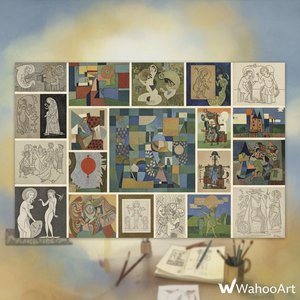
Paul Klee: Die 25 Meisterwerke des Abstrakten – Kunst für Ihr Zuhause | OriginalUniqueArt
Entdecken Sie die 25 Meisterwerke von Paul Klee! Tauchen Sie ein in seine abstrakte Welt, voller Expressionismus und Bauhaus-Einflüsse. Hochwertige Kunst für Ihr Zuhause – jetzt bei OriginalUniqueArt entdecken!
Die schönsten Landschaftsbilder: 10 Meisterwerke für Ihr Zuhause | OriginalUniqueArt.com
Entdecken Sie die 10 schönsten Landschaftsbilder der Kunstgeschichte! Von Monet bis Van Gogh – erfahren Sie die Geschichten hinter Meisterwerken & finden Sie Inspiration für Ihr Zuhause. Hochwertige Kunstdrucke auf OriginalUniqueArt.com.

Romantische Landschaften: Die 10 Meisterwerke, die eine Epoche prägten | OriginalUniqueArt
Entdecken Sie die 10 Meisterwerke der Romantischen Landschaftsmalerei! Von Caspar David Friedrich bis Turner – erleben Sie die Kunst, Emotion & Natur. Hochwertige Reproduktionen auf OriginalUniqueArt.com

John Constable: Die 25 Meisterwerke des englischen Landschaftsgenies – OriginalUniqueArt
Entdecken Sie die 25 Meisterwerke von John Constable! Erleben Sie englische Landschaftsmalerei vom Hay Wain bis zur Stour Valley. Hochwertige Reproduktionen & Kunst für Ihr Zuhause auf OriginalUniqueArt.com.



