Vorschau anzeigen
 Versenden
 Teilen
 Details anzeigen
 Leitfaden

 Herunterladen
 Ähnliche Objekte
 Röntgenaufnahme
 Diashow
 Fragen & Antworten
 Statistiken
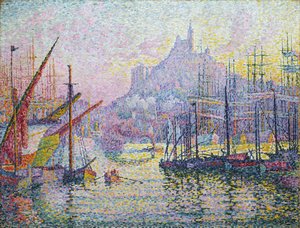
Venice, The Pink Cloud

- 73.0 x 92.0 cm


 Weiterlesen
Giclée / Kunstdruck
Giclée- oder Leinwanddruck in Museumsqualität mit schneller Produktion und flexiblen Veredelungsoptionen. ( Handgemalte Reproduktion bestellen Zum digitalen Bild wechseln)




P118B €10

P118H €10

P118W €10

P438Z €10

P508JH €12

P508YH €12

P805H €10

P805Z €10

P919BZ €10

P919G €10

P919XJ €10

P959ZH €10

P968JZ €12

W106C €8

W218G €10

W218JH €8

W218Y €10

W307PJ €10

W316G €10

W316PJ €8

W316Y €10

W398PJ €8

W4111J €10

W500HY €15

W500JH €15

W692G €12

W849H €8

W940BG €15

W953PJ €8




Wählen Sie aus unseren vordefinierten Formaten, die den ursprünglichen Proportionen des Kunstwerks entsprechen.

Geben Sie die benötigte Breite und Höhe an, damit der Druck perfekt in Ihren Rahmen oder an Ihre Wand passt. Ein Druck kann nur beschnitten, aber niemals größer als das Originalbild angefertigt werden; daher verliert ein Format mit anderen Proportionen einen Teil des Bildes. Wir senden Ihnen ein digitales Mockup zur Freigabe, bevor wir den Druck ausführen. Das auf dieser Seite gezeigte Bild zeigt nicht den tatsächlichen Beschnitt – dies ist nur im Mockup ersichtlich.
Weltweiter Versand () innerhalb von 2 Wochen statt der üblichen 4/5 Wochen. (5 November)

Kostenloser weltweiter Expressversand

Hochwertige Leinenleinwand

Umfassender Versicherungsschutz beim Versand

Zollgebühren-Rückerstattungsgarantie

Garantie für exakte Farbtreue

100 Tage Rückgaberecht (nur bei Mängeln)

100% Geld-zurück-Garantie

Mengenrabatt verfügbar
 Die Glasoption ist nur für Größen unter 110 cm verfügbar.

Venice, The Pink Cloud
Giclée / Kunstdruck
Format der Reproduktion
-


Endpreis
€ 72
A Symphony of Light and Color: Exploring Paul Signac’s Venice, The Pink Cloud
Paul Signac's "Venice, The Pink Cloud," painted in 1909, stands as a cornerstone of Neo-Impressionism—a movement that boldly challenged the conventions of Impressionism while simultaneously embracing scientific principles to revolutionize artistic vision. More than just a depiction of Venice’s picturesque canals and boats, this artwork embodies Signac's unwavering dedication to capturing the ephemeral beauty of light and color through a meticulously crafted technique. Located at the Albertina in Vienna, Austria, the canvas measures 73 x 92 cm and invites viewers into a world where optical blending creates an illusion of vibrancy surpassing mere pigment application.The Pointillist Method: A Scientific Approach to Painting
At its core lies Signac’s groundbreaking Pointillism—developed collaboratively with Georges Seurat—a technique that fundamentally altered the artistic landscape. Unlike Impressionists who blended colors on the canvas, Pointillists applied tiny dots of pure pigment onto the surface, allowing the viewer's eye to fuse them together and perceive a richer hue than could be achieved through traditional blending. This method wasn’t merely stylistic; it was rooted in optical theory championed by Eugène Chevreuil and Michel Hessayon, reflecting Signac’s fascination with scientific investigation into how color perception operates. The resulting image possesses an astonishing luminosity—a testament to the brilliance of this innovative approach.Venetian Atmosphere: Composition and Symbolism
The painting captures a quintessential Venetian scene: sailboats gliding across the lagoon under a hazy pink sky. Signac skillfully employs compositional elements – notably the placement of the larger sailboat dominating the foreground – to guide the viewer’s gaze and establish a sense of depth. The scattered boats contribute to the overall dynamism, mirroring the movement of water and conveying an impression of tranquil activity. Beyond its visual beauty, “Venice, The Pink Cloud” speaks to themes of serenity and contemplation—a reflection of Signac's own philosophical outlook on art’s role in capturing moments of sublime experience. The pink hue of the cloud itself is particularly significant, symbolizing not only atmospheric haze but also a subtle allusion to Venetian rose gardens – emblems of romance and beauty.Signac’s Evolution: From Structured Pointillism to Divisionist Expression
While Signac initially adhered to Seurat's rigorously structured Pointillism, he gradually embraced a looser Divisionist technique—characterized by broader brushstrokes that nevertheless maintain the optical blending principle. This stylistic shift allowed Signac to infuse his paintings with greater emotional intensity and expressive freedom. Works like “Evening, Avignon” and “The Papal Palace” demonstrate this evolution, showcasing vibrant colors and textured surfaces that convey a palpable sense of atmosphere.A Legacy of Impressionistic Innovation
“Venice, The Pink Cloud” exemplifies Post-Impressionism’s commitment to bold color palettes and distorted forms—a deliberate departure from Impressionist realism. Its enduring appeal lies in its ability to transport viewers back to Venice at the turn of the century, capturing not just a visual record but also an emotional resonance that speaks to the timeless fascination with beauty and tranquility. Reproductions crafted by OriginalUniqueArt faithfully recreate Signac’s masterful technique, ensuring collectors and interior designers alike can experience the captivating allure of this iconic artwork.Fragen & Antworten
Für welchen Raum wird "Venice, The Pink Cloud" von Paul Signac empfohlen?
Eine Reproduktion von „Venice, The Pink Cloud“ passt hervorragend in ein Living Room.
Wie wirkt die Helligkeit von "Venice, The Pink Cloud" von Paul Signac?
Was die wahrgenommene Helligkeit betrifft, so ist "Venice, The Pink Cloud" von Paul Signac bright.
Welchen Stellenwert nimmt "Venice, The Pink Cloud" innerhalb der Neo-Impressionism ein?
"Venice, The Pink Cloud" von Paul Signac wird als Recognized klassifiziert und gehört zur Neo-Impressionism-Strömung.
Künstlerbiografie
Frühe Jahre und Ausbildung
Paul Victor Jules Signac, ein französischer Neo-Impressionistischer Maler, wurde am 11. November 1863 in Paris geboren. Ursprünglich absolvierte er eine Ausbildung zum Architekten, entschied sich aber im Alter von 18 Jahren für die Malerei. Dieser Entschluss wurde durch eine Ausstellung der Werke von Claude Monet beeinflusst.Künstlerischer Stil und Einflüsse
Signacs Stil zeichnete sich durch die Verwendung kleiner Punkte reiner Farbe aus, die er nebeneinander stellte, um ein Gefühl für Tiefe und Licht zu erzeugen. Diese Technik, bekannt als Pointillismus, wurde in Zusammenarbeit mit Georges Seurat entwickelt. Signacs Arbeit wurde auch von seinen Reisen entlang der europäischen Küste beeinflusst, wo er die Schönheit von Hafenstädten in Aquarellen festhielt.Wichtige Werke und Verbindungen
* Boulevard de Clichy (1886): Ein postimpressionistisches Werk, das Signacs akribischen Stil zeigt. * Der rote Bojen, Saint-Tropez (1895): Ein lebhaftes marines Gemälde mit einer rot-orangenen Boje vor blauem Hintergrund. * Gründungsmitglied der Société des Artistes Indépendants, die jährliche Ausstellungen organisierte, die Trends in der frühen 20. Jahrhundert Kunst prägten.Vermächtnis und Einfluss
Signacs Arbeit hatte einen tiefgreifenden Einfluss auf die Entwicklung des Fauvismus und beeinflusste Künstler wie Henri Matisse und André Derain. Als Präsident der Société des Artistes Indépendants unterstützte Signac jüngere Künstler und stellte kontroverse Werke von den Fauves und Kubisten aus.- Erleben Sie Paul Signacs „Boulevard de Clichy 1886“ – eine ruhige Pointillist-Winterszene in Paris. Bewundern Sie seine kühle Farbpalette und zeitlose Schönheit. Hochwertige Reproduktionen erhältlich.
- Entdecken Sie Paul Signacs „Der Kiefernbaum in Saint-Tropez“, ein lebendiger Neo-Impressionistischer Meisterwerk! Erkunden Sie Pointillismus, mediterrane Schönheit und zeitlose Anziehungskraft. Perfekt für Kunstliebhaber und Sammler.
- Entdecken Sie Paul Signacs 'Frühstück (Die Speisekammer)' – ein lebendiger Neo-Impressionistischer Meisterwerk! Erkunden Sie Pointillismus, Belle Époque Charme und zeitlose Schönheit. Perfekt für Kunstsammler.
- Erleben Sie Signacs 'Der Leuchtturm, Saint-Tropez'! Dieses lebendige Postimpressionistenwerk fängt die Schönheit der französischen Küste mit dem schimmernden Licht und den Farben des Pointillismus ein.
- Entdecken Sie Gustav Klimts 'Schloss Kammer am Attersee'! Eine friedliche Symbolistische Landschaft mit leuchtenden Farben und geometrischen Mustern. Besorgen Sie sich heute eine handgemalte Ölmalerei Reproduktion!
Wichtige Daten
* 11. November 1863: Geburt in Paris * 1884: Mitbegründung der Société des Artistes Indépendants * 15. August 1935: Verstarb im Alter von 71 Jahren. Erleben Sie das künstlerische Genie von Paul Signac durch seine fesselnden Werke, die auf OriginalUniqueArt.com erkundet werden können.
Paul Signac
1863 - 1935 , Frankreich
Kurzinfos
- Beeinflusste Künstler:
- Henri Matisse
- André Derain
- Bemerkenswerte Werke:
- Boulevard de Clichy (1886)
- Der rote Boje, Saint-Tropez
- Frühstück (Die Speisekammer)
- Einflussreiche Kunstrichtung: Fauvismus
- Geburtsdatum: 11. November 1863
- Geburtsort: Paris, Frankreich
- Künstlerische Bewegung: Neo-Impressionismus
- Nationalität: Französisch
- Sterbedatum: 15. August 1935
- Vollständiger Name: Paul Signac
Ähnliche Artikel
The Subdued Radiance of Pastel Palettes: Exploring Emotional Resonance in Art History
Explore the emotional power of pastel palettes in art history! Discover Impressionism, Post-Impressionism & color psychology insights. Find museum-quality reproductions at OriginalUniqueArt.

Die Präzision des Lichts: Seurats und Signacs wissenschaftliche Revolution der Farbwahrnehmung
Erfahren Sie alles über die wissenschaftliche Revolution von Seurat und Signac. Entdecken Sie die Magie des Pointillismus jetzt!

Paul Signac: Pointillismus, Politik und die Suche nach Harmonie in der modernen Kunst
Entdecken Sie Paul Signacs revolutionären Pointillismus! Erfahren Sie mehr über die wissenschaftlichen Grundlagen, politischen Engagements und das künstlerische Vermächtnis dieses Meisters des Neo-Impressionismus. Jetzt lesen!

Die materielle Tiefe des Pastells: Licht, Textur und die technische Entwicklung eines klassischen Mediums
Erfahren Sie alles über die Chemie und Technik der Pastellmalerei von Degas bis Monet. Entdecken Sie die Tiefe dieses klassischen Mediums.

Die Subtilität der Pastelltechnik: Geschichte, Anwendung und emotionale Resonanz
Entdecken Sie die faszinierende Welt der Pastellmalerei! Erfahren Sie mehr über Technik, Geschichte und berühmte Künstler. Hochwertige Reproduktionen bei OriginalUniqueArt.