In echtem Maßstab anzeigen
 Versenden als Grußkarte
 Teilen
 Details anzeigen
 Leitfaden öffnen

 Herunterladen
 Ähnliche Objekte
 Röntgenaufnahme
 Diashow
 Besucherstatistiken
Concarneau (study)
 Oil On Canvas
- WallArt
- Impressionism
 1891
1891- 19th Century
 24.0 x 33.0 cm
 Mehr anzeigen
Giclée / Kunstdruck
Giclée- oder Leinwanddruck in Museumsqualität mit schneller Produktion und flexiblen Veredelungsoptionen. ( Handgemalte Reproduktion kaufen Zum digitalen Bild wechseln)




P118B €10

P118H €10

P118W €10

P438Z €10

P508JH €12

P508YH €12

P805H €10

P805Z €10

P919BZ €10

P919G €10

P919XJ €10

P959ZH €10

P968JZ €12

W106C €8

W218G €10

W218JH €8

W218Y €10

W307PJ €10

W316G €10

W316PJ €8

W316Y €10

W398PJ €8

W4111J €10

W500HY €15

W500JH €15

W692G €12

W849H €8

W940BG €15

W953PJ €8




Wählen Sie aus unseren vordefinierten Formaten, die den ursprünglichen Proportionen des Kunstwerks entsprechen.

Geben Sie die Breite und die Höhe an, die Sie benötigen, damit der Druck perfekt in Ihren Rahmen oder an Ihre Wand passt. Ein Druck kann nur beschnitten werden und niemals größer als das Originalbild gemacht werden; daher verliert ein Format mit einer anderen Proportion einen Teil des Bildes. Wir senden Ihnen ein digitales Mockup zur Freigabe, bevor wir den Druck ausführen. Das auf dieser Seite gezeigte Bild zeigt nicht den tatsächlichen Beschnitt – dies ist nur im Mockup ersichtlich.
Weltweiter Versand () innerhalb von 2 Wochen statt der üblichen 4/5 Wochen. (21 Oktober)

Kostenloser weltweiter Expressversand

Hochwertige Leinenleinwand

Vollständiger Versicherungsschutz beim Versand

Zollgebühren-Rückerstattungsgarantie

Garantie für exakte Farbtreue

100-tägiges Rückgaberecht (nur bei Mängeln)

100% Geld-zurück-Garantie

Angebot für Mengenrabatt
 Die Glasoption ist nur für Größen unter 110 cm verfügbar.

Concarneau (study)
Giclée / Kunstdruck
Format der Reproduktion
-


Gesamtpreis
€ 70
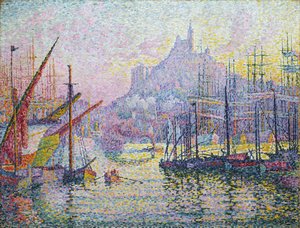
A Luminous Study in Coastal Light
To gaze upon this study of Concarneau is to be transported to a moment suspended between dawn and afternoon—a breath of salty air captured on canvas. The painting immerses the viewer in an atmosphere saturated with warm, golden hues, creating a luminous haze that seems to emanate from the water itself. It is not merely a depiction of a seaside vista; it is an evocation of light’s ephemeral dance upon liquid surfaces. The composition guides the eye across the calm expanse where sailboats drift like painted dreams toward a distant, softened horizon. Here, the artist masterfully prioritizes the feeling of movement and the play of reflected color over any need for sharp, photographic detail.
The Science and Soul of Impressionism
This work stands as a beautiful testament to the enduring spirit of Impressionism, filtered through the thoughtful lens of Paul Signac. While the scene speaks with the immediacy of Monet’s later works, the underlying structure hints at the systematic approach that defined his career. The visible brushstrokes—short, broken dabs of pure color—are not mere stylistic flourishes; they are records of perception itself. They capture how light fractures upon water and rock, giving texture to what might otherwise appear smooth. Notice the foreground: the rocky shoreline and large boulders are rendered with a palpable impasto, allowing one to almost feel the grit beneath the fingertips. This tactile quality is central to the painting’s power.
Rhythm, Reflection, and Form
The interplay between horizontal lines—the vast sweep of the water and sky—and the vertical accents provided by the masts and shoreline anchors the piece in a profound sense of rhythm. The sailboats themselves become rhythmic punctuation marks against the expansive canvas. Signac’s handling here suggests that the subject matter, while maritime, is deeply concerned with optical experience. The way the light catches the sails, making them glow against the deeper tones of the water, speaks to an understanding of color theory as a structural element. It is a study in atmospheric perspective, where distance softens edges until the cityscape recedes into a gentle wash of color.
Symbolism of Passage and Freedom
Beyond its technical brilliance, this painting resonates with universal themes. The sea, eternally restless yet momentarily calm, has always symbolized the journey of life itself. These graceful sailboats are potent symbols of freedom, of passage, and of humanity’s enduring connection to nature's vast, beautiful indifference. For the collector or designer, owning this piece means bringing into a space not just a painting, but a mood—a sense of open possibility and tranquil escape. It invites contemplation on journeys taken and those yet to come.
Fragen & Antworten
Für welchen Raum wird "Concarneau (study)" von Paul Signac empfohlen?
Der empfohlene Raum für "Concarneau (study)" von Paul Signac ist ein Lounge. Dieser Vorschlag kann natürlich an Ihr Interieur angepasst werden.
Warum ist der Urheberrechtsstatus von "Concarneau (study)" so, wie er ist?
"Concarneau (study)" von Paul Signac ist gemeinfrei – das Urheberrecht ist abgelaufen. Die Dauer des Urheberrechts beginnt mit dem Tod des Künstlers, der im Jahr 1935 verstarb.
Aus welcher Schaffensperiode von Paul Signac stammt "Concarneau (study)"?
Innerhalb der Schaffensperiode von Paul Signac lässt sich „Concarneau (study)“ der Mature Period zuordnen. Diese Phase ermöglicht einen Vergleich mit anderen Werken des Künstlers.
Biografie des Künstlers
Frühe Jahre und Ausbildung
Paul Victor Jules Signac, ein französischer Neo-Impressionistischer Maler, wurde am 11. November 1863 in Paris geboren. Ursprünglich absolvierte er eine Ausbildung zum Architekten, entschied sich aber im Alter von 18 Jahren für die Malerei. Dieser Entschluss wurde durch eine Ausstellung der Werke von Claude Monet beeinflusst.Künstlerischer Stil und Einflüsse
Signacs Stil zeichnete sich durch die Verwendung kleiner Punkte reiner Farbe aus, die er nebeneinander stellte, um ein Gefühl für Tiefe und Licht zu erzeugen. Diese Technik, bekannt als Pointillismus, wurde in Zusammenarbeit mit Georges Seurat entwickelt. Signacs Arbeit wurde auch von seinen Reisen entlang der europäischen Küste beeinflusst, wo er die Schönheit von Hafenstädten in Aquarellen festhielt.Wichtige Werke und Verbindungen
* Boulevard de Clichy (1886): Ein postimpressionistisches Werk, das Signacs akribischen Stil zeigt. * Der rote Bojen, Saint-Tropez (1895): Ein lebhaftes marines Gemälde mit einer rot-orangenen Boje vor blauem Hintergrund. * Gründungsmitglied der Société des Artistes Indépendants, die jährliche Ausstellungen organisierte, die Trends in der frühen 20. Jahrhundert Kunst prägten.Vermächtnis und Einfluss
Signacs Arbeit hatte einen tiefgreifenden Einfluss auf die Entwicklung des Fauvismus und beeinflusste Künstler wie Henri Matisse und André Derain. Als Präsident der Société des Artistes Indépendants unterstützte Signac jüngere Künstler und stellte kontroverse Werke von den Fauves und Kubisten aus.- Erleben Sie Paul Signacs „Boulevard de Clichy 1886“ – eine ruhige Pointillist-Winterszene in Paris. Bewundern Sie seine kühle Farbpalette und zeitlose Schönheit. Hochwertige Reproduktionen erhältlich.
- Entdecken Sie Paul Signacs „Der Kiefernbaum in Saint-Tropez“, ein lebendiger Neo-Impressionistischer Meisterwerk! Erkunden Sie Pointillismus, mediterrane Schönheit und zeitlose Anziehungskraft. Perfekt für Kunstliebhaber und Sammler.
- Entdecken Sie Paul Signacs 'Frühstück (Die Speisekammer)' – ein lebendiger Neo-Impressionistischer Meisterwerk! Erkunden Sie Pointillismus, Belle Époque Charme und zeitlose Schönheit. Perfekt für Kunstsammler.
- Erleben Sie Signacs 'Der Leuchtturm, Saint-Tropez'! Dieses lebendige Postimpressionistenwerk fängt die Schönheit der französischen Küste mit dem schimmernden Licht und den Farben des Pointillismus ein.
- Entdecken Sie Gustav Klimts 'Schloss Kammer am Attersee'! Eine friedliche Symbolistische Landschaft mit leuchtenden Farben und geometrischen Mustern. Besorgen Sie sich heute eine handgemalte Ölmalerei Reproduktion!
Wichtige Daten
* 11. November 1863: Geburt in Paris * 1884: Mitbegründung der Société des Artistes Indépendants * 15. August 1935: Verstarb im Alter von 71 Jahren. Erleben Sie das künstlerische Genie von Paul Signac durch seine fesselnden Werke, die auf OriginalUniqueArt.com erkundet werden können.
Paul Signac
1863 - 1935 , Frankreich
Eckdaten zum Künstler
- Beeinflusste Künstler:
- Henri Matisse
- André Derain
- Bemerkenswerte Werke:
- Boulevard de Clichy (1886)
- Der rote Boje, Saint-Tropez
- Frühstück (Die Speisekammer)
- Einflussreiche Kunstrichtung: Fauvismus
- Geburtsdatum: 11. November 1863
- Geburtsort: Paris, Frankreich
- Künstlerische Bewegung: Neo-Impressionismus
- Nationalität: Französisch
- Sterbedatum: 15. August 1935
- Vollständiger Name: Paul Signac
Verwandte Artikel
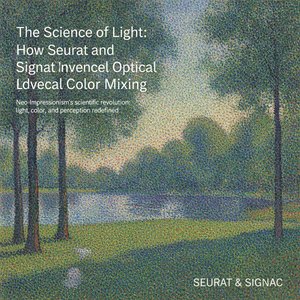
Die Präzision des Lichts: Seurats und Signacs wissenschaftliche Revolution der Farbwahrnehmung
Erfahren Sie alles über die wissenschaftliche Revolution von Seurat und Signac. Entdecken Sie die Magie des Pointillismus jetzt!
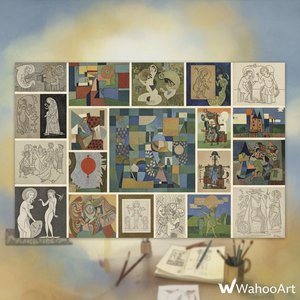
Paul Klee: Die 25 Meisterwerke des Abstrakten – Kunst für Ihr Zuhause | OriginalUniqueArt
Entdecken Sie die 25 Meisterwerke von Paul Klee! Tauchen Sie ein in seine abstrakte Welt, voller Expressionismus und Bauhaus-Einflüsse. Hochwertige Kunst für Ihr Zuhause – jetzt bei OriginalUniqueArt entdecken!

Paul Cézanne: Die 25 Meisterwerke des Impressionismus | OriginalUniqueArt
Entdecken Sie die 25 Meisterwerke von Paul Cézanne! Tauchen Sie ein in die Welt des Impressionismus und Postimpressionismus. Erfahren Sie mehr über seine Stillleben, Landschaften & berühmten Gemälde – jetzt hochwertige Kunstdrucke auf OriginalUniqueArt.com.

The Enduring Legacy of Oil on Canvas: Technique, History & Aesthetic Impact
Explore the rich history & techniques of oil painting – from Renaissance masters to Impressionism. Discover pigments, layering methods, and why this timeless medium endures. Expert insights for artists & art enthusiasts.

Paul Signac: Pointillismus, Politik und die Suche nach Harmonie in der modernen Kunst
Entdecken Sie Paul Signacs revolutionären Pointillismus! Erfahren Sie mehr über die wissenschaftlichen Grundlagen, politischen Engagements und das künstlerische Vermächtnis dieses Meisters des Neo-Impressionismus. Jetzt lesen!