 In echtem Maßstab anzeigen
 Versenden als Grußkarte
 Teilen
 Details anzeigen
 Leitfaden öffnen

 Herunterladen
 Ähnliche Objekte
 Röntgenaufnahme
 Diashow
 Besucherstatistiken
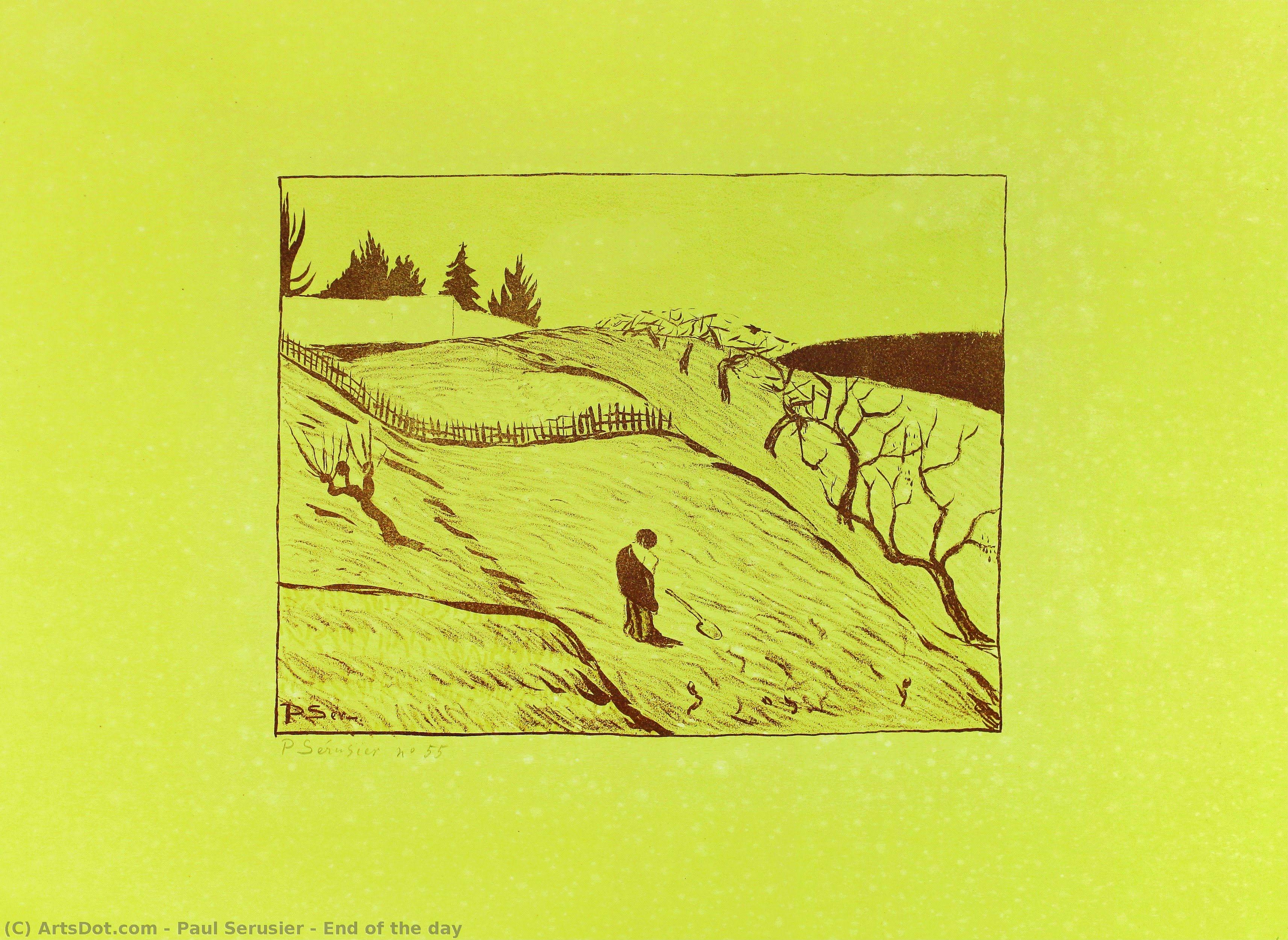
End of the day
 Acrylic On Canvas
- WallArt
- Post-Impressionism
 1893
1893- 19th Century
 23.0 x 30.0 cm
 Musée de Pont-Aven
 Mehr anzeigen
Giclée / Kunstdruck
Giclée- oder Leinwanddruck in Museumsqualität mit schneller Produktion und flexiblen Veredelungsoptionen. ( Handgemalte Reproduktion kaufen Zum digitalen Bild wechseln)




P118B $10

P118H $10

P118W $10

P438Z $10

P508JH $12

P508YH $12

P805H $10

P805Z $10

P919BZ $10

P919G $10

P919XJ $10

P959ZH $10

P968JZ $12

W106C $8

W218G $10

W218JH $8

W218Y $10

W307PJ $10

W316G $10

W316PJ $8

W316Y $10

W398PJ $8

W4111J $10

W500HY $15

W500JH $15

W692G $12

W849H $8

W940BG $15

W953PJ $8




Wählen Sie aus unseren vordefinierten Formaten, die den ursprünglichen Proportionen des Kunstwerks entsprechen.

Sie können Ihre eigenen Maße eingeben, um ein bestimmtes Format oder einen speziellen Platz einzupassen. Wenn das von Ihnen gewählte Format nicht den Proportionen des Originalbildes entspricht, werden wir das Kunstwerk entweder beschneiden oder das Bild mit einem gespiegelten oder einfarbigen Rand erweitern. Ein digitaler Entwurf wird Ihnen zur Genehmigung zugesandt, bevor die Produktion beginnt.
Bitte beachten Sie, dass die Vorschau auf dem Bildschirm nicht den tatsächlichen Zuschnitt oder die Erweiterung widerspiegelt. Nur der Entwurf zeigt die endgültige Komposition präzise an.
Obwohl Sondermaße verfügbar sind, empfehlen wir die Auswahl eines Maßes aus der vordefinierten Liste, um die ursprünglichen Proportionen zu bewahren.
Weltweiter Versand () innerhalb von 2 Wochen statt der üblichen 4/5 Wochen. (26 September)

Kostenloser weltweiter Expressversand

Hochwertige Leinenleinwand

Vollständiger Versicherungsschutz beim Versand

Zollgebühren-Rückerstattungsgarantie

Garantie für exakte Farbtreue

100-tägiges Rückgaberecht (nur bei Mängeln)

100% Geld-zurück-Garantie

Angebot für Mengenrabatt
 Die Glasoption ist nur für Größen unter 110 cm verfügbar.

End of the day
Giclée / Kunstdruck
Format der Reproduktion
-


Gesamtpreis
$ 80
The End of the Day – A Pioneering Vision of Synthetism
Paul Sérusier’s “End of the Day,” painted in 1893 during his formative summer at Pont-Aven, France alongside Vincent van Gogh and Gauguin, stands as a cornerstone of Impressionist abstraction and arguably the genesis of Synthetism – a movement that would profoundly influence the artistic landscape of the early 20th century. More than just a depiction of a tranquil Breton landscape, it’s an audacious experiment in conveying emotion through simplified forms and flattened color palettes.
The painting captures a hazy afternoon scene: a solitary man stands amidst a field dotted with trees, bathed in muted yellows and greens. Sérusier deliberately eschewed meticulous realism, prioritizing instead the expression of feeling. This approach aligns perfectly with Gauguin’s influence – he championed a symbolic language where color and form coalesce to communicate ideas rather than merely representing visual reality.
- Style: Synthetism - Rejecting Impressionistic optical blending, Sérusier sought to distill the essence of his subject into pure pigment.
- Technique: Cloisonnism – This technique involved applying paint in separate blocks or cells of color onto a toned surface, creating a textured and visually arresting effect reminiscent of Byzantine mosaics.
- Color Palette: Dominated by warm yellows and greens, mirroring the golden light filtering through the trees—a deliberate choice to evoke serenity and contemplation.
The composition itself is strikingly simple yet powerfully evocative. The man’s posture suggests introspection, gazing towards an unseen horizon – a gesture that speaks to the broader humanist concerns of the era. Critics noted Sérusier's bold departure from traditional artistic conventions, recognizing him as a visionary who anticipated the stylistic innovations of Cubism and Futurism.
Pont-Aven: A Crucible of Artistic Innovation
Pont-Aven served as an epicenter for artistic experimentation during this period. The group of artists gathered there – Sérusier, Gauguin, Cézanne, Bernard—were united by a desire to transcend Impressionism’s limitations and explore new avenues for artistic expression. They were deeply influenced by Celtic mythology and symbolism, seeking inspiration in ancient traditions.
Sérusier's fascination with Breton landscapes stemmed from his belief that nature possessed inherent spiritual significance. He aimed to capture not just what he saw but what he *felt*, translating visual impressions into emotionally resonant color harmonies. This pursuit of subjective experience was a hallmark of the Symbolist movement, which flourished alongside Synthetism.
The Talisman: An Emblematic Synthesis
"The Talisman," painted shortly before “End of the Day,” solidified Sérusier’s reputation as a pioneer of abstraction. Considered by many to be the first truly non-representational painting in France, it exemplifies the Synthetist aesthetic with its almost entirely flat surface and restricted color range.
This artwork is notable for its deliberate rejection of illusionistic perspective—a technique championed by Cézanne—and instead prioritizing a flattened space that emphasizes color and texture. The talisman itself symbolizes protection and guidance, reflecting Sérusier’s spiritual quest and his desire to communicate profound ideas through visual language.
Legacy and Influence
Paul Sérusier's contribution to art history extends far beyond the stylistic innovations of Synthetism. He instilled a spirit of experimentation and openness in subsequent generations of artists, encouraging them to challenge conventions and pursue their own artistic visions. “End of the Day” remains an enduring testament to his pioneering spirit—a painting that continues to inspire awe and contemplation decades after its creation.
Biografie des Künstlers
Frühes Leben und Ausbildung
Paul Sérusier, geboren als Louis-Paul-Henri Sérusier, erblickte am 9. November 1864 in Paris das Licht der Welt. Er studierte an der Académie Julian, wo er sich in den mittleren 1880er Jahren eine Stelle als Aufseher sicherte. Dies markierte den Beginn seiner künstlerischen Reise, die ihn schließlich dazu führte, abstrakte Kunst zu begründen und die avantgardistische Nabi-Bewegung, Synthetismus und Cloisonnismus zu inspirieren.Künstlerische Karriere
Im Sommer 1888 reiste Sérusier nach Pont-Aven, wo er einer kleinen Künstlergruppe beigetreten ist, die sich um Paul Gauguin sammelte. Unter Gauguins enger Anleitung malte Sérusier "Der Talisman", eine extreme Übung im Cloisonnismus, die der reinen Abstraktion nahe kam. Dieses Werk demonstrierte seinen innovativen Stil und seine Bereitschaft, mit neuen Techniken zu experimentieren. Als postimpressionistischer Maler war Sérusier Teil der Gruppe Les Nabis, zusammen mit Pierre Bonnard, Édouard Vuillard und Maurice Denis. Obwohl er nicht so bekannt ist wie einige seiner Kollegen, sind Sérusiers Beiträge zur Entwicklung abstrakter Kunst unbestreitbar.Wichtige Werke und Vermächtnis
Zu Sérusiers bemerkenswertesten Werken gehören:- L'Averse (1893), Musée d’Orsay, Paris
- Porträt von Paul Ranson (1890), Musée d’Orsay, Paris
- Melancholie (1890)
- Die Schlangenfresser (1894), Muzeum Narodowe, Warschau
Künstlerische Bewegung und Einfluss
Sérusiers Werk wurde von Cloisonnismus beeinflusst, einem Stil, der durch kühne und flache Formen gekennzeichnet ist, die durch dunkle Konturen getrennt sind. Diese Bewegung, die im späten 19. Jahrhundert entstand, spielte eine bedeutende Rolle bei der Gestaltung der Entwicklung moderner Kunst.- Erfahre mehr über Cloisonnismus: Die Cloisonnism-Kunstbewegung
- Entdecke Sérusiers Werk: Paul Sérusier | OriginalUniqueArt.com
- Erfahre mehr über die Nabi-Bewegung: Die Nabi-Kunstbewegung
- Paul Sérusier war ein französischer Maler, der abstrakte Kunst begründete und die Nabi-Bewegung inspirierte.
- Er studierte an der Académie Julian und unterrichtete später an der Académie Ranson.
- Sérusiers Werk wurde von Cloisonnismus beeinflusst, einem Stil, der durch kühne und flache Formen gekennzeichnet ist.

Paul Sérusier
1864 - 1927 , Frankreich
Eckdaten zum Künstler
- Beeinflusste Künstler:
- Paul Gauguin
- Maurice Denis
- Pierre Bonnard
- Édouard Vuillard
- Bekannte Werke:
- L'Averse (1893)
- Portrait von Paul Ranson
- Melancholie (1890)
- Die Schlangenfresser (1894)
- Geburtsdatum: 9. November 1864
- Geburtsort: Paris, Frankreich
- Künstlerische Bewegung: Postimpressionismus, Nabis
- Nationalität: Französisch
- Todatum: 7. Oktober 1927
- Vollständiger Name: Paul Sérusier
- Von Künstlern Beeinflusst: ['Cloisonnismus']
Verwandte Artikel

Giclée Prints: Archival Quality & Aesthetic Nuances for the Discerning Collector
Explore the world of giclée prints with OriginalUniqueArt. Learn about archival quality, aesthetic nuances & investment potential. Expert guidance for discerning art collectors seeking museum-quality reproductions and lasting value.
Verdant Visions: Exploring the Symbolism & Aesthetic Impact of Green in Art History
Explore the rich history & symbolism of green in art! Discover iconic paintings, techniques, and how to bring verdant harmony into your home with OriginalUniqueArt's expert guide.
Chromgelb in der Kunstgeschichte: Die 10 berühmtesten Gemälde & ihre Meister
Entdecken Sie die 10 berühmtesten Gemälde, dominiert von der leuchtenden Farbe Chromgelb! Von Van Gogh bis Monet – erfahren Sie Geschichten hinter Meisterwerken & finden Sie Ihre perfekte Kunst-Reproduktion auf OriginalUniqueArt.com.
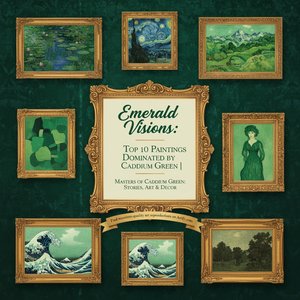
Kadmiumgrün in der Meisterklasse: Die 10 berühmtesten Gemälde & ihre Geschichte |
Entdecken Sie die 10 berühmtesten Gemälde, dominiert von Kadmiumgrün! Von Monet bis Van Gogh – erleben Sie Kunstgeschichte und lassen Sie sich von Meisterwerken inspirieren. Hochwertige Reproduktionen auf .

The Enduring Legacy of Fine Art Prints: Technique, History & Aesthetic Impact
Explore the rich history & techniques of fine art prints. Discover investment potential, assess authenticity, and learn how to preserve your collection with expert guidance. Trusted insights for discerning collectors.