Text size

() ·

A painting made for you, by hand

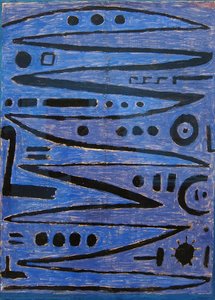
Grabungsgebäude

Handgefertigte Ölreproduktion

Handgemaltes Ölgemälde auf Leinwand in Ihrer Wunschgröße und mit Rahmen, auf Bestellung von unseren Künstlern angefertigt. ( Zum Druck wechseln Zum digitalen Bild wechseln)

Beschreibung des Sammlerstücks

Ein traumhaftes Gemälde von Paul Klee: 'Grabungsgebäude' entführt in eine surreale Welt voller Farben und Melancholie. Entdecken Sie die expressive Abstraktion eines einzigartigen Künstlers.

Künstlerbiografie

Entdecken Sie Paul Klee (1879-1940): Schweizer-Deutscher Künstler, der Expressionismus, Kubismus und Surrealismus vereint. Erkunden Sie seine Farbtheorie, den Einfluss der Bauhaus-Schule und seine spielerisch intelligente Kunst.

from ·

Chapter 1

How large should it be?

Slide to change the size; the picture on the left shows the frame at its real width. The proportions of the original are kept.

Standardformat
individuell anpassbar
CM
INCH

Wählen Sie aus unseren vordefinierten Formaten, die den ursprünglichen Proportionen des Kunstwerks entsprechen.

Breite
Höhe

Geben Sie die Breite und die Höhe an, die Sie für Ihren Rahmen oder Ihre Wand benötigen. Da dieses Werk handgemalt ist, kann der Künstler bei einer anderen Form etwas mehr um das Bild herum malen oder etwas abschneiden – Sie entscheiden. Wir senden Ihnen ein digitales Mockup zur Freigabe, bevor mit dem Malen begonnen wird. Das auf dieser Seite gezeigte Bild stellt nicht das tatsächliche Ergebnis dar – dies tut nur das Mockup.

Chapter 2

How should it arrive?

Choose the edges of the stretched canvas

Choose your frame

Corner sample of the WhiteWrap canvas edge finish, stretched on Massivholz bars
White €1
Corner sample of the BlurSideWrap canvas edge finish, stretched on Massivholz bars
Blurside €1
Corner sample of the ExtendedWrap canvas edge finish, stretched on Massivholz bars
Extended €1
Corner sample of the P118B picture frame: formgepresstes Polystyrol, 5 cm wide and 3 cm thick
P118B €10
Corner sample of the P118H picture frame: formgepresstes Polystyrol, 5 cm wide and 3 cm thick
P118H €10
Corner sample of the P118W picture frame: formgepresstes Polystyrol, 5 cm wide and 3 cm thick
P118W €10
Corner sample of the P438Z picture frame: formgepresstes Polystyrol, 5.5 cm wide and 3.5 cm thick
P438Z €10
Corner sample of the P508JH picture frame: formgepresstes Polystyrol, 7 cm wide and 3.5 cm thick
P508JH €12
Corner sample of the P508YH picture frame: formgepresstes Polystyrol, 7 cm wide and 3.5 cm thick
P508YH €12
Corner sample of the P805H picture frame: formgepresstes Polystyrol, 5 cm wide and 3.5 cm thick
P805H €10
Corner sample of the P805Z picture frame: formgepresstes Polystyrol, 5 cm wide and 3.5 cm thick
P805Z €10
Corner sample of the P919BZ picture frame: formgepresstes Polystyrol, 7 cm wide and 3.5 cm thick
P919BZ €10
Corner sample of the P919G picture frame: formgepresstes Polystyrol, 7 cm wide and 3.5 cm thick
P919G €10
Corner sample of the P919XJ picture frame: formgepresstes Polystyrol, 7 cm wide and 3.5 cm thick
P919XJ €10
Corner sample of the P959ZH picture frame: formgepresstes Polystyrol, 5 cm wide and 3 cm thick
P959ZH €10
Corner sample of the P968JZ picture frame: formgepresstes Polystyrol, 6 cm wide and 4 cm thick
P968JZ €12
Corner sample of the W106C picture frame: Massivholz, 5 cm wide and 3 cm thick
W106C €8
Corner sample of the W218G picture frame: Massivholz, 5 cm wide and 3 cm thick
W218G €10
Corner sample of the W218JH picture frame: Massivholz, 5 cm wide and 3 cm thick
W218JH €8
Corner sample of the W218Y picture frame: Massivholz, 5 cm wide and 3 cm thick
W218Y €10
Corner sample of the W307PJ picture frame: Massivholz, 6 cm wide and 3 cm thick
W307PJ €10
Corner sample of the W316G picture frame: Massivholz, 6 cm wide and 3 cm thick
W316G €10
Corner sample of the W316PJ picture frame: Massivholz, 6 cm wide and 3 cm thick
W316PJ €8
Corner sample of the W316Y picture frame: Massivholz, 6 cm wide and 3 cm thick
W316Y €10
Corner sample of the W398PJ picture frame: Massivholz, 5 cm wide and 3 cm thick
W398PJ €8
Corner sample of the W4111J picture frame: Massivholz, 6.5 cm wide and 3.5 cm thick
W4111J €10
Corner sample of the W500HY picture frame: Massivholz, 7 cm wide and 5 cm thick
W500HY €15
Corner sample of the W500JH picture frame: Massivholz, 7 cm wide and 5 cm thick
W500JH €15
Corner sample of the W692G picture frame: Massivholz, 8 cm wide and 4 cm thick
W692G €12
Corner sample of the W849H picture frame: Massivholz, 5 cm wide and 3 cm thick
W849H €8
Corner sample of the W940BG picture frame: Massivholz, 7.5 cm wide and 4.5 cm thick
W940BG €15
Corner sample of the W953PJ picture frame: Massivholz, 6 cm wide and 3.5 cm thick
W953PJ €8
Corner sample of the H24-GOLD picture frame: geschnitztes Holz mit Gesso, 10 cm wide and 6 cm thick
H24-GOLD €30
Corner sample of the H24-SILVER picture frame: geschnitztes Holz mit Gesso, 10 cm wide and 6 cm thick
H24-SILVER €30
Corner sample of the H36-GOLD picture frame: geschnitztes Holz mit Gesso, 15 cm wide and 6.5 cm thick
H36-GOLD €45
Corner sample of the H36-SILVER picture frame: geschnitztes Holz mit Gesso, 15 cm wide and 6.5 cm thick
H36-SILVER €45

Moulding: . Overall size with the frame: .

Chapter 3

Who paints it, and should anything change?

Examples of what can be changed: Replace face with customer photo; Add pet (e.g., replace cat with dog); Include hidden message in background; Change background landscape or elements.
After order, OriginalUniqueArt.com team will email client for instructions and provide a mockup preview

Weltweiter Versand () in nur 3 bis 4 Wochen statt der üblichen 5 Wochen. (31 Oktober). Keine Kompromisse bei der Qualität.

Chapter 4

The finishing touches

A nameplate, as in a museum?

Details der gravierten Bronzetafel

This elegant plaque features the artist's name and the title of the artwork, finely engraved for a timeless presentation.

It is made from bronze with a refined, elegant finish. The text is precisely laser-engraved for a sharp and permanent result. Measuring 9x2 cm, the plaque is compact yet easy to read. It's built to be durable and scratch-resistant, offering a professional, museum-quality look. Mounting is simple thanks to the included adhesive backing.

Details zur Acrylglas-Plakette (transparent)

The plaque includes essential engraved details such as the artist's name, the title of the artwork, the date it was created, the type of media used-like oil on canvas or watercolor-a brief description of the piece, and a QR code that links to the complete artwork information.

It is crafted from clear acrylic, offering a sleek, modern appearance. The text is UV-engraved in black to ensure strong visual contrast. With a size of 10x15 cm, it ensures optimal readability. It comes equipped with two metal hooks for secure wall mounting. The plaque is designed to be weather-resistant, making it suitable for various environments, and it includes interactive features that work seamlessly with smartphone scanning.

Details zur schwarzen Acryltafel

This elegant plaque includes engraved information such as the artist's name, the title of the artwork, the date it was created, the type of media used (like oil on canvas or watercolor), a short description of the artwork, and a QR code for quick access to more information.

The plaque itself is made from refined black acrylic with a premium finish. The text is laser-engraved in white for high contrast and readability. Its size is 10x15 cm, designed to be easy to read. It comes with two metal hooks for professional mounting. The design is sleek and fits any interior style. It is also weather-resistant and durable, with built-in digital integration for mobile compatibility.

A protective varnish?

When do you need it?

Chapter 5

Your painting, as you ordered it

Grabungsgebäude

Art der Reproduktion

Format der Reproduktion

-

Erstklassige Meisterkünstler

Mehr Detailtiefe, Raffinesse und zusätzliche Produktionszeit

-

Rahmen für Reproduktionen

-

-

Bei Kunstwerken oder Reproduktionen, die an einer Seite größer als 105 cm (ca. 41 Zoll) sind, wird der Rahmen zerlegt als Bausatz geliefert. Diese Methode gewährleistet eine sichere Zustellung und verhindert Schäden während des Transports.

Professionelle Montage erforderlich – dies ist kein DIY-Produkt.
Der Bausatz muss von einem erfahrenen professionellen Rahmenmacher zusammengebaut und die Leinwand gespannt werden. Hierfür werden Holzleim (nicht im Lieferumfang enthalten), eine Leinwandspannzange sowie Klemmen benötigt, um die Keilleisten während des Trocknungsvorgangs rechtwinklig zu halten. Eine unsachgemäße Montage oder eine ungleichmäßige Spannung der Leinwand kann das Kunstwerk dauerhaft beschädigen und ist nicht durch unsere Garantie abgedeckt.

  • Alle Vollholzkomponenten sind enthalten, präzise auf Maß zugeschnitten.

  • Der Zusammenbau erfolgt mit den mitgelieferten Schrauben sowie Holzkleber für die Eckverbindungen, der nicht im Lieferumfang enthalten ist und vom Rahmenbauer selbst beschafft werden muss.

  • Professionelles Werkzeug ist erforderlich und nicht im Lieferumfang enthalten: eine Keilrahmenzange (Spannwerkzeug) sowie Klammern, um die Leisten während der Trocknungszeit des Klebers rechtwinklig zu fixieren.

Wichtiger Hinweis:
Für die Eckverbindungen wird Holzleim benötigt, die Leisten müssen mit Zwingen fixiert werden, bis der Leim vollständig getrocknet ist, und das Spannen der Leinwand auf dem fertigen Rahmen erfordert eine Keilrahmen-Zange. Keines dieser Utensilien ist im Set enthalten. Bitte stellen Sie sicher, dass ein erfahrener Rahmenmacher zur Verfügung steht, bevor Sie diese Größe bestellen.

Beschriftung

-

-

Schutzlackierung

Glanzlack (verstärkt die Farben, schützt vor Licht und Feuchtigkeit)

-

Mein Kunstwerk personalisieren

Beispiele für Anpassungsmöglichkeiten: Gesicht durch Kundenfoto ersetzen; Haustier hinzufügen (z. B. Katze durch Hund ersetzen); Versteckte Nachricht im Hintergrund einfügen; Hintergrundlandschaft oder -elemente ändern.

-

Eilt sehr

Weltweiter Versand () in nur 3 bis 4 Wochen statt der üblichen 5 Wochen. (31 Oktober). Keine Kompromisse bei der Qualität.

-

Expressversand

Weltweiter Versand () innerhalb von 5 Wochen. (7 November).

Inklusive Versand

Endpreis

€ 267

Gesamtpreis € 267

Die Glasoption ist nur für Größen unter 110 cm verfügbar.

Included with every order

  • Kostenloser weltweiter Expressversand
  • Hochwertige Leinenleinwand
  • Umfassender Versicherungsschutz beim Versand
  • Zollgebühren-Rückerstattungsgarantie
  • Garantie für exakte Farbtreue
  • 100 Tage Rückgaberecht (nur bei Mängeln)
  • 100% Geld-zurück-Garantie
  • Mengenrabatt verfügbar

Ein Traum aus Farben und Schatten: Paul Klees „Cemetery Building“

Paul Klee’s “Cemetery Building” isn't merely a depiction of a graveyard; it’s an invitation into a realm of memory, loss, and the quiet contemplation of time. Painted in 1913, during a period of intense experimentation for the artist, this watercolor masterpiece embodies his signature blend of Expressionism, Cubism, and Surrealism – a visual language that simultaneously feels familiar and profoundly unsettling. The work immediately captivates with its muted palette: soft pinks bleed into dusky purples, interwoven with greens and browns, creating an atmosphere thick with melancholy yet imbued with a strange, almost comforting beauty. It’s not a vibrant, joyous scene; instead, it whispers of forgotten stories and the enduring presence of the past.

Klee's technique is deliberately loose and gestural. The brushstrokes are visible, layered upon one another to build up texture and depth – or rather, the *suggestion* of depth. Lines aren’t sharply defined; they’re more like fleeting impressions, guiding the eye through a simplified landscape dominated by the central building. This deliberate flattening of perspective contributes to the dreamlike quality of the work, pulling us away from realistic representation and into a space where form and feeling are equally important. The building itself is an abstraction – a multi-tiered structure rendered in geometric shapes, hinting at a mausoleum or chapel, yet retaining an undeniably ethereal quality.

Die Wurzeln eines einzigartigen Stils

To understand “Cemetery Building,” it’s crucial to appreciate the context of Paul Klee's artistic development. Born in Münchenbuchsee, Switzerland, in 1879, Klee was deeply influenced by his musically inclined family – his father a music teacher and his mother a singer. This early exposure to harmony and rhythm profoundly shaped his approach to art, leading him to seek an equivalent of musical arrangement within visual form. He initially trained as a classical painter but quickly abandoned traditional techniques in favor of exploring abstraction and experimenting with color theory. His time at the Bauhaus school further solidified this shift, exposing him to new ideas about design and functionality while simultaneously encouraging radical experimentation.

Klee’s work during this period reflects his ongoing quest for a universal language of art – one that transcends specific subject matter and speaks directly to the emotions. He wasn't interested in simply depicting what he saw; he was striving to capture *how* he felt, translating inner experiences into visual form. “Cemetery Building” is a prime example of this approach: it’s not a literal representation of a graveyard but rather an evocation of its atmosphere and the feelings associated with mortality and remembrance.

Symbolik und emotionale Tiefe

The symbolism within "Cemetery Building" is subtle yet potent. The setting itself – a cemetery – immediately evokes themes of death, loss, and the passage of time. However, Klee avoids overt depictions of grief or despair. Instead, he focuses on creating an atmosphere of quiet contemplation, inviting the viewer to reflect on their own experiences with memory and mortality. The simplified forms and muted colors contribute to this sense of ambiguity, allowing for multiple interpretations.

The building’s architecture, with its tiered levels and geometric shapes, can be seen as a metaphor for the layers of memory – past, present, and future – that shape our understanding of ourselves and the world around us. The lack of strong contrasts reinforces this sense of ambiguity, suggesting that there are no easy answers or definitive interpretations. Ultimately, “Cemetery Building” is a deeply personal work, reflecting Klee’s own struggles with illness and mortality.

Ein Meisterwerk der Aquarelltechnik

Klee's masterful use of watercolor is central to the painting's evocative power. The translucent washes of color create a sense of depth and atmosphere, while the loose brushstrokes convey a feeling of spontaneity and movement. The layering technique – applying thin washes over one another – results in a slightly granular surface, adding texture and visual interest. This deliberate imperfection contributes to the work’s dreamlike quality, as if it were emerging from a half-remembered dream.

Reproductions of “Cemetery Building” capture this delicate balance between abstraction and representation, allowing viewers to appreciate Klee's unique artistic vision. A hand-painted reproduction offers an unparalleled level of detail and nuance, faithfully recreating the artist’s subtle color variations and gestural brushstrokes – a true testament to his genius.

Fragen & Antworten

Mit welcher Technik wurde "Grabungsgebäude" erstellt?

Das Medium von "Grabungsgebäude" von Paul Klee ist Aquarell. Die Reproduktionen zielen darauf ab, die Optik dieser Technik wiederzugeben.

Welche Maße hat das Originalwerk "Grabungsgebäude" von Paul Klee?

Das Originalwerk "Grabungsgebäude" hat die Maße 19 x 13 cm. Die Originalmaße dienen als hilfreiche Orientierungshilfe bei der Wahl der Reproduktionsgröße.

Welche Farbtönung dominiert in "Grabungsgebäude"?

"Grabungsgebäude" weist einen Ocker bis Sepia Farbton auf.

More about this painting

Vorschau anzeigen In AR ansehen Zum Druck wechseln Zum digitalen Bild wechseln Versenden
Details anzeigen Leitfaden Zu Favoriten hinzufügen Herunterladen Ähnliche Objekte Röntgenaufnahme Diashow Q&A Statistiken

In numbers

  • 29frames to choose from
  • standard sizes, in its own proportions
  • 5weeks to paint and deliver it
Paul Klee

Paul Klee

1879 - 1940, Schweiz

Quick facts about Paul Klee

  • Bemerkenswerte Werke:
    • Hamamet (1914)
    • Rotgrün und Violett-Gelbe Rhythmen
    • Wolken über Bor (1940)
    • Geschwister (1930)
  • Geburtsdatum: 18. Dezember 1879
  • Geburtsort: Münchenbuchsee, Schweiz
  • Künstlerische Richtung: Expressionismus, Kubismus, Surrealismus
  • Nationalität: Schweizer-Deutscher Künstler
  • Todatum: 29. Juni 1940
  • Vollständiger Name: Paul Klee

Künstlerbiografie

Paul Klee: Ein Leben in Farbe und Form

Frühes Leben und Ausbildung

  • Paul Klee wurde am 18. Dezember 1879 in Münchenbuchsee, Schweiz, geboren.
  • Sein Vater war Musiklehrer deutscher Herkunft, seine Mutter eine Schweizer Sängerin, was ihm schon früh eine Wertschätzung für die Künste vermittelte.
  • Klee begann zunächst mit dem Zeichnen, gab diese jedoch schließlich auf zugunsten expressiverer Formen auf.
  • Er studierte von 1898 bis 1901 an der Akademie der Bildenden Künste in München.

Künstlerische Entwicklung und Einflüsse

  • In seinen frühen Werken waren Einflüsse des Jugendstils und Symbolismus zu sehen, aber er begann schnell, seinen einzigartigen Stil zu entwickeln.
  • Eine entscheidende Reise nach Tunesien im Jahr 1914 hatte einen tiefgreifenden Einfluss auf seine Verwendung von Farbe und Abstraktion – das Licht und die Atmosphäre inspirierten eine Verschiebung hin zu kräftigeren Farbschemata.
  • Er war stark von Bewegungen wie Expressionismus, Kubismus und Surrealismus beeinflusst, obwohl er sich nie vollständig mit einer einzelnen davon identifizierte.
  • Sein Interesse an Musik informierte seinen künstlerischen Ansatz stark, indem er oft Malerei als Komponieren musikalischer Stücke verglich.

Die Bauhaus-Jahre und darüber hinaus

  • Von 1931 bis 1933 lehrte Klee an der einflussreichen Bauhaus-Schule für Kunst, Design und Architektur neben Wassily Kandinsky.
  • Diese Zeit war geprägt von einer Blüte seiner abstrakten Werke, in denen er sich mit Farbtheorie und formalen Beziehungen auseinandersetzte.
  • Mit dem Aufstieg des Nationalsozialismus in Deutschland wurde Klee 1933 aufgrund seiner „degenerierten“ Kunst aus der Bauhaus entlassen.
  • Er kehrte nach die Schweiz zurück und setzte seine Arbeit als Maler fort, sein Gesundheitszustand verschlechterte sich jedoch während dieser Zeit.

Wichtige Themen und künstlerischer Stil

  • Klees Werk ist durch eine spielerische, aber tiefgründige Erforschung von Farbe, Linie und Form gekennzeichnet.
  • Er verwendete oft kindliche Bilder und verspielte Kompositionen, die mit symbolischen Bedeutungen aufgeladen waren.
  • Wiederkehrende Themen sind Gärten, Landschaften, Porträts und abstrakte Anordnungen.
  • Seine „Paul Klee Notizen“, veröffentlicht posthum, enthüllen seine umfangreichen theoretischen Untersuchungen zu Farbe und Design.

Vermächtnis und historische Bedeutung

  • Paul Klee starb am 29. Juni 1940 in Muralto, Schweiz.
  • Er gilt als einer der wichtigsten Künstler des 20. Jahrhunderts, der die Lücke zwischen figurativer und abstrakter Kunst schloss.
  • Seine innovative Verwendung von Farbe und seine theoretischen Schriften inspirieren bis heute Künstler und Designer.
  • Klees Werk wird weltweit von Sammlern und Museen begehrt, wodurch er einen festen Platz in der modernen Kunstgeschichte einnimmt.

Eckdaten

  • Movement: Expressionismus, Kubismus, Surrealismus
  • Title: Cemetery Building
  • Notable elements: Abstrakte Formen, gedämpfte Farben
  • Influences:
    • Musik
    • Kandinsky
  • Medium: Watercolor

Kunst-Quiz

Jede Frage hat nur eine richtige Antwort.

Frage 1:
Welche der folgenden Aussagen beschreibt am besten die allgemeine Stimmung des Gemäldes "Cemetery Building"?
Frage 2:
Welche der folgenden Techniken wird hauptsächlich in diesem Gemälde verwendet?
Frage 3:
Welcher Künstler ist bekannt für seinen ähnlichen Stil und seine Verwendung von Abstraktion und Symbolik?
Frage 4:
Wie wird die Perspektive in "Cemetery Building" beschrieben?
Frage 5:
Welches Thema wird durch die Darstellung eines Friedhofs in diesem Gemälde am wahrscheinlichsten vermittelt?