Vorschau anzeigen
 Versenden
 Teilen
 Details anzeigen
 Leitfaden

 Herunterladen
 Ähnliche Objekte
 Röntgenaufnahme
 Diashow
 Fragen & Antworten
 Statistiken
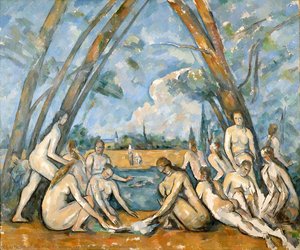
Trees and houses

- 54.0 x 73.0 cm


 Weiterlesen
Giclée / Kunstdruck
Giclée- oder Leinwanddruck in Museumsqualität mit schneller Produktion und flexiblen Veredelungsoptionen. ( Handgemalte Reproduktion bestellen Zum digitalen Bild wechseln)




P118B €10

P118H €10

P118W €10

P438Z €10

P508JH €12

P508YH €12

P805H €10

P805Z €10

P919BZ €10

P919G €10

P919XJ €10

P959ZH €10

P968JZ €12

W106C €8

W218G €10

W218JH €8

W218Y €10

W307PJ €10

W316G €10

W316PJ €8

W316Y €10

W398PJ €8

W4111J €10

W500HY €15

W500JH €15

W692G €12

W849H €8

W940BG €15

W953PJ €8




Wählen Sie aus unseren vordefinierten Formaten, die den ursprünglichen Proportionen des Kunstwerks entsprechen.

Geben Sie die benötigte Breite und Höhe an, damit der Druck perfekt in Ihren Rahmen oder an Ihre Wand passt. Ein Druck kann nur beschnitten, aber niemals größer als das Originalbild angefertigt werden; daher verliert ein Format mit anderen Proportionen einen Teil des Bildes. Wir senden Ihnen ein digitales Mockup zur Freigabe, bevor wir den Druck ausführen. Das auf dieser Seite gezeigte Bild zeigt nicht den tatsächlichen Beschnitt – dies ist nur im Mockup ersichtlich.
Weltweiter Versand () innerhalb von 2 Wochen statt der üblichen 4/5 Wochen. (7 November)

Kostenloser weltweiter Expressversand

Hochwertige Leinenleinwand

Umfassender Versicherungsschutz beim Versand

Zollgebühren-Rückerstattungsgarantie

Garantie für exakte Farbtreue

100 Tage Rückgaberecht (nur bei Mängeln)

100% Geld-zurück-Garantie

Mengenrabatt verfügbar
 Die Glasoption ist nur für Größen unter 110 cm verfügbar.

Trees and houses
Giclée / Kunstdruck
Format der Reproduktion
-


Endpreis
€ 72
Trees and Houses: A Symphony of Rural Tranquility
Paul Cézanne’s “Trees and Houses,” completed in 1886, transcends mere depiction; it embodies the very essence of Post-Impressionist philosophy—a deliberate rejection of fleeting optical impressions in favor of capturing underlying structure and emotion. This painting isn't simply a landscape; it’s an exploration of perception itself, reflecting Cézanne’s profound conviction that art should strive to represent not what we see but how we *feel* about what we see.Composition and Technique: Embracing Geometric Harmony
The artwork’s masterful composition immediately draws the eye inward. Cézanne eschews traditional perspective, opting instead for a flattened space where planes intersect and overlap—a technique characteristic of his groundbreaking approach to painting. Several trees dominate the scene, their branches reaching upwards with assertive curves that create a palpable sense of depth despite the absence of linear recession. These branches aren’t merely decorative; they are meticulously rendered to convey solidity and resistance, mirroring Cézanne's fascination with geological forms. Behind these monumental trees stand two houses—one positioned on the left side of the canvas and another slightly further to its center—creating a harmonious juxtaposition between organic and constructed elements. Cézanne achieves this balance through careful layering of paint, applying thin glazes over thicker impasto strokes to build up texture and luminosity. The resulting surface is rich with visual information, inviting contemplation and stimulating the imagination.Historical Context: Bridging Impressionism and Cubism
“Trees and Houses” stands as a pivotal moment in Cézanne’s artistic evolution—a decisive step away from Impressionistic idealism toward the more assertive geometric explorations that would foreshadow Cubism. Cézanne was reacting against the limitations of Impressionism's preoccupation with capturing atmospheric effects, arguing instead for a more fundamental understanding of visual reality. He sought to distill nature into its essential forms, prioritizing structure and solidity over fleeting color variations. This approach aligns perfectly with the burgeoning intellectual currents of the time—particularly Nietzsche’s philosophy of perspectivism—which questioned accepted notions of truth and championed subjective experience as paramount. The painting's placement in the Musée de l'Orangerie underscores its significance within the broader canon of Impressionist and Post-Impressionist art, alongside masterpieces by Monet and Matisse.Symbolism: Capturing the Spirit of Provence
Beyond its formal innovations, “Trees and Houses” resonates with deeper symbolic meanings rooted in Cézanne’s Provençal homeland. The trees represent resilience and permanence—symbols of enduring life against the backdrop of human endeavor. The houses symbolize domesticity and stability, yet they are rendered as simplified geometric shapes, subtly undermining their conventional associations. Cézanne's deliberate use of color—primarily yellows and greens—evokes the vibrancy of the Mediterranean landscape and imbues the scene with a feeling of tranquil serenity. It’s a visual meditation on the relationship between humanity and nature, suggesting that true beauty lies in recognizing the underlying order and harmony of both realms.Legacy: An Influence That Endures
“Trees and Houses” cemented Cézanne's reputation as an innovator who fundamentally reshaped the trajectory of modern art. His pioneering techniques—particularly his use of impasto and planar geometry—inspired generations of artists, including Picasso and Matisse, who would subsequently develop Cubism and other radical stylistic developments. More broadly, Cézanne’s insistence on capturing inner feeling alongside outward appearance continues to resonate with contemporary artists and viewers alike, reminding us that art's true power resides in its ability to communicate profound truths about the human condition.Fragen & Antworten
Wie viele Personen sehen "Trees and houses"?
Die Seite Besucherzahlen von "Trees and houses" von Paul Cézanne präsentiert öffentliche Besucherstatistiken: die monatlichen Aufrufe dieses Kunstwerks, einen Vergleich mit den meistbesuchten Werken des Künstlers sowie die Herkunft der Besucher.
Welchen kunsthistorischen Stellenwert nimmt "Trees and houses" von Paul Cézanne ein?
Historisch gesehen ist „Trees and houses“ ein Werk der Post-Impressionism-Strömung aus der umfassenderen Ära der Moderne.
Wann wurde "Trees and houses" geschaffen?
"Trees and houses" von Paul Cézanne entstand im Jahr 1886.
Künstlerbiografie
frühes Leben und Einflüsse
Paul Cézanne, ein französischer Post-Impressionist-Maler, wurde am 19. Januar 1839 in Aix-en-Provence, Frankreich, geboren. Sein frühes Leben war geprägt von einer starken Verbindung zu seiner Familie’s Bankgeschäft, das ihm finanzielle Sicherheit verschaffte. Dies ermöglichte es ihm, sich ohne finanziellen Druck auf seine künstlerischen Bestrebungen zu konzentrieren. Les Nabis, Neo-Impressionismus und Symbolismus beeinflussten Cézannes frühe Arbeit, die sich durch seinen Schwerpunkt auf geometrische Formen und eine reduzierte Farbpalette auszeichnete. Sein Interesse an den Werken von Paul Gauguin und Georges Seurat festigte seinen Post-Impressionismusstil.Künstlerischer Stil und Techniken
Cézannes innovative Verwendung von Farbflächen und kleinen, sich wiederholenden Pinselstrichen schuf komplexe Felder, die seine intensive Beschäftigung mit den Motiven widerspiegelten. Sein oft explorativer Ansatz in der Kunst führte zur Entwicklung einer neuen bildlichen Sprache, die die zugrunde liegende Struktur von Objekten in einer Komposition betonte.- Schlüsselmerkmale:
- Geometrische Formen und Facetten
- Reduzierte Farbpalette
- Betonung der konstruktiven Essenz der physischen Welt
- Mehrere Perspektiven und Simultaneität
- Einflussreiche Werke:
- The Pond at Jas de Bouffan (1880)
- Portrait of Emile Zola (1866)
- Wald (1892)
- Museen mit Cézannes Werken:
- Musée Marmottan Monet in Paris, Frankreich
- The Museum of Fine Arts in Houston, Vereinigte Staaten
Vermächtnis und Einfluss
Cézannes bahnbrechende Arbeit im Post-Impressionismus ebnete den Weg für verschiedene Avantgarde-Bewegungen, darunter Kubismus, Fauvismus und Surrealismus. Sein Einfluss ist in den Werken von Pablo Picasso, Henri Matisse und Georges Braque zu sehen. Cézannes Vermächtnis inspiriert weiterhin Künstler und Kunstinteressierte gleichermaßen und festigt seinen Platz als eine zentrale Figur in der Geschichte der modernen Kunst.- Verwandte Kunstbewegungen:
- Betrachten Sie Cézannes Werke:
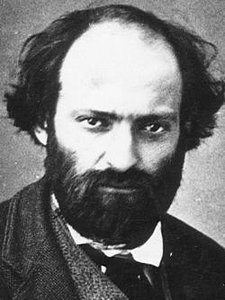
Paul Cézanne
1839 - 1906 , Frankreich
Kurzinfos
- Beeinflusste Künstler:
- Paul Gauguin
- Georges Seurat
- Bemerkenswerte Werke:
- Der Teich in Jas de Bouffan
- Porträt von Émile Zola
- Wald
- Mont Sainte-Victoire
- Geburtsdatum: 19. Januar 1839
- Geburtsort: Aix-en-Provence, Frankreich
- Künstlerische Bewegung: Postimpressionismus
- Nationalität: Französisch
- Sterbedatum: 1906
- Vollständiger Name: Paul Cézanne
- Von Ihm Beeinflusste Künstler:
- Pablo Picasso
- Henri Matisse
- Georges Braque
Ähnliche Artikel

Impressionismus Meisterwerke: Die Top 10 Kunstwerke für Ihr Zuhause | OriginalUniqueArt
Entdecken Sie die Top 10 Meisterwerke des Impressionismus! Von Monet bis Renoir – erfahren Sie die Geschichten hinter berühmten Gemälden, Techniken & Farben. Hochwertige Kunstdrucke auf OriginalUniqueArt.com.

Impressionistische Landschaften: Die 10 Meisterwerke, die eine Epoche prägten | OriginalUniqueArt
Entdecken Sie die 10 Meisterwerke des Impressionismus! Von Monet bis Renoir – erleben Sie die Geschichte, Technik und zeitlose Schönheit ikonischer Landschaftsbilder. Hochwertige Kunstdrucke auf OriginalUniqueArt.com. Jetzt entdecken!

Die 25 besten Kunstwerke von John Constable: Meisterwerke der englischen Landschaft
Entdecken Sie die 25 besten Werke von John Constable. Erleben Sie englische Romantik auf OriginalUniqueArt.com. Jetzt Meisterwerke online entdecken!

Die 25 besten Gemälde von Paul Cézanne: Meisterwerke der Form
Entdecken Sie die 25 Meisterwerke von Paul Cézanne und den Postimpressionismus. Alle Klassiker auf OriginalUniqueArt.com online erleben.
Jenseits des Impressionismus: Die emotionale Tiefe der postimpressionistischen Malerei
Entdecken Sie die emotionale Tiefe des Postimpressionismus! Analysieren Sie Cézanne, van Gogh, Gauguin & Seurat. Expertenwissen über Kunstgeschichte und Einfluss auf die Moderne.