In echtem Maßstab anzeigen
 Versenden als Grußkarte
 Teilen
 Details anzeigen
 Leitfaden öffnen

 Herunterladen
 Ähnliche Objekte
 Röntgenaufnahme
 Diashow
 Besucherstatistiken
Stillleben, Tulpen und Äpfel
 Öl auf Leinwand
- Wandkunst
- Postimpressionismus
 1894
1894- 19. Jahrhundert
 58.0 x 42.0 cm
 Mehr anzeigen
Giclée / Kunstdruck
Giclée- oder Leinwanddruck in Museumsqualität mit schneller Produktion und flexiblen Veredelungsoptionen. ( Handgemalte Reproduktion kaufen Zum digitalen Bild wechseln)




P118B $10

P118H $10

P118W $10

P438Z $10

P508JH $12

P508YH $12

P805H $10

P805Z $10

P919BZ $10

P919G $10

P919XJ $10

P959ZH $10

P968JZ $12

W106C $8

W218G $10

W218JH $8

W218Y $10

W307PJ $10

W316G $10

W316PJ $8

W316Y $10

W398PJ $8

W4111J $10

W500HY $15

W500JH $15

W692G $12

W849H $8

W940BG $15

W953PJ $8




Wählen Sie aus unseren vordefinierten Formaten, die den ursprünglichen Proportionen des Kunstwerks entsprechen.

Sie können Ihre eigenen Maße eingeben, um ein bestimmtes Format oder einen speziellen Platz einzupassen. Wenn das von Ihnen gewählte Format nicht den Proportionen des Originalbildes entspricht, werden wir das Kunstwerk entweder beschneiden oder das Bild mit einem gespiegelten oder einfarbigen Rand erweitern. Ein digitaler Entwurf wird Ihnen zur Genehmigung zugesandt, bevor die Produktion beginnt.
Bitte beachten Sie, dass die Vorschau auf dem Bildschirm nicht den tatsächlichen Zuschnitt oder die Erweiterung widerspiegelt. Nur der Entwurf zeigt die endgültige Komposition präzise an.
Obwohl Sondermaße verfügbar sind, empfehlen wir die Auswahl eines Maßes aus der vordefinierten Liste, um die ursprünglichen Proportionen zu bewahren.
Weltweiter Versand () innerhalb von 2 Wochen statt der üblichen 4/5 Wochen. (26 September)

Kostenloser weltweiter Expressversand

Hochwertige Leinenleinwand

Vollständiger Versicherungsschutz beim Versand

Zollgebühren-Rückerstattungsgarantie

Garantie für exakte Farbtreue

100-tägiges Rückgaberecht (nur bei Mängeln)

100% Geld-zurück-Garantie

Angebot für Mengenrabatt
 Die Glasoption ist nur für Größen unter 110 cm verfügbar.

Stillleben, Tulpen und Äpfel
Giclée / Kunstdruck
Format der Reproduktion
-


Gesamtpreis
$ 80
A Symphony of Form and Color: Exploring Cézanne’s *Still Life, Tulips and Apples*
Paul Cézanne's 1894 *Still Life, Tulips and Apples* is more than a depiction of everyday objects; it’s a pivotal work demonstrating his revolutionary approach to painting and a cornerstone of Post-Impressionism. Measuring 58 x 42 cm, this oil on canvas embodies Cézanne's dedication to analyzing the fundamental shapes underlying reality and translating them onto the two-dimensional plane. The arrangement – a vase brimming with vibrant tulips alongside carefully placed apples and an orange – appears simple at first glance, yet it reveals layers of complexity upon closer inspection.Deconstructing Reality: Style and Technique
Cézanne deliberately moved away from merely *representing* objects to constructing them through color and form. Notice how he builds the composition using geometric volumes—the cylindrical vase, the spherical fruit, and the planes defining the tabletop. His brushstrokes are visible, deliberate, and often juxtapose contrasting colors, creating a dynamic surface texture. This technique isn’t about blending for seamless realism; it's about capturing the *sensations* of light and space. He employs a limited but impactful palette, emphasizing reds, yellows, greens, and browns to create depth and visual interest. The slightly flattened perspective further emphasizes this construction of form over illusionistic depth – a key characteristic of his style. Cézanne’s method was radically different from that of Impressionists who sought to capture fleeting impressions of light; instead, he aimed for something more substantial, enduring—a structural understanding of the world around him. This pursuit directly paved the way for subsequent movements like Proto-Cubism and Fauvism. Artists such as Henri Matisse would later acknowledge Cézanne’s profound impact on their own work, recognizing him as “the father of us all.”A Legacy Forged in Stillness: Historical Context & Influence
Created during a period of significant artistic transition, *Still Life, Tulips and Apples* reflects Cézanne’s ongoing exploration of perception and representation. He was deeply influenced by the Impressionists' focus on light and color but sought to go beyond their fleeting impressions. Cézanne rejected academic conventions and embraced an experimental approach that challenged established norms of artistic expression. His work signaled a decisive break from traditional painting, marking the beginning of a new era in art history. Contemporaries like Vincent van Gogh and Georges Seurat were similarly experimenting with bold colors and expressive brushstrokes—a collective effort to redefine visual experience. Cézanne’s influence extended far beyond his immediate peers, inspiring generations of artists who would come after him and shaping the trajectory of modern art.Beyond the Surface: Symbolism & Emotional Resonance
While seemingly straightforward – a floral arrangement – still life paintings have historically carried symbolic weight. Flowers, particularly tulips, often represent beauty, love, or even transience. Fruit can symbolize abundance and temptation, while also alluding to mortality (a theme explored in *vanitas* traditions). However, Cézanne’s symbolism is less about explicit meaning and more about the inherent qualities of the objects themselves – their form, color, and texture. The painting evokes a sense of quiet contemplation and appreciation for nature’s beauty. It's not a dramatic scene but rather an intimate observation, inviting the viewer to slow down and truly *see*. Cézanne’s intention wasn’t merely to depict what he observed; he sought to convey his emotional response to the subject matter—a profound connection with the natural world and a desire to capture its essence.Bringing Cézanne Home: Reproductions & Lasting Impact
OriginalUniqueArt.com offers meticulously crafted, handmade oil painting reproductions of *Still Life, Tulips and Apples*, allowing you to experience the power of Cézanne’s vision in your own space. These reproductions capture not only the visual elements but also the texture and depth of the original masterpiece.- A timeless addition to any collection: This painting is a testament to Cézanne's genius and continues to inspire artists and art lovers today.
- Perfect for interior design: The harmonious color palette and balanced composition make it suitable for various settings, from modern lofts to classic homes.
- A conversation starter: Its historical significance and artistic innovation guarantee engaging discussions.
A Revolutionary Vision: The Life and Art of Paul Cézanne
Paul Cézanne, born in Aix-en-Provence in 1839, stands as a monumental figure bridging the gap between the fleeting impressions of Impressionism and the fragmented forms of Cubism. His journey was not one of immediate acclaim; rather, it was a slow burn of artistic exploration, marked by periods of self-doubt and critical dismissal, ultimately culminating in a legacy that would irrevocably alter the course of modern art. Born to a prosperous family – his father initially a hatmaker who later became a banker – Cézanne enjoyed a financial security unusual for aspiring artists, allowing him the freedom to dedicate himself to his passion without the immediate pressures of commercial success. Though initially steered towards a legal career by his father’s ambitions, the pull of artistic expression proved too strong, and he eventually abandoned law to pursue painting, a decision that wouBiografie des Künstlers
frühes Leben und Einflüsse
Paul Cézanne, ein französischer Post-Impressionist-Maler, wurde am 19. Januar 1839 in Aix-en-Provence, Frankreich, geboren. Sein frühes Leben war geprägt von einer starken Verbindung zu seiner Familie’s Bankgeschäft, das ihm finanzielle Sicherheit verschaffte. Dies ermöglichte es ihm, sich ohne finanziellen Druck auf seine künstlerischen Bestrebungen zu konzentrieren. Les Nabis, Neo-Impressionismus und Symbolismus beeinflussten Cézannes frühe Arbeit, die sich durch seinen Schwerpunkt auf geometrische Formen und eine reduzierte Farbpalette auszeichnete. Sein Interesse an den Werken von Paul Gauguin und Georges Seurat festigte seinen Post-Impressionismusstil.Künstlerischer Stil und Techniken
Cézannes innovative Verwendung von Farbflächen und kleinen, sich wiederholenden Pinselstrichen schuf komplexe Felder, die seine intensive Beschäftigung mit den Motiven widerspiegelten. Sein oft explorativer Ansatz in der Kunst führte zur Entwicklung einer neuen bildlichen Sprache, die die zugrunde liegende Struktur von Objekten in einer Komposition betonte.- Schlüsselmerkmale:
- Geometrische Formen und Facetten
- Reduzierte Farbpalette
- Betonung der konstruktiven Essenz der physischen Welt
- Mehrere Perspektiven und Simultaneität
- Einflussreiche Werke:
- The Pond at Jas de Bouffan (1880)
- Portrait of Emile Zola (1866)
- Wald (1892)
- Museen mit Cézannes Werken:
- Musée Marmottan Monet in Paris, Frankreich
- The Museum of Fine Arts in Houston, Vereinigte Staaten
Vermächtnis und Einfluss
Cézannes bahnbrechende Arbeit im Post-Impressionismus ebnete den Weg für verschiedene Avantgarde-Bewegungen, darunter Kubismus, Fauvismus und Surrealismus. Sein Einfluss ist in den Werken von Pablo Picasso, Henri Matisse und Georges Braque zu sehen. Cézannes Vermächtnis inspiriert weiterhin Künstler und Kunstinteressierte gleichermaßen und festigt seinen Platz als eine zentrale Figur in der Geschichte der modernen Kunst.- Verwandte Kunstbewegungen:
- Betrachten Sie Cézannes Werke:
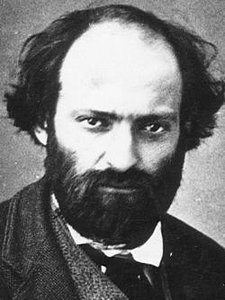
Paul Cézanne
1839 - 1906 , Frankreich
Eckdaten zum Künstler
- Beeinflusste Künstler:
- Paul Gauguin
- Georges Seurat
- Bemerkenswerte Werke:
- Der Teich in Jas de Bouffan
- Porträt von Émile Zola
- Wald
- Mont Sainte-Victoire
- Geburtsdatum: 19. Januar 1839
- Geburtsort: Aix-en-Provence, Frankreich
- Künstlerische Bewegung: Postimpressionismus
- Nationalität: Französisch
- Sterbedatum: 1906
- Vollständiger Name: Paul Cézanne
- Von Ihm Beeinflusste Künstler:
- Pablo Picasso
- Henri Matisse
- Georges Braque
Verwandte Artikel

Jenseits des Impressionismus: Die emotionale Tiefe der postimpressionistischen Malerei
Entdecken Sie die emotionale Tiefe des Postimpressionismus! Analysieren Sie Cézanne, van Gogh, Gauguin & Seurat. Expertenwissen über Kunstgeschichte und Einfluss auf die Moderne.
Paul Klee: Die 25 Meisterwerke des Abstrakten – Kunst für Ihr Zuhause | OriginalUniqueArt
Entdecken Sie die 25 Meisterwerke von Paul Klee! Tauchen Sie ein in seine abstrakte Welt, voller Expressionismus und Bauhaus-Einflüsse. Hochwertige Kunst für Ihr Zuhause – jetzt bei OriginalUniqueArt entdecken!

Impressionismus Meisterwerke: Die Top 10 Kunstwerke für Ihr Zuhause | OriginalUniqueArt
Entdecken Sie die Top 10 Meisterwerke des Impressionismus! Von Monet bis Renoir – erfahren Sie die Geschichten hinter berühmten Gemälden, Techniken & Farben. Hochwertige Kunstdrucke auf OriginalUniqueArt.com.
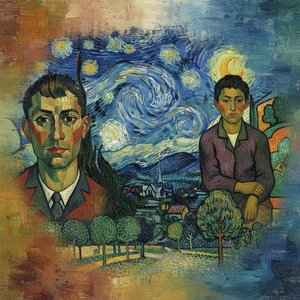
Beyond Impressionism: Exploring Emotional Depth & Formal Innovation in Post-Impressionist Art
Explore the profound emotional depth & formal innovations of Post-Impressionism with our expert guide. Discover Cézanne, Van Gogh, Gauguin & more. Learn about art history, collecting, and investing in this pivotal movement.

Paul Cézanne: Die 25 Meisterwerke des Impressionismus | OriginalUniqueArt
Entdecken Sie die 25 Meisterwerke von Paul Cézanne! Tauchen Sie ein in die Welt des Impressionismus und Postimpressionismus. Erfahren Sie mehr über seine Stillleben, Landschaften & berühmten Gemälde – jetzt hochwertige Kunstdrucke auf OriginalUniqueArt.com.