 Vorschau anzeigen
 Versenden
 Teilen
 Details anzeigen

 Herunterladen
 Ähnliche Objekte
 Röntgenaufnahme
 Diashow
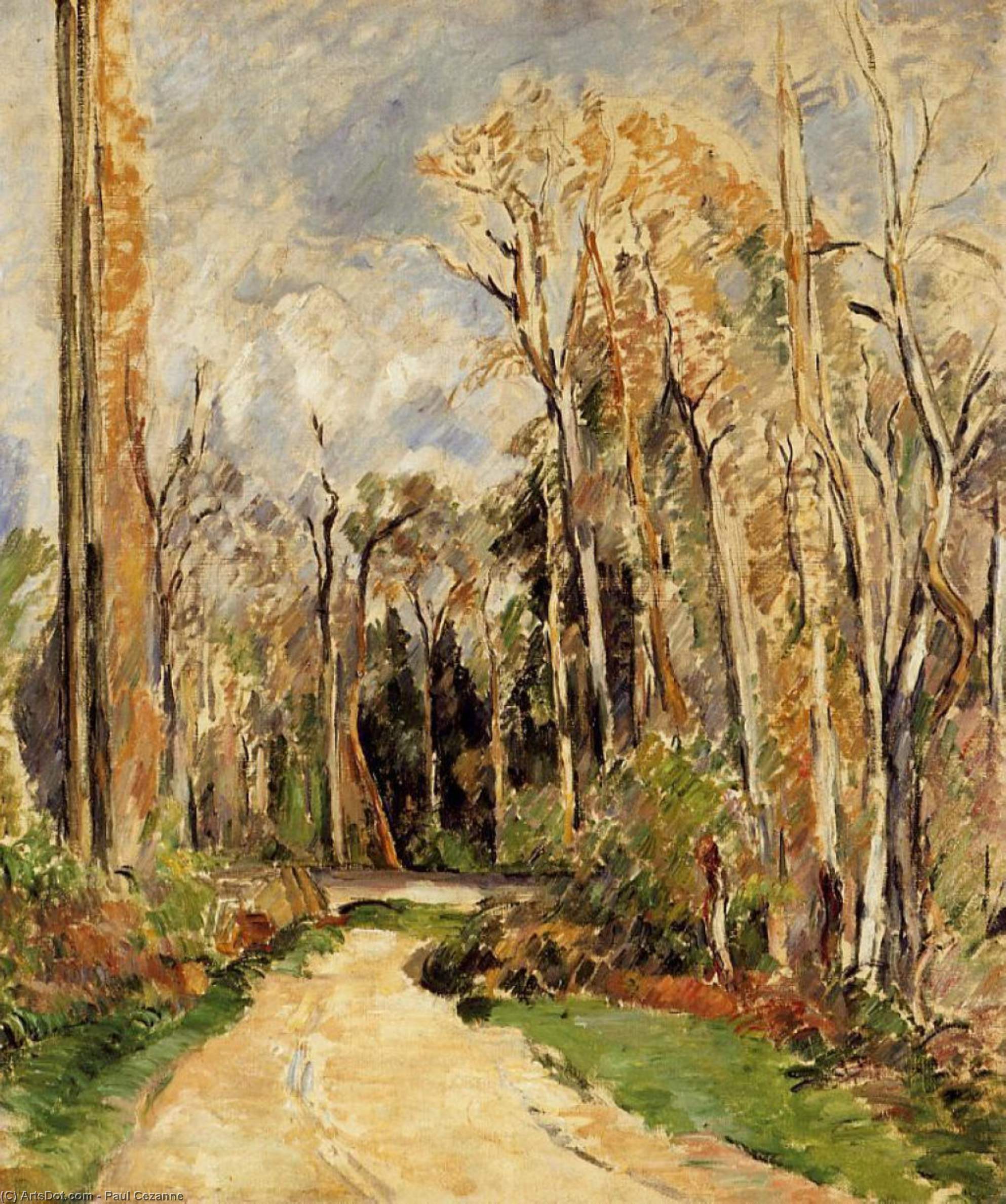
Pfad zum Wald-Eingang


 Weiterlesen
Handgefertigte Ölreproduktion
Handgemaltes Ölgemälde auf Leinwand in Ihrer Wunschgröße und mit Rahmen, auf Bestellung von unseren Künstlern angefertigt. ( Druck kaufen Bild kaufen)




P118B $10

P118H $10

P118W $10

P438Z $10

P508JH $12

P508YH $12

P805H $10

P805Z $10

P919BZ $10

P919G $10

P919XJ $10

P959ZH $10

P968JZ $12

W106C $8

W218G $10

W218JH $8

W218Y $10

W307PJ $10

W316G $10

W316PJ $8

W316Y $10

W398PJ $8

W4111J $10

W500HY $15

W500JH $15

W692G $12

W849H $8

W940BG $15

W953PJ $8




Wählen Sie aus unseren vordefinierten Formaten, die den ursprünglichen Proportionen des Kunstwerks entsprechen.

Sie können Ihre eigenen Maße eingeben, um einen bestimmten Rahmen oder Platz auszufüllen. Wenn die gewählte Größe nicht den Proportionen des Originalbildes entspricht, werden wir das Kunstwerk entweder beschneiden oder das Gemälde durch zusätzliche, handgemalte Elemente erweitern. Ein digitales Mockup wird Ihnen zur Genehmigung zugesandt, bevor die Produktion beginnt.
Bitte beachten Sie, dass die Bildschirmvorschau nicht die tatsächliche Beschneidung oder Erweiterung widerspiegelt. Nur das Mockup zeigt die endgültige Komposition exakt an.
Obwohl Sondermaße verfügbar sind, empfehlen wir, eine Größe aus der vordefinierten Liste zu wählen, um die ursprünglichen Proportionen beizubehalten.
Nach der Bestellung wird das OriginalUniqueArt.com-Team dem Kunden Anweisungen per E-Mail zusenden und eine Mockup-Vorschau bereitstellen.
Weltweiter Versand () in nur 3 bis 4 Wochen statt der üblichen 5 Wochen. (13 August). Keine Kompromisse bei der Qualität.

Kostenloser weltweiter Expressversand

Hochwertige Leinenleinwand

Umfassender Versicherungsschutz beim Versand

Zollgebühren-Rückerstattungsgarantie

Garantie für exakte Farbtreue

60 Tage Rückgaberecht (nur bei Mängeln)

100% Geld-zurück-Garantie

Mengenrabatt verfügbar
 Die Glasoption ist nur für Größen unter 110 cm verfügbar.

Pfad zum Wald-Eingang
Art der Reproduktion
Format der Reproduktion
-


Gesamtpreis
$ 300
Beschreibung des Kunstwerks
Paul Cézanne’s ‘Path at the Entrance to the Forest’: A Journey into Light and Form
Paul Cézanne's 'Path at the Entrance to the Forest,' painted in 1879, isn’t merely a depiction of a woodland scene; it’s a profound exploration of perception itself. This work, housed within the Smith College Museum of Art in Northampton, Massachusetts, represents a pivotal moment in art history – a bridge between the fleeting impressions of Impressionism and the nascent geometric investigations that would define Cubism. Cézanne wasn't interested in capturing a photographically accurate representation of nature; instead, he sought to distill its essence, to render the underlying structure and spatial relationships visible on canvas.
The painting immediately draws the viewer into a world of dappled light and atmospheric depth. The path itself, rendered with confident, yet subtly textured brushstrokes, isn’t simply a dirt track; it's an active element, leading the eye relentlessly forward into the shadowed depths of the forest. Cézanne masterfully employs color to create this illusion of space – the greens and browns are not blended smoothly but layered with distinct strokes, suggesting planes and volumes that exist independently of one another. The two figures glimpsed within the scene—likely Cézanne’s family—add a crucial element of scale, anchoring the vastness of the forest and inviting us to contemplate our own place within it. They aren't presented as realistic portraits but rather as points of reference, emphasizing the painting’s focus on form and structure.
The Post-Impressionist Revolution: Cézanne’s Bold Experimentation
Cézanne’s work emerged during a period of intense artistic ferment. He was deeply influenced by his contemporaries, particularly Claude Monet, whose Impressionistic techniques—the capturing of fleeting moments and the use of broken color—provided a foundation for Cézanne's own explorations. However, unlike Monet, who sought to represent the *impression* of light and color, Cézanne aimed to depict the *underlying structure* of objects. This is evident in his deliberate flattening of perspective, where foreground elements appear larger and more detailed than those receding into the distance – a technique that deliberately challenged traditional academic conventions.
The painting’s style exemplifies the core tenets of Post-Impressionism. Cézanne's use of bold, expressive brushstrokes—thick and visible on the canvas—is a hallmark of this movement. He wasn’t interested in creating a seamless surface; rather, he embraced the materiality of paint itself, allowing it to contribute to the overall composition. This tactile quality invites us to engage with the painting on a more visceral level.
Symbolism and Emotional Resonance
Beyond its formal qualities, ‘Path at the Entrance to the Forest’ resonates with a profound sense of tranquility and introspection. The forest itself is often interpreted as a metaphor for the unconscious mind – a place of mystery, potential, and transformation. The path represents a journey, both literal and metaphorical, inviting us to explore our own inner landscapes. The two figures suggest a connection between humanity and nature, hinting at a longing for simplicity and escape from the complexities of modern life.
Cézanne’s deliberate use of color—the rich greens, browns, and blues—evokes a feeling of stillness and contemplation. The light filtering through the trees creates an atmosphere of diffused radiance, suggesting a timelessness that transcends the specific moment in time depicted. It's a scene designed to evoke not just sight but also emotion – a quiet invitation to pause, reflect, and connect with the natural world.
A Legacy of Innovation
Cézanne’s influence on 20th-century art is undeniable. His groundbreaking approach to form and perspective paved the way for Cubism, as exemplified by Picasso and Braque. His emphasis on structure and geometry laid the groundwork for abstract art, demonstrating that a painting could be more than just a representation of reality; it could be an exploration of fundamental visual principles. Today, ‘Path at the Entrance to the Forest’ remains a powerful testament to Cézanne's genius – a timeless masterpiece that continues to inspire artists and captivate viewers with its beauty and depth.
Über den Künstler
frühes Leben und Einflüsse
Paul Cézanne, ein französischer Post-Impressionist-Maler, wurde am 19. Januar 1839 in Aix-en-Provence, Frankreich, geboren. Sein frühes Leben war geprägt von einer starken Verbindung zu seiner Familie’s Bankgeschäft, das ihm finanzielle Sicherheit verschaffte. Dies ermöglichte es ihm, sich ohne finanziellen Druck auf seine künstlerischen Bestrebungen zu konzentrieren. Les Nabis, Neo-Impressionismus und Symbolismus beeinflussten Cézannes frühe Arbeit, die sich durch seinen Schwerpunkt auf geometrische Formen und eine reduzierte Farbpalette auszeichnete. Sein Interesse an den Werken von Paul Gauguin und Georges Seurat festigte seinen Post-Impressionismusstil.Künstlerischer Stil und Techniken
Cézannes innovative Verwendung von Farbflächen und kleinen, sich wiederholenden Pinselstrichen schuf komplexe Felder, die seine intensive Beschäftigung mit den Motiven widerspiegelten. Sein oft explorativer Ansatz in der Kunst führte zur Entwicklung einer neuen bildlichen Sprache, die die zugrunde liegende Struktur von Objekten in einer Komposition betonte.- Schlüsselmerkmale:
- Geometrische Formen und Facetten
- Reduzierte Farbpalette
- Betonung der konstruktiven Essenz der physischen Welt
- Mehrere Perspektiven und Simultaneität
- Einflussreiche Werke:
- The Pond at Jas de Bouffan (1880)
- Portrait of Emile Zola (1866)
- Wald (1892)
- Museen mit Cézannes Werken:
- Musée Marmottan Monet in Paris, Frankreich
- The Museum of Fine Arts in Houston, Vereinigte Staaten
Vermächtnis und Einfluss
Cézannes bahnbrechende Arbeit im Post-Impressionismus ebnete den Weg für verschiedene Avantgarde-Bewegungen, darunter Kubismus, Fauvismus und Surrealismus. Sein Einfluss ist in den Werken von Pablo Picasso, Henri Matisse und Georges Braque zu sehen. Cézannes Vermächtnis inspiriert weiterhin Künstler und Kunstinteressierte gleichermaßen und festigt seinen Platz als eine zentrale Figur in der Geschichte der modernen Kunst.- Verwandte Kunstbewegungen:
- Betrachten Sie Cézannes Werke:
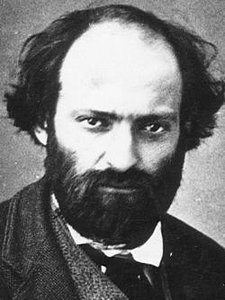
Paul Cézanne
1839 - 1906 , Frankreich
Kurzinfos
- Beeinflusste Künstler:
- Paul Gauguin
- Georges Seurat
- Bemerkenswerte Werke:
- Der Teich in Jas de Bouffan
- Porträt von Émile Zola
- Wald
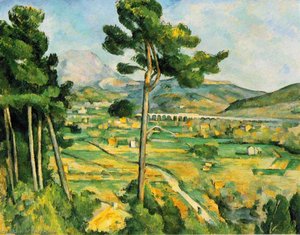
- Mont Sainte-Victoire
- Geburtsdatum: 19. Januar 1839
- Geburtsort: Aix-en-Provence, Frankreich
- Künstlerische Bewegung: Postimpressionismus
- Nationalität: Französisch
- Sterbedatum: 1906
- Vollständiger Name: Paul Cézanne
- Von Ihm Beeinflusste Künstler:
- Pablo Picasso
- Henri Matisse
- Georges Braque
Ähnliche Artikel

Paul Cézanne: Die 25 Meisterwerke des Impressionismus | OriginalUniqueArt
Entdecken Sie die 25 Meisterwerke von Paul Cézanne! Tauchen Sie ein in die Welt des Impressionismus und Postimpressionismus. Erfahren Sie mehr über seine Stillleben, Landschaften & berühmten Gemälde – jetzt hochwertige Kunstdrucke auf OriginalUniqueArt.com.
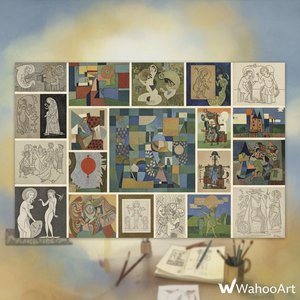
Paul Klee: Die 25 Meisterwerke des Abstrakten – Kunst für Ihr Zuhause | OriginalUniqueArt
Entdecken Sie die 25 Meisterwerke von Paul Klee! Tauchen Sie ein in seine abstrakte Welt, voller Expressionismus und Bauhaus-Einflüsse. Hochwertige Kunst für Ihr Zuhause – jetzt bei OriginalUniqueArt entdecken!

Impressionistische Landschaften: Die 10 Meisterwerke, die eine Epoche prägten | OriginalUniqueArt
Entdecken Sie die 10 Meisterwerke des Impressionismus! Von Monet bis Renoir – erleben Sie die Geschichte, Technik und zeitlose Schönheit ikonischer Landschaftsbilder. Hochwertige Kunstdrucke auf OriginalUniqueArt.com. Jetzt entdecken!
Die schönsten Landschaftsbilder: 10 Meisterwerke für Ihr Zuhause | OriginalUniqueArt.com
Entdecken Sie die 10 schönsten Landschaftsbilder der Kunstgeschichte! Von Monet bis Van Gogh – erfahren Sie die Geschichten hinter Meisterwerken & finden Sie Inspiration für Ihr Zuhause. Hochwertige Kunstdrucke auf OriginalUniqueArt.com.

Impressionismus Meisterwerke: Die Top 10 Kunstwerke für Ihr Zuhause | OriginalUniqueArt
Entdecken Sie die Top 10 Meisterwerke des Impressionismus! Von Monet bis Renoir – erfahren Sie die Geschichten hinter berühmten Gemälden, Techniken & Farben. Hochwertige Kunstdrucke auf OriginalUniqueArt.com.