In echtem Maßstab anzeigen
 Versenden als Grußkarte
 Teilen
 Details anzeigen
 Leitfaden öffnen

 Herunterladen
 Ähnliche Objekte
 Röntgenaufnahme
 Diashow
 Besucherstatistiken
Die Häuser von L'Estaque


 Mehr anzeigen
Giclée / Kunstdruck
Giclée- oder Leinwanddruck in Museumsqualität mit schneller Produktion und flexiblen Veredelungsoptionen. ( Handgemalte Reproduktion kaufen Zum digitalen Bild wechseln)




P118B €10

P118H €10

P118W €10

P438Z €10

P508JH €12

P508YH €12

P805H €10

P805Z €10

P919BZ €10

P919G €10

P919XJ €10

P959ZH €10

P968JZ €12

W106C €8

W218G €10

W218JH €8

W218Y €10

W307PJ €10

W316G €10

W316PJ €8

W316Y €10

W398PJ €8

W4111J €10

W500HY €15

W500JH €15

W692G €12

W849H €8

W940BG €15

W953PJ €8




Wählen Sie aus unseren vordefinierten Formaten, die den ursprünglichen Proportionen des Kunstwerks entsprechen.

Sie können Ihre eigenen Maße eingeben, um ein bestimmtes Format oder einen speziellen Platz einzupassen. Wenn das von Ihnen gewählte Format nicht den Proportionen des Originalbildes entspricht, werden wir das Kunstwerk entweder beschneiden oder das Bild mit einem gespiegelten oder einfarbigen Rand erweitern. Ein digitaler Entwurf wird Ihnen zur Genehmigung zugesandt, bevor die Produktion beginnt.
Bitte beachten Sie, dass die Vorschau auf dem Bildschirm nicht den tatsächlichen Zuschnitt oder die Erweiterung widerspiegelt. Nur der Entwurf zeigt die endgültige Komposition präzise an.
Obwohl Sondermaße verfügbar sind, empfehlen wir die Auswahl eines Maßes aus der vordefinierten Liste, um die ursprünglichen Proportionen zu bewahren.
Weltweiter Versand () innerhalb von 2 Wochen statt der üblichen 4/5 Wochen. (10 Oktober)

Kostenloser weltweiter Expressversand

Hochwertige Leinenleinwand

Vollständiger Versicherungsschutz beim Versand

Zollgebühren-Rückerstattungsgarantie

Garantie für exakte Farbtreue

100-tägiges Rückgaberecht (nur bei Mängeln)

100% Geld-zurück-Garantie

Angebot für Mengenrabatt
 Die Glasoption ist nur für Größen unter 110 cm verfügbar.

Die Häuser von L'Estaque
Giclée / Kunstdruck
Format der Reproduktion
-


Gesamtpreis
€ 69
Houses at L'Estaque: A Pioneer of Modern Landscape
Paul Cézanne’s “Houses at L’Estaque,” completed in 1880, stands as an emblem of Post-Impressionism and a cornerstone in the artistic evolution toward Cubism. More than just a depiction of a Provençal hillside vista, it embodies Cézanne's revolutionary approach to representing reality—a method that profoundly influenced subsequent generations of artists and irrevocably altered the course of art history. This oil on canvas masterpiece invites contemplation and reveals layers of meaning beyond its serene surface.The painting captures a scene near L’Estaque, Cézanne’s beloved village overlooking Marseille Bay. Two buildings dominate the composition—one larger than the other—positioned against a backdrop of rugged mountains bathed in azure skies. Scattered trees punctuate the landscape, adding to the palpable sense of natural beauty and tranquility. However, Cézanne doesn't strive for photographic accuracy; instead, he employs bold planes of color and deliberate brushstrokes to construct an image that prioritizes structure and form over illusion.
Artistic Elements: Geometry and Color
Cézanne’s technique is characterized by a radical simplification of perspective—a departure from Impressionist conventions. He abandons traditional linear recession, opting for flattened planes of color that overlap and interlock to create an impression of depth. This approach anticipates the geometric principles of Cubism, where artists dissect objects into constituent parts and reconstruct them in fragmented forms. The artist’s masterful use of color—primarily blues, ochres, and greens—further enhances the painting's expressive power. Cézanne applies pigment thickly onto the canvas, building up textured surfaces that convey a palpable physicality.Proto-Cubism: Seeds of Revolution
“Houses at L’Estaque” is considered a pivotal work in Proto-Cubism, marking an important transitional phase between Impressionism and Cubism. Artists like Georges Braque and Pablo Picasso were deeply influenced by Cézanne's explorations of form and color—a shift away from optical realism toward a more conceptual representation of the world. Cézanne’s insistence on analyzing objects structurally paved the way for the groundbreaking innovations of Cubist painters who sought to depict multiple viewpoints simultaneously.Les Peintres Cubistes: Apollinaire's Vision
Guillaume Apollinaire’s book “Les Peintres Cubistes, Méditations Esthétiques,” published in 1913, offers invaluable insight into the aesthetic and intellectual currents surrounding Proto-Cubism. Apollinaire examines the artistic achievements of Braque, Picasso, Gris, Metzinger, Gleizes, Léger, Delaunay, and Cézanne himself—highlighting their shared commitment to challenging conventional artistic norms and embracing new visual languages.Conclusion: An Enduring Legacy
“Houses at L’Estaque” remains a testament to Paul Cézanne's transformative vision of art. Its understated beauty belies its profound significance as a precursor to Cubism—a movement that fundamentally reshaped the artistic landscape of the 20th century. By prioritizing form and structure over illusion, Cézanne liberated painting from the constraints of Impressionist observation and ushered in an era of geometric abstraction. This enduring masterpiece continues to inspire artists and captivate audiences alike, cementing Cézanne’s place as one of the most influential figures in modern art.Fragen & Antworten
Ist "Die Häuser von L'Estaque" typisch für das, was Paul Cézanne üblicherweise geschaffen hat?
Unter den dokumentierten Themen von Paul Cézanne – gauguin, seurat, romanticism, barbizon school, harmony, nature, structure, perspective – legt „Die Häuser von L'Estaque“ einen ganz eigenen Fokus auf landscape, provence, houses, mountains, color, geometric, composition, impressionism.
In welchem Jahr wurde "Die Häuser von L'Estaque" geschaffen?
"Die Häuser von L'Estaque" stammt aus dem Jahr 1880. Dieses Datum ordnet das Werk in die Schaffensperiode von Paul Cézanne sowie in dessen Epoche ein.
Welche Stimmung und welche Emotionen vereinen sich in "Die Häuser von L'Estaque"?
"Die Häuser von L'Estaque" von Paul Cézanne vermittelt ein Gelassen Gefühl innerhalb einer insgesamt Gelassen Stimmung.
Verwendet "Die Häuser von L'Estaque" von Paul Cézanne starke Kontraste oder sanfte Harmonien?
In "Die Häuser von L'Estaque" wird ein Gelassen Kontrast mit einer Discordant Palette Harmonie gepaart.
Wer hat "Die Häuser von L'Estaque" erschaffen?
"Die Häuser von L'Estaque" wurde von Paul Cézanne geschaffen. Die Informationen auf dieser Seite beschreiben das Originalwerk von Paul Cézanne.
Zeigt "Die Häuser von L'Estaque" starke Hell-Dunkel-Kontraste?
Der Hell-Dunkel-Kontrast von „Die Häuser von L'Estaque“ wird mit Gelassen angegeben. Der Kontrast beschreibt, wie stark sich helle und dunkle Bereiche voneinander unterscheiden.
Wie alt war Paul Cézanne, als „Die Häuser von L'Estaque“ im Jahr 1880 geschaffen wurde?
Paul Cézanne war 41 Jahre alt, als Die Häuser von L'Estaque im Jahr 1880 geschaffen wurde. Das Alter berechnet sich aus dem Geburtsjahr des Künstlers, 1839.
Biografie des Künstlers
frühes Leben und Einflüsse
Paul Cézanne, ein französischer Post-Impressionist-Maler, wurde am 19. Januar 1839 in Aix-en-Provence, Frankreich, geboren. Sein frühes Leben war geprägt von einer starken Verbindung zu seiner Familie’s Bankgeschäft, das ihm finanzielle Sicherheit verschaffte. Dies ermöglichte es ihm, sich ohne finanziellen Druck auf seine künstlerischen Bestrebungen zu konzentrieren. Les Nabis, Neo-Impressionismus und Symbolismus beeinflussten Cézannes frühe Arbeit, die sich durch seinen Schwerpunkt auf geometrische Formen und eine reduzierte Farbpalette auszeichnete. Sein Interesse an den Werken von Paul Gauguin und Georges Seurat festigte seinen Post-Impressionismusstil.Künstlerischer Stil und Techniken
Cézannes innovative Verwendung von Farbflächen und kleinen, sich wiederholenden Pinselstrichen schuf komplexe Felder, die seine intensive Beschäftigung mit den Motiven widerspiegelten. Sein oft explorativer Ansatz in der Kunst führte zur Entwicklung einer neuen bildlichen Sprache, die die zugrunde liegende Struktur von Objekten in einer Komposition betonte.- Schlüsselmerkmale:
- Geometrische Formen und Facetten
- Reduzierte Farbpalette
- Betonung der konstruktiven Essenz der physischen Welt
- Mehrere Perspektiven und Simultaneität
- Einflussreiche Werke:
- The Pond at Jas de Bouffan (1880)
- Portrait of Emile Zola (1866)
- Wald (1892)
- Museen mit Cézannes Werken:
- Musée Marmottan Monet in Paris, Frankreich
- The Museum of Fine Arts in Houston, Vereinigte Staaten
Vermächtnis und Einfluss
Cézannes bahnbrechende Arbeit im Post-Impressionismus ebnete den Weg für verschiedene Avantgarde-Bewegungen, darunter Kubismus, Fauvismus und Surrealismus. Sein Einfluss ist in den Werken von Pablo Picasso, Henri Matisse und Georges Braque zu sehen. Cézannes Vermächtnis inspiriert weiterhin Künstler und Kunstinteressierte gleichermaßen und festigt seinen Platz als eine zentrale Figur in der Geschichte der modernen Kunst.- Verwandte Kunstbewegungen:
- Betrachten Sie Cézannes Werke:
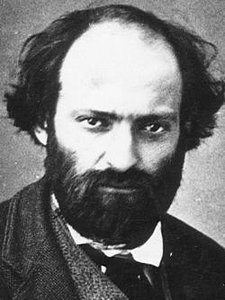
Paul Cézanne
1839 - 1906 , Frankreich
Eckdaten zum Künstler
- Beeinflusste Künstler:
- Paul Gauguin
- Georges Seurat
- Bemerkenswerte Werke:
- Der Teich in Jas de Bouffan
- Porträt von Émile Zola
- Wald
- Mont Sainte-Victoire
- Geburtsdatum: 19. Januar 1839
- Geburtsort: Aix-en-Provence, Frankreich
- Künstlerische Bewegung: Postimpressionismus
- Nationalität: Französisch
- Sterbedatum: 1906
- Vollständiger Name: Paul Cézanne
- Von Ihm Beeinflusste Künstler:
- Pablo Picasso
- Henri Matisse
- Georges Braque
Verwandte Artikel
Paul Klee: Die 25 Meisterwerke des Abstrakten – Kunst für Ihr Zuhause | OriginalUniqueArt
Entdecken Sie die 25 Meisterwerke von Paul Klee! Tauchen Sie ein in seine abstrakte Welt, voller Expressionismus und Bauhaus-Einflüsse. Hochwertige Kunst für Ihr Zuhause – jetzt bei OriginalUniqueArt entdecken!
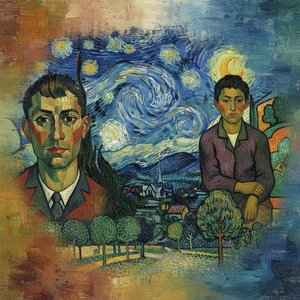
Beyond Impressionism: Exploring Emotional Depth & Formal Innovation in Post-Impressionist Art
Explore the profound emotional depth & formal innovations of Post-Impressionism with our expert guide. Discover Cézanne, Van Gogh, Gauguin & more. Learn about art history, collecting, and investing in this pivotal movement.

Jenseits des Impressionismus: Die emotionale Tiefe der postimpressionistischen Malerei
Entdecken Sie die emotionale Tiefe des Postimpressionismus! Analysieren Sie Cézanne, van Gogh, Gauguin & Seurat. Expertenwissen über Kunstgeschichte und Einfluss auf die Moderne.
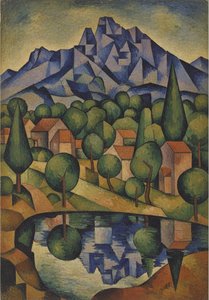
Mastering the Post-Impressionist Vision: A Definitive Guide to the Geometric Soul of Cézanne’s Artistry
Explore the profound legacy of Paul Cézanne. Discover how his mastery of geometric forms and vibrant color bridged Impressionism and Cubism, offering timeless inspiration for fine art collectors and enthusiasts seeking to understand the foundations of modern art.

Paul Cézanne: Die 25 Meisterwerke des Impressionismus | OriginalUniqueArt
Entdecken Sie die 25 Meisterwerke von Paul Cézanne! Tauchen Sie ein in die Welt des Impressionismus und Postimpressionismus. Erfahren Sie mehr über seine Stillleben, Landschaften & berühmten Gemälde – jetzt hochwertige Kunstdrucke auf OriginalUniqueArt.com.