In echtem Maßstab anzeigen
 Versenden als Grußkarte
 Teilen
 Details anzeigen
 Leitfaden öffnen

 Herunterladen
 Ähnliche Objekte
 Röntgenaufnahme
 Diashow
 Besucherstatistiken
Dahlien


 Mehr anzeigen
Giclée / Kunstdruck
Giclée- oder Leinwanddruck in Museumsqualität mit schneller Produktion und flexiblen Veredelungsoptionen. ( Handgemalte Reproduktion kaufen Zum digitalen Bild wechseln)




P118B €10

P118H €10

P118W €10

P438Z €10

P508JH €12

P508YH €12

P805H €10

P805Z €10

P919BZ €10

P919G €10

P919XJ €10

P959ZH €10

P968JZ €12

W106C €8

W218G €10

W218JH €8

W218Y €10

W307PJ €10

W316G €10

W316PJ €8

W316Y €10

W398PJ €8

W4111J €10

W500HY €15

W500JH €15

W692G €12

W849H €8

W940BG €15

W953PJ €8




Wählen Sie aus unseren vordefinierten Formaten, die den ursprünglichen Proportionen des Kunstwerks entsprechen.

Geben Sie die Breite und die Höhe an, die Sie benötigen, damit der Druck perfekt in Ihren Rahmen oder an Ihre Wand passt. Ein Druck kann nur beschnitten werden und niemals größer als das Originalbild gemacht werden; daher verliert ein Format mit einer anderen Proportion einen Teil des Bildes. Wir senden Ihnen ein digitales Mockup zur Freigabe, bevor wir den Druck ausführen. Das auf dieser Seite gezeigte Bild zeigt nicht den tatsächlichen Beschnitt – dies ist nur im Mockup ersichtlich.
Weltweiter Versand () innerhalb von 2 Wochen statt der üblichen 4/5 Wochen. (23 Oktober)

Kostenloser weltweiter Expressversand

Hochwertige Leinenleinwand

Vollständiger Versicherungsschutz beim Versand

Zollgebühren-Rückerstattungsgarantie

Garantie für exakte Farbtreue

100-tägiges Rückgaberecht (nur bei Mängeln)

100% Geld-zurück-Garantie

Angebot für Mengenrabatt
 Die Glasoption ist nur für Größen unter 110 cm verfügbar.

Dahlien
Giclée / Kunstdruck
Format der Reproduktion
-


Gesamtpreis
€ 70
A Symphony of Blossoms: Unveiling Cézanne’s Floral Vision
Paul Cézanne's "Dahlias," painted circa 1890-91, stands as an emblem of the pivotal transition from Impressionism to Modern art—a moment captured not merely in fleeting light but in a profound exploration of form and structure. This captivating still life transcends mere representation; it’s an invitation into Cézanne's artistic mind, revealing his revolutionary approach to observation and cementing his legacy as one of the fathers of Cubism. The painting showcases a masterful blend of meticulous detail and expressive abstraction, embodying the core tenets of Post-Impressionism.Style & Technique: The Foundations of Modernity
Cézanne’s distinctive style here is undeniably *Post-Impressionistic*, rejecting Impressionism's preoccupation with optical sensations for a deeper engagement with underlying geometric forms. He achieves this through a technique characterized by *impasto*—thick layers of pigment applied to the canvas with visible brushstrokes—creating a tactile surface that pulsates with energy and invites contemplation. Unlike Impressionists who strive for seamless blending, Cézanne deliberately disrupts visual harmony, emphasizing texture and volume. Notice how light catches these textured surfaces, animating the petals and leaves with an ethereal glow. The artist’s meticulous attention to detail is evident in the rendering of individual flower parts—the delicate veins of a petal, the subtle contours of a leaf—yet he prioritizes conveying *feeling* over photographic accuracy. Cézanne employs multiple viewpoints simultaneously, anticipating Cubism's fragmentation of perspective—a bold departure from traditional artistic conventions. Diagonal lines dominate the composition, injecting dynamism and preventing stagnation.Subject & Composition: A Classic Reimagined
The subject matter – flowers in a vase – is a tradition stretching back centuries, often symbolizing beauty, fragility, and the passage of time (*vanitas*). Cézanne elevates this familiar motif through his innovative compositional strategy. The vase itself isn’t depicted as a simple geometric container; instead, it's rendered with overlapping planes of color and form, contributing to the overall sense of depth. The arrangement of the flowers—primarily white roses, yellow chrysanthemums, lavender blooms, and orange lilies—creates a harmonious balance between visual interest and formal unity. Cézanne’s masterful use of color – particularly the vibrant yellows and oranges juxtaposed against cooler blues – enhances the luminosity of the blossoms and underscores their inherent beauty. The dark background isolates the bouquet, focusing attention on the interplay of form and color within the composition.Historical Context: Bridging Eras
Paul Cézanne (1839-1906) was a transformative figure in art history, marking the decisive break from Impressionism’s ephemeral aesthetic. Initially influenced by Monet and Renoir, he gradually moved away from capturing fleeting impressions of light towards investigating fundamental artistic principles—structure, form, and color relationships. Cézanne's rejection of conventional perspective techniques – favoring multiple viewpoints within a single canvas – foreshadowed Cubism’s groundbreaking approach to representation. His work profoundly impacted artists like Picasso and Matisse, who famously declared him “the father of us all.” Cézanne’s unwavering dedication to exploring the essence of visual experience solidified his position as a pioneer of Modern art.Symbolism & Emotional Impact: Capturing Ephemeral Beauty
“Dahlias” transcends mere visual depiction; it embodies Cézanne's profound engagement with themes of beauty, mortality, and the artist’s subjective perception of reality. The painting evokes a sense of serene contemplation—a quiet appreciation for the transient splendor of nature. Cézanne doesn’t offer sentimental glorification but rather presents an honest observation of the natural world, acknowledging its inevitable decay. He achieves this through his expressive brushwork and masterful use of color, conveying not just what he sees but how he *feels*. The painting serves as a reminder that art can capture moments in time—preserving beauty while simultaneously confronting the inevitability of change. It resonates with emotional intensity, inviting viewers to contemplate Cézanne’s unique vision and his enduring connection to the natural world. ## Key Features for Collectors & Designers- Color Palette: Vibrant hues of yellow, orange, white, and blue create a luminous and harmonious effect.
- Texture: Heavily impastoed – thick layers of paint generate palpable surface quality.
- Compositional Strength: Dynamic diagonal lines contribute to visual dynamism and balance.
- Emotional Resonance: Evokes feelings of tranquility, contemplation, and appreciation for natural beauty.
- Ideal for enhancing interior spaces with a touch of artistic sophistication—particularly in living rooms or dining areas where warmth and vibrancy are desired.
Fragen & Antworten
Wie verbinden sich Kontrast und Harmonie in "Dahlien"?
Die Farbanalyse von "Dahlien" von Paul Cézanne zeigt einen kräftig Kontrast und eine Starke farbliche Einheitlichkeit Harmonie auf.
Welche Stellung nimmt „Dahlien“ unter den wiederkehrenden Motiven von Paul Cézanne ein?
"Dahlien" stellt blumenarrangements, stillleben malerei, vibrant farben, cezannes stil, impasto textur, botanische kunst, französische kunst dar, während die dokumentierten Themen von Paul Cézanne impressionismus farbe, japanische holzschnitte, geometrische formen, moderne lebensweise, landschaftsstudien, "erforscht", raumtiefe sind. Ein Vergleich der beiden zeigt, wie das Werk mit den üblichen Sujets des Künstlers in Verbindung steht.
In welche Farbtönung tendiert "Dahlien"?
Die dominante Farbe von "Dahlien" von Paul Cézanne ist Ocker bis Sepia. Dieser Farbton bildet die Grundlage der Palette.
Biografie des Künstlers
frühes Leben und Einflüsse
Paul Cézanne, ein französischer Post-Impressionist-Maler, wurde am 19. Januar 1839 in Aix-en-Provence, Frankreich, geboren. Sein frühes Leben war geprägt von einer starken Verbindung zu seiner Familie’s Bankgeschäft, das ihm finanzielle Sicherheit verschaffte. Dies ermöglichte es ihm, sich ohne finanziellen Druck auf seine künstlerischen Bestrebungen zu konzentrieren. Les Nabis, Neo-Impressionismus und Symbolismus beeinflussten Cézannes frühe Arbeit, die sich durch seinen Schwerpunkt auf geometrische Formen und eine reduzierte Farbpalette auszeichnete. Sein Interesse an den Werken von Paul Gauguin und Georges Seurat festigte seinen Post-Impressionismusstil.Künstlerischer Stil und Techniken
Cézannes innovative Verwendung von Farbflächen und kleinen, sich wiederholenden Pinselstrichen schuf komplexe Felder, die seine intensive Beschäftigung mit den Motiven widerspiegelten. Sein oft explorativer Ansatz in der Kunst führte zur Entwicklung einer neuen bildlichen Sprache, die die zugrunde liegende Struktur von Objekten in einer Komposition betonte.- Schlüsselmerkmale:
- Geometrische Formen und Facetten
- Reduzierte Farbpalette
- Betonung der konstruktiven Essenz der physischen Welt
- Mehrere Perspektiven und Simultaneität
- Einflussreiche Werke:
- The Pond at Jas de Bouffan (1880)
- Portrait of Emile Zola (1866)
- Wald (1892)
- Museen mit Cézannes Werken:
- Musée Marmottan Monet in Paris, Frankreich
- The Museum of Fine Arts in Houston, Vereinigte Staaten
Vermächtnis und Einfluss
Cézannes bahnbrechende Arbeit im Post-Impressionismus ebnete den Weg für verschiedene Avantgarde-Bewegungen, darunter Kubismus, Fauvismus und Surrealismus. Sein Einfluss ist in den Werken von Pablo Picasso, Henri Matisse und Georges Braque zu sehen. Cézannes Vermächtnis inspiriert weiterhin Künstler und Kunstinteressierte gleichermaßen und festigt seinen Platz als eine zentrale Figur in der Geschichte der modernen Kunst.- Verwandte Kunstbewegungen:
- Betrachten Sie Cézannes Werke:
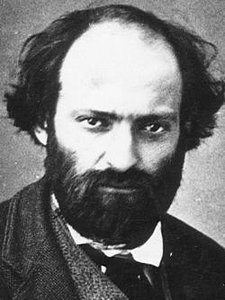
Paul Cézanne
1839 - 1906 , Frankreich
Eckdaten zum Künstler
- Beeinflusste Künstler:
- Paul Gauguin
- Georges Seurat
- Bemerkenswerte Werke:
- Der Teich in Jas de Bouffan
- Porträt von Émile Zola
- Wald
- Mont Sainte-Victoire
- Geburtsdatum: 19. Januar 1839
- Geburtsort: Aix-en-Provence, Frankreich
- Künstlerische Bewegung: Postimpressionismus
- Nationalität: Französisch
- Sterbedatum: 1906
- Vollständiger Name: Paul Cézanne
- Von Ihm Beeinflusste Künstler:
- Pablo Picasso
- Henri Matisse
- Georges Braque
Verwandte Artikel

Paul Cézanne: Die 25 Meisterwerke des Impressionismus | OriginalUniqueArt
Entdecken Sie die 25 Meisterwerke von Paul Cézanne! Tauchen Sie ein in die Welt des Impressionismus und Postimpressionismus. Erfahren Sie mehr über seine Stillleben, Landschaften & berühmten Gemälde – jetzt hochwertige Kunstdrucke auf OriginalUniqueArt.com.
Jenseits des Impressionismus: Die emotionale Tiefe der postimpressionistischen Malerei
Entdecken Sie die emotionale Tiefe des Postimpressionismus! Analysieren Sie Cézanne, van Gogh, Gauguin & Seurat. Expertenwissen über Kunstgeschichte und Einfluss auf die Moderne.
Beyond the Brush: How Post-Impressionism Recharged Modern Art with Bold Color and Raw Emotion
Dive into the high-energy revolution of Post-Impressionism. Discover how masters like Cézanne and Van Gogh traded fleeting light for bold colors and raw emotion, forever recharging modern art with the vibrant, structural intensity that defines today's most iconic visual aesthetics.

Paul Klee: Die 25 Meisterwerke des Abstrakten – Kunst für Ihr Zuhause | OriginalUniqueArt
Entdecken Sie die 25 Meisterwerke von Paul Klee! Tauchen Sie ein in seine abstrakte Welt, voller Expressionismus und Bauhaus-Einflüsse. Hochwertige Kunst für Ihr Zuhause – jetzt bei OriginalUniqueArt entdecken!
Beyond Impressionism: Exploring Emotional Depth & Formal Innovation in Post-Impressionist Art
Explore the profound emotional depth & formal innovations of Post-Impressionism with our expert guide. Discover Cézanne, Van Gogh, Gauguin & more. Learn about art history, collecting, and investing in this pivotal movement.