In echtem Maßstab anzeigen
 Versenden als Grußkarte
 Teilen
 Details anzeigen
 Leitfaden öffnen

 Herunterladen
 Ähnliche Objekte
 Röntgenaufnahme
 Diashow
 Besucherstatistiken
Bathsheba
 Öl auf Leinwand
- Wandkunst
- Post-Impressionism
 1890
1890- 19. Jahrhundert
 21.0 x 20.0 cm
 Mehr anzeigen
Handgefertigte Ölreproduktion
Handgemaltes Ölgemälde auf Leinwand in Ihrer Wunschgröße und mit Rahmen, auf Bestellung von unseren Künstlern angefertigt. ( Zum Druck wechseln Zum digitalen Bild wechseln)




P118B €10

P118H €10

P118W €10

P438Z €10

P508JH €12

P508YH €12

P805H €10

P805Z €10

P919BZ €10

P919G €10

P919XJ €10

P959ZH €10

P968JZ €12

W106C €8

W218G €10

W218JH €8

W218Y €10

W307PJ €10

W316G €10

W316PJ €8

W316Y €10

W398PJ €8

W4111J €10

W500HY €15

W500JH €15

W692G €12

W849H €8

W940BG €15

W953PJ €8




Wählen Sie aus unseren vordefinierten Formaten, die den ursprünglichen Proportionen des Kunstwerks entsprechen.

Geben Sie die Breite und die Höhe an, die Sie für Ihren Rahmen oder Ihre Wand benötigen. Da dieses Werk handgemalt ist, kann der Künstler bei einer anderen Form etwas mehr um das Bild herum malen oder etwas abschneiden – Sie entscheiden. Wir senden Ihnen ein digitales Mockup zur Freigabe, bevor mit dem Malen begonnen wird. Das auf dieser Seite gezeigte Bild stellt nicht das tatsächliche Ergebnis dar – dies tut nur das Mockup.
Nach der Bestellung wird das OriginalUniqueArt.com-Team dem Kunden Anweisungen per E-Mail zusenden und eine Mockup-Vorschau bereitstellen.
Weltweiter Versand () in nur 3 bis 4 Wochen statt der üblichen 5 Wochen. (22 Oktober). Keine Kompromisse bei der Qualität.

Kostenloser weltweiter Expressversand

Hochwertige Leinenleinwand

Vollständiger Versicherungsschutz beim Versand

Zollgebühren-Rückerstattungsgarantie

Garantie für exakte Farbtreue

100-tägiges Rückgaberecht (nur bei Mängeln)

100% Geld-zurück-Garantie

Angebot für Mengenrabatt
 Die Glasoption ist nur für Größen unter 110 cm verfügbar.

Bathsheba
Reproduktionsmedium
Format der Reproduktion
-


Gesamtpreis
€ 263
Paul Cézanne’s “Bathsheba”: A Moment of Intimacy and Structural Revelation
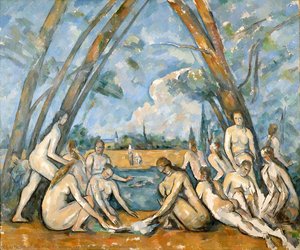
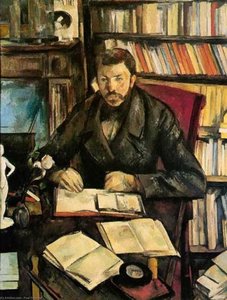
Paul Cézanne's "Bathsheba," painted in 1890, is more than just a portrait; it’s a carefully constructed tableau vivant – a snapshot of a fleeting moment imbued with profound symbolism. This work, residing within the Post-Impressionist movement, represents a pivotal shift away from the ephemeral impressions of its predecessors and towards a deliberate exploration of form, structure, and the very essence of observation. The painting depicts two women seated before a tree, an arrangement that immediately draws the viewer into a scene brimming with quiet contemplation and subtle narrative tension.
The composition itself is remarkably restrained yet powerfully suggestive. On the left sits a woman in a state of apparent nudity, her posture relaxed and inviting. Her gaze is directed towards the other figure, while her hands rest gently on an object – perhaps a book or a small token – hinting at a shared conversation or observation. In contrast, the woman to her right is clothed, her attire suggesting a more formal role within this intimate setting. A simple bench provides a grounding element, anchoring the scene and drawing attention to the interplay between these two figures. The inclusion of two birds, perched above the seated women, adds an element of serenity and natural harmony, subtly elevating the mood.
The Post-Impressionist Breakthrough: Cézanne’s New Vision
Cézanne's approach to painting in “Bathsheba” is deeply rooted in his exploration of Post-Impressionism. Unlike the Impressionists, who sought to capture the fleeting effects of light and color, Cézanne was less concerned with replicating visual reality than with representing its underlying structure. He employed a technique known as "constructive strokes," building up forms through deliberate, geometric brushstrokes that create a sense of solidity and permanence. This is particularly evident in the depiction of the tree – not merely a backdrop but an integral element of the composition, defined by sharp angles and carefully placed planes.
The color palette is equally significant. Cézanne eschews bright, vibrant hues in favor of muted tones and subtle gradations, creating a sense of depth and atmosphere. He uses color to define form rather than simply to represent it, employing complementary colors – such as the blues and oranges – to create visual interest and enhance the three-dimensionality of the scene. This deliberate manipulation of color is characteristic of Cézanne’s broader artistic philosophy: to reveal the essential nature of his subjects through a rigorous analysis of their forms and structures.
Symbolism and Narrative Depth
While seemingly simple, “Bathsheba” is rich in symbolic potential. The painting draws parallels with the biblical story of Bathsheba, David’s concubine and mother of King Solomon. However, Cézanne deliberately obscures any direct reference to this narrative, allowing the scene to resonate on a more universal level. The two women can be interpreted as representing different aspects of human experience – perhaps intimacy, contemplation, or simply the quiet pleasures of companionship. The book on the bench could symbolize knowledge, conversation, or shared interests.
The positioning of the figures and the arrangement of objects within the composition create a sense of visual equilibrium, suggesting a harmonious relationship between the two women. Yet, there is also an underlying tension – a subtle awareness of their differing roles and perspectives. This duality contributes to the painting’s enduring appeal, inviting viewers to contemplate its hidden meanings and emotional resonance.
Legacy and Enduring Influence
“Bathsheba” stands as a cornerstone in Cézanne's oeuvre and a pivotal work in the development of modern art. His innovative approach to painting – his emphasis on structure, form, and color—laid the groundwork for movements such as Cubism and Fauvism. Artists like Pablo Picasso were profoundly influenced by Cézanne’s exploration of perspective and spatial relationships, while Henri Matisse embraced his use of color to define form. Today, “Bathsheba” continues to captivate audiences with its quiet beauty, structural rigor, and profound symbolic depth. It remains a testament to Cézanne's genius as one of the most influential artists of the 20th century.
Fragen & Antworten
Sind die Farben von "Bathsheba" von Paul Cézanne gesättigt oder gedämpft?
"Bathsheba" von Paul Cézanne ist mit einer Dezente Farbigkeit Sättigung festgehalten.
Welche Farbpalette und welches Gefühl vereint "Bathsheba"?
"Bathsheba" von Paul Cézanne vereint eine Neutrale Farben Farbpalette mit einem Nachdenklich Ton.
Welche Maße hat "Bathsheba" von Paul Cézanne in der Realität?
Das Originalwerk "Bathsheba" von Paul Cézanne hat die Maße 21 x 20 cm.
Biografie des Künstlers
frühes Leben und Einflüsse
Paul Cézanne, ein französischer Post-Impressionist-Maler, wurde am 19. Januar 1839 in Aix-en-Provence, Frankreich, geboren. Sein frühes Leben war geprägt von einer starken Verbindung zu seiner Familie’s Bankgeschäft, das ihm finanzielle Sicherheit verschaffte. Dies ermöglichte es ihm, sich ohne finanziellen Druck auf seine künstlerischen Bestrebungen zu konzentrieren. Les Nabis, Neo-Impressionismus und Symbolismus beeinflussten Cézannes frühe Arbeit, die sich durch seinen Schwerpunkt auf geometrische Formen und eine reduzierte Farbpalette auszeichnete. Sein Interesse an den Werken von Paul Gauguin und Georges Seurat festigte seinen Post-Impressionismusstil.Künstlerischer Stil und Techniken
Cézannes innovative Verwendung von Farbflächen und kleinen, sich wiederholenden Pinselstrichen schuf komplexe Felder, die seine intensive Beschäftigung mit den Motiven widerspiegelten. Sein oft explorativer Ansatz in der Kunst führte zur Entwicklung einer neuen bildlichen Sprache, die die zugrunde liegende Struktur von Objekten in einer Komposition betonte.- Schlüsselmerkmale:
- Geometrische Formen und Facetten
- Reduzierte Farbpalette
- Betonung der konstruktiven Essenz der physischen Welt
- Mehrere Perspektiven und Simultaneität
- Einflussreiche Werke:
- The Pond at Jas de Bouffan (1880)
- Portrait of Emile Zola (1866)
- Wald (1892)
- Museen mit Cézannes Werken:
- Musée Marmottan Monet in Paris, Frankreich
- The Museum of Fine Arts in Houston, Vereinigte Staaten
Vermächtnis und Einfluss
Cézannes bahnbrechende Arbeit im Post-Impressionismus ebnete den Weg für verschiedene Avantgarde-Bewegungen, darunter Kubismus, Fauvismus und Surrealismus. Sein Einfluss ist in den Werken von Pablo Picasso, Henri Matisse und Georges Braque zu sehen. Cézannes Vermächtnis inspiriert weiterhin Künstler und Kunstinteressierte gleichermaßen und festigt seinen Platz als eine zentrale Figur in der Geschichte der modernen Kunst.- Verwandte Kunstbewegungen:
- Betrachten Sie Cézannes Werke:
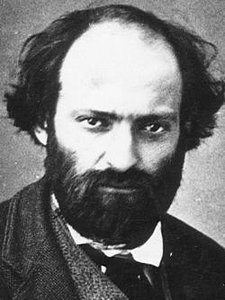
Paul Cézanne
1839 - 1906 , Frankreich
Eckdaten zum Künstler
- Beeinflusste Künstler:
- Paul Gauguin
- Georges Seurat
- Bemerkenswerte Werke:
- Der Teich in Jas de Bouffan
- Porträt von Émile Zola
- Wald
- Mont Sainte-Victoire
- Geburtsdatum: 19. Januar 1839
- Geburtsort: Aix-en-Provence, Frankreich
- Künstlerische Bewegung: Postimpressionismus
- Nationalität: Französisch
- Sterbedatum: 1906
- Vollständiger Name: Paul Cézanne
- Von Ihm Beeinflusste Künstler:
- Pablo Picasso
- Henri Matisse
- Georges Braque
Verwandte Artikel
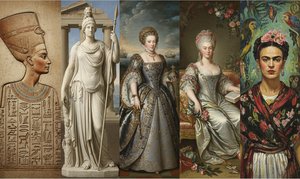
Portrayals of Power & Perception: A Historical Survey of Women in Art
Explore the rich history of women in art – from iconic muses to groundbreaking artists. Discover feminist movements & reclaim female narratives with OriginalUniqueArt. Expert insights for discerning collectors.

The Enduring Muse: Women as Subject & Symbol in Art History
Explore the rich history of women in art – from iconic muses to groundbreaking artists. Discover feminist movements, global perspectives & reclaim female narratives with OriginalUniqueArt.

Paul Cézanne: Die 25 Meisterwerke des Impressionismus | OriginalUniqueArt
Entdecken Sie die 25 Meisterwerke von Paul Cézanne! Tauchen Sie ein in die Welt des Impressionismus und Postimpressionismus. Erfahren Sie mehr über seine Stillleben, Landschaften & berühmten Gemälde – jetzt hochwertige Kunstdrucke auf OriginalUniqueArt.com.

The Enduring Allure of the Nude: A Historical & Artistic Exploration of the Human Form
Explore the captivating history of nude art! Discover iconic paintings & artists from classical to modern eras. Uncover symbolism, techniques & find museum-quality reproductions at OriginalUniqueArt.
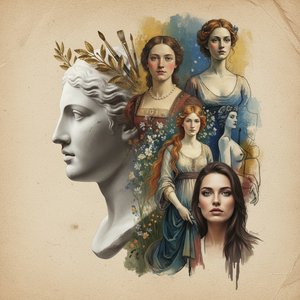
The Enduring Muse: Women as Subject & Symbol in Art History
Explore the rich history of women in art – from archetypal representations to contemporary voices challenging norms. Discover iconic artists & movements, and learn about reclaiming female narratives through painting and beyond.