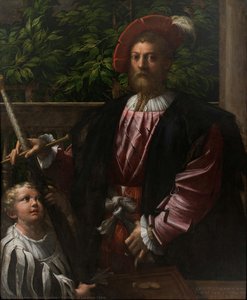
Vorschau anzeigen
 Versenden
 Teilen
 Details anzeigen
 Leitfaden

 Herunterladen
 Ähnliche Objekte
 Röntgenaufnahme
 Diashow
 Fragen & Antworten
 Statistiken
Deposition

- 331.0 x 240.0 cm


 Weiterlesen
Giclée / Kunstdruck
Giclée- oder Leinwanddruck in Museumsqualität mit schneller Produktion und flexiblen Veredelungsoptionen. ( Handgemalte Reproduktion bestellen Zum digitalen Bild wechseln)




P118B €10

P118H €10

P118W €10

P438Z €10

P508JH €12

P508YH €12

P805H €10

P805Z €10

P919BZ €10

P919G €10

P919XJ €10

P959ZH €10

P968JZ €12

W106C €8

W218G €10

W218JH €8

W218Y €10

W307PJ €10

W316G €10

W316PJ €8

W316Y €10

W398PJ €8

W4111J €10

W500HY €15

W500JH €15

W692G €12

W849H €8

W940BG €15

W953PJ €8




Wählen Sie aus unseren vordefinierten Formaten, die den ursprünglichen Proportionen des Kunstwerks entsprechen.

Geben Sie die benötigte Breite und Höhe an, damit der Druck perfekt in Ihren Rahmen oder an Ihre Wand passt. Ein Druck kann nur beschnitten, aber niemals größer als das Originalbild angefertigt werden; daher verliert ein Format mit anderen Proportionen einen Teil des Bildes. Wir senden Ihnen ein digitales Mockup zur Freigabe, bevor wir den Druck ausführen. Das auf dieser Seite gezeigte Bild zeigt nicht den tatsächlichen Beschnitt – dies ist nur im Mockup ersichtlich.
Weltweiter Versand () innerhalb von 2 Wochen statt der üblichen 4/5 Wochen. (7 November)

Kostenloser weltweiter Expressversand

Hochwertige Leinenleinwand

Umfassender Versicherungsschutz beim Versand

Zollgebühren-Rückerstattungsgarantie

Garantie für exakte Farbtreue

100 Tage Rückgaberecht (nur bei Mängeln)

100% Geld-zurück-Garantie

Mengenrabatt verfügbar
 Die Glasoption ist nur für Größen unter 110 cm verfügbar.

Deposition
Giclée / Kunstdruck
Format der Reproduktion
-


Endpreis
€ 72
A Moment of Profound Sorrow: Unveiling Parmigianino’s “Deposition”
Parmigianino's "Deposition," a haunting etching from around 1540, isn’t merely a depiction of a biblical scene; it’s an exquisitely rendered meditation on grief, loss, and the profound weight of human suffering. Created during the tumultuous transition between the High Renaissance and Mannerism, this work embodies the stylistic shift towards heightened emotion, elongated forms, and a deliberate distortion of reality that would define the era. The piece immediately draws the viewer into a scene saturated with sorrow – a palpable atmosphere of mourning hangs heavy over the figures arranged within its tightly constructed composition.
The subject itself—the removal of Christ’s body from the cross—is one steeped in religious significance, yet Parmigianino elevates it beyond simple narrative. He doesn't offer a triumphant resurrection or a heroic sacrifice; instead, he presents a raw and vulnerable portrayal of the immediate aftermath. The figures surrounding the prone form of Jesus are not idealized saints but ordinary individuals – mourners, family members, and witnesses to this devastating event—each etched with expressions of profound grief. Their postures, subtly elongated and deliberately unbalanced, reflect the instability and emotional turmoil at the heart of the scene.
The Language of Mannerism: Line, Shadow, and Distortion
Parmigianino’s mastery lies in his command of etching technique. The intricate network of fine lines, meticulously rendered with astonishing precision, creates a remarkable sense of texture and depth. Cross-hatching is employed liberally to build up areas of shadow, lending the scene an almost sculptural quality. Notice how the artist uses varying line weights – bold strokes defining the contours of clothing and faces, delicate tracings suggesting the folds of fabric and the fragility of human form. This deliberate manipulation of line isn’t about realistic representation; it's about conveying emotion and atmosphere through a carefully orchestrated visual language.
- Elongated Proportions: Parmigianino’s signature Mannerist trait is evident in the subtly distorted proportions of the figures. Limbs are stretched, faces are elongated, and bodies are rendered with an unsettling grace that defies naturalism.
- Dynamic Composition: The arrangement of figures creates a sense of controlled chaos—a deliberate imbalance that mirrors the emotional turmoil of the scene.
- Monochromatic Palette: The absence of color amplifies the drama, focusing attention on the interplay of light and shadow and the expressive power of line.
Symbolism and Emotional Resonance
Beyond its technical brilliance, “Deposition” is rich in symbolic meaning. The cloudy sky above—a recurring motif in Parmigianino’s work—evokes a sense of foreboding and impending doom. The landscape below, rendered with stark simplicity, provides a desolate backdrop to the scene of mourning. The figures themselves are not simply witnesses; they represent humanity's shared experience of loss and vulnerability. The overall effect is profoundly moving, inviting viewers to contemplate the nature of grief, faith, and mortality.
A Timeless Masterpiece: Reproduction and Legacy
“Deposition” stands as a testament to Parmigianino’s artistic genius and his pivotal role in shaping the course of Mannerist painting. Reproductions offer an accessible way to experience this extraordinary work, allowing its beauty and emotional depth to be appreciated by a wider audience. When selecting a reproduction, consider the quality of the print – archival materials and meticulous attention to detail are essential to faithfully capturing the nuances of Parmigianino’s original etching. This piece remains a powerful reminder of the enduring capacity of art to evoke profound emotions and illuminate the complexities of the human condition.
Fragen & Antworten
Was stellt "Deposition" dar und welche Atmosphäre vermittelt es?
"Deposition" zeigt christianity, deposition, grief, sorrow, mannerism, italy, renaissance, und die eingefangene Stimmung ist Dramatic.
Verwendet "Deposition" von Parmigianino starke Kontraste oder sanfte Harmonien?
Die Farbanalyse von "Deposition" von Parmigianino offenbart einen Statement Kontrast und eine Unified Palette Harmonie.
Wie finde ich Kunstwerke, die "Deposition" von Parmigianino ähneln?
Die Seite Ähnliche Werke von "Deposition" von Parmigianino zeigt verwandte Kunstwerke.
Künstlerbiografie
A Refined Sensibility: The Life and Art of Parmigianino
Girolamo Francesco Maria Mazzola, bekannt als Parmigianino – „der Kleine aus Parma“ – eroberte während der Hochrenaissance schnell eine herausragende Position und wurde zu einer Schlüsselfigur des aufkommenden Manierismus. Geboren in Parma am 11. Januar 1503, war sein frühes Leben von familiären Verlusten geprägt; sein Vater, Filippo Mazzola, starb erst zwei Jahre nach seiner Geburt. Er wurde von seinen Onkeln Michele und Pier Ilario aufgezogen, beide begabte Künstler, die ihm zunächst seine künstlerische Ausbildung gaben. Diese Grundlage erwies sich jedoch als Sprungbrett für ein außergewöhnliches Talent, das bald selbst seine Mentoren übertraf. Bereits im bemerkenswerten Alter von achtzehn Jahren hatte er das Bardi-Altarpieces vollendet – ein Werk, das eine Reife und Raffinesse demonstrierte, die weit über sein Alter hinausging und den Aufstieg eines wirklich herausragenden Künstlers ankündigte.Florence, Rome, and the Shaping of a Mannerist Vision
Parmigianinos künstlerischer Weg führte ihn um 1524 nach Florenz, wo er von Meistern wie Raffael und Leonardo da Vinci beeinflusst wurde, jedoch schnell seinen eigenen, unverwechselbaren Stil entwickelte. Er präsentierte Papst Clemens VII. mit drei Gemälden, darunter ein prägnantes Selbstporträt im konvexen Spiegel – ein Beweis für seine technische Begabung und sein wachsendes Selbstbewusstsein. Diese Geste sicherte ihm Aufträge in Rom, doch die künstlerische Landschaft der Stadt wurde durch den turbulenten Belagerung von 1527 erschüttert. Gezwungen zu fliehen, fand Parmigianino Zuflucht in Bologna, wo er eines seiner bekanntesten Werke, das *Heilige Familienbildnis*, schuf. Es war in dieser Zeit, dass sein charakteristischer Stil vollständig kristallisierte: verlängerte Figuren, anmutige Posen und eine verfeinerte Sinnlichkeit wurden zu Markenzeichen seiner Kunst. Er stellte nicht nur die Realität dar; er reimaginierte sie durch ein Prisma der Eleganz und idealisierten Schönheit. Dieser Bruch mit dem Fokus der Hochrenaissance auf Naturalismus machte ihn zu einem wichtigen Innovator des Manierismus, einer künstlerischen Bewegung, die sich durch Künstlichkeit, Raffinesse und eine bewusste Verzerrung klassischer Formen auszeichnete.Masterpieces of Elongation and Grace
Parmigianinos Erbe gründet sich auf ein relativ kleines, aber tiefgreifendes Werk. Das *Heilige Familienbildnis* (1534) bleibt vielleicht sein ikonischstes Meisterwerk. Seine beunruhigend, aber fesselnde Komposition mit verlängerten Halsen und Gliedmaßen stellt konventionelle Vorstellungen von Schönheit und Proportion in Frage. Diese bewusste Verzerrung ist nicht nur stilistisch; sie drückt ein Gefühl der spirituellen Sehnsucht und andererweltlichen Anmut aus. Ebenso zeigt das *Visionen des Heiligen Jerome* (1527), das während seines Aufenthalts in Rom vollendet wurde, seine Meisterschaft in Anatomie und Perspektive, während er gleichzeitig die manieristische Neigung zu dramatischen Kompositionen und emotionaler Intensität annahm. Neben diesen gefeierten Gemälden offenbaren Parmigianinos Zeichnungen ein außergewöhnliches Maß an Können und Sensibilität. Seine Studien von Figuren, Gewändern und architektonischen Elementen demonstrieren eine sorgfältige Detailgenauigkeit und ein tiefes Verständnis für Form. Selbst seine weniger bekannten Werke, wie *Die Liebenden*, zeigen die gleiche verfeinerte Sensibilität und technische Virtuosität, die seinen Œuvre prägen.A Legacy Interrupted: Parmigianino’s Final Years
Tragischerweise wurde Parmigianinos vielversprechendes Künstlertum durch seinen frühzeitigen Tod im Alter von dreißigsieben Jahren im Jahr 1540 in Casalmaggiore unterbrochen. Die Umstände seines Todes sind bis heute etwas rätselhaft; einige Berichte deuten auf einen Schlaganfall hin, während andere auf Komplikationen aufgrund eines Sturzes hindeuten. Trotz seines kurzen Lebens hat Parmigianino einen unauslöschlichen Eindruck in der italienischen Renaissance-Kunst hinterlassen. Er gilt als einer der wichtigsten Vertreter des Manierismus und beeinflusste Generationen von Künstlern mit seinem eleganten Stil und seinem innovativen Ansatz für Form und Komposition. Sein Werk fesselt bis heute die Betrachter und bietet einen Einblick in eine Welt, in der Schönheit nicht nur beobachtet, sondern aktiv geschaffen wird – ein Beweis für die dauernde Kraft künstlerischer Vision. Die unvollendeten Fresken, die er in Parma und Fontanellato hinterließ, sind eindringliche Erinnerungen an das, was hätte sein können, doch selbst in ihrem unvollständigen Zustand offenbaren sie den Glanz eines Meisters, dessen Vermächtnis bis heute widerhallt.
Parmigianino
1503 - 1540 , Italien
Kurzinfos
- Artistic Movement Or Style: Mannerismus
- Artists Or Movements Influenced By This Artist: ['Renaissancekunst']
- Artists Who Influenced This Artist:
- Correggio
- Raffael
- Date Of Birth: 11. Januar 1503
- Date Of Death: 24. August 1540
- Full Name: Girolamo Francesco Maria Mazzola
- Nationality: Italiener
- Notable Artworks:
- Madonna lang Hals
- Vision St. Jerome
- Selb. im Konvexen Spiegel
- Place Of Birth: Parma, Italien
Ähnliche Artikel
Beyond Perfection: The Dramatic Elegance and Intellectual Tension of Renaissance Mannerism
Explore the captivating world of Renaissance Mannerism. Discover how artists moved beyond High Renaissance harmony into a realm of elegant distortion, psychological tension, and dramatic beauty that bridged the gap to the Baroque era.

The Intricate World of Etching: A Historical Survey of Technique, Aesthetic Evolution, and Enduring Artistic Impact
Explore the rich history of etching, from its origins to modern practice. Discover techniques, key artists like Rembrandt, and insights for collectors. A comprehensive guide by OriginalUniqueArt.
Die 10 legendärsten Radierungen: Meisterwerke, die Kunstgeschichte schrieben | OriginalUniqueArt
Entdecken Sie die 10 legendärsten Radierungen von Rembrandt, Dürer & Goya! Erfahren Sie die Geschichten hinter diesen Meisterwerken der Kunstgeschichte und lassen Sie sich für Ihre Wohnräume inspirieren. Hochwertige Kunstdrucke auf OriginalUniqueArt.com.

25 göttliche Meisterwerke von Fra Angelico: Der Maler des Himmels
Entdecken Sie 25 Meisterwerke von Fra Angelico aus der Frührenaissance. Erleben Sie sakrale Kunst auf OriginalUniqueArt.com.

Zwischen Stichel und Säure: Die technische Evolution der Radierung in der Kunstgeschichte
Erfahren Sie alles über die technische Evolution der Radierung von Dürer bis Goya. Tauchen Sie jetzt tief in die Welt des Tiefdrucks ein.