Vorschau anzeigen
 Versenden
 Teilen
 Details anzeigen
 Leitfaden

 Herunterladen
 Ähnliche Objekte
 Röntgenaufnahme
 Diashow
 Q&A
Q&A Statistiken
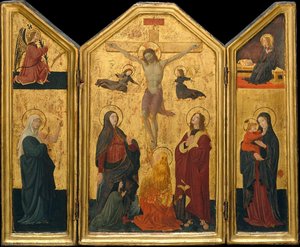
Mary's Presentation in the Temple

- 335.0 x 420.0 cm


 Weiterlesen
Giclée / Kunstdruck
Giclée- oder Leinwanddruck in Museumsqualität mit schneller Produktion und flexiblen Veredelungsoptionen. ( Handgemalte Reproduktion bestellen Zum digitalen Bild wechseln)




P118B €10

P118H €10

P118W €10

P438Z €10

P508JH €12

P508YH €12

P805H €10

P805Z €10

P919BZ €10

P919G €10

P919XJ €10

P959ZH €10

P968JZ €12

W106C €8

W218G €10

W218JH €8

W218Y €10

W307PJ €10

W316G €10

W316PJ €8

W316Y €10

W398PJ €8

W4111J €10

W500HY €15

W500JH €15

W692G €12

W849H €8

W940BG €15

W953PJ €8




Wählen Sie aus unseren vordefinierten Formaten, die den ursprünglichen Proportionen des Kunstwerks entsprechen.

Geben Sie die benötigte Breite und Höhe an, damit der Druck perfekt in Ihren Rahmen oder an Ihre Wand passt. Ein Druck kann nur beschnitten, aber niemals größer als das Originalbild angefertigt werden; daher verliert ein Format mit anderen Proportionen einen Teil des Bildes. Wir senden Ihnen ein digitales Mockup zur Freigabe, bevor wir den Druck ausführen. Das auf dieser Seite gezeigte Bild zeigt nicht den tatsächlichen Beschnitt – dies ist nur im Mockup ersichtlich.
Weltweiter Versand () innerhalb von 2 Wochen statt der üblichen 4/5 Wochen. (3 November)

Kostenloser weltweiter Expressversand

Hochwertige Leinenleinwand

Umfassender Versicherungsschutz beim Versand

Zollgebühren-Rückerstattungsgarantie

Garantie für exakte Farbtreue

100 Tage Rückgaberecht (nur bei Mängeln)

100% Geld-zurück-Garantie

Mengenrabatt verfügbar
 Die Glasoption ist nur für Größen unter 110 cm verfügbar.

Mary's Presentation in the Temple
Giclée / Kunstdruck
Format der Reproduktion
-


Endpreis
€ 71
Mary's Presentation in the Temple: A Renaissance Masterpiece
Paolo Uccello’s “Mary’s Presentation in the Temple,” completed around 1435, stands as an unparalleled achievement of Early Renaissance art—a fresco adorning the Duomo of Prato that transcends mere depiction to embody a profound spiritual vision. More than just a biblical narrative, it represents a pivotal moment in artistic innovation, driven by Uccello’s obsessive pursuit of mathematical precision and his masterful manipulation of perspective.
- Dimensions: Measuring an impressive 335 x 420 cm, the fresco commands attention with its monumental scale.
- Location: Situated within the Duomo in Prato, Italy, it’s a testament to Uccello's ambition and his desire to elevate artistic expression.
- Artist’s Workshop: The workshop of Paolo Uccello was renowned for pioneering visual perspective—a technique that would revolutionize painting and influence generations of artists.
The fresco’s composition is rich in architectural elements – columns, stairs, and a soaring dome – meticulously crafted to create an illusion of depth and grandeur. This deliberate use of perspective isn't merely decorative; it reflects Uccello’s belief that art should strive for accuracy and convey the true essence of reality.
Color Palette and SymbolismUccello employs a vibrant color palette imbued with symbolic significance. Shades of pink, green, blue, and yellow dominate, evoking feelings of purity and sanctity—qualities perfectly embodied by Mary herself. The careful selection of hues underscores the fresco’s spiritual intent.
Historical Context: This artwork is part of Uccello's ambitious project in the Duomo, reflecting his dedication to storytelling and visual artistry. It exemplifies the spirit of Florence during its golden age—a period marked by intellectual curiosity and artistic fervor.
Artistic Significance: “Mary’s Presentation” isn’t simply a beautiful image; it's a landmark achievement in Renaissance art history. Uccello seamlessly blends narrative elements with architectural grandeur, creating an experience that captivates the viewer’s imagination and inspires contemplation. It solidified Uccello’s reputation as one of the foremost artists of his time.
Relevance Today: For art enthusiasts and historians alike, this fresco continues to resonate powerfully. Its meticulous detail and evocative storytelling offer invaluable insights into the religious beliefs and artistic sensibilities of 15th-century Italy—a legacy that inspires admiration and appreciation for timeless masterpieces like “Mary’s Presentation in the Temple.”
Conclusion:Paolo Uccello's "Mary's Presentation in the Temple" remains an enduring symbol of Renaissance artistic excellence. Its masterful perspective, vibrant colors, and profound narrative depth ensure its place as a cornerstone of art history—a piece that invites viewers to immerse themselves in the beauty and spirituality of a bygone era.
Interested in exploring more stunning reproductions of Paolo Uccello’s work? Visit https://OriginalUniqueArt.com to discover hand-painted oil painting reproductions that bring these historical artworks to life.
Fragen & Antworten
Wann wurde "Mary's Presentation in the Temple" geschaffen?
"Mary's Presentation in the Temple" von Paolo Uccello entstand im Jahr 1435.
Ist "Mary's Presentation in the Temple" von Paolo Uccello ein helles oder ein dunkles Kunstwerk?
Was die wahrgenommene Helligkeit betrifft, so ist "Mary's Presentation in the Temple" von Paolo Uccello strahlend.
Welches Format hat "Mary's Presentation in the Temple"?
"Mary's Presentation in the Temple" von Paolo Uccello hat ein Querformat-Format. Das Format beschreibt die Proportionen der Komposition.
Künstlerbiografie
frühes Leben und Ausbildung
Paolo Uccello, geboren Paolo di Dono, war ein angesehener italienischer Maler und Mathematiker aus Florenz. Er war bekannt für seine bahnbrechende Arbeit an der visuellen Perspektive in der Kunst. Geboren im Jahr 1397, ist das frühe Leben von Uccello nicht gut dokumentiert, aber es ist bekannt, dass er ab 1412 bis 1416 die berühmte Bildhauerin Lorenzo Ghiberti als Lehrling hatte.Karriere und bedeutende Werke
Uccellos Karriere erstreckte sich über vier Jahrzehnte, in denen er zahlreiche Kunstwerke produzierte, darunter Gemälde, Fresken und Altäre. Zu seinen bekanntesten Werken gehören:- Geburt der Jungfrau (Frührenaissance, Öl), ein Gemälde, das seine Verwendung der Perspektive zur Schaffung eines Gefühls von Tiefe demonstriert.
- Fresken San Miniato al Monte 03 (Frührenaissance, Öl), eine Fresko, die seine innovative Verwendung von Farbe und Licht demonstriert.
- Anbetung des Kindes (Frührenaissance, Öl), ein Gemälde mit einer detaillierten und naturalistischen Darstellung der menschlichen Form.
- Studio di Cavaliere (Frührenaissance, Öl), ein Selbstporträt, das seine selbstbewusste Verwendung autonomer Themen in der Kunst demonstriert.
Einfluss und Vermächtnis
Uccellos Werk hatte einen bedeutenden Einfluss auf die Entwicklung der Renaissancekunst. Seine Verwendung der Perspektive und sein Schwerpunkt auf die Schaffung eines Gefühls von Tiefe in seinen Gemälden beeinflussten zahlreiche Künstler, darunter Albrecht Dürer, der ebenfalls für seine bahnbrechende Arbeit im Bereich der Perspektive bekannt war. Wichtige Kunstbewegungen:- Die Frührenaissancekunstbewegung
- Italienische Renaissance
- Spätes Gotik
- Paolo Uccello (1397-1475)
- Albrecht Dürer (1471-1528)
- Lorenzo Ghiberti (1379-1455)
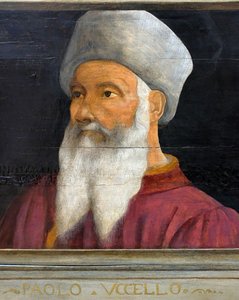
Paolo Uccello
1397 - 1475 , Italien
Kurzinfos
- Beeinflusste Künstler: ['Albrecht Dürer']
- Bemerkenswerte Werke:
- Schlacht von San Romano
- Geburt der Jungfrau
- St. Georg und Drache
- Geburtsdatum: 1397
- Geburtsort: Pratovecchio, Italien
- Künstlerische Bewegung: Frührenaissance
- Künstlerische Einflüsse:
- Lorenzo Ghiberti
- Donatello
- Nationalität: Italienisch
- Todatum: 1475
- Vollständiger Name: Paolo Uccello
Ähnliche Artikel

Das Familienerbe an die Wand bringen: Wandgemälde als Generationenschatz
Verwandeln Sie Ihre Familiengeschichte in ein beeindruckendes Wandgemälde! Expertenrat & hochwertige Handwerkskunst für einzigartige Kunstwerke, die Generationen verbinden. Entdecken Sie jetzt!
The Enduring Legacy of Fresco Painting: Techniques, History & Contemporary Relevance
Explore the rich history & enduring artistry of fresco painting – from Giotto to Michelangelo! Discover techniques, conservation efforts, & modern applications. Learn how OriginalUniqueArt brings this timeless art form to your home.
Paolo Uccello: Pionier der Perspektive und die Renaissance-Suche nach visueller Wahrheit
Entdecken Sie Paolo Uccello, einen Pionier der Renaissance und seine revolutionären Perspektivtechniken. Erfahren Sie mehr über sein Leben, ikonische Werke wie die 'Schlacht von San Romano' und seinen Einfluss auf die Kunstgeschichte.

Die bleibende Pracht der Freskomalerei: Technik, Geschichte und künstlerischer Ausdruck
Entdecken Sie die faszinierende Welt der Freskomalerei! Von den Ursprüngen bis zur Renaissance – wir beleuchten Technik, Geschichte und künstlerischen Ausdruck dieser einzigartigen Kunstform. Expertenwissen für Sammler & Liebhaber.

The Enduring Legacy of Fresco: Technique, History & Artistic Expression Across Cultures
Explore the rich history & enduring legacy of fresco painting! Discover ancient techniques, Giotto's masterpieces, and modern applications. Expert insights for art lovers & professionals.