Vorschau anzeigen
 Versenden
 Teilen
 Details anzeigen

 Herunterladen
 Ähnliche Objekte
 Röntgenaufnahme
 Diashow
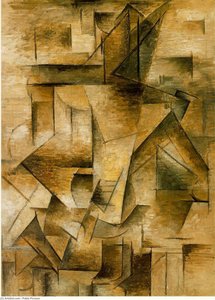
Paseo de cuadrillas

 Weiterlesen
Giclée / Kunstdruck
Giclée- oder Leinwanddruck in Museumsqualität mit schneller Produktion und flexiblen Veredelungsoptionen. ( Handgemalte Reproduktion bestellen Bild kaufen)




P118B $10

P118H $10

P118W $10

P438Z $10

P508JH $12

P508YH $12

P805H $10

P805Z $10

P919BZ $10

P919G $10

P919XJ $10

P959ZH $10

P968JZ $12

W106C $8

W218G $10

W218JH $8

W218Y $10

W307PJ $10

W316G $10

W316PJ $8

W316Y $10

W398PJ $8

W4111J $10

W500HY $15

W500JH $15

W692G $12

W849H $8

W940BG $15

W953PJ $8




Wählen Sie aus unseren vordefinierten Formaten, die den ursprünglichen Proportionen des Kunstwerks entsprechen.

Sie können Ihre eigenen Maße eingeben, um ein bestimmtes Format oder einen speziellen Platz einzupassen. Wenn das von Ihnen gewählte Format nicht den Proportionen des Originalbildes entspricht, werden wir das Kunstwerk entweder beschneiden oder das Bild mit einem gespiegelten oder einfarbigen Rand erweitern. Ein digitaler Entwurf wird Ihnen zur Genehmigung zugesandt, bevor die Produktion beginnt.
Bitte beachten Sie, dass die Vorschau auf dem Bildschirm nicht den tatsächlichen Zuschnitt oder die Erweiterung widerspiegelt. Nur der Entwurf zeigt die endgültige Komposition präzise an.
Obwohl Sondermaße verfügbar sind, empfehlen wir die Auswahl eines Maßes aus der vordefinierten Liste, um die ursprünglichen Proportionen zu bewahren.
Weltweiter Versand () innerhalb von 2 Wochen statt der üblichen 4/5 Wochen. (23 August)

Kostenloser weltweiter Expressversand

Hochwertige Leinenleinwand

Umfassender Versicherungsschutz beim Versand

Zollgebühren-Rückerstattungsgarantie

Garantie für exakte Farbtreue

60 Tage Rückgaberecht (nur bei Mängeln)

100% Geld-zurück-Garantie

Mengenrabatt verfügbar
 Die Glasoption ist nur für Größen unter 110 cm verfügbar.

Paseo de cuadrillas
Giclée / Kunstdruck
Format der Reproduktion
-


Gesamtpreis
$ 80
Sammlerstück-Beschreibung
Paseo de Cuadrillas: A Glimpse into Spanish Society Through Picasso’s Brush
Pablo Picasso's "Paseo de Cuadrillas" (Ride of the Bullfighting Teams), created in 1957, offers a vibrant and dynamic snapshot of 18th-century Spain – a world steeped in tradition, spectacle, and a complex social hierarchy. More than just a depiction of a bullfight procession, it’s a carefully constructed tableau that invites contemplation on themes of power, ritual, and the fleeting nature of human experience. The artwork, rendered in aquatint—a technique combining etching and drypoint—captures a scene brimming with movement and energy, instantly drawing the viewer into its theatrical world.
The composition is immediately arresting. A dense throng of figures – bullfighters, horses, spectators, and supporting staff – surges forward across the canvas in a seemingly endless procession. Picasso masterfully employs flattened perspective, characteristic of his Cubist explorations, to create a sense of compressed space and heightened drama. The figures are not rendered with photographic realism; instead, they’re fragmented and abstracted, their forms simplified into geometric shapes that contribute to the overall feeling of controlled chaos. Notice how the horses, particularly, are depicted – their bodies elongated and distorted, conveying both power and vulnerability. The artist's use of hatching and cross-hatching creates a rich textural surface, adding depth and visual interest to the scene.
A Window into Spanish Culture
“Paseo de Cuadrillas” is rooted in a specific historical context: the bullfighting tradition that held such significance in 18th-century Spain. Bullfighting was more than just sport; it was a deeply ingrained cultural ritual, embodying notions of bravery, honor, and skill. The procession depicted here represents the elaborate preparations for a major event – a grand spectacle involving skilled matadors, powerful horses, and a captivated audience. Picasso’s choice to portray this scene, decades after the period it depicts, suggests a fascination with Spain's rich cultural heritage and its enduring traditions.
The artwork also offers a subtle commentary on social stratification. The bullfighters, positioned at the forefront of the procession, command attention and represent the elite class – those who wield power and control. Below them, the horses and supporting staff occupy a lower position in the composition, subtly highlighting the hierarchical structure of Spanish society. Even the spectators are rendered with varying degrees of detail, reflecting their social standing within the crowd.
Symbolism and Emotional Resonance
Beyond its historical subject matter, “Paseo de Cuadrillas” is laden with symbolic meaning. The bull itself, a recurring motif in Picasso’s work, represents strength, aggression, and primal instincts. Its presence underscores the inherent drama of the scene and hints at the underlying tension between man and beast. The figures' expressions – ranging from stoic determination to anxious anticipation – convey a range of emotions, capturing the collective excitement and apprehension surrounding the impending spectacle.
Despite its vibrant colors and dynamic composition, the artwork possesses a certain melancholy. The fragmented forms and flattened perspective evoke a sense of detachment, as if observing the scene from a distance. This contributes to the overall feeling of transience – a reminder that even grand traditions are ultimately subject to change and decay. The work’s enduring appeal lies in its ability to simultaneously celebrate and critique the complexities of human culture and society.
A Masterpiece for Collectors and Designers
Reproductions of “Paseo de Cuadrillas” offer a remarkable opportunity to bring Picasso's iconic vision into any space. Whether adorning a gallery wall or serving as a focal point in a sophisticated interior, this artwork’s dynamic composition and rich symbolism will undoubtedly captivate viewers. Consider framing the reproduction within a classic style frame to complement its historical subject matter, or opt for a more contemporary design to create a striking contrast. The work's inherent energy and timeless appeal make it a valuable addition to any art collection.
Über den Künstler
Pablo Picasso: Ein revolutionärer Künstler
Frühes Leben und Ausbildung (1881-1904)
- Geboren am 25. Oktober 1881 in Málaga, Spanien, zeigte Pablo Ruiz y Picasso von sehr jungem an sein künstlerisches Talent.
- Sein Vater, José Ruiz y Blasco, war Kunstlehrer und gab seinem Sohn eine frühe Ausbildung. Es heißt, Picassos erste Worte waren “piz, piz” – ein Versuch, ‘Bleistift’ zu sagen.
- Picasso übertraf seine Vaters Fähigkeiten schnell und zeigte bemerkenswerte Begabung in naturalistischen Darstellungen.
- Die Familie zog nach A Coruña und später nach Barcelona nach dem tragischen Verlust Picassos Schwester.
- In Barcelona besuchte er die Kunsthochschule, störte sich aber oft an der traditionellen akademischen Lehre. Er studierte kurzzeitig an der Königlichen Akademie San Fernando in Madrid und fand es beengend, bevorzugte aber das unabhängige Studium von Meistern wie Velázquez und Goya.
Die Blauen und Rosafarbenen Perioden (1901-1906)
- Die Blaue Periode (ungefähr 1901-1904) ist durch düstere Gemälde geprägt, die von Blautönen und Blaugrün dominiert werden.
- Diese Werke stellen oft marginalisierte Figuren dar – Bettler, blinde Menschen, Prostituierte – und spiegeln Melancholie und sozialen Kommentar wider. Wichtige Beispiele sind La Vie (1903) und Der alte Gitarrist (1903-1904).
- Nachfolgend entstand die Rosafarbene Periode (1904-1906) mit wärmeren Tönen – Rosa-, Orange- und Rottönen.
- Diese Periode spiegelt eine optimistischere Sichtweise wider und stellt oft Zirkusclowns, Harlekinen und Akrobaten dar. Familie der Saltimbanques (1905) ist ein Beispiel dafür.
Die revolutionären Jahre: Kubismus und darüber hinaus (1907-1919)
- 1907 markierte einen Wendepunkt mit Les Demoiselles d'Avignon, der von iberischer Skulptur und afrikanischen Masken beeinflusst wurde. Dieses Gemälde zerstörte die traditionelle Perspektive und ebnete den Weg für den Kubismus.
- Picasso arbeitete eng mit Georges Braque zusammen und gründete den Kubismus, der die Art und Weise, wie Künstler Realität darstellten, grundlegend veränderte.
- Analytischer Kubismus (1909-1912) zeichnete sich durch fragmentierte Formen, gedämpfte Farben und die Zerlegung von Objekten in geometrische Formen aus.
- Synthetischer Kubismus (1912-1919) integrierte Collagen – Zeitungsartikel, Stoffreste – um texturierte Oberflächen und neue visuelle Schichten zu schaffen.
Neoklassizismus und Surrealismus (1920er - 1930er Jahre)
- In den 1920er Jahren erkundete Picasso neoklasische Stile mit monumentalen Figuren, die klassische Formen betonten.
- Er beschäftigte sich auch mit dem Surrealismus, obwohl er sich nie vollständig mit dessen Prinzipien identifizierte. Seine Werke vermischten frühere Stile mit surrealistischer Bildsprache und verzerrten Perspektiven.
Spätere Jahre und Vermächtnis (1940-1973)
- Während des Zweiten Weltkriegs blieb Picasso in Frankreich und produzierte kraftvolle Antikriegserklärungen wie Guernica (1937), eine wirkliche Reaktion auf den Angriff auf Guernica während des Spanischen Bürgerkriegs.
- Guernica wurde zu einem bleibenden Symbol der Schrecken des Krieges und gilt als eines seiner bekanntesten Werke.
- In den 1950er und 60er Jahren experimentierte Picasso weiterhin mit verschiedenen Medien – Keramik, Skulptur, Druckgrafik – und demonstrierte bemerkenswerte Vielseitigkeit.
- Er heiratete Jacqueline Roque im Jahr 1961. Er starb am 8. April 1973 in Mougins, Frankreich.
Einflüsse und historische Bedeutung
- Picassos künstlerische Entwicklung wurde von spanischen Meistern wie Velázquez und Goya, iberischer Skulptur, afrikanischer Kunst und Henri Matisse geprägt.
- Sein Einfluss auf die Kunst des 20. Jahrhunderts ist unermesslich. Er gründete den Kubismus, pionierte Collagen und konstruktive Skulpturen und stellte traditionelle künstlerische Konventionen kontinuierlich in Frage.
- Picassos unerbittliche Experimentierfreude definierte die moderne Kunst neu und inspiriert Künstler bis heute.
- Seine fruchtbare Produktion – geschätzt auf über 50.000 Werke – festigt seine Position als einer der wichtigsten und einflussreichsten Künstler in der Geschichte.

Pablo Picasso
1881 - 1973 , Spanien
Kurzinfos
- Beeinflusste Künstler:
- Velázquez
- Goya
- Henri Matisse
- Bemerkenswerte Werke:
- Les Demoiselles d'Avignon
- Guernica
- Der alte Gitarrist
- Familie der Saltimbanques
- Geburtsdatum: 25. Oktober 1881
- Geburtsort: Málaga, Spanien
- Künstlerische Richtung: Kubismus, Surrealismus
- Nationalität: Spanisch
- Sterbedatum: 8. April 1973
- Vollständiger Name: Pablo Picasso
- Von Künstlern Beeinflusst:
- Iberische Skulptur
- Afrikanische Kunst
Ähnliche Artikel
Die 10 Meisterwerke des Kubismus: Kunst für Ihr Zuhause | OriginalUniqueArt
Entdecken Sie die 10 bedeutendsten Meisterwerke des Kubismus von Picasso, Braque & Gris! Erfahren Sie mehr über Kunstgeschichte, Techniken und Farben. Hochwertige Kunstdrucke auf OriginalUniqueArt.com – für stilvolle Wandgestaltung.
Cubism Explained: How Picasso and Braque Shattered Reality to Redefine Modern Art
Master the complexities of Cubism with our expert guide. Explore how Picasso and Braque revolutionized modern art through fragmentation, multiple perspectives, and geometric innovation. Perfect for art students and collectors seeking deep historical insight.
Cubism Unveiled: How Picasso and Braque Redefined Reality Through Geometric Abstraction
Explore the revolutionary world of Cubism. Discover how masters Pablo Picasso and Georges Braque dismantled reality through geometric abstraction to redefine modern art history.

Cubism Unveiled: How Picasso and Braque Redefined Modern Art through Geometric Revolution
Explore the revolutionary world of Cubism. Discover how Pablo Picasso and Georges Braque dismantled perspective to redefine modern art through geometric innovation and analytical mastery. An essential guide for art students, collectors, and history enthusiasts.
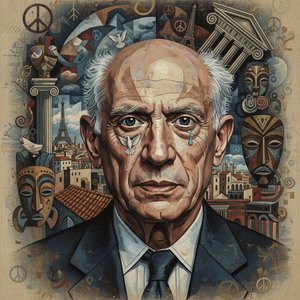
Pablo Picasso: Eine revolutionäre Vision – Kubismus, Symbolik und bleibendes Erbe
Entdecken Sie Pablo Picassos revolutionäres Werk! Analysen zu Kubismus, Symbolik und seinem bleibenden Einfluss auf die moderne Kunst. Wertvolle Einblicke für Sammler & Kenner.