Menü
Text size

() ·

A painting made for you, by hand

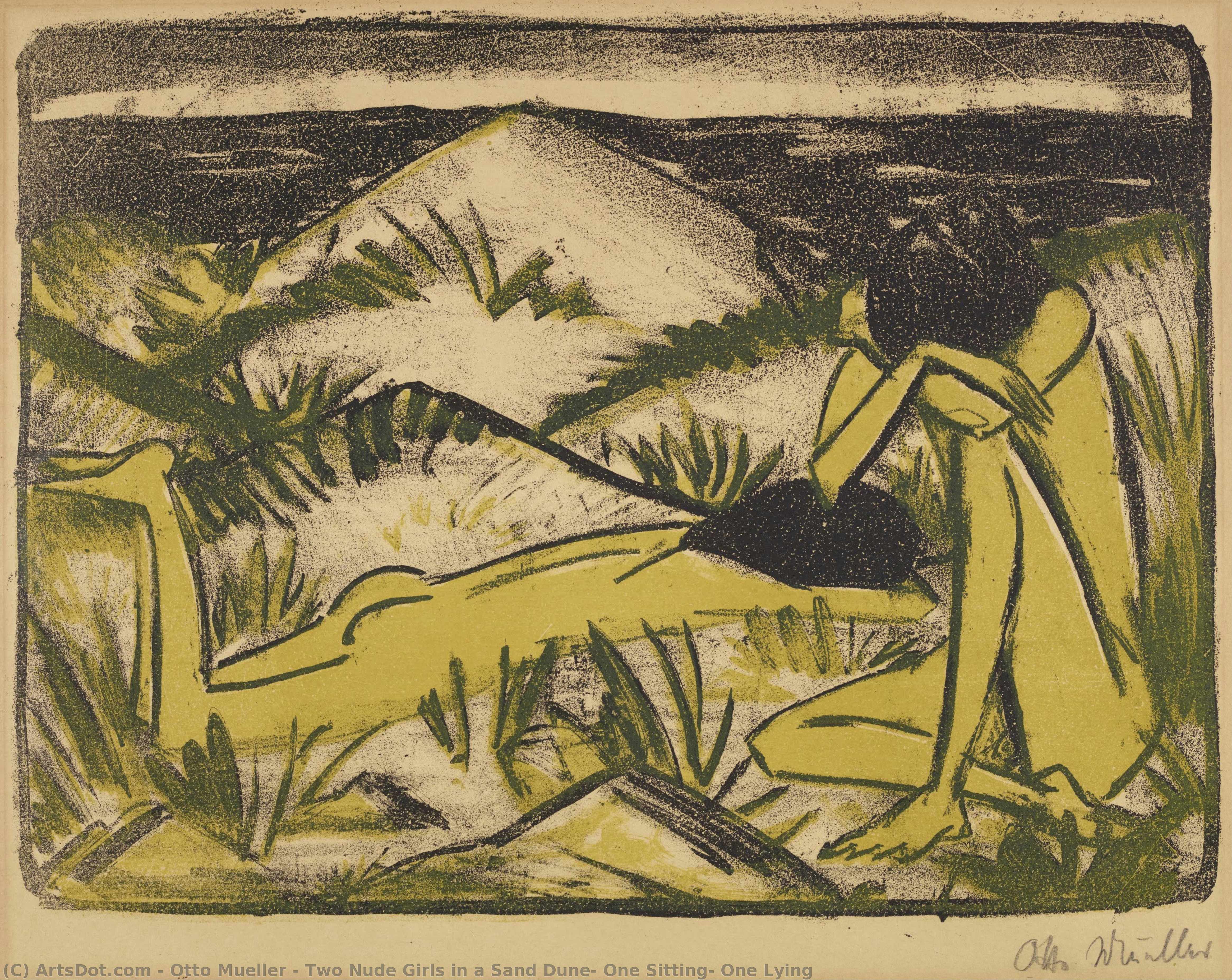
Zwei nackte Mädchen in einer Sanddüne, eine sitzend, eine liegend

Handgefertigte Ölreproduktion

Handgemaltes Ölgemälde auf Leinwand in Ihrer Wunschgröße und mit Rahmen, auf Bestellung von unseren Künstlern angefertigt. ( Zum Druck wechseln Zum digitalen Bild wechseln)

Beschreibung des Sammlerstücks

In eindrucksvollem Schwarz-Weiß verkörpert Otto Muellers „Zwei nackte Mädchen in einer Sanddüne“ expressionistische Verzerrung – eine tiefgründige Erkundung der menschlichen Form vor der einsamen Schönheit der Dämmerung.

Künstlerbiografie

Otto Müller (1874–1930): Deutscher Expressionist, bekannt für Nacktendarstellungen, Romani-Motiven & harmonische Landschaften. Mitglied von 'Die Brücke', als "Gypsy Müller" berühmt.

from ·

Chapter 1

How large should it be?

Slide to change the size; the picture on the left shows the frame at its real width. The proportions of the original are kept.

Standardformat
individuell anpassbar
CM
INCH

Wählen Sie aus unseren vordefinierten Formaten, die den ursprünglichen Proportionen des Kunstwerks entsprechen.

Breite
Höhe

Geben Sie die Breite und die Höhe an, die Sie für Ihren Rahmen oder Ihre Wand benötigen. Da dieses Werk handgemalt ist, kann der Künstler bei einer anderen Form etwas mehr um das Bild herum malen oder etwas abschneiden – Sie entscheiden. Wir senden Ihnen ein digitales Mockup zur Freigabe, bevor mit dem Malen begonnen wird. Das auf dieser Seite gezeigte Bild stellt nicht das tatsächliche Ergebnis dar – dies tut nur das Mockup.

Chapter 2

How should it arrive?

Choose the edges of the stretched canvas

Choose your frame

Corner sample of the WhiteWrap canvas edge finish, stretched on Massivholz bars
White €1
Corner sample of the BlurSideWrap canvas edge finish, stretched on Massivholz bars
Blurside €1
Corner sample of the ExtendedWrap canvas edge finish, stretched on Massivholz bars
Extended €1
Corner sample of the P118B picture frame: formgepresstes Polystyrol, 5 cm wide and 3 cm thick
P118B €10
Corner sample of the P118H picture frame: formgepresstes Polystyrol, 5 cm wide and 3 cm thick
P118H €10
Corner sample of the P118W picture frame: formgepresstes Polystyrol, 5 cm wide and 3 cm thick
P118W €10
Corner sample of the P438Z picture frame: formgepresstes Polystyrol, 5.5 cm wide and 3.5 cm thick
P438Z €10
Corner sample of the P508JH picture frame: formgepresstes Polystyrol, 7 cm wide and 3.5 cm thick
P508JH €12
Corner sample of the P508YH picture frame: formgepresstes Polystyrol, 7 cm wide and 3.5 cm thick
P508YH €12
Corner sample of the P805H picture frame: formgepresstes Polystyrol, 5 cm wide and 3.5 cm thick
P805H €10
Corner sample of the P805Z picture frame: formgepresstes Polystyrol, 5 cm wide and 3.5 cm thick
P805Z €10
Corner sample of the P919BZ picture frame: formgepresstes Polystyrol, 7 cm wide and 3.5 cm thick
P919BZ €10
Corner sample of the P919G picture frame: formgepresstes Polystyrol, 7 cm wide and 3.5 cm thick
P919G €10
Corner sample of the P919XJ picture frame: formgepresstes Polystyrol, 7 cm wide and 3.5 cm thick
P919XJ €10
Corner sample of the P959ZH picture frame: formgepresstes Polystyrol, 5 cm wide and 3 cm thick
P959ZH €10
Corner sample of the P968JZ picture frame: formgepresstes Polystyrol, 6 cm wide and 4 cm thick
P968JZ €12
Corner sample of the W106C picture frame: Massivholz, 5 cm wide and 3 cm thick
W106C €8
Corner sample of the W218G picture frame: Massivholz, 5 cm wide and 3 cm thick
W218G €10
Corner sample of the W218JH picture frame: Massivholz, 5 cm wide and 3 cm thick
W218JH €8
Corner sample of the W218Y picture frame: Massivholz, 5 cm wide and 3 cm thick
W218Y €10
Corner sample of the W307PJ picture frame: Massivholz, 6 cm wide and 3 cm thick
W307PJ €10
Corner sample of the W316G picture frame: Massivholz, 6 cm wide and 3 cm thick
W316G €10
Corner sample of the W316PJ picture frame: Massivholz, 6 cm wide and 3 cm thick
W316PJ €8
Corner sample of the W316Y picture frame: Massivholz, 6 cm wide and 3 cm thick
W316Y €10
Corner sample of the W398PJ picture frame: Massivholz, 5 cm wide and 3 cm thick
W398PJ €8
Corner sample of the W4111J picture frame: Massivholz, 6.5 cm wide and 3.5 cm thick
W4111J €10
Corner sample of the W500HY picture frame: Massivholz, 7 cm wide and 5 cm thick
W500HY €15
Corner sample of the W500JH picture frame: Massivholz, 7 cm wide and 5 cm thick
W500JH €15
Corner sample of the W692G picture frame: Massivholz, 8 cm wide and 4 cm thick
W692G €12
Corner sample of the W849H picture frame: Massivholz, 5 cm wide and 3 cm thick
W849H €8
Corner sample of the W940BG picture frame: Massivholz, 7.5 cm wide and 4.5 cm thick
W940BG €15
Corner sample of the W953PJ picture frame: Massivholz, 6 cm wide and 3.5 cm thick
W953PJ €8
Corner sample of the H24-GOLD picture frame: geschnitztes Holz mit Gesso, 10 cm wide and 6 cm thick
H24-GOLD €30
Corner sample of the H24-SILVER picture frame: geschnitztes Holz mit Gesso, 10 cm wide and 6 cm thick
H24-SILVER €30
Corner sample of the H36-GOLD picture frame: geschnitztes Holz mit Gesso, 15 cm wide and 6.5 cm thick
H36-GOLD €45
Corner sample of the H36-SILVER picture frame: geschnitztes Holz mit Gesso, 15 cm wide and 6.5 cm thick
H36-SILVER €45

Moulding: . Overall size with the frame: .

Chapter 3

Who paints it, and should anything change?

Examples of what can be changed: Replace face with customer photo; Add pet (e.g., replace cat with dog); Include hidden message in background; Change background landscape or elements.
After order, OriginalUniqueArt.com team will email client for instructions and provide a mockup preview

Weltweiter Versand () in nur 3 bis 4 Wochen statt der üblichen 5 Wochen. (29 Oktober). Keine Kompromisse bei der Qualität.

Chapter 4

The finishing touches

A nameplate, as in a museum?

Details der gravierten Bronzetafel

This elegant plaque features the artist's name and the title of the artwork, finely engraved for a timeless presentation.

It is made from bronze with a refined, elegant finish. The text is precisely laser-engraved for a sharp and permanent result. Measuring 9x2 cm, the plaque is compact yet easy to read. It's built to be durable and scratch-resistant, offering a professional, museum-quality look. Mounting is simple thanks to the included adhesive backing.

Details zur Acrylglas-Plakette (transparent)

The plaque includes essential engraved details such as the artist's name, the title of the artwork, the date it was created, the type of media used-like oil on canvas or watercolor-a brief description of the piece, and a QR code that links to the complete artwork information.

It is crafted from clear acrylic, offering a sleek, modern appearance. The text is UV-engraved in black to ensure strong visual contrast. With a size of 10x15 cm, it ensures optimal readability. It comes equipped with two metal hooks for secure wall mounting. The plaque is designed to be weather-resistant, making it suitable for various environments, and it includes interactive features that work seamlessly with smartphone scanning.

Details zur schwarzen Acryltafel

This elegant plaque includes engraved information such as the artist's name, the title of the artwork, the date it was created, the type of media used (like oil on canvas or watercolor), a short description of the artwork, and a QR code for quick access to more information.

The plaque itself is made from refined black acrylic with a premium finish. The text is laser-engraved in white for high contrast and readability. Its size is 10x15 cm, designed to be easy to read. It comes with two metal hooks for professional mounting. The design is sleek and fits any interior style. It is also weather-resistant and durable, with built-in digital integration for mobile compatibility.

A protective varnish?

When do you need it?

Chapter 5

Your painting, as you ordered it

Zwei nackte Mädchen in einer Sanddüne, eine sitzend, eine liegend

Art der Reproduktion

Format der Reproduktion

-

Erstklassige Meisterkünstler

Mehr Detailtiefe, Raffinesse und zusätzliche Produktionszeit

-

Rahmen für Reproduktionen

-

-

Bei Kunstwerken oder Reproduktionen, die an einer Seite größer als 105 cm (ca. 41 Zoll) sind, wird der Rahmen zerlegt als Bausatz geliefert. Diese Methode gewährleistet eine sichere Zustellung und verhindert Schäden während des Transports.

Professionelle Montage erforderlich – dies ist kein DIY-Produkt.
Der Bausatz muss von einem erfahrenen professionellen Rahmenmacher zusammengebaut und die Leinwand gespannt werden. Hierfür werden Holzleim (nicht im Lieferumfang enthalten), eine Leinwandspannzange sowie Klemmen benötigt, um die Keilleisten während des Trocknungsvorgangs rechtwinklig zu halten. Eine unsachgemäße Montage oder eine ungleichmäßige Spannung der Leinwand kann das Kunstwerk dauerhaft beschädigen und ist nicht durch unsere Garantie abgedeckt.

  • Alle Vollholzkomponenten sind enthalten, präzise auf Maß zugeschnitten.

  • Der Zusammenbau erfolgt mit den mitgelieferten Schrauben sowie Holzkleber für die Eckverbindungen, der nicht im Lieferumfang enthalten ist und vom Rahmenbauer selbst beschafft werden muss.

  • Professionelles Werkzeug ist erforderlich und nicht im Lieferumfang enthalten: eine Keilrahmenzange (Spannwerkzeug) sowie Klammern, um die Leisten während der Trocknungszeit des Klebers rechtwinklig zu fixieren.

Wichtiger Hinweis:
Für die Eckverbindungen wird Holzleim benötigt, die Leisten müssen mit Zwingen fixiert werden, bis der Leim vollständig getrocknet ist, und das Spannen der Leinwand auf dem fertigen Rahmen erfordert eine Keilrahmen-Zange. Keines dieser Utensilien ist im Set enthalten. Bitte stellen Sie sicher, dass ein erfahrener Rahmenmacher zur Verfügung steht, bevor Sie diese Größe bestellen.

Beschriftung

-

-

Schutzlackierung

Glanzlack (verstärkt die Farben, schützt vor Licht und Feuchtigkeit)

-

Mein Kunstwerk personalisieren

Beispiele für Anpassungsmöglichkeiten: Gesicht durch Kundenfoto ersetzen; Haustier hinzufügen (z. B. Katze durch Hund ersetzen); Versteckte Nachricht im Hintergrund einfügen; Hintergrundlandschaft oder -elemente ändern.

-

Eilt sehr

Weltweiter Versand () in nur 3 bis 4 Wochen statt der üblichen 5 Wochen. (29 Oktober). Keine Kompromisse bei der Qualität.

-

Expressversand

Weltweiter Versand () innerhalb von 5 Wochen. (5 November).

Inklusive Versand

Endpreis

€ 265

Gesamtpreis € 265

Die Glasoption ist nur für Größen unter 110 cm verfügbar.

Included with every order

  • Kostenloser weltweiter Expressversand
  • Hochwertige Leinenleinwand
  • Umfassender Versicherungsschutz beim Versand
  • Zollgebühren-Rückerstattungsgarantie
  • Garantie für exakte Farbtreue
  • 100 Tage Rückgaberecht (nur bei Mängeln)
  • 100% Geld-zurück-Garantie
  • Mengenrabatt verfügbar

A Moment Frozen in Time: The Soul of Otto Mueller

In the quiet, undulating landscape of 1924, Otto Mueller’s "Two Nude Girls in a Sand Dune, One Sitting, One Lying" emerges as a profound emblem of German Expressionism. It is far more than a mere depiction of two figures resting amidst coastal dunes; it is an evocative window into the psychological depth and inherent melancholy that defined an era. As the sun begins its descent, casting a warm, transformative light across the scene, the painting captures a sense of stillness that feels both eternal and fleeting. Mueller, a master of capturing the essence of experience rather than mere outward appearance, invites the viewer to step into a world where the boundaries between the human form and the natural environment begin to dissolve.

The composition is a delicate dance of geometry and organic grace. One figure sits poised while the other reclines, their bodies mirroring the soft, rhythmic curves of the sand dunes that cradle them. This interplay of form creates a dynamic tension, drawing the eye through the landscape in a way that feels both natural and meticulously orchestrated. Scattered throughout the periphery, smaller figures and the subtle presence of a bird near the upper corner suggest a larger, breathing ecosystem, hinting at the interconnectedness of all living things within this sun-drenched sanctuary.

The Language of Expressionism: Technique and Texture

To look closely at Mueller’s work is to witness the raw power of impasto. Eschewing the polished, glass-like surfaces favored by traditional academic painters, Mueller employed thick, deliberate brushstrokes that lend a palpable texture to the canvas. These layers of paint do not simply represent the sand; they become the sand, providing a tactile quality that makes the dunes feel as though they might shift under the viewer's gaze. This technique is central to the Expressionist mission: to bypass rational observation and tap directly into the subconscious mind.

The palette is a masterclass in subdued drama. Dominated by earthy tones of ochre, deep brown, and sienna, the colors are punctuated by subtle hints of crimson that suggest the heat of a fading sunset. This muted chromatic range reinforces the sense of nostalgia and quietude. By prioritizing tonal variation over bright, literal color representation, Mueller achieves a dreamlike atmosphere, where the light feels heavy with emotion and the shadows hold secrets of the natural world.

Historical Resonance and Symbolic Depth

Painted during the turbulent years of the Weimar Republic, this work carries the weight of its historical moment. The era was marked by profound social shifts and a collective anxiety regarding modernity and human vulnerability. In this context, Mueller’s fascination with landscapes—particularly those inhabited by marginalized communities and the raw beauty of the wild—serves as a retreat into a more primal, authentic existence. The nudity in the piece is not intended to be overtly sensual; rather, it symbolizes a state of innocence and a return to a fundamental connection with the earth.

For the discerning collector or interior designer, this painting offers much more than aesthetic beauty. It provides a focal point of contemplative depth, capable of anchoring a room with its sophisticated use of texture and muted tones. Whether placed in a contemporary gallery setting or a classic study, "Two Nude Girls in a Sand Dune" serves as a timeless reminder of the beauty found in stillness and the enduring power of the human spirit to find harmony within the wildness of nature.

Fragen & Antworten

Für welchen Raum im Zuhause eignet sich eine Reproduktion von "Zwei nackte Mädchen in einer Sanddüne, eine sitzend, eine liegend" besonders gut?

Eine Reproduktion von „Zwei nackte Mädchen in einer Sanddüne, eine sitzend, eine liegend“ passt hervorragend in ein Wohnbereich.

Wann wurde "Zwei nackte Mädchen in einer Sanddüne, eine sitzend, eine liegend" geschaffen und welcher Stilrichtung lässt es sich zuordnen?

"Zwei nackte Mädchen in einer Sanddüne, eine sitzend, eine liegend" entstand im Jahr 1924 als Werk der Deutscher Expressionismus-Bewegung. Entstehungsjahr und Stilrichtung verankern das Kunstwerk in der Kunstgeschichte.

Kann "Zwei nackte Mädchen in einer Sanddüne, eine sitzend, eine liegend" in Augmented Reality vorab betrachtet werden?

"Zwei nackte Mädchen in einer Sanddüne, eine sitzend, eine liegend" von Otto Müller kann mithilfe der AR-Vorschau-Seite des Kunstwerks mit Augmented Reality auf einem kompatiblen Gerät direkt an Ihrer eigenen Wand vorab betrachtet werden.

More about this painting

Vorschau anzeigen In AR ansehen Zum Druck wechseln Zum digitalen Bild wechseln Versenden
Details anzeigen Leitfaden Zu Favoriten hinzufügen Herunterladen Ähnliche Objekte Röntgenaufnahme Diashow Q&A Statistiken

In numbers

  • 1924the year it was painted
  • 29frames to choose from
  • standard sizes, in its own proportions
  • 5weeks to paint and deliver it
Otto Müller

Otto Müller

1874 - 1930, Polen

Quick facts about Otto Müller

  • Beeinflusste Künstler:
    • Wilhelm Lehmbruck
    • Rainer Maria Rilke
    • Erich Heckel
  • Bemerkenswerte Werke:
    • Sternennacht-Landschaften
    • Expressive Nacktstudien
    • Romani Frauen Darstellungen
  • Geburtsdatum: 16. Oktober 1874
  • Geburtsort: Liebau, Polen
  • Künstlerische Bewegung: Expressionismus
  • Nationalität: Deutsch
  • Todatum: 24. September 1930
  • Vollständiger Name: Otto Müller

Künstlerbiografie

Frühe Jahre und Ausbildung

Otto Müller, ein deutscher Maler und Grafiker, wurde am 16. Oktober 1874 in Liebau (heute Lubawka, Kamienna Góra County), Kreis Landeshut, Schlesien, Polen geboren. Zwischen 1890 und 1892 absolvierte er eine Ausbildung im Lithographie in Görlitz und Breslau. Von 1894 bis 1896 studierte Müller an der Akademie der Bildenden Künste in Dresden und setzte seine Studien ab 1898 in München fort.

Künstlerische Entwicklung und Expressionismus

Müllers frühe Werke waren von Impressionismus, Jugendstil und Symbolismus beeinflusst. Nach seinem Umzug nach Berlin im Jahr 1908 entwickelte sich sein Stil jedoch hin zum Expressionismus. In dieser Zeit stand er in Kontakt mit bedeutenden Persönlichkeiten wie Wilhelm Lehmbruck, Rainer Maria Rilke und Erich Heckel. Im Jahr 1910 trat Müller der in Dresden ansässigen Gruppe 'Die Brücke' bei, ein entscheidender Moment auf seinem expressionistischen Weg.

Wichtige Werke und Stil

Müllers Gemälde zeigten oft die Einheit von Mensch und Natur, gekennzeichnet durch eine harmonische Vereinfachung von Form, Farbe und Konturen. Zu seinen bemerkenswertesten Werken zählen:
  • Von Der Sternennacht-inspirierten Landschaftsbilder
  • Ausdrucksstarke Nacktstudien und Romani (Zigeuner) Frauen, was ihm den Spitznamen "Zigeunermüller" einbrachte
  • Die Verwendung von Tempera auf grobem Leinwandstoff für eine matte Oberfläche
  • Ein produktiver Grafiker mit fast allen seinen Drucken als Lithographien, zusammen mit einigen Holzschnitten und Radierungen

Leben und Wirken

Otto Müller wurde als Sohn des Leutnants und späteren Steuerbeamten Julian Mueller und seiner Ehefrau Marie Maywald im damals preußischen Schlesien geboren. Er hatte fünf Schwestern und einen Bruder, Max, der bereits mit vier Jahren starb. Seine Jugendjahre verbrachte er in Görlitz. Das Gymnasium musste er ohne Abschluss verlassen. Von 1890 bis 1894 absolvierte er auf Wunsch seines Vaters eine Lithografenlehre, daran schloss sich bis 1896 ein Studium an der Kunstakademie von Dresden an, für das er eine Sondergenehmigung erhalten hatte. Dort kam es bald zu Differenzen mit seinem Lehrer Hermann Freye, da er dessen Korrekturen nicht dulden wollte. 1898 ging er mit seinem Malerfreund Paul Kother nach München, um an der Königlichen Akademie der Bildenden Künste sein Studium der Malerei fortzusetzen. Doch obschon der 1895 als Professor an die Akademie berufene Franz von Stuck bereit war, ihn anzunehmen, ließ Mueller sein Vorhaben schon nach der ersten Korrektur aus ungeklärten Gründen fallen. Stattdessen beschloss er, fortan die Malerei im Selbststudium zu betreiben, wobei ihn insbesondere die Werke von Hans von Marées und Arnold Böcklin anzogen. Im Jahr 1905 heiratete er Maria („Maschka“) Meyerhofer, die er im Herbst 1899 auf einem Klubabend der Elbier kennengelernt hatte und mit der er 1901 einen Sohn, Eugen, bekam, der aber bis zum zwölften Lebensjahr bei ihrer Schwester aufwuchs. Maschka stand ihm, wie auch seine späteren Partnerinnen, oft Modell. Im Jahr 1908 zog er nach Berlin. Sein Vorbild wurden Plastiken von Wilhelm Lehmbruck, mit dem ihn eine Freundschaft verband; seit 1908 malte er die schlanken Mädchengestalten, die für ihn charakteristisch sind, wie auch die Leimfarben, die er mit Vorliebe für seine Werke nutzte. Er versuchte vergeblich, sich der Berliner Secession anzuschließen, und 1910 gründete er mit anderen abgewiesenen Künstlern die Gruppe Neue Secession, die im Mai eine Ausstellung zeigte unter dem Motto „Zurückgewiesene der Secession Berlin 1910“. Darüber kam er mit Mitgliedern der Brücke in Kontakt und arbeitete von 1910 bis zu ihrer Auflösung im Mai 1913 in dieser Künstlergemeinschaft mit. Der in seinem Stil den anderen Brücke-Künstlern sehr ähnliche Mueller bevorzugte eine gedämpfte Farbgebung von lyrisch-dekorativer Wirkung. Während des Ersten Weltkriegs wurde Müller im Juli 1916 zum Landsturm eingezogen und nahm als Soldat der Infanterie an Kämpfen in Frankreich und Russland teil. Im Frühjahr 1917 zog er sich eine Lungenentzündung zu, die ihn fast das Leben gekostet hätte. Seine Genesung im Lazarett im Kamillianerkloster im rheinischen Neuss nahm zwei Monate in Anspruch. Seit 1919 war Müller Professor an der Staatlichen Akademie für Kunst und Kunstgewerbe in Breslau.

Nachwirkung und Vermächtnis

Im Jahr 1937 beschlagnahmten die Nationalsozialisten 357 seiner Werke aus deutschen Museen und erklärten sie als "entartete Kunst". Müller starb am 24. September 1930 in Obernigk, Landkreis Trebnitz, Provinz Niederschlesien.

Eckdaten

  • Medium: Öl auf Leinwand
  • Artist: Otto Mueller
  • Influences: Impressionismus
  • Artistic style: Symbolischer Realismus
  • Year: 1924