In echtem Maßstab anzeigen
 Versenden als Grußkarte
 Teilen
 Details anzeigen
 Leitfaden öffnen

 Herunterladen
 Ähnliche Objekte
 Röntgenaufnahme
 Diashow
 Besucherstatistiken
Rest on the Flight to Egypt


 Mehr anzeigen
Giclée / Kunstdruck
Giclée- oder Leinwanddruck in Museumsqualität mit schneller Produktion und flexiblen Veredelungsoptionen. ( Handgemalte Reproduktion kaufen Zum digitalen Bild wechseln)




P118B $10

P118H $10

P118W $10

P438Z $10

P508JH $12

P508YH $12

P805H $10

P805Z $10

P919BZ $10

P919G $10

P919XJ $10

P959ZH $10

P968JZ $12

W106C $8

W218G $10

W218JH $8

W218Y $10

W307PJ $10

W316G $10

W316PJ $8

W316Y $10

W398PJ $8

W4111J $10

W500HY $15

W500JH $15

W692G $12

W849H $8

W940BG $15

W953PJ $8




Wählen Sie aus unseren vordefinierten Formaten, die den ursprünglichen Proportionen des Kunstwerks entsprechen.

Sie können Ihre eigenen Maße eingeben, um ein bestimmtes Format oder einen speziellen Platz einzupassen. Wenn das von Ihnen gewählte Format nicht den Proportionen des Originalbildes entspricht, werden wir das Kunstwerk entweder beschneiden oder das Bild mit einem gespiegelten oder einfarbigen Rand erweitern. Ein digitaler Entwurf wird Ihnen zur Genehmigung zugesandt, bevor die Produktion beginnt.
Bitte beachten Sie, dass die Vorschau auf dem Bildschirm nicht den tatsächlichen Zuschnitt oder die Erweiterung widerspiegelt. Nur der Entwurf zeigt die endgültige Komposition präzise an.
Obwohl Sondermaße verfügbar sind, empfehlen wir die Auswahl eines Maßes aus der vordefinierten Liste, um die ursprünglichen Proportionen zu bewahren.
Weltweiter Versand () innerhalb von 2 Wochen statt der üblichen 4/5 Wochen. (26 September)

Kostenloser weltweiter Expressversand

Hochwertige Leinenleinwand

Vollständiger Versicherungsschutz beim Versand

Zollgebühren-Rückerstattungsgarantie

Garantie für exakte Farbtreue

100-tägiges Rückgaberecht (nur bei Mängeln)

100% Geld-zurück-Garantie

Angebot für Mengenrabatt
 Die Glasoption ist nur für Größen unter 110 cm verfügbar.

Rest on the Flight to Egypt
Giclée / Kunstdruck
Format der Reproduktion
-


Gesamtpreis
$ 80
A Sanctuary of Shadows and Tenderness
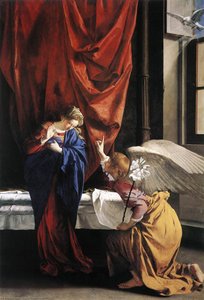
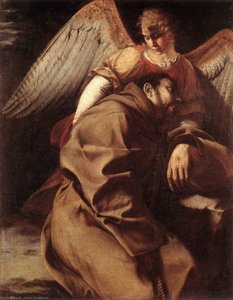
In the quietude of Orazio Gentileschi’s masterpiece, Rest on the Flight to Egypt, we find ourselves transported to a moment of profound stillness amidst a world of uncertainty. Painted around 1628, this captivating work transcends mere biblical depiction; it embodies the burgeoning spirit of the Baroque era—a dramatic departure from the calculated, stylized elegance of Mannerism toward an expressive embrace of raw emotion and theatrical light. As the Holy Family seeks refuge from the looming shadow of King Herod, Gentileschi invites us into their intimate circle, where the weight of their arduous journey is momentarily lifted by the presence of one another.
The painting captures a pivotal scene from Christian iconography: Mary cradling the infant Jesus while Joseph rests beside them. There is a palpable sense of maternal tenderness in the way Mary holds her child, a soft vulnerability that contrasts with the harshness of their flight. This moment of respite is not merely a pause in travel but a spiritual sanctuary, offering viewers a glimpse into the profound peace found within familial bonds even amidst great peril.
The Mastery of Light and Baroque Drama
Gentileschi skillfully employs tenebrismo—the revolutionary technique popularized by Caravaggio—to heighten the emotional impact of the composition. Through a dramatic interplay of light and shadow, the artist directs the viewer’s gaze with surgical precision. Harsh, directional illumination casts stark contrasts across Mary’s face and the infant Jesus, emphasizing their physical presence and spiritual radiance against the encroaching darkness. This lighting is far from decorative; it serves as an emotional driver, fostering a sense of introspection and mirroring the spiritual fervor characteristic of the 17th century.
The shadows enveloping the figures do more than provide depth; they underscore the hardships of the pilgrimage, while the light emanating from the central figures suggests a divine protection. This masterful use of chiaroscuro creates a sculptural quality to the flesh and fabric, making the scene feel remarkably lifelike and immediate. For the collector or designer, this technique provides a commanding visual weight that can anchor a room, offering a sophisticated interplay of tone and texture.
Symbolism and Compositional Harmony
Beyond the central figures, Gentileschi weaves subtle layers of symbolism into the very fabric of the landscape. The composition is anchored by a remarkable balance; Joseph’s calm, grounded presence provides a stable foundation for the emotional intensity of the scene. Small, delicate details—such as the birds perched near the figures—add visual interest and serve as quiet reinforcements of themes of hope and divine providence. These elements guide the eye through a narrative flow that feels both natural and meticulously planned.
The meticulous attention to detail in the drapery and the textures of the natural world reflects Gentileschi’s Tuscan roots and his training in the workshops of Rome. Every brushstroke contributes to a sense of attenti—a careful, watchful devotion to the subject matter. For those seeking to adorn a space with art that inspires contemplation, this piece offers an enduring elegance. It is a work that does not merely decorate a wall but tells a story of resilience, making it an exquisite choice for high-quality reproductions intended for discerning interiors.
Biografie des Künstlers
Frühes Leben und Ausbildung
- Geboren: Toskana, Italien (1563)
- Gestorben: 1639
- Orazio Gentileschi begann seine Karriere in Rom, wo er im Manierismus-Stil malte. Ein Großteil seiner frühen Arbeit bestand darin, Figuren innerhalb dekorativer Gestaltungsschemata anderer Künstler zu malen.
- Er wurde vom umbrischen Maler Cola dell'Amata ausgebildet.
- Gentileschi wurde auch von der Arbeit des Architekten und Bildhauers Francesco da Sangallo beeinflusst.
Künstlerischer Stil und Einflüsse
- Sein Stil zeichnete sich durch leuchtende Farben und dramatische Kompositionen aus.
- Nach 1600 geriet er unter den Einfluss des naturalistischen Stils von Caravaggio und übernahm diesen.
- Gentileschis Gemälde zeigten oft biblische Szenen und mythologische Themen.
- Wichtige Einflüsse: Manierismus, Caravaggio
Hauptwerke und Errungenschaften
- "Danae": Gilt als eines seiner wichtigsten Werke und zeigt sein Können bei der Darstellung des Wesens mythologischer Geschichten.
- "Die Verkündigung": Befindet sich in der Galleria Borghese in Rom.
- "Die Jungfrau Maria": Ebenfalls in der Galleria Borghese in Rom.
- Seine Fresken und Mosaike für Kirchen wie Santa Maria Maggiore und San Giovanni Laterano demonstrieren seine Meisterschaft in großflächiger dekorativer Malerei.
Entwicklung und Evolution
- Er arbeitete zunächst im Manierismus-Stil, übernahm aber allmählich Elemente des Caravaggismo.
- Er entwickelte eine weichere, verfeinerte Version des dramatischen Stils von Caravaggio, die sich durch eine hellere Palette und präzise Details auszeichnete.
- Seine späteren Werke zeigten einen eleganten und höfischen Stil, der seine Förderung am Hof von Marie de' Medici in Paris und Karl I. in London widerspiegelte.
Historische Bedeutung und Vermächtnis
- Gentileschis Einsatz leuchtender Farben und dramatischer Kompositionen beeinflusste die Entwicklung der Barockkunst.
- Er war einer der ersten Vertreter des Caravaggismo in England und hatte damit einen bedeutenden Einfluss auf das dortige Kunstgeschehen.
- Seine Tochter Artemisia Gentileschi wurde zu einer renommierten Künstlerin ihres eigenen Rechts, setzte sein Vermächtnis fort und entwickelte die künstlerische Tradition der Familie weiter.
- Seine Werke sind in prominenten Museen und Galerien auf der ganzen Welt zu finden, darunter die Uffizien in Florenz und die Galleria dell'Accademia in Venedig.

Orazio Gentileschi
1563 - 1639 , Italien
Eckdaten zum Künstler
- Beeinflusste Künstler:
- Cola dell'Amata
- Francesco da Sangallo
- Bemerkenswerte Werke:
- Danae
- Ankündigung
- Jungfrau Maria
- Geburtsdatum: 9. Juli 1563 (getauft)
- Geburtsort: Toskana, Italien
- Künstlerischer Stil: Barockmalerei
- Nationalität: Italiener
- Sterbedatum: 7. Februar 1639
- Vollständiger Name: Orazio Gentileschi
- Von Künstlern Beeinflusst: ['Caravaggio']
Verwandte Artikel

Giclée Prints: Archival Quality & Aesthetic Nuances for the Discerning Collector
Explore the world of giclée prints with OriginalUniqueArt. Learn about archival quality, aesthetic nuances & investment potential. Expert guidance for discerning art collectors seeking museum-quality reproductions and lasting value.

The Dramatic Flourish: Exploring the Baroque Movement's Enduring Legacy in Art History
Explore the dramatic world of Baroque art! Discover iconic artists like Caravaggio & Rubens, defining techniques, and its lasting impact on art history. Expert insights for collectors & enthusiasts at OriginalUniqueArt.

Barock Meisterwerke: Die 10 prägendsten Kunstwerke für Ihr Zuhause |
Entdecken Sie die 10 prägendsten Meisterwerke des Barock! Caravaggio, Rembrandt & Co. – Erfahren Sie die Geschichten hinter ikonischen Gemälde und finden Sie hochwertige Kunst Reproduktionen für Ihr Zuhause auf .

The Enduring Legacy of Fine Art Prints: Technique, History & Aesthetic Impact
Explore the rich history & techniques of fine art prints. Discover investment potential, assess authenticity, and learn how to preserve your collection with expert guidance. Trusted insights for discerning collectors.

The Visceral Stage: Exploring Dramatic Narratives & Emotional Intensity in Baroque Art
Explore the dramatic world of Baroque art! Discover iconic masters like Caravaggio & Rembrandt, their techniques, and the movement's lasting impact. Expert insights for collectors & enthusiasts at OriginalUniqueArt.