

 In echtem Maßstab anzeigen
 Versenden als Grußkarte
 Teilen
 Details anzeigen
 Leitfaden öffnen

 Herunterladen
 Ähnliche Objekte
 Röntgenaufnahme
 Diashow
 Besucherstatistiken
Spring Tonic


 Mehr anzeigen
Die auf dieser Seite dargestellten Kunstwerke sind urheberrechtlich geschützt, was bedeutet, dass wir keine identische Reproduktion rechtmäßig erstellen oder verkaufen dürfen. Dieser Schutz wird durch internationale Abkommen wie die Berner Übereinkunft und durch nationale Gesetze, einschließlich derer, die von den ... festgelegt wurden US-Urheberrecht – Titel 17.
Diese Methode entspricht vollumfänglich den Urheberrechtsbestimmungen, da sie keine Kopie oder Vervielfältigung des geschützten Kunstwerks darstellt. Stattdessen handelt es sich um eine kreative Neuinterpretation – ein neues Gemälde, das vom Original inspiriert, aber nicht identisch mit ihm ist.
Giclée / Kunstdruck
Giclée- oder Leinwanddruck in Museumsqualität mit schneller Produktion und flexiblen Veredelungsoptionen. ( Handgemalte Reproduktion kaufen Zum digitalen Bild wechseln)




P118B €10

P118H €10

P118W €10

P438Z €10

P508JH €12

P508YH €12

P805H €10

P805Z €10

P919BZ €10

P919G €10

P919XJ €10

P959ZH €10

P968JZ €12

W106C €8

W218G €10

W218JH €8

W218Y €10

W307PJ €10

W316G €10

W316PJ €8

W316Y €10

W398PJ €8

W4111J €10

W500HY €15

W500JH €15

W692G €12

W849H €8

W940BG €15

W953PJ €8




Wählen Sie aus unseren vordefinierten Formaten, die den ursprünglichen Proportionen des Kunstwerks entsprechen.

Geben Sie die Breite und die Höhe an, die Sie benötigen, damit der Druck perfekt in Ihren Rahmen oder an Ihre Wand passt. Ein Druck kann nur beschnitten werden und niemals größer als das Originalbild gemacht werden; daher verliert ein Format mit einer anderen Proportion einen Teil des Bildes. Wir senden Ihnen ein digitales Mockup zur Freigabe, bevor wir den Druck ausführen. Das auf dieser Seite gezeigte Bild zeigt nicht den tatsächlichen Beschnitt – dies ist nur im Mockup ersichtlich.
Weltweiter Versand () innerhalb von 2 Wochen statt der üblichen 4/5 Wochen. (20 Oktober)

Kostenloser weltweiter Expressversand

Hochwertige Leinenleinwand

Vollständiger Versicherungsschutz beim Versand

Zollgebühren-Rückerstattungsgarantie

Garantie für exakte Farbtreue

100-tägiges Rückgaberecht (nur bei Mängeln)

100% Geld-zurück-Garantie

Angebot für Mengenrabatt
 Die Glasoption ist nur für Größen unter 110 cm verfügbar.

Spring Tonic
Giclée / Kunstdruck
Format der Reproduktion
-


Gesamtpreis
€ 70
A Tender Moment Captured in Time
In the quiet intimacy of "Spring Tonic," created in 1936, Norman Rockwell invites us into a domestic sanctuary where the weight of maternal devotion is palpable. The scene unfolds with a profound sense of tenderness, focusing on a mother cradling her ailing son as she administers a restorative remedy. There is an undeniable warmth in the way the light falls upon the pair, highlighting the gentle strength required to navigate the anxieties of parenthood. As the child drinks from his cup, the surrounding environment—cluttered with various bottles and medicinal vessels—tells a silent story of care, trial, and the hope for recovery. This is not merely a depiction of illness, but a celebration of the resilient bond between parent and child, rendered with the masterful storytelling that defined Rockwell's illustrious career.
The composition is enriched by the presence of two loyal dogs, whose watchful eyes add a layer of soulful companionship to the room. One dog rests near the center, while another lingers to the right, their calm demeanor acting as an emotional anchor amidst the tension of the child's sickness. The arrangement of objects, from the scattered bottles to the solitary chair positioned at the edge of the frame, creates a lived-in atmosphere that feels both nostalgic and deeply personal. For the collector or interior designer, this piece offers more than just visual beauty; it provides a narrative depth that can transform a room into a space of reflection and comfort.
The Mastery of American Realism
Technically, "Spring Tonic" stands as a testament to Rockwell's unparalleled ability to blend meticulous realism with emotional resonance. His technique allows for a rich texture in the fabrics and a lifelike quality in the expressions of his subjects, making the scene feel as though it were captured in a single, breathless moment. The use of light and shadow serves to direct the viewer's eye toward the central interaction, ensuring that the emotional core of the painting remains the focal point. Every brushstroke contributes to a sense of authenticity, capturing the subtle nuances of skin tones, the glint of glass bottles, and the soft textures of the domestic setting.
As a piece of historical significance, this work emerges from an era when Rockwell was beginning to solidify his role as the visual chronicler of the American soul. Created during the mid-1930s, the painting reflects a period where themes of family stability and communal care were deeply resonant. For those seeking to adorn their homes with high-quality reproductions, this artwork serves as an exquisite centerpiece. It brings a sense of timelessness and a touch of classic Americana that complements both traditional and contemporary interiors, offering a window into a world where even the smallest act of care is treated with monumental importance.
Fragen & Antworten
Verwendet "Spring Tonic" von Norman Rockwell starke Kontraste oder sanfte Harmonien?
Die Farbanalyse von "Spring Tonic" von Norman Rockwell zeigt einen Statement Kontrast und eine Balanced Harmony Harmonie auf.
Wer verkauft handgemalte Kopien von "Spring Tonic" von Norman Rockwell?
Eine handgemalte Reproduktion von "Spring Tonic" von Norman Rockwell können Sie direkt auf der entsprechenden Handgemalte Reproduktion-Seite bestellen: eine handgemalte Ölreproduktion auf Leinenleinwand, auf Bestellung angefertigt.
Welche Stimmung und welche Emotionen vereinen sich in "Spring Tonic"?
In "Spring Tonic" begleitet eine Nostalgic-Stimmung eine Comforting Emotion.
Biografie des Künstlers
Frühes Leben und Karriere
Norman Perceval Rockwell, ein amerikanischer Autor, Maler und Illustrator des 20. Jahrhunderts, wurde am 3. Februar 1894 in New York City geboren. Sein frühester amerikanischer Vorfahre, John Rockwell (1588–1662), wanderte 1635 nach Nordamerika aus. Rockwells Familie hatte einen starken Einfluss auf seine zukünftigen künstlerischen Bestrebungen. Im Alter von 14 Jahren wechselte Rockwell von der High School in die Chase Art School. Anschließend besuchte er die National Academy of Design und schließlich die Art Students League, wo er bei Thomas Fogarty, George Bridgman und Frank Vincent Dumond unterrichtet wurde.Künstlerische Beiträge
Rockwells Werke haben eine breite Popularität in den Vereinigten Staaten aufgrund ihrer Reflexion der amerikanischen Kultur gefunden. Er ist am bekanntesten für die Cover-Illustrationen des täglichen Lebens, die er fast fünf Jahrzehnte lang für das Saturday Evening Post Magazin schuf. Zu seinen bemerkenswertesten Werken gehören:- Willie Gillis Serie, die die menschliche Seite des Krieges darstellte.
- Rosie the Riveter, eine ikonische Darstellung der Stärkung von Frauen während des Zweiten Weltkriegs.
- The Problem We All Live With, eine ergreifende Darstellung der Schulintegration aufgrund von Rasse, die im Weißen Haus ausgestellt wurde, als Ruby Bridges 2011 Präsident Obama traf.
Entwicklung und Einflüsse
Rockwells Stil entwickelte sich im Laufe seiner Karriere weiter, wobei er zunächst einen traditionellen, realistischen Ansatz verfolgte. Er war stark von den Werken klassischer Maler wie Gilbert Stuart und John Singer Sargent beeinflusst. Später experimentierte er mit mehr expressiven Techniken und einer subtileren Farbpalette. Seine Fähigkeit, menschliche Emotionen und soziale Themen aufzugreifen, trug zu seiner breiten Popularität bei. Wichtige Einflüsse waren die Werke von Charles Dickens und seine eigene Beobachtungsgabe für das amerikanische Leben.Vermächtnis und Bedeutung
Rockwell war ein produktiver Künstler und schuf im Laufe seines Lebens über 4.000 Originalwerke. Er wurde beauftragt, mehr als 40 Bücher zu illustrieren, darunter Tom Sawyer und Huckleberry Finn, sowie Porträts für Präsidenten Eisenhower, Kennedy, Johnson und Nixon. Trotz der Ablehnung durch ernstzunehmende Kunstkritiker zu seinen Lebzeiten ist Rockwells Werk zu einem integralen Bestandteil des amerikanischen Kulturerbes geworden. Seine jährlichen Beiträge zu den Boy Scout Kalendern zwischen 1925 und 1976 sind ein Beweis für sein bleibendes Vermächtnis. Wichtige Links: * Norman Rockwells Kunstwerke auf OriginalUniqueArt * Norman Rockwells Biographie auf Wikipedia * Kaufen Sie Kunstwerke von Norman Rockwell auf OriginalUniqueArtSchlussfolgerung
Norman Perceval Rockwells künstlerische Beiträge haben ein unauslöschliches Zeichen in der amerikanischen Kultur hinterlassen. Seine Werke, die oft als "Rockwellesque" oder sentimental bezeichnet werden, inspirieren weiterhin und spiegeln die Werte einer vergangenen Ära wider. Als Illustrator, Autor und Maler besteht Rocklls Vermächtnis fort, und seine Kunst ist ein Beweis für die Kraft der Reflexion und des kulturellen Erbes.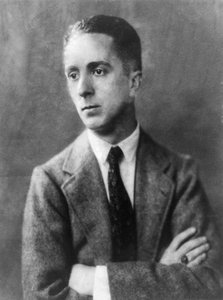
Norman Rockwell
1894 - 1978 , Vereinigte Staaten von Amerika
Eckdaten zum Künstler
- Bemerkenswerte Werke:
- Willie Gillis Serie
- Rosie the Riveter
- The Problem We All Live With
- Einflussreiche Künstler:
- Thomas Fogarty
- George Bridgman
- Frank Vincent Dumond
- Geburtsdatum: 03. Februar 1894
- Geburtsort: New York City, USA
- Künstlerische Richtung: Realismus, Illustration
- Nationalität: Amerikanisch
- Todatum: 1978
- Vollständiger Name: Norman Perceval Rockwell
Verwandte Artikel

Verwandeln Sie Kinderfotos in magische Meisterwerke: Die Kunst der zeitlosen Erbe-Erschaffung mit OriginalUniqueArt AI
Verwandeln Sie kostbare Kinderfotos mit OriginalUniqueArt AI in handgemalte Ölgemälde von Meisterklasse. Erschaffen Sie zeitlose Familien-Erbstücke durch die Symbiose aus modernster Technologie und klassischer Handwerkskunst. Einzigartige Porträts, die Ihre Geschichte für Generationen bewahren.

Childe Hassam: Der Chronist des amerikanischen Impressionismus und seine zeitgenössische Brillanz
Entdecken Sie das Leben und Werk von Childe Hassam, dem führenden amerikanischen Impressionisten! Erfahren Sie mehr über seine ikonischen Gemälde, den Einfluss Frankreichs und sein Vermächtnis. Jetzt bei OriginalUniqueArt entdecken!
Whimsical Wonders: A Mother's Guide to Transforming Children's Rooms with Timeless Art Reproductions
Transform your child's room into a whimsical sanctuary with museum-quality art reproductions. Discover how hand-painted masterpieces and custom portraits can spark imagination and create a timeless, beautiful space for your little one.
Divine Love: A Curated Guide to the Most Iconic Madonna and Child Masterpieces in Art History
Embark on a sophisticated journey through art history with our curated guide to the most iconic Madonna and Child masterpieces. Discover the profound beauty, theological depth, and enduring legacy of these sacred Renaissance treasures.
Hieronymus Bosch: Die 25 Meisterwerke des düsteren Genies – Kunst für Ihr Zuhause | OriginalUniqueArt
Entdecken Sie die 25 faszinierendsten Meisterwerke von Hieronymus Bosch! Tauchen Sie ein in die düstere Schönheit niederländischer Malerei, religiöse Symbolik und fantastische Welten. Hochwertige Kunstdrucke & Inspiration für Ihr Zuhause auf OriginalUniqueArt.com.


