In echtem Maßstab anzeigen
 Versenden als Grußkarte
 Teilen
 Details anzeigen

 Herunterladen
 Ähnliche Objekte
 Röntgenaufnahme
 Diashow
 Besucherstatistiken
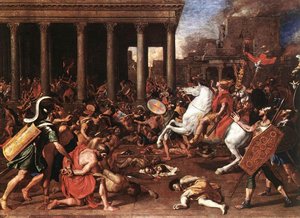
Landscape with a Man Killed by a Snake
 Oil On Canvas
- WallArt
- Baroque Painting
 1648
1648- Early Modern
 119.0 x 198.0 cm
 Mehr anzeigen
Giclée / Kunstdruck
Giclée- oder Leinwanddruck in Museumsqualität mit schneller Produktion und flexiblen Veredelungsoptionen. ( Handgemalte Reproduktion kaufen Zum digitalen Bild wechseln)




P118B $10

P118H $10

P118W $10

P438Z $10

P508JH $12

P508YH $12

P805H $10

P805Z $10

P919BZ $10

P919G $10

P919XJ $10

P959ZH $10

P968JZ $12

W106C $8

W218G $10

W218JH $8

W218Y $10

W307PJ $10

W316G $10

W316PJ $8

W316Y $10

W398PJ $8

W4111J $10

W500HY $15

W500JH $15

W692G $12

W849H $8

W940BG $15

W953PJ $8




Wählen Sie aus unseren vordefinierten Formaten, die den ursprünglichen Proportionen des Kunstwerks entsprechen.

Sie können Ihre eigenen Maße eingeben, um ein bestimmtes Format oder einen speziellen Platz einzupassen. Wenn das von Ihnen gewählte Format nicht den Proportionen des Originalbildes entspricht, werden wir das Kunstwerk entweder beschneiden oder das Bild mit einem gespiegelten oder einfarbigen Rand erweitern. Ein digitaler Entwurf wird Ihnen zur Genehmigung zugesandt, bevor die Produktion beginnt.
Bitte beachten Sie, dass die Vorschau auf dem Bildschirm nicht den tatsächlichen Zuschnitt oder die Erweiterung widerspiegelt. Nur der Entwurf zeigt die endgültige Komposition präzise an.
Obwohl Sondermaße verfügbar sind, empfehlen wir die Auswahl eines Maßes aus der vordefinierten Liste, um die ursprünglichen Proportionen zu bewahren.
Weltweiter Versand () innerhalb von 2 Wochen statt der üblichen 4/5 Wochen. (18 September)

Kostenloser weltweiter Expressversand

Hochwertige Leinenleinwand

Vollständiger Versicherungsschutz beim Versand

Zollgebühren-Rückerstattungsgarantie

Garantie für exakte Farbtreue

100-tägiges Rückgaberecht (nur bei Mängeln)

100% Geld-zurück-Garantie

Angebot für Mengenrabatt
 Die Glasoption ist nur für Größen unter 110 cm verfügbar.

Landscape with a Man Killed by a Snake
Giclée / Kunstdruck
Format der Reproduktion
-


Gesamtpreis
$ 80
A Fatal Encounter in the Heart of the French Baroque
In the quiet, sun-dappled groves of Nicolas Poussin’s 1648 masterpiece, Landscape with a Man Killed by a Snake, a profound stillness masks a sudden, violent tragedy. At first glance, the viewer is greeted by a pastoral idyll—a serene woodland scene where the light filters through ancient trees and the gentle movement of a distant boat suggests the rhythmic passage of time. Yet, this tranquility is shattered by a singular, harrowing event: a man lies sprawled upon the earth, his life slipping away following the swift, venomous strike of a serpent. This juxtaposition of natural beauty and sudden mortality creates a tension that is both unsettling and deeply captivating, inviting the observer to look beyond the surface of the landscape into the deeper mysteries of human existence.
Poussin, a titan of the French Baroque, does not merely depict a scene; he orchestrates a philosophical meditation. Through his masterful use of chiaroscuro, the artist manipulates light and shadow to sculpt the atmosphere, casting a dramatic spotlight on the central figure’s vulnerability while allowing the surrounding forest to recede into a mysterious, atmospheric depth. The composition is far from accidental; Poussin employs a rigorous pyramidal structure, a hallmark of his classical training, which provides a sense of architectural stability to an otherwise chaotic moment of death. This geometric precision directs the eye upward, subtly connecting the earthly tragedy of the fallen man to the heavens above, where a lone bird drifts through the sky, indifferent to the drama unfolding below.
Symbolism and the Echoes of Antiquity
To understand this work is to engage with the intellectual currents of the 17th century. Commissioned by Cardinal Francesco Maria Pallotti, the painting serves as a complex allegory steeped in religious and classical symbolism. The serpent, an ancient emblem of both temptation and peril, evokes the biblical narrative of the Fall of Man, suggesting that even within the most beautiful landscapes, the seeds of destruction are ever-present. The scattered figures—a woman with her basket, a young boy, and travelers in the distance—act as witnesses to this fleeting moment, representing the continuity of life amidst the inevitability of death. This interplay between the eternal landscape and the ephemeral human life reflects the profound anxieties of an era shaped by religious reformation and a renewed fascination with classical antiquity.
For the discerning collector or interior designer, this painting offers more than just visual splendor; it provides a focal point of immense intellectual and emotional weight. The muted yet rich palette of earth tones, deep greens, and soft ochres allows the piece to integrate seamlessly into sophisticated environments, whether in a grand library or a contemporary gallery space. A high-quality reproduction of this work brings with it the gravity of Poussin’s vision, offering an opportunity to possess a fragment of art history that speaks to the timeless themes of fate, nature, and the delicate balance between peace and peril.
Biografie des Künstlers
frühes Leben und Ausbildung
Nikos Poussin, geboren im Juni 1594, war die Quintessenz der französischen Barockmalerei des Klassikers. Obwohl er den Großteil seiner Karriere in Rom verbrachte, blieb er tief in den französischen künstlerischen Traditionen verwurzelt. Seine frühen Tage als Maler waren von Unsicherheit umhüllt, aber bereits im Jahr 1612 hatte er formale Studien in Paris begonnen und sich von weniger bekannten Künstlern beeinflussen lassen, bevor er 1624 nach Rom zog.Künstlerischer Stil und Einflüsse
Poussins Ästhetik, die für ihre kohärente Komposition und Priorisierung der Linearität bekannt ist, legte einen Präzedenzfall fest, der Meister wie Jacques-Louis David und Paul Cézanne noch bis ins 20. Jahrhundert beeinflusste. Sein unverwechselbarer Stil kristallisierte sich in herausragenden Werken wie Der Tod des Germanikers und seiner einflussreichen Sieben Sakramente-Serie.Bekannte Werke und Museen
- Nikos Poussin: Selbstporträt 1 (Barock, Öl), ein Beweis für seine Meisterschaft in der Technik.
- Bacchanten vor einem Tempel (74 x 101 cm, Legion of Honor, San Francisco, USA, Öl auf Leinwand), das seine Fähigkeit zur Balance von Komposition und Erzählung demonstriert.
- Das Musée des Beaux-Arts de Carcassonne, ein Muss für Kunstliebhaber, beherbergt eine beeindruckende Sammlung westlicher Gemälde vom 17. bis zum 20. Jahrhundert.
Vermächtnis und Einfluss
Poussins Loyalität blieb Rom, wo er schließlich darauf konzentrierte sich, weitreichende Landschaften in seine Kunst zu integrieren. Seine Reife als Künstler wird in Werken wie Orion, der von der Sonne geblendet sucht und Die Jahreszeiten verkörpert, die eine Ära strenger Komposition einleitet, die von der ruhigen Schönheit der Natur durchdrungen ist.Erfahren Sie mehr mit OriginalUniqueArt.com
Entdecken Sie die Meisterwerke des Musée France und tauchen Sie ein in die Welt der französischen Barockmalerei mit Musée Picasso, Musée des Beaux-Arts de Carcassonne und anderen bemerkenswerten Museen. Besuchen Sie Nikos Poussins Seite auf OriginalUniqueArt.com, um mehr über seine Werke zu erfahren und den Kontext, in dem sie entstanden sind.Referenzen

Nikolaus Poussin
1594 - 1665 , Frankreich
Eckdaten zum Künstler
- Bemerkenswerte Werke:
- Der Tod des Germanicus
- Die Sieben Sakramente
- Eine römische Straße
- Orion auf der Suche nach der Sonne
- Die Jahreszeiten
- Geburtsdatum: Juni 1594
- Geburtsort: Le Havre, Frankreich
- Künstler, Die Ihn Beeinflussten:
- Raphael
- Titian
- Künstlerische Bewegung: Barock
- Nationalität: Französisch
- Todatum: 1665
- Vollständiger Name: Nicolas Poussin
- Von Ihm Beeinflusste Künstler:
- Jacques-Louis David
- Paul Cézanne
Verwandte Artikel
Nicolas Poussin: Klassizismus, Allegorie und Ordnung in der französischen Malerei des 17. Jahrhunderts
Entdecken Sie Nicolas Poussins Meisterwerke und seinen Einfluss auf den französischen Klassizismus. Analyse von Allegorie, Komposition und der Bedeutung seiner Kunst im 17. Jahrhundert.

Romantische Landschaften: Die 10 Meisterwerke, die eine Epoche prägten | OriginalUniqueArt
Entdecken Sie die 10 Meisterwerke der Romantischen Landschaftsmalerei! Von Caspar David Friedrich bis Turner – erleben Sie die Kunst, Emotion & Natur. Hochwertige Reproduktionen auf OriginalUniqueArt.com
Baroque Classicism: Reconciling Drama & Order in 17th-Century Art
Explore the captivating world of Baroque Classicism! Discover its history, key artists like Caravaggio & Rubens, and defining characteristics. Expert insights & high-quality reproductions at OriginalUniqueArt.
Epic Drama & Dark Vibes: The Ultimate Collector's Guide to Baroque Landscapes
Master the art of drama with our ultimate guide to Baroque landscapes. Discover the power of chiaroscuro, explore legendary masters, and learn how to curate epic, dark-vibe masterpieces for your collection with expert insights from OriginalUniqueArt.

Baroque Classicism: The Grandeur of Order and Drama in 17th-Century Art History
Explore the profound elegance of Baroque Classicism. Discover how 17th-century masters synthesized dramatic emotion with classical order through the lens of the Counter-Reformation and the works of legends like Carlo Maratta and Andrea Sacchi.