In echtem Maßstab anzeigen
 Versenden als Grußkarte
 Teilen
 Details anzeigen
 Leitfaden öffnen

 Herunterladen
 Ähnliche Objekte
 Röntgenaufnahme
 Diashow
 Besucherstatistiken
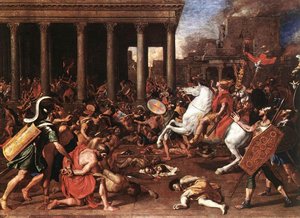
Cephalus and Aurora
 Acryl auf Leinwand
- Wandkunst
- Baroque Painting
 1630
1630- Renaissance
 96.0 x 131.0 cm
 National Gallery
 Mehr anzeigen
Handgefertigte Ölreproduktion
Handgemaltes Ölgemälde auf Leinwand in Ihrer Wunschgröße und mit Rahmen, auf Bestellung von unseren Künstlern angefertigt. ( Zum Druck wechseln Zum digitalen Bild wechseln)




P118B €10

P118H €10

P118W €10

P438Z €10

P508JH €12

P508YH €12

P805H €10

P805Z €10

P919BZ €10

P919G €10

P919XJ €10

P959ZH €10

P968JZ €12

W106C €8

W218G €10

W218JH €8

W218Y €10

W307PJ €10

W316G €10

W316PJ €8

W316Y €10

W398PJ €8

W4111J €10

W500HY €15

W500JH €15

W692G €12

W849H €8

W940BG €15

W953PJ €8




Wählen Sie aus unseren vordefinierten Formaten, die den ursprünglichen Proportionen des Kunstwerks entsprechen.

Sie können Ihre eigenen Maße eingeben, um einen bestimmten Rahmen oder Platz auszufüllen. Wenn die gewählte Größe nicht den Proportionen des Originalbildes entspricht, werden wir das Kunstwerk entweder beschneiden oder das Gemälde durch zusätzliche, handgemalte Elemente erweitern. Ein digitales Mockup wird Ihnen zur Genehmigung zugesandt, bevor die Produktion beginnt.
Bitte beachten Sie, dass die Bildschirmvorschau nicht die tatsächliche Beschneidung oder Erweiterung widerspiegelt. Nur das Mockup zeigt die endgültige Komposition exakt an.
Obwohl Sondermaße verfügbar sind, empfehlen wir, eine Größe aus der vordefinierten Liste zu wählen, um die ursprünglichen Proportionen beizubehalten.
Nach der Bestellung wird das OriginalUniqueArt.com-Team dem Kunden Anweisungen per E-Mail zusenden und eine Mockup-Vorschau bereitstellen.
Weltweiter Versand () in nur 3 bis 4 Wochen statt der üblichen 5 Wochen. (29 September). Keine Kompromisse bei der Qualität.

Kostenloser weltweiter Expressversand

Hochwertige Leinenleinwand

Vollständiger Versicherungsschutz beim Versand

Zollgebühren-Rückerstattungsgarantie

Garantie für exakte Farbtreue

100-tägiges Rückgaberecht (nur bei Mängeln)

100% Geld-zurück-Garantie

Angebot für Mengenrabatt
 Die Glasoption ist nur für Größen unter 110 cm verfügbar.

Cephalus and Aurora
Reproduktionsmedium
Format der Reproduktion
-


Gesamtpreis
€ 258
A Symphony of Light and Virtue: Exploring Nicolas Poussin’s Cephalus and Aurora
Nicolas Poussin's *Cephalus and Aurora*, completed around 1630, stands as a cornerstone of Baroque art—a testament to classical ideals infused with profound psychological depth. Currently residing in the National Gallery, London, this monumental oil on canvas transcends mere depiction; it’s an invitation into a meticulously crafted narrative that speaks volumes about love, fidelity, and the enduring struggle between earthly desires and spiritual devotion.Mythological Roots and Compositional Mastery
The painting draws upon Greek mythology, recounting the tale of Aurora—the radiant goddess of dawn—who captivated Cephalus, a mortal man steadfastly married to Procris. Despite her divine allure, Aurora relentlessly pursues Cephalus’ affection, yet he remains unwavering in his commitment to his wife, rejecting her advances with noble resolve. Poussin's genius lies not only in capturing this mythological drama but also in orchestrating it with breathtaking compositional precision. The scene unfolds within a verdant forest, dominated by towering trees that serve as silent witnesses to the unfolding events. A horse—a symbol of strength and nobility—is positioned prominently on the left side, anchoring the composition and directing the viewer’s gaze. Figures are arranged in carefully considered poses, conveying both movement and stillness simultaneously – a hallmark of Poussin's distinctive style.The Language of Color and Texture: Technique and Style
Poussin employed a masterful technique characterized by *alla prima*, applying paint directly onto the canvas without extensive underpainting—a bold departure from prevailing Venetian conventions. This approach allowed him to achieve remarkable luminosity and tonal gradation, capturing the ethereal beauty of Aurora’s dawn light with unparalleled accuracy. The artist skillfully utilized subtle variations in color palettes – predominantly cool blues and greens – to evoke a sense of tranquility and serenity amidst the drama unfolding before us. Furthermore, Poussin's meticulous attention to detail is evident in the rendering of textures—the rough bark of trees, the smooth skin of Aurora’s face, and the delicate folds of Procris’ gown—creating an immersive experience for the viewer. His style embodies the influence of Raphael and Michelangelo, prioritizing clarity of form and harmonious balance – principles rooted in humanist ideals that championed reason and beauty.Symbolism Beyond Narrative: Exploring Themes of Loyalty and Sacrifice
Beyond its captivating narrative, *Cephalus and Aurora* resonates with deeper symbolic meanings. The horse represents Cephalus’ unwavering loyalty to his wife, embodying the virtues prized by Renaissance humanists. Aurora's pursuit symbolizes temptation and desire, while Procris embodies steadfast devotion—a poignant contrast that underscores the central theme of the painting: the conflict between passion and moral responsibility. Poussin subtly conveys this tension through visual cues – the averted gaze of Cephalus, the melancholic expression on Procris’ face – prompting contemplation about the complexities of human relationships.Contemporary Echoes: Silvia Rubinson's Artistic Vision
The enduring fascination with *Cephalus and Aurora* extends into contemporary art. Argentine artist Silvia Rubinson draws inspiration from similar explorations of identity and familial history, mirroring Poussin’s preoccupation with portraying universal human experiences within a specific cultural context. Like Poussin, Rubinson seeks to communicate profound emotions through carefully considered imagery—a testament to the timeless power of artistic expression.- Explore high-quality reproductions at OriginalUniqueArt.com
- Discover the brilliance of Baroque art.
Biografie des Künstlers
frühes Leben und Ausbildung
Nikos Poussin, geboren im Juni 1594, war die Quintessenz der französischen Barockmalerei des Klassikers. Obwohl er den Großteil seiner Karriere in Rom verbrachte, blieb er tief in den französischen künstlerischen Traditionen verwurzelt. Seine frühen Tage als Maler waren von Unsicherheit umhüllt, aber bereits im Jahr 1612 hatte er formale Studien in Paris begonnen und sich von weniger bekannten Künstlern beeinflussen lassen, bevor er 1624 nach Rom zog.Künstlerischer Stil und Einflüsse
Poussins Ästhetik, die für ihre kohärente Komposition und Priorisierung der Linearität bekannt ist, legte einen Präzedenzfall fest, der Meister wie Jacques-Louis David und Paul Cézanne noch bis ins 20. Jahrhundert beeinflusste. Sein unverwechselbarer Stil kristallisierte sich in herausragenden Werken wie Der Tod des Germanikers und seiner einflussreichen Sieben Sakramente-Serie.Bekannte Werke und Museen
- Nikos Poussin: Selbstporträt 1 (Barock, Öl), ein Beweis für seine Meisterschaft in der Technik.
- Bacchanten vor einem Tempel (74 x 101 cm, Legion of Honor, San Francisco, USA, Öl auf Leinwand), das seine Fähigkeit zur Balance von Komposition und Erzählung demonstriert.
- Das Musée des Beaux-Arts de Carcassonne, ein Muss für Kunstliebhaber, beherbergt eine beeindruckende Sammlung westlicher Gemälde vom 17. bis zum 20. Jahrhundert.
Vermächtnis und Einfluss
Poussins Loyalität blieb Rom, wo er schließlich darauf konzentrierte sich, weitreichende Landschaften in seine Kunst zu integrieren. Seine Reife als Künstler wird in Werken wie Orion, der von der Sonne geblendet sucht und Die Jahreszeiten verkörpert, die eine Ära strenger Komposition einleitet, die von der ruhigen Schönheit der Natur durchdrungen ist.Erfahren Sie mehr mit OriginalUniqueArt.com
Entdecken Sie die Meisterwerke des Musée France und tauchen Sie ein in die Welt der französischen Barockmalerei mit Musée Picasso, Musée des Beaux-Arts de Carcassonne und anderen bemerkenswerten Museen. Besuchen Sie Nikos Poussins Seite auf OriginalUniqueArt.com, um mehr über seine Werke zu erfahren und den Kontext, in dem sie entstanden sind.Referenzen

Nikolaus Poussin
1594 - 1665 , Frankreich
Eckdaten zum Künstler
- Bemerkenswerte Werke:
- Der Tod des Germanicus
- Die Sieben Sakramente
- Eine römische Straße
- Orion auf der Suche nach der Sonne
- Die Jahreszeiten
- Geburtsdatum: Juni 1594
- Geburtsort: Le Havre, Frankreich
- Künstler, Die Ihn Beeinflussten:
- Raphael
- Titian
- Künstlerische Bewegung: Barock
- Nationalität: Französisch
- Todatum: 1665
- Vollständiger Name: Nicolas Poussin
- Von Ihm Beeinflusste Künstler:
- Jacques-Louis David
- Paul Cézanne
Verwandte Artikel
Echoes of Olympus: Mythological Narratives in Western Art Through the Ages
Explore the captivating history of mythological narratives in Western art! From ancient Greece to modern masterpieces, discover iconic artworks & symbolism. Expert analysis and high-quality reproductions at OriginalUniqueArt.

Barocke Pracht: Wie Sie Opulenz und Emotionen in zeitgenössische Innenräume bringen
Entdecken Sie die Pracht des Barock! Expertenratgeber für luxuriöse Innenräume mit barocken Elementen. Inspiration, Tipps & hochwertige Kunst bei .

The Dramatic Flourish: Exploring the Baroque Movement's Enduring Legacy in Art History
Explore the dramatic world of Baroque art! Discover iconic artists like Caravaggio & Rubens, defining techniques, and its lasting impact on art history. Expert insights for collectors & enthusiasts at OriginalUniqueArt.
Nicolas Poussin: Klassizismus, Allegorie und Ordnung in der französischen Malerei des 17. Jahrhunderts
Entdecken Sie Nicolas Poussins Meisterwerke und seinen Einfluss auf den französischen Klassizismus. Analyse von Allegorie, Komposition und der Bedeutung seiner Kunst im 17. Jahrhundert.
Barocke Meisterwerke: Die 10 Gemälde, die eine Epoche prägten | OriginalUniqueArt
Entdecken Sie die 10 prägendsten Meisterwerke des Barock! Von Caravaggio bis Rembrandt – erleben Sie die Dramatik, Pracht & Emotionen dieser Epoche. Hochwertige Reproduktionen auf OriginalUniqueArt.com.