 In echtem Maßstab anzeigen
 Versenden als Grußkarte
 Teilen
 Details anzeigen
 Leitfaden öffnen

 Herunterladen
 Ähnliche Objekte
 Röntgenaufnahme
 Diashow
 Besucherstatistiken
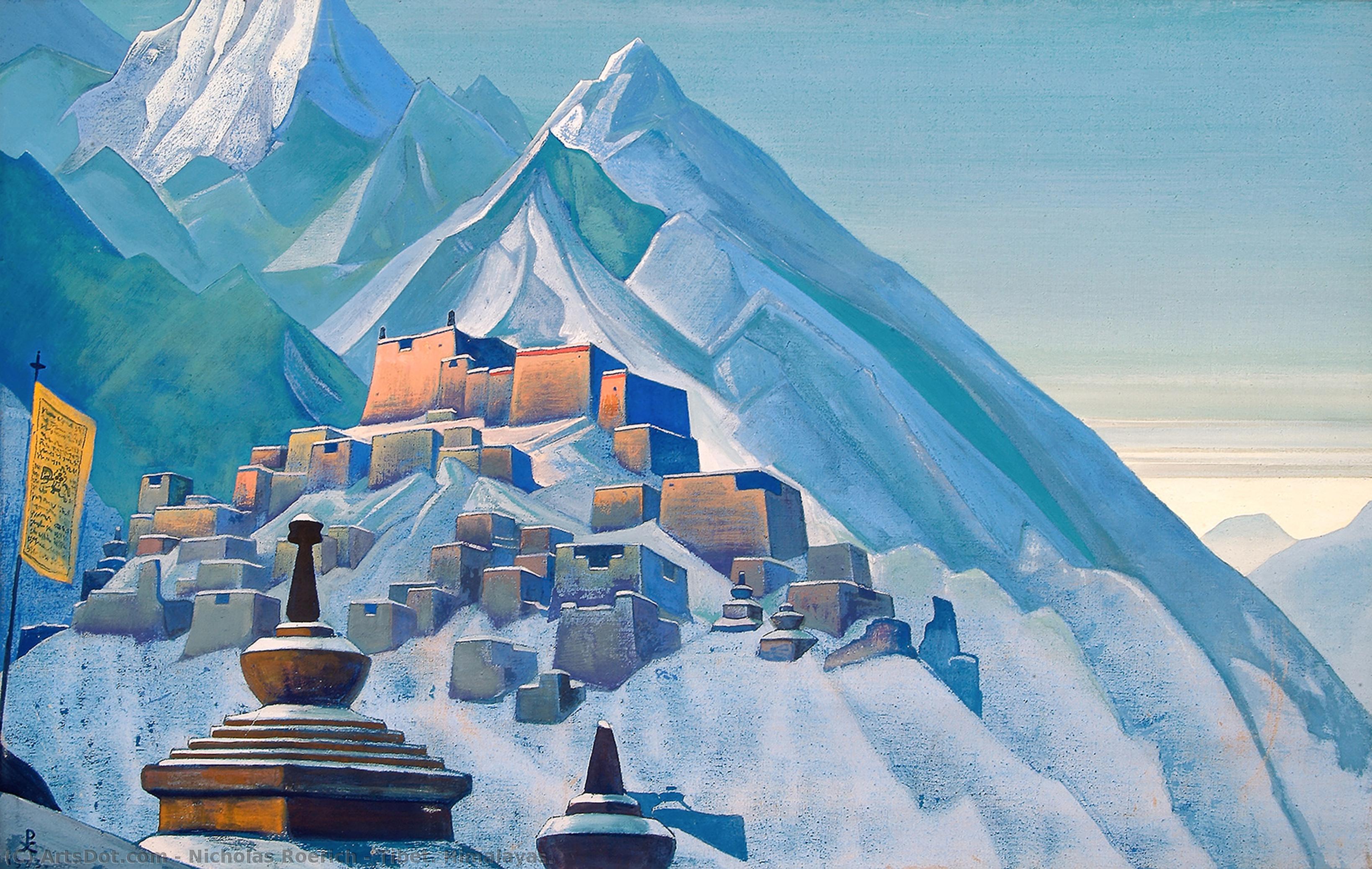
Tibet. Himalayas.
 Symbolist Painting
 1933
1933- 19th Century
 73.0 x 116.0 cm
 Mehr anzeigen
Handgefertigte Ölreproduktion
Handgemaltes Ölgemälde auf Leinwand in Ihrer Wunschgröße und mit Rahmen, auf Bestellung von unseren Künstlern angefertigt. ( Zum Druck wechseln Zum digitalen Bild wechseln)




P118B €10

P118H €10

P118W €10

P438Z €10

P508JH €12

P508YH €12

P805H €10

P805Z €10

P919BZ €10

P919G €10

P919XJ €10

P959ZH €10

P968JZ €12

W106C €8

W218G €10

W218JH €8

W218Y €10

W307PJ €10

W316G €10

W316PJ €8

W316Y €10

W398PJ €8

W4111J €10

W500HY €15

W500JH €15

W692G €12

W849H €8

W940BG €15

W953PJ €8




Wählen Sie aus unseren vordefinierten Formaten, die den ursprünglichen Proportionen des Kunstwerks entsprechen.

Geben Sie die Breite und die Höhe an, die Sie für Ihren Rahmen oder Ihre Wand benötigen. Da dieses Werk handgemalt ist, kann der Künstler bei einer anderen Form etwas mehr um das Bild herum malen oder etwas abschneiden – Sie entscheiden. Wir senden Ihnen ein digitales Mockup zur Freigabe, bevor mit dem Malen begonnen wird. Das auf dieser Seite gezeigte Bild stellt nicht das tatsächliche Ergebnis dar – dies tut nur das Mockup.
Nach der Bestellung wird das OriginalUniqueArt.com-Team dem Kunden Anweisungen per E-Mail zusenden und eine Mockup-Vorschau bereitstellen.
Weltweiter Versand () in nur 3 bis 4 Wochen statt der üblichen 5 Wochen. (22 Oktober). Keine Kompromisse bei der Qualität.

Kostenloser weltweiter Expressversand

Hochwertige Leinenleinwand

Vollständiger Versicherungsschutz beim Versand

Zollgebühren-Rückerstattungsgarantie

Garantie für exakte Farbtreue

100-tägiges Rückgaberecht (nur bei Mängeln)

100% Geld-zurück-Garantie

Angebot für Mengenrabatt
 Die Glasoption ist nur für Größen unter 110 cm verfügbar.

Tibet. Himalayas.
Reproduktionsmedium
Format der Reproduktion
-


Gesamtpreis
€ 263
Tibet. Himalayas.: A Journey of Spirit Through Color and Form
- Artist: Nicholas Roerich
- Title: Tibet. Himalayas.
- Date: 1933
- Medium: Tempera on Canvas
- Size: 73 x 116 cm
Symbolic Layers: A Temple Within the Peaks
At first glance, “Tibet. Himalayas.” presents a dramatic vista of snow-capped peaks and a solitary monastery perched precariously on their slopes. However, a closer examination reveals a complex tapestry of symbolic elements deeply rooted in Roerich’s worldview. The castle atop the mountain isn't merely an architectural feature; it represents spiritual enlightenment – a culmination of the arduous journey towards self-realization. The surrounding statues, strategically placed throughout the landscape, symbolize this very quest, acting as guides and reminders for the viewer. The imposing mountains themselves are not simply geological formations but embodiments of purity and the challenges inherent in achieving spiritual growth, mirroring the obstacles one must overcome on their path to enlightenment. Roerich’s meticulous attention to detail ensures that every element contributes to this overarching symbolic narrative.The Artistry of Tempera: Vibrancy and Depth
Roerich's choice of tempera as his medium is crucial to understanding the painting’s impact. Tempera, known for its slow drying time and ability to build up layers of color, allows for a remarkable level of depth and luminosity. The bold brushstrokes and vivid colors – predominantly cool blues and whites – create a dynamic visual experience that draws the viewer into the mystical world depicted. Unlike oils, tempera resists blending excessively, preserving sharp edges and contributing to the painting’s sense of clarity and precision. This technique lends itself perfectly to Roerich's desire to capture not just the appearance but also the *feeling* of the Himalayas – a place of both awe-inspiring beauty and profound spiritual significance. The texture created through these deliberate brushstrokes adds another layer of complexity, inviting viewers to linger and explore the nuances of the scene.Historical Context & Legacy
Created during a period of intense interest in Eastern philosophy and spirituality within Western art circles, “Tibet. Himalayas.” reflects Roerich’s lifelong dedication to exploring these themes. His work was deeply influenced by his travels throughout Asia, particularly Tibet, where he spent considerable time studying Buddhist traditions and iconography. Roerich's legacy extends beyond this single painting; it encompasses a vast body of work that continues to inspire and provoke thought. His paintings are now housed in prestigious collections worldwide, including the Nicholas Roerich Museum in Moscow and New York City, solidifying his place as one of the most significant artists of the 20th century. A reproduction of “Tibet. Himalayas.” offers a unique opportunity to own a piece of this artistic heritage, bringing its beauty and symbolism into your home or office.Fragen & Antworten
Welche Art von Farben verwendet "Tibet. Himalayas."?
"Tibet. Himalayas." von Nikolai Konstantinowitsch Roerich verwendet eine Neutrals-Farbpalette. Die Palette fasst den gesamten farblichen Charakter des Werkes zusammen.
Welche Bedeutung kommt "Tibet. Himalayas." von Nikolai Konstantinowitsch Roerich in der Kunstgeschichte zu?
"Tibet. Himalayas." von Nikolai Konstantinowitsch Roerich gehört der Symbolist Painting-Strömung innerhalb der 19th Century-Epoche an. Zusammen verleihen sie dem Werk seinen Platz in der Kunstgeschichte.
Ist "Tibet. Himalayas." von Nikolai Konstantinowitsch Roerich ein bekanntes Kunstwerk?
"Tibet. Himalayas." von Nikolai Konstantinowitsch Roerich weist ein Recognized Popularitätsniveau auf. Diese Klassifizierung spiegelt die weite Verbreitung und Bekanntheit des Werkes wider.
Biografie des Künstlers
Nicholas Roerich: Leben, Kunst und Vermächtnis
Frühes Leben und Ausbildung
- Nikolai Konstantinowitsch Roerich wurde am 9. Oktober 1874 in Sankt Petersburg, Russland, geboren.
- Sein Vater, ein baltischer Deutscher Notar, und seine Mutter, eine russische Frau, förderten von frühester Kindheit sein Interesse an den Künsten.
- Roerich studierte sowohl Jura als auch Kunst gleichzeitig und nahm 1893 am St. Petersburger Universität und der Kaiserlichen Akademie der Künste auf.
- Er erhielt 1897 den Titel „Künstler“ und das Jurastudium im Folgejahr.
Künstlerische Bestrebungen und Einflüsse
- Roerichs künstlerische Entwicklung wurde maßgeblich von Russischer Symbolismus, einer Bewegung, die Spiritualität und emotionale Tiefe betonte, beeinflusst.
- Er engagierte sich in der „Weltkunst“-Gesellschaft von Sergei Diaghilew und war von 1910 bis 1916 deren Präsident.
- Seine frühen Arbeiten zeigten eine Faszination für Archäologie und Bühnenbild, was zu Kooperationen bei Produktionen für die Ballets Russes führte.
- Er ließ sich auch von apokryphen und mittelalterlichen sektiererischen Schriften wie dem Dovenbuch beeinflussen.
Zusammenarbeit mit den Ballets Russes
- Roerichs Bühnenbilder für die Ballets Russes wurden hoch gelobt, insbesondere seine Arbeit an Alexander Borodins Fürst Igor (1909) und Igor Strawinskys Das Ritus des Frühlings (1913).
- Seine Bühnenbilder vereinten historische Forschung mit fantasievoller Kunst und schufen visuell beeindruckende Produktionen.
- Diese Zusammenarbeit etablierte ihn als eine führende Figur im Theaterdesign im frühen 20. Jahrhundert.
Künstlerische Entwicklung und Themen
- Roerichs Gemälde entwickelten sich weiter und integrierten zunehmend mystische und spirituelle Themen, die seine wachsende Interesse an der Theosophie und den östlichen Religionen widerspiegelten.
- Seine Serie Architektonische Studien (1904–1905) demonstrierte sein architektonisches Können und sein Engagement für den Erhalt des kulturellen Erbes.
- Wiederkehrende Motive in seiner Arbeit sind majestätische Landschaften, antike Städte und religiöse Figuren wie St. Pantaleimon und Kuan Yin.
- Er stellte oft die Himalaya-Region dar, die für ihn eine tiefe spirituelle Bedeutung hatte.
Wichtige Errungenschaften und Anerkennung
- Roerich war ein engagierter Verfechter des Schutzes von Kunst und Architektur in Kriegszeiten.
- Seine Bemühungen führten zur Schaffung des Roerich-Pakt (1935), eines internationalen Vertrags zum Schutz kultureller Objekte, für die er mehrere Nominierungen für den Friedensnobelpreis erhielt.
- Er reiste weite Teile Zentralasiens ab und führte archäologische Forschungen durch und dokumentierte alte Kulturen.
- Seine Werke sind in bedeutenden Museumssammlungen auf der ganzen Welt zu sehen, darunter die Staatliche Astrakhan-Gemäldegalerie.
Historische Bedeutung und Vermächtnis
- Nicholas Roerichs Einfluss auf die russische Kunst und Kultur ist unermesslich.
- Er schloss die Lücke zwischen künstlerischem Ausdruck und spiritueller Erforschung und beeinflusste Generationen von Künstlern und Denkern.
- Sein Engagement für den Schutz des kulturellen Erbes ist auch heute noch relevant und unterstreicht die Bedeutung des Schutzes unseres gemeinsamen Erbes.
- Roerichs Vermächtnis erstreckt sich über seine Gemälde hinaus; er wird als visionärer Künstler, Gelehrter und Humanitär in Erinnerung behalten.

Nikolai Konstantinowitsch Roerich
1874 - 1947 , Russland
Eckdaten zum Künstler
- Beeinflusste Künstler: ['Helena Blavatsky']
- Beeinflusste Richtungen:
- Russische Kunst
- Spirituelle Kunst
- Bemerkenswerte Werke:
- St. Pantaleimon der Heiler
- Kuan Yin
- Architektonische Studien
- Ballets Russes (Fürst Igor)
- Geburtsdatum: 9. Oktober 1874
- Geburtsort: Sankt Petersburg, Russland
- Künstlerische Richtung: Symbolismus, Russischer Symbolismus
- Nationalität: Russisch
- Sterbedatum: 13. Dezember 1947
- Vollständiger Name: Nikolai Konstantinowitsch Rerich
Verwandte Artikel
Illuminating Surfaces: A Comprehensive Exploration of Tempera on Panel Painting Techniques & Historical Significance
Explore the rich history & techniques of tempera painting! Discover Renaissance masters like Botticelli & Fra Angelico, conservation insights, and the enduring legacy of this captivating art form. Learn more now!

Illuminating History: A Comprehensive Exploration of Tempera Painting Techniques & Artistic Legacy
Explore the rich history & techniques of tempera painting! Discover Renaissance masters like Botticelli & Fra Angelico, conservation insights, and the enduring legacy of this captivating art form.

Nikolai Roerich: Mystik, Berge und die Suche nach zeitloser Weisheit in der Kunst
Entdecken Sie das faszinierende Werk von Nikolai Roerich! Erfahren Sie mehr über seine Himalaya-Gemälde, die Philosophie des Agni Yoga und sein Engagement für kulturellen Schutz. Ein tiefer Einblick in Leben und Kunst eines spirituellen Meisters.
Meisterwerke der Temperamalerei: 10 Panelbilder, die Kunstgeschichte schrieben | OriginalUniqueArt
Entdecken Sie die 10 legendärsten Meisterwerke der Temperamalerei auf Holz! Von Giotto bis Botticelli – erfahren Sie die Geschichten hinter ikonischen Panelbildern und lassen Sie sich von Renaissance-Kunst inspirieren. Hochwertige Reproduktionen finden Sie auf OriginalUniqueArt.com.

The Timeless Glow of Tempera on Panel: A Guide to This Luminous Art Medium
Discover the luminous beauty of tempera on panel. Explore the historical techniques, egg-based alchemy, and enduring legacy of this radiant medium used by Renaissance masters to capture light and eternal grace.