
 In echtem Maßstab anzeigen
 Versenden
 Teilen
 Details anzeigen

 Herunterladen
 Ähnliche Objekte
 Röntgenaufnahme
 Diashow starten
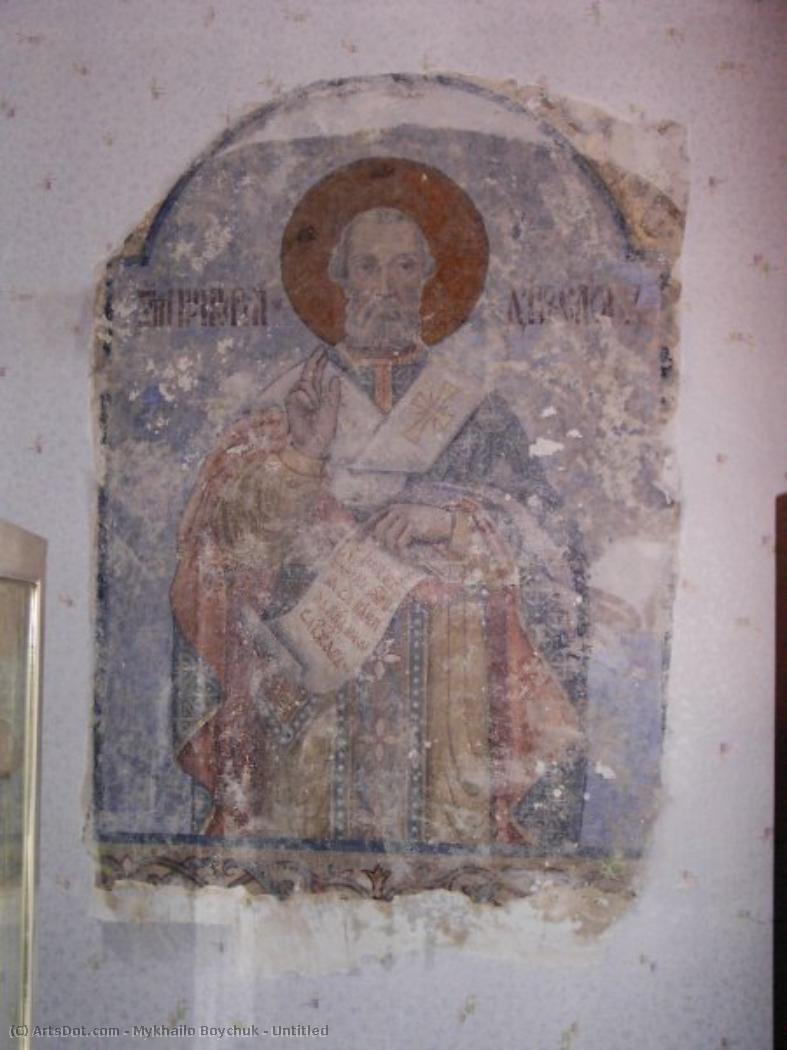
Untitled


 Mehr anzeigen
Handgefertigte Ölreproduktion
Handgemaltes Ölgemälde auf Leinwand in Ihrer Wunschgröße und mit Rahmen, auf Bestellung von unseren Künstlern angefertigt. ( Zum Druck bestellen Zum Bild wechseln)




































Wählen Sie aus unseren vordefinierten Formaten, die den ursprünglichen Proportionen des Kunstwerks entsprechen.

Sie können Ihre eigenen Maße eingeben, um einen bestimmten Rahmen oder Platz auszufüllen. Wenn die gewählte Größe nicht den Proportionen des Originalbildes entspricht, werden wir das Kunstwerk entweder beschneiden oder das Gemälde durch zusätzliche, handgemalte Elemente erweitern. Ein digitales Mockup wird Ihnen zur Genehmigung zugesandt, bevor die Produktion beginnt.
Bitte beachten Sie, dass die Bildschirmvorschau nicht die tatsächliche Beschneidung oder Erweiterung widerspiegelt. Nur das Mockup zeigt die endgültige Komposition exakt an.
Obwohl Sondermaße verfügbar sind, empfehlen wir, eine Größe aus der vordefinierten Liste zu wählen, um die ursprünglichen Proportionen beizubehalten.
Nach der Bestellung wird das OriginalUniqueArt.com-Team dem Kunden Anweisungen per E-Mail zusenden und eine Mockup-Vorschau bereitstellen.
Weltweiter Versand () in nur 3 bis 4 Wochen statt der üblichen 5 Wochen. (5 August). Keine Kompromisse bei der Qualität.

Kostenloser weltweiter Expressversand

Hochwertige Leinenleinwand

Vollumfänglicher Versicherungsschutz beim Versand

Zollgebühren-Rückerstattungsgarantie

Garantie für exakte Farbtreue

60 Tage Rückgaberecht (nur bei Mängeln)

100% Geld-zurück-Garantie

Angebot für Mengenrabatt
 Die Glasoption ist nur in Größen unter 110 cm verfügbar.

Untitled
Reproduktionsmedium
Format der Reproduktion
-


Gesamtpreis
$ 300
Künstlerbiografie
Mykhailo Boychuk: The Byzantine Soul of Ukrainian Monumental Art
Mykhailo Lvovych Boychuk (1882 – 1937) stands as a singular figure in Ukrainian art history—a painter who wrestled with the monumental spirit of Byzantium and fused it with the revolutionary fervor of Soviet Ukraine. Born Romanivka, now Ternopil Oblast, he emerged from humble beginnings to become one of the most influential artists of his generation, shaping the visual landscape of his nation during a turbulent period. His legacy continues to inspire admiration for its uncompromising vision and enduring artistic power.Early Life & Artistic Formation
Boychuk’s formative years were steeped in Ukrainian peasant culture, yet he possessed an innate inclination towards art from a young age. Studying under Yulian Pankevych in Lviv instilled in him the foundational principles of Western European painting—particularly Impressionism—before he ventured to Kraków Academy of Fine Arts where he honed his skills and graduated in 1905. Further explorations into Viennese and Munich artistic traditions broadened his horizons, exposing him to diverse stylistic approaches that would ultimately inform his distinctive oeuvre. The Salon des Indépendants in Paris in 1910 marked a pivotal moment, showcasing Boychuk’s groundbreaking frescoes alongside those of fellow artists Félix Vallotton, Paul Sérusier, and Maurice Denis—a collective known as the Boychukists—who championed a revival of Byzantine art as a catalyst for national renewal. This group recognized that Western artistic conventions were inadequate to express the deepest aspirations of Ukrainian identity, seeking instead inspiration from the monumental grandeur and spiritual solemnity of Byzantium’s artistic heritage.The Boychukist Style & Byzantine Influence
Boychuk's artistic philosophy centered on a deliberate return to the grandeur and spiritual depth of Byzantine iconography. He argued that this tradition represented the purest expression of Ukrainian identity, rejecting Western academic conventions in favor of monumental synthesis—a technique characterized by flattened planes, bold color palettes, and stylized figures imbued with symbolic resonance. This wasn’t merely stylistic; it was underpinned by a profound intellectual conviction – a belief that Byzantium offered a model for artistic integrity and spiritual contemplation untouched by the materialism of the modern era. The Boychukists meticulously studied Byzantine frescoes and icons, analyzing their compositional strategies and color harmonies to develop their own distinctive visual language—a language rooted in tradition yet imbued with an urgent desire to articulate the anxieties and aspirations of a nation grappling with its place in the unfolding drama of European history. He insisted that Ukrainian art should aspire to achieve similar levels of spiritual intensity and artistic grandeur, rejecting superficial ornamentation in favor of profound symbolic representation.Monumental Commissions & Artistic Achievements
Boychuk’s artistic reputation soared during the 1920s as he undertook ambitious commissions for Soviet Ukraine—primarily fresco cycles adorning churches and civic buildings across Kyiv and Kharkiv. His monumental paintings tackled themes of heroism, sacrifice, and revolutionary idealism, embodying the aspirations of a nation striving to forge its own path amidst the upheavals of the Russian Revolution. Among his most celebrated achievements are the frescoes in St. Volodymyr Cathedral in Kyiv—a breathtaking testament to Byzantine artistic principles executed with unparalleled skill and conviction—and the monumental mural depicting “The Triumph of Lenin” in Kharkiv’s Kharkiv Philharmonic Hall, a striking example of Soviet propaganda art infused with Boychuk's distinctive stylistic vision. These projects demanded meticulous planning and collaborative effort, reflecting Boychuk’s belief that true artistic greatness could only emerge from collective engagement with profound cultural and ideological concerns.Tragic Fate & Enduring Legacy
Despite his considerable success as an artist and educator, Boychuk’s life was tragically cut short during the Great Purge of 1937—a period of political repression orchestrated by Joseph Stalin. Along with his wife, Sofia Nalepinska—also a talented painter—he was executed without trial, silencing one of Ukraine's most luminous artistic voices. However, Boychuk’s influence endured through his students—including Tymofiy Boychuk and Ivan Padalka—who continued to champion his stylistic principles and contribute to Ukrainian art. Today, Mykhailo Boychuk remains revered as a visionary artist who dared to reimagine national identity through the timeless language of Byzantine art—a testament to the enduring power of artistic conviction and the tragic loss of a brilliant creative mind. His works continue to inspire awe and contemplation, cementing his place as one of Ukraine’s foremost cultural icons.
Mychailo Bojtschuk
1882 - 1937 , Ukraine
Eckdaten zum Künstler
- Artistic Movement Or Style: Monumentalismus; Byzantinische Fresken & Mosaike
- Artists Or Movements Influenced By This Artist: ['Boychukismus']
- Artists Who Influenced This Artist:
- Yulian Pankevych
- Félix Vallotton
- Paul Sérusier
- Maurice Denis
- Date Of Birth: Romanivka, Ukraine (1882)
- Date Of Death: Kyiv (1937)
- Full Name: Mykhailo Lvovych Boychuk
- Nationality: Ukrainerisch
- Notable Artworks:
- Ernte
- Unbetitelte Darstellung
- Place Of Birth: Romanivka, Österreichisch-Ungarn

