

 Vorschau anzeigen
 Versenden
 Teilen
 Details anzeigen

 Herunterladen
 Ähnliche Objekte
 Röntgenaufnahme
 Diashow
Shimabara Courtesans Exorcizing Demons
 701
701 87.0cm x 27.0cm
 Weiterlesen
Erwerben Sie ein hochauflösendes, optimiertes digitales Bild, das der Online-Vorschau weit überlegen ist.
Jede Datei wird von unseren hauseigenen Spezialisten mit modernsten Werkzeugen und fachmännischer manueller Retusche sorgfältig vorbereitet. Wir stellen sicher, dass jedes Bild eine außergewöhnliche Klarheit, präzise Farbgenauigkeit und feinste Details aufweist.
Die endgültige Datei wird innerhalb von 72 Stunden per E-Mail zugestellt und ist für den sofortigen Einsatz in professionellen, redaktionellen und Druckumgebungen optimiert. Es handelt sich um dieselbe Qualität, der führende Designstudios, Verlage und Galerien vertrauen.
Digitales Bild
Laden Sie eine hochauflösende Datei für die persönliche Präsentation, den Druck und kreative Projekte herunter. ( Druck bestellen Handgemalte Reproduktion bestellen)
In jeder Bestellung digitaler Bilder enthalten
Professionelle digitale Bereitstellung, garantiert
Wenn Sie sich für OriginalUniqueArt.com entscheiden, erhalten Sie nicht nur ein Bild – Sie erhalten ein professionell aufbereitetes digitales Kunstwerk, das mit höchster Präzision erstellt und durch eine Zufriedenheitsgarantie abgesichert wird. Hier ist alles, was automatisch mit Ihrer Bestellung geliefert wird:

Schnelle E-Mail-Zustellung
Ihre hochauflösende digitale Bilddatei wird Ihnen innerhalb von 72 Stunden nach der Bestellung per E-Mail zugestellt – bereit zur sofortigen Verwendung.

KI-optimierte digitale Datei
Ihre Kunstwerke werden professionell mithilfe fortschrittlicher KI-Tools und manueller Bearbeitung optimiert, um maximale Detailtreue, Klarheit und Farbgenauigkeit zu gewährleisten.

Lebenslanger kostenloser Neudruckservice
Datei versehentlich gelöscht oder verloren? Keine Sorge – wir senden sie Ihnen jederzeit kostenlos erneut zu.

Keine Einfuhrgebühren – jemals
Genießen Sie Ihr Kunstwerk sofort ohne Zollgebühren, Einfuhrabgaben oder Versandkosten – digitale Downloads sind immer steuerfrei.

Garantierte Farbtreue
Wir garantieren, dass Ihr digitales Bild mithilfe professioneller Werkzeuge und Farbmanagement die Originalfarben so präzise wie möglich wiedergibt.

60-Tage-Zufriedenheitsgarantie
Sollten Sie mit Ihrem digitalen Bild nicht zufrieden sein, werden wir es überarbeiten oder Ihnen innerhalb von 60 Tagen 100% erstatten – ohne Wenn und Aber.

100% Geld-zurück-Garantie
Nicht zufrieden? Erhalten Sie innerhalb von 60 Tagen nach Erhalt Ihrer digitalen Datei eine vollständige Rückerstattung – ohne Angabe von Gründen.

Rabatte bei Großbestellungen
3 Bilder kaufen, 10% sparen – 5 Bilder kaufen, 15% sparen – Ab 10 Bildern 20% sparen. Ideal für kreative Projekte, Galerien und Agenturen.
Details zum Sammlerstück
Biografie des Künstlers
Miyagawa Isshō: A Pioneer of Kabuki and Erotic Art
Miyagawa Isshō (喜平治, Fujiwara Andō), born around 1689 in Edo (modern Tokyo), was a pivotal figure in the Japanese ukiyo-e movement—a prolific painter specializing in kabuki theater prints and erotic shunga. His artistic output spanned from approximately 1725 to his death in 1779, marking him as one of the most influential artists of his era and establishing a lasting legacy within Japonisme, influencing European art movements during the late 18th and early 19th centuries.- Early Life & Training: Isshō’s formative years were spent under the tutelage of Miyaagawa Chōshun (1682–1752), a master whose own style was deeply rooted in the traditions of the Kano School, known for its meticulous realism and refined aesthetic sensibilities. This influence is evident in Isshō's early works—particularly his depictions of landscapes—demonstrating a careful observation of nature and an adherence to established artistic conventions.
- Influence of Harunobu: Like Chōshun, Isshō was profoundly impacted by Suzuki Harunobu (1725–1770), another innovator who championed the use of color printing techniques. Harunobu’s groundbreaking approach to nishiki-e—bold compositions and vibrant hues—inspired Isshō to push boundaries within his own artistic practice.
The Flowering of Kabuki Prints
Isshō achieved particular renown for his captivating portrayals of kabuki actors. He meticulously captured the dramatic gestures, expressions, and costumes of performers on stage, transforming theatrical performances into visual masterpieces. His prints weren’t merely reproductions; they conveyed the spirit of the theater—the energy, emotion, and spectacle—creating images that continue to resonate with audiences today. Notable works include “Samurai and Wakashu” (Male Youth), showcasing a dynamic scene of a samurai confronting a young man in a stylized pose, reflecting the prevalent themes of honor and youthful idealism within kabuki productions.- Technique & Style: Isshō’s technique involved layering multiple blocks of color—a hallmark of nishiki-e—to achieve stunning visual effects. He skillfully blended tonal gradations and employed subtle shading to imbue his prints with depth and realism, surpassing the limitations of earlier woodblock printing methods.
- Notable Prints: Among Isshō’s celebrated prints are “Courtesan on Parade,” depicting a geisha in opulent attire—a testament to Isshō's ability to capture beauty and elegance. Similarly, "Setsubun" portrays a festive celebration of the New Year, highlighting Isshō’s talent for capturing fleeting moments of everyday life.
Exploring Erotic Shunga: A Bold Experimentation
Beyond his kabuki prints, Isshō ventured into shunga—Japanese erotic art—a genre considered taboo during his time but embraced by many artists as a means of artistic expression. These paintings explored themes of desire and sensuality with remarkable frankness and detail, challenging societal norms and demonstrating Isshō’s willingness to explore unconventional subjects. His shunga prints are notable for their stylistic innovation and psychological insight.- Controversy & Exile: Isshō's artistic endeavors weren't without controversy. Following a dispute over payment for a commission in Nikko—where the patron refused to pay—he was banished from Edo alongside Chōshun, marking a significant setback in his career.
- Legacy & Influence: Despite this exile, Isshō continued to produce exceptional artwork until his death in 1780. His influence extended far beyond Japan, captivating European artists and collectors during Japonisme—a fascination with Japanese art and culture that profoundly impacted Western aesthetics. Isshō’s pioneering use of color printing techniques and his masterful depictions of kabuki theater solidified his place as one of the most important figures in ukiyo-e history.
Conclusion: An Enduring Vision
Miyagawa Isshō's artistic legacy persists today, inspiring artists and scholars alike. His unwavering commitment to innovation—particularly his embrace of color printing and his daring exploration of erotic themes—transformed the landscape of Japanese art and contributed significantly to the dissemination of Japonisme across Europe. He remains a symbol of artistic courage and creativity—a testament to the transformative power of vision and technique.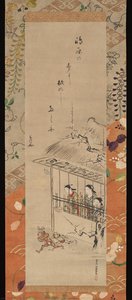
miyagawa isshō
1689 - 1779
Kurzinfos
- Artistic Movement Or Style: Ukiyo-e
- Artists Or Movements Influenced By This Artist: ['Suzuki Harunobu']
- Artists Who Influenced This Artist:
- Hirshikawa Moronobu
- Fujiwara Ando
- Date Of Death: 1780
- Full Name: Miyagawa Isshō
- Nationality: Japanese
- Notable Artworks:
- Courtesan on Parade
- Setsubun (The Day Before the Beginning of Spring)
- Shimabara Courtesans Exorcizing Demons
- Place Of Birth: Tokyo

