

 Vorschau anzeigen
 Versenden
 Teilen
 Details anzeigen

 Herunterladen
 Ähnliche Objekte
 Röntgenaufnahme
 Diashow
 Statistiken
Child with Doll


 Weiterlesen
Giclée / Kunstdruck
Giclée- oder Leinwanddruck in Museumsqualität mit schneller Produktion und flexiblen Veredelungsoptionen. ( Handgemalte Reproduktion bestellen Zum digitalen Bild wechseln)




P118B $10

P118H $10

P118W $10

P438Z $10

P508JH $12

P508YH $12

P805H $10

P805Z $10

P919BZ $10

P919G $10

P919XJ $10

P959ZH $10

P968JZ $12

W106C $8

W218G $10

W218JH $8

W218Y $10

W307PJ $10

W316G $10

W316PJ $8

W316Y $10

W398PJ $8

W4111J $10

W500HY $15

W500JH $15

W692G $12

W849H $8

W940BG $15

W953PJ $8




Wählen Sie aus unseren vordefinierten Formaten, die den ursprünglichen Proportionen des Kunstwerks entsprechen.

Sie können Ihre eigenen Maße eingeben, um ein bestimmtes Format oder einen speziellen Platz einzupassen. Wenn das von Ihnen gewählte Format nicht den Proportionen des Originalbildes entspricht, werden wir das Kunstwerk entweder beschneiden oder das Bild mit einem gespiegelten oder einfarbigen Rand erweitern. Ein digitaler Entwurf wird Ihnen zur Genehmigung zugesandt, bevor die Produktion beginnt.
Bitte beachten Sie, dass die Vorschau auf dem Bildschirm nicht den tatsächlichen Zuschnitt oder die Erweiterung widerspiegelt. Nur der Entwurf zeigt die endgültige Komposition präzise an.
Obwohl Sondermaße verfügbar sind, empfehlen wir die Auswahl eines Maßes aus der vordefinierten Liste, um die ursprünglichen Proportionen zu bewahren.
Weltweiter Versand () innerhalb von 2 Wochen statt der üblichen 4/5 Wochen. (12 September)

Kostenloser weltweiter Expressversand

Hochwertige Leinenleinwand

Umfassender Versicherungsschutz beim Versand

Zollgebühren-Rückerstattungsgarantie

Garantie für exakte Farbtreue

100-Tage-Rückgaberecht (nur bei Mängeln)

100% Geld-zurück-Garantie

Mengenrabatt verfügbar
 Die Glasoption ist nur für Größen unter 110 cm verfügbar.

Child with Doll
Giclée / Kunstdruck
Format der Reproduktion
-


Gesamtpreis
$ 80
Child with Doll – A Quiet Revolution in Color
Milton Avery’s “Child with Doll,” painted in 1944, stands as a testament to the artist's masterful manipulation of color and form—a cornerstone of American Modernism that continues to resonate with audiences today. More than just a depiction of domestic tranquility, it embodies Avery’s profound belief in the expressive power of abstraction, prioritizing emotional resonance over literal representation. The artwork immediately captivates with its bold palette dominated by shades of orange and pink against a grounding expanse of grey—a deliberate choice that reflects Avery's fascination with Matisse and his pioneering exploration of chromatic harmony.Composition & Style: Embracing Simplicity
The canvas is centered around two figures – a mother and child – rendered in simplified geometric shapes: rectangles and ovals. These forms are delineated by thick, confident lines, creating strong visual anchors that convey stability and warmth. Avery eschews traditional perspective, opting instead for a frontal view that emphasizes the immediacy of observation and invites contemplation. This stylistic decision aligns perfectly with the burgeoning interest in Surrealism at the time, where artists sought to bypass rational thought and tap into subconscious impulses—a trend Avery skillfully navigated through his distinctive visual language. The overall impression is one of serene stillness, punctuated by subtle textural variations achieved through broad brushstrokes that lend a palpable sense of materiality to the canvas.Technique & Materials: Palette Knife Texture
Avery’s technique involved applying oil paint onto canvas using a palette knife—a method that imparts a distinctive roughness and physicality to the surface. This deliberate choice contributes significantly to the artwork's emotional impact, mirroring the tactile qualities of everyday life and grounding it in a tangible reality. The careful layering of colors creates depth and luminosity, capturing the diffused light of an interior space with remarkable accuracy. The artist’s meticulous attention to detail—particularly evident in the rendering of the doll—suggests a deep appreciation for craftsmanship and a desire to convey nuanced emotional states through subtle visual cues.Symbolism & Emotional Resonance: Protection and Nurturing
“Child with Doll” transcends mere representation; it speaks to universal themes of maternal care, innocence, and vulnerability. The orange background symbolizes warmth, comfort, and vitality—elements crucial to fostering a secure environment for the child. Avery’s use of color is not arbitrary but purposeful, conveying emotions rather than documenting facts. Like many folk art pieces from the period, this artwork prioritizes expressive form over precise detail, inviting viewers to engage with its emotional core. It's a quiet affirmation of familial bonds and a celebration of the beauty found in simple gestures—a timeless message conveyed through Avery’s groundbreaking artistic vision.Historical Context: Matisse & The Dawn of Abstract Expressionism
Milton Avery emerged during a pivotal moment in American art history, coinciding with the rise of Surrealism and the burgeoning influence of European avant-garde movements. His work stands apart from prevailing trends due to its unwavering commitment to color theory—a principle championed by Henri Matisse—and his pioneering exploration of abstraction as a vehicle for conveying emotion. Avery’s legacy extends far beyond his own lifetime, profoundly impacting subsequent generations of artists who embraced the expressive freedom offered by non-representational painting. “Child with Doll” remains an enduring emblem of this artistic revolution, demonstrating that beauty and meaning can be found in forms stripped bare of convention.Über den Künstler
Frühes Leben und Karriere
Milton Clark Avery wurde am 7. März 1885 in Altmar, New York, geboren. Er zog 1898 nach Connecticut und später nach New York City. Als Sohn eines Gerbereis besorgte sich Avery mit verschiedenen Gelegenheitsjobs seinen Lebensunterhalt.Künstlerische Entwicklung
Averys Interesse an der Kunst führte ihn dazu, Kurse am Connecticut League of Art Students in Hartford zu besuchen. Er übte das Malen im Verborgenen und erhielt eine konservative künstlerische Ausbildung. Ab 1917 arbeitete er nebenberuflich, um tagsüber malen zu können.Ehe und Unterstützung
Im Jahr 1924 lernte Avery Sally Michel kennen, eine junge Kunststudentin, und sie heirateten 1926. Ihr Einkommen als Illustrator ermöglichte es ihm, sich stärker auf das Malen zu konzentrieren. 1932 wurde ihre Tochter March Avery geboren.Aufstieg zur Bedeutung
Averys Durchbruch kam, als Roy Neuberger seine Arbeit entdeckte und beschloss, sie zu fördern. Neuberger kaufte über 100 von Averys Gemälden, darunter Gaspé Landscape, und lieh sie Museen auf der ganzen Welt oder spendete sie. Diese Aufmerksamkeit führte dazu, dass Avery zu einem hoch angesehenen und erfolgreichen Maler wurde.Stil und Einflüsse
Averys Werk ist grundlegend für die amerikanische abstrakte Malerei und konzentriert sich auf Farbverhältnisse. Sein Stil war von französischem Fauvismus und deutschem Expressionismus beeinflusst; seine frühen Arbeiten ähnelten denen von Ernst Ludwig Kirchner. In den 1940er Jahren wurde Averys Stil dem von Henri Matisse ähnlicher, wobei er Farben mit großer Subtilität einsetzte.- Wichtige Werke:
- Museen mit Averys Werken:
- The Phillips Collection, Washington, D.C. view milton avery's artworks on OriginalUniqueArt
- Montefiore Hospital, New York
- Bemerkenswerte Assoziationen:
Vermächtnis und Tod
Avery starb am 3. Januar 1965 im Montefiore Hospital in der Bronx, New York. Er wurde auf dem Künstlerfriedhof in Woodstock, Ulster County, New York, beigesetzt. Nach seinem Tod spendete seine Witwe, Sally Avery, seine persönlichen Papiere dem Archives of American Art, einem Forschungsinstitut der Smithsonian Institution. explore more artists on OriginalUniqueArt
Milton Avery
1885 - 1965 , Vereinigte Staaten von Amerika
Kurzinfos
- Bemerkenswerte Werke:
- Gaspé Landscape
- Central Park
- The Flight of Birds
- Geburtsdatum: 7. März 1885
- Geburtsort: Altmar, USA
- Künstler Oder Bewegungen, Die Von Diesem Künstler Beeinflusst Wurden: ['Abstract Expressionismus']
- Künstler, Die Diesen Künstler Beeinflussten:
- Ernst Ludwig Kirchner
- Henri Matisse
- Fauvismus
- Expressionismus
- Künstlerische Bewegung Oder Stil: Moderner Amerikanischer
- Nationalität: Amerikanisch
- Todatum: 3. Januar 1965
- Vollständiger Name: Milton Avery
Ähnliche Artikel

The Heart of Folk Art: Discover the Beauty of Tradition and Storytelling
Explore the profound beauty of folk art through its rich history and storytelling traditions. Discover how Naive Art and cultural heritage preserve ancestral narratives through vibrant color and symbolism for the modern collector.

The Pure Charm of Naïve Art: Finding Beauty in Simplicity, Soul, and the Unfiltered Vision
Discover the profound beauty of Naïve Art. Explore how self-taught masters bypass academic tradition to capture raw emotional truth through vibrant color and soulful simplicity. A cultural journey for the true art lover seeking depth beyond convention.
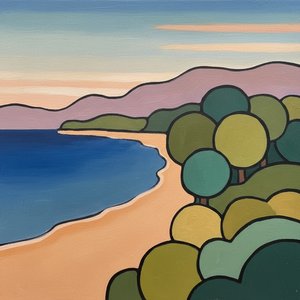
Milton Avery: Eine poetische Vision von Farbe und Form im amerikanischen Modernismus
Entdecken Sie Milton Avery (1885-1965), einen Pionier des amerikanischen Modernismus! Unsere Expertenanalyse beleuchtet Averys einzigartigen Stil, seine Farbpoesie und seinen Einfluss auf die Kunstgeschichte. Jetzt lesen!

Echoes of Tradition: Exploring the Enduring Legacy of Folk Art Movements
Explore the rich history of folk art movements worldwide! Discover definitions, notable artists, and the enduring legacy of this captivating tradition. Expert insights & high-quality reproductions at OriginalUniqueArt.

The Soul of Tradition: Exploring the Vibrant Heritage and Naive Mastery of Global Folk Art
Discover the profound beauty of folk art through a cultural lens. Explore how naive masterpieces and vibrant global traditions preserve heritage, offering timeless inspiration for collectors and art enthusiasts seeking authenticity and soul in every brushstroke.
