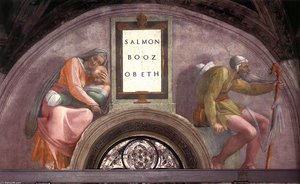
Vorschau anzeigen
 Versenden
 Teilen
 Details anzeigen
 Leitfaden

 Herunterladen
 Ähnliche Objekte
 Röntgenaufnahme
 Diashow
 Statistiken
St Jerome
 Acryl auf Leinwand
- Wandkunst
- Renaissance
 1493
1493- Renaissance
 285.0 x 209.0 cm
 Louvre
 Weiterlesen
Giclée / Kunstdruck
Giclée- oder Leinwanddruck in Museumsqualität mit schneller Produktion und flexiblen Veredelungsoptionen. ( Handgemalte Reproduktion bestellen Zum digitalen Bild wechseln)




P118B €10

P118H €10

P118W €10

P438Z €10

P508JH €12

P508YH €12

P805H €10

P805Z €10

P919BZ €10

P919G €10

P919XJ €10

P959ZH €10

P968JZ €12

W106C €8

W218G €10

W218JH €8

W218Y €10

W307PJ €10

W316G €10

W316PJ €8

W316Y €10

W398PJ €8

W4111J €10

W500HY €15

W500JH €15

W692G €12

W849H €8

W940BG €15

W953PJ €8




Wählen Sie aus unseren vordefinierten Formaten, die den ursprünglichen Proportionen des Kunstwerks entsprechen.

Geben Sie die benötigte Breite und Höhe an, damit der Druck perfekt in Ihren Rahmen oder an Ihre Wand passt. Ein Druck kann nur beschnitten, aber niemals größer als das Originalbild angefertigt werden; daher verliert ein Format mit anderen Proportionen einen Teil des Bildes. Wir senden Ihnen ein digitales Mockup zur Freigabe, bevor wir den Druck ausführen. Das auf dieser Seite gezeigte Bild zeigt nicht den tatsächlichen Beschnitt – dies ist nur im Mockup ersichtlich.
Weltweiter Versand () innerhalb von 2 Wochen statt der üblichen 4/5 Wochen. (27 Oktober)

Kostenloser weltweiter Expressversand

Hochwertige Leinenleinwand

Umfassender Versicherungsschutz beim Versand

Zollgebühren-Rückerstattungsgarantie

Garantie für exakte Farbtreue

100 Tage Rückgaberecht (nur bei Mängeln)

100% Geld-zurück-Garantie

Mengenrabatt verfügbar
 Die Glasoption ist nur für Größen unter 110 cm verfügbar.

St Jerome
Giclée / Kunstdruck
Format der Reproduktion
-


Endpreis
€ 70
Michelangelo Buonarroti: Ein Titan der Renaissance
Michelangelo di Lodovico Buonarroti Simoni (6. März 1475 – 18. Februar 1564), der schlicht als Michelangelo bekannt wurde, war ein italienischer Bildhauer, Maler, Architekt und Dichter der Hochrenaissance. Geboren in der Republik Florenz, war sein Schaffen von den Idealen der klassischen Antike inspiriungiert und übte einen bleibenden Einfluss auf die westliche Kunst aus. Seine schöpferischen Fähigkeiten und seine Meisterschaft in einer Vielzahl künstlerischer Disziplinen definieren ihn als den archetypischen Renaissance-Menschen, an der Seite seines Rivalen und älteren Zeitgenossen Leonardo da Vinci. Angesichts des enormen Volumens an überlieferter Korrespondenz, Skizzen und Erinnerungen gehört Michelangelo zu den am besten dokumentierten Künstlern des 16. Jahrhunderts. Zeitgenössische Biografen priesen ihn bereits als den vollendetsten Künstler seiner Ära. Michelangelo erlangte schon früh Berühmtheit. Zwei seiner bekanntesten Werke, die Pietà und der David, wurden bereits vor seinem 30. Lebensjahr geschaffen. Obwohl er sich selbst nicht primär als Maler betrachtete, schuf Michelangelo zwei der einflussreichsten Fresken der westlichen Kunstgeschichte: die Szenen aus der Genesis an der Decke der Sixtinischen Kapelle in Rom und das Jüngste Gericht an deren Altarwand. Sein Entwurf für die Laurentinische Bibliothek ebnete den Weg für die Architektur des Manierismus. Im Alter von 71 Jahren trat er die Nachfolge von Antonio da Sangallo dem Jüngeren als Architekt des Petersdoms an. Michelangelo transformierte den ursprünglichen Plan so grundlegend, dass das westliche Ende und die Kuppel – nach einigen Modifikationen nach seinem Tod – nach seinen Entwürfen vollendet wurden. Michelangelo war der erste westliche Künstler, dessen Biografie zu Lebzeiten veröffentlicht wurde; drei Biografien erschienen während seiner Lebenszeit. Eine davon, verfasst von Giorgio Vasari, behauptete, dass Michelangelos Werk das jeglicher lebenden oder verstorbenen Künstler übertraf und „nicht nur in einer Kunst, sondern in allen drei erhaben“ sei. Die künstlerische Reise Michelangelos ist in verschiedenen Publikationen hervorragend dokumentiert, darunter Die Manchester Madonna und St. Matthäus.Frühes Leben und Ausbildung (1475–1496)
- Michelangelo di Lodovico Buonarroti Simoni wurde am 6. März 1475 in Caprese Michelangelo, Toskana, geboren.
- Anfänglich widersetzte sich sein Vater einer künstlerischen Laufbahn, gab jedoch angesichts des außergewöhnlichen Zeichnungstalents seines Sohnes schließlich nach.
- Im Alter von 13 Jahren trat er in die Lehrwerkstatt von Domenico Ghirlandaio ein, wo er die Techniken der Freskomalerei und des Zeichnens erlernte.
- Bald entwickelte er eine Vorliebe für die Bildhauerei, indem er die klassischen Werke in den Medici-Gärten studierte – eine entscheidende prägende Phase.
Frühwerk: Der Weg zur Meisterschaft (1490–1505)
- Um 1496 erhielt er seinen ersten bedeutenden Auftrag: die Skulptur der Pietà, die im Jahr 1499 vollendet wurde.
- Die Pietà, die sich heute im Petersdom befindet, demonstrierte seine Meisterschaft in der Marmorbearbeitung und seine emotionale Tiefe.
- Sein nächstes monumentales Werk war die kolossale Statue des David (1501–1504), ein Symbol für die republikanischen Ideale von Florenz.
Details des Gemäldes
St. Hieronymus entstand im Jahr 1493 während der frühen Schaffensphase Michelangelos, wobei die Feder als primäres Medium diente. Das Kunstwerk misst 285 x 209 cm und wird derzeit im Musée du Louvre in Paris, Frankreich, aufbewahrt.Künstlerische Bedeutung
Dieses Werk ist ein Zeugnis für Michelangelos disegno, ein Begriff, der sowohl das Zeichnerische als auch den konzeptionellen Entwurf umfasst. Giorgio Vasari bezeichnete ihn als „den göttlichen Zeichner und Gestalter“. Die künstlerische Reise Michelangelos ist in verschiedenen Publikationen bestens dokumentiert, unter anderem in Die Manchester Madonna und St. Matthäus.Michelangelos künstlerischer Weg
Die künstlerische Entwicklung Michelangelos ist durch verschiedene Publikationen hervorragend belegt, einschließlich der Werke Die Manchester Madonna und St. Matthäus.Weitere bedeutende Werke Michelangelos
Das Œuvre Michelangelos umfasst noch weitere bemerkenswerte Stücke, wie etwa die Ignudi (10), die Teil der Fresken in der Sixtinischen Kapelle sind. Seine Skulpturen, wie die Pietà, zeigen seine Fähigkeit, das Wesen der menschlichen Form einzufangen.Fazit
St. Hieronymus von Michelangelo Buonarroti ist ein Meisterwerk, das die technische Brillanz und die künstlerische Vision des Meisters verkörpert. Als Kunstexperte und Fachberater für OriginalUniqueArt.com empfehle ich Ihnen sehr, weitere Werke Michelangelos zu entdecken, die auf unserer Website als handgefertigte Ölgemälde-Reproduktionen erhältlich sind. OriginalUniqueArt.com bietet eine breite Palette an handgefertigten Ölgemälde-Reproduktionen, darunter Werke von Michelangelo Buonarroti. Besuchen Sie unsere Website, um diese wunderschönen Kunstwerke zu entdecken und zu erwerben.Fragen & Antworten
Wie spiegeln sich Stilrichtung und Epoche in "St Jerome" von Michelangelo Buonarroti wider?
"St Jerome" gehört der Strömung des Renaissance an, und sein Schöpfer war in der Ära der Renaissance tätig.
Was stellt "St Jerome" dar?
Die Themen in "St Jerome" von Michelangelo Buonarroti umfassen michelangelo, saint jerome, renaissance art, religious iconography, drawing technique, contemplation, classical influence, italian painting und fassen gemeinsam den Gegenstand des Kunstwerks zusammen.
Welche Technik und welche Größe hat das Original von "St Jerome" von Michelangelo Buonarroti?
"St Jerome" von Michelangelo Buonarroti wurde in Acryl auf Leinwand ausgeführt und hat die Maße 285 x 209 cm.
Künstlerbiografie
Michelangelo Buonarroti: Ein Renaissance-Titan
Frühes Leben und Ausbildung (1475–1496)
- Michelangelo di Lodovico Buonarroti Simoni wurde am 6. März 1475 in Caprese Michelangelo, Toskana, geboren.
- Anfangs lehnte sein Vater eine künstlerische Karriere ab, räumte aber seinem Sohn aufgrund seines außergewöhnlichen Talents im Zeichnen nach.
- Mit dreizehn Jahren machte er eine Lehre bei Domenico Ghirlandaio und lernte Freskomalerei und Zeichentechniken.
- Bald zog er sich der Bildhauerei zu, studierte klassische Werke in den Medici-Gärten – ein prägendes Einfluss.
Frühe Periode: Etablierung der Meisterschaft (1490–1505)
- Um 1496 erhielt er seine erste größere Auftragsarbeit: die Skulptur der Pietà, die 1499 fertiggestellt wurde.
- Die Pietà, die im Petersdom ausgestellt ist, zeigte seine Meisterschaft in der Marmorbearbeitung und seine emotionale Tiefe.
- Seine nächste bedeutende Arbeit war der kolossale Statue von David (1501–1504), der florentinischen Republikanismus symbolisierte.
- Der David, über 17 Fuß hoch, demonstrierte sein anatomisches Verständnis und seine Fähigkeit, Stein zum Leben zu erwecken.
Die Hochrenaissance: Fresken der Sixtinischen Kapelle (1505–1520)
- Papst Julius II beauftragte Michelangelo 1508 mit dem Malen der Decke der Sixtinischen Kapelle.
- Über vier Jahre malte er über 300 Figuren, die Szenen aus der Genesis darstellen, darunter Die Schöpfung Adams.
- Diese monumentale Freskenzyklus ist ein Meilenstein in der westlichen Kunst und demonstriert seine kompositorische Begabung und seine Erzählkraft.
- Er begann auch mit der Arbeit an Papst Julius II.s Grab – einem Projekt, das Jahrzehnte dauern sollte, aber ursprünglich nicht wie geplant fertiggestellt wurde.
Spätere Jahre: Architektur und das „Jüngste Gericht“ (1520–1564)
- Im Jahr 1520 wurde Michelangelo Architekt des Petersdoms in Rom und veränderte Bramantes Design erheblich.
- Zwischen 1536 und 1541 malte er Das Jüngste Gericht an der Wandaltar der Sixtinischen Kapelle.
- Diese riesige Fresko zeigte die Wiederkunft Christi mit dramatischer Komposition und emotionaler Intensität, die eine Verschiebung hin zum Manierismus widerspiegelte.
Einflüsse und künstlerische Entwicklung
- Klassische Antike: Die Beschäftigung mit griechischen und römischen Skulpturen hatte tiefgreifenden Einfluss auf sein Verständnis von Anatomie und Proportionen.
- Renaissance-Humanismus: Der Schwerpunkt auf menschliches Potenzial ist in seiner Feier der menschlichen Form deutlich erkennbar.
- Florentinische Tradition: Er baute auf dem Werk von Künstlern wie Donatello und Masaccio auf.
- Sein Stil entwickelte sich von klassischer Idealität zu einer dynamischeren und ausdrucksstärkeren Manierismus.
Historische Bedeutung und Vermächtnis
- Michelangelo gilt als einer der größten Künstler aller Zeiten, der den „Renaissance-Mann“ verkörpert.
- Seine Skulpturen, Gemälde und Architektur haben Generationen inspiriert und werden die Zuschauer weltweit weiterhin fesseln.
- Er beeinflusste maßgeblich sowohl die Hochrenaissance- als auch die Manierismus-Bewegungen.
- Seine anatomische Genauigkeit, dramatischen Kompositionen und emotionale Tiefe setzten neue Maßstäbe für künstlerische Exzellenz.
Letzte Jahre
- Michelangelo starb am 18. Februar 1564 in Rom und hinterließ ein unvergleichliches Werk.
- Sein Vermächtnis prägt weiterhin unser Verständnis von Schönheit, Macht und menschlichem Potenzial.

Michelangelo Buonarroti
1475 - 1564 , Italien
Kurzinfos
- Beeinflusste Künstler:
- Donatello
- Masaccio
- Bemerkenswerte Werke:
- Pietà
- David
- Sixtinische Kapelle
- Das Jüngste Gericht
- Geburtsdatum: 06. März 1475
- Geburtsort: Caprese Michelangelo, Italien
- Künstlerische Bewegung:
- Hochrenaissance
- Manierismus
- Nationalität: Italienisch
- Todatum: 18. Februar 1564
- Vollständiger Name: Michelangelo Buonarroti
- Von Künstlern Beeinflusst: ['Klassische Antike']
Ähnliche Artikel

Michelangelo Buonarroti: Die 25 Meisterwerke des Renaissance-Genies | OriginalUniqueArt
Entdecken Sie die 25 Meisterwerke von Michelangelo Buonarroti! Von David bis zur Sixtinischen Kapelle – erleben Sie Renaissance Kunst in ihrer ganzen Pracht. Hochwertige Kunstdrucke & Inspiration für Ihr Zuhause auf OriginalUniqueArt.com.

Das Familienerbe an die Wand bringen: Wandgemälde als Generationenschatz
Verwandeln Sie Ihre Familiengeschichte in ein beeindruckendes Wandgemälde! Expertenrat & hochwertige Handwerkskunst für einzigartige Kunstwerke, die Generationen verbinden. Entdecken Sie jetzt!

Bronze-Meisterwerke: Die 10 Skulpturen, die Kunstgeschichte schrieben | OriginalUniqueArt
Entdecken Sie die 10 legendärsten Bronze Skulpturen der Kunstgeschichte! Von Michelangelo bis Rodin – erfahren Sie die Geschichten hinter den Meisterwerken und lassen Sie sich von Wanddeko-Ideen inspirieren. Hochwertige Kunstdrucke auf OriginalUniqueArt.com.
The Enduring Legacy of Fresco Painting: Techniques, History & Contemporary Relevance
Explore the rich history & enduring artistry of fresco painting – from Giotto to Michelangelo! Discover techniques, conservation efforts, & modern applications. Learn how OriginalUniqueArt brings this timeless art form to your home.

Die 10 legendärsten Bronzestatuen: Meisterwerke, die Kunstgeschichte schrieben | OriginalUniqueArt
Entdecken Sie die 10 legendärsten Bronzestatuen der Kunstgeschichte! Von Rodin bis Michelangelo – erfahren Sie die Geschichten hinter ikonischen Skulpturen und finden Sie hochwertige Reproduktionen für Ihr Zuhause. Jetzt bei OriginalUniqueArt entdecken!