
 Vorschau anzeigen
 Versenden
 Teilen
 Details anzeigen

 Herunterladen
 Ähnliche Objekte
 Röntgenaufnahme
 Diashow
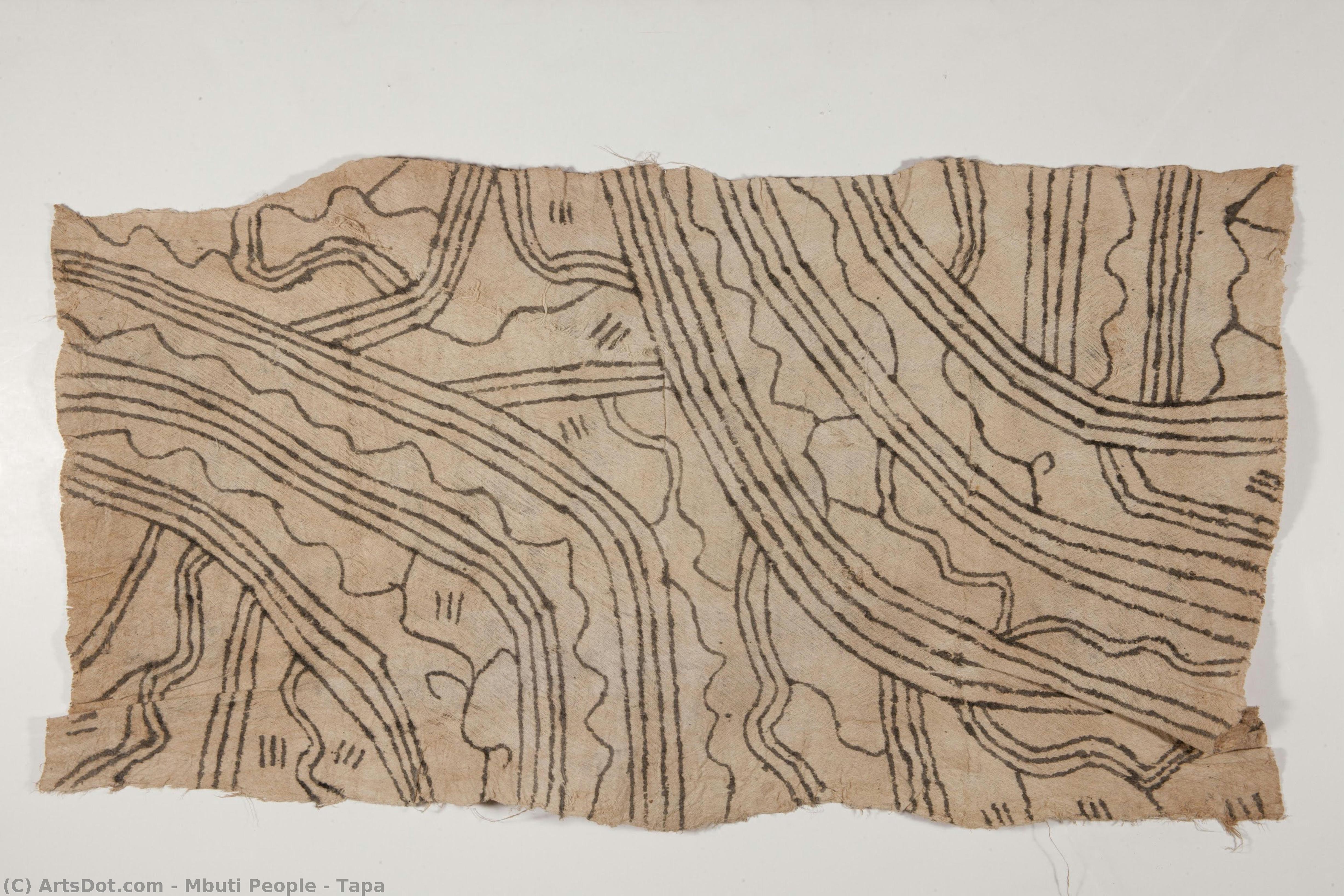
Tapa

 Weiterlesen
Handgefertigte Ölreproduktion
Handgemaltes Ölgemälde auf Leinwand in Ihrer Wunschgröße und mit Rahmen, auf Bestellung von unseren Künstlern angefertigt. ( Druck bestellen Bild kaufen)




































Wählen Sie aus unseren vordefinierten Formaten, die den ursprünglichen Proportionen des Kunstwerks entsprechen.

Sie können Ihre eigenen Maße eingeben, um einen bestimmten Rahmen oder Platz auszufüllen. Wenn die gewählte Größe nicht den Proportionen des Originalbildes entspricht, werden wir das Kunstwerk entweder beschneiden oder das Gemälde durch zusätzliche, handgemalte Elemente erweitern. Ein digitales Mockup wird Ihnen zur Genehmigung zugesandt, bevor die Produktion beginnt.
Bitte beachten Sie, dass die Bildschirmvorschau nicht die tatsächliche Beschneidung oder Erweiterung widerspiegelt. Nur das Mockup zeigt die endgültige Komposition exakt an.
Obwohl Sondermaße verfügbar sind, empfehlen wir, eine Größe aus der vordefinierten Liste zu wählen, um die ursprünglichen Proportionen beizubehalten.
Nach der Bestellung wird das OriginalUniqueArt.com-Team dem Kunden Anweisungen per E-Mail zusenden und eine Mockup-Vorschau bereitstellen.
Weltweiter Versand () in nur 3 bis 4 Wochen statt der üblichen 5 Wochen. (21 August). Keine Kompromisse bei der Qualität.

Kostenloser weltweiter Expressversand

Hochwertige Leinenleinwand

Umfassender Versicherungsschutz beim Versand

Zollgebühren-Rückerstattungsgarantie

Garantie für exakte Farbtreue

60 Tage Rückgaberecht (nur bei Mängeln)

100% Geld-zurück-Garantie

Mengenrabatt verfügbar
 Die Glasoption ist nur für Größen unter 110 cm verfügbar.

Tapa
Art der Reproduktion
Format der Reproduktion
-


Gesamtpreis
$ 300
Über den Künstler
The Soul of Egalitarian Tradition: Exploring Mbuti Art and Culture
The mbuti people, also known as bambuti, represent a remarkable corner of African cultural heritage – a vibrant tapestry woven from hunter-gatherer traditions that persist to this day. Originating in the Democratic Republic of Congo, their artistic expression is particularly noteworthy for its profound connection to social organization and egalitarian values, offering a unique lens through which to understand precolonial Africa.- Origins & Lifestyle: The mbuti inhabit dense rainforests of Central Africa, practicing a nomadic lifestyle centered around hunting wild animals like antelopes and bush pigs alongside gathering edible plants and insects. This subsistence economy profoundly shapes their worldview and informs the motifs found in their art. Their daily existence is dictated by seasonal cycles—the abundance of certain foods during rainy seasons influencing social rituals and artistic representations.
- Tapa Textiles – A Visual Language: Perhaps the most recognizable form of mbuti artistic achievement is Tapa cloth—woven from bark fibers—which serves as more than just clothing; it’s a visual record of social history, kinship ties, and ritual significance. The intricate geometric patterns aren't merely decorative; they encode information about clan membership, age grades, and individual status. Each pattern tells a story – recounting migrations, commemorating births, and celebrating milestones within the community. Researchers have painstakingly documented these textiles, revealing astonishing detail about mbuti social dynamics.
- Symbolism & Narrative: Recurring motifs in Tapa textiles include spirals, diamonds, and zigzags—symbols that hold deep cultural meaning relating to fertility, protection, and the cyclical nature of life. These patterns often depict scenes from daily life, hunting expeditions, and ancestral narratives passed down through generations. The spiral motif symbolizes regeneration and continuity – reflecting the belief that all things return to their origins and then emerge anew.
- Influence & Contact History: European explorers began documenting mbuti culture in the late 19th century, sparking initial interest but also introducing pressures for assimilation. Despite these challenges—including attempts to settle them and introduce farming—the mbuti have steadfastly maintained their traditions, demonstrating resilience against external forces. Early anthropological studies by Marcel Griaule and Pierre Verger played a crucial role in shaping Western perceptions of mbuti culture, though it’s important to note that these accounts often reflected colonial biases.
- Contemporary Significance: Today, mbuti art continues to inspire artists globally, highlighting the enduring power of indigenous artistic expression rooted in egalitarian social structures. Museums like the Museum of the Galician People showcase collections that celebrate this cultural heritage and promote understanding of diverse perspectives on human experience. Furthermore, contemporary mbuti artisans are experimenting with new mediums—incorporating elements of modern design while honoring ancestral techniques—demonstrating a dynamic engagement with tradition and innovation.

Mbuti
Demokratische Republik Kongo
Kurzinfos
- Artistic Movement Or Style: Tapa Textilien
- Full Name: mbuti people
- Nationality: Afrikanisch
- Notable Artworks: ['Tapa']
- Place Of Birth: Democratic Republic of the Congo

