
 Vorschau anzeigen
 Versenden
 Teilen
 Details anzeigen

 Herunterladen
 Ähnliche Objekte
 Röntgenaufnahme
 Diashow
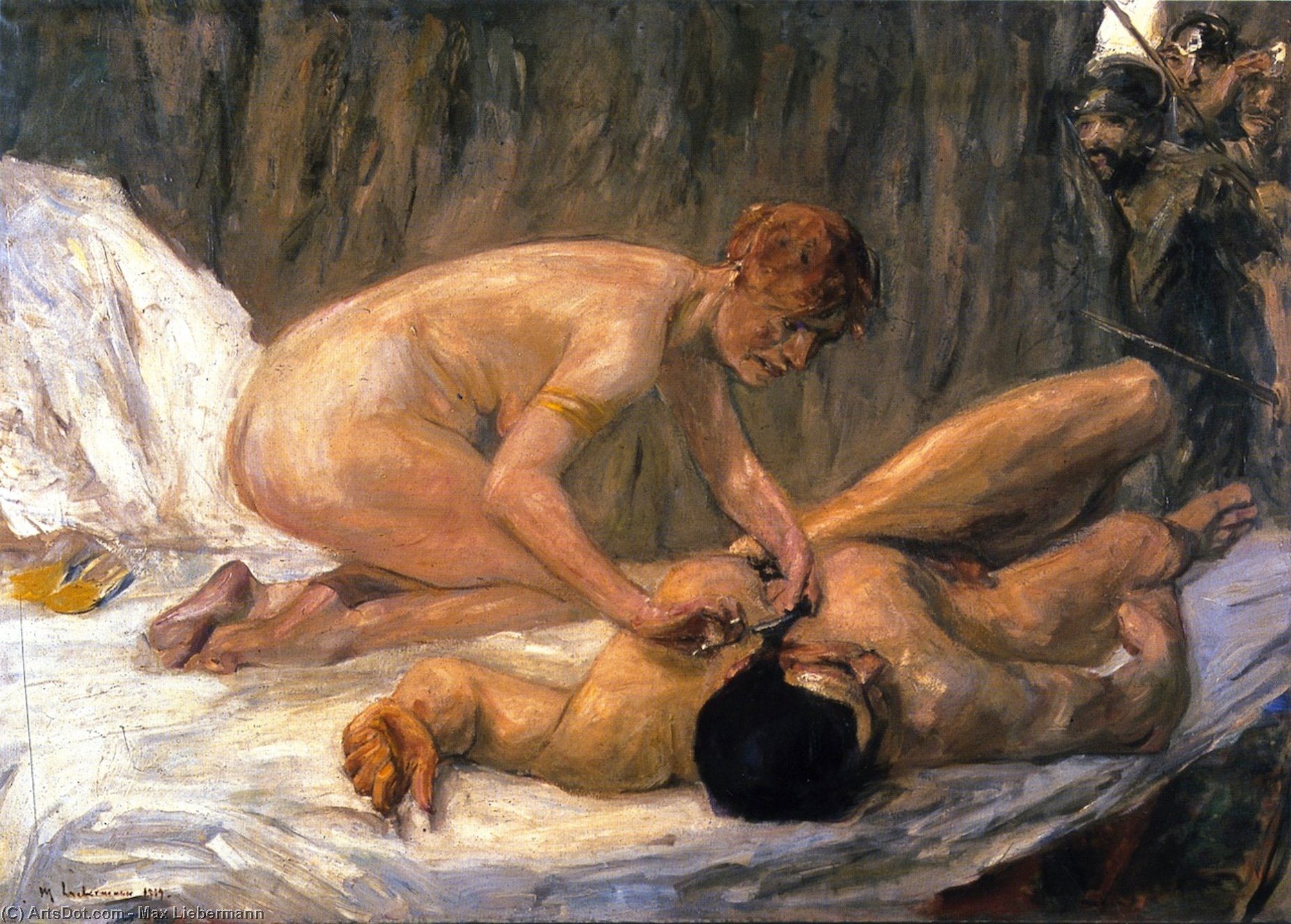
Samson and Delilah


 Weiterlesen
Erwerben Sie ein hochauflösendes, optimiertes digitales Bild, das der Online-Vorschau weit überlegen ist.
Jede Datei wird von unseren hauseigenen Spezialisten mit modernsten Werkzeugen und fachmännischer manueller Retusche sorgfältig vorbereitet. Wir stellen sicher, dass jedes Bild eine außergewöhnliche Klarheit, präzise Farbgenauigkeit und feinste Details aufweist.
Die endgültige Datei wird innerhalb von 72 Stunden per E-Mail zugestellt und ist für den sofortigen Einsatz in professionellen, redaktionellen und Druckumgebungen optimiert. Es handelt sich um dieselbe Qualität, der führende Designstudios, Verlage und Galerien vertrauen.
Digitales Bild
Laden Sie eine hochauflösende Datei für die persönliche Präsentation, den Druck und kreative Projekte herunter. ( Druck bestellen Handgemalte Reproduktion bestellen)
In jeder Bestellung digitaler Bilder enthalten
Professionelle digitale Bereitstellung, garantiert
Wenn Sie sich für OriginalUniqueArt.com entscheiden, erhalten Sie nicht nur ein Bild – Sie erhalten ein professionell aufbereitetes digitales Kunstwerk, das mit höchster Präzision erstellt und durch eine Zufriedenheitsgarantie abgesichert wird. Hier ist alles, was automatisch mit Ihrer Bestellung geliefert wird:

Schnelle E-Mail-Zustellung
Ihre hochauflösende digitale Bilddatei wird Ihnen innerhalb von 72 Stunden nach der Bestellung per E-Mail zugestellt – bereit zur sofortigen Verwendung.

KI-optimierte digitale Datei
Ihre Kunstwerke werden professionell mithilfe fortschrittlicher KI-Tools und manueller Bearbeitung optimiert, um maximale Detailtreue, Klarheit und Farbgenauigkeit zu gewährleisten.

Lebenslanger kostenloser Neudruckservice
Datei versehentlich gelöscht oder verloren? Keine Sorge – wir senden sie Ihnen jederzeit kostenlos erneut zu.

Keine Einfuhrgebühren – jemals
Genießen Sie Ihr Kunstwerk sofort ohne Zollgebühren, Einfuhrabgaben oder Versandkosten – digitale Downloads sind immer steuerfrei.

Garantierte Farbtreue
Wir garantieren, dass Ihr digitales Bild mithilfe professioneller Werkzeuge und Farbmanagement die Originalfarben so präzise wie möglich wiedergibt.

60-Tage-Zufriedenheitsgarantie
Sollten Sie mit Ihrem digitalen Bild nicht zufrieden sein, werden wir es überarbeiten oder Ihnen innerhalb von 60 Tagen 100% erstatten – ohne Wenn und Aber.

100% Geld-zurück-Garantie
Nicht zufrieden? Erhalten Sie innerhalb von 60 Tagen nach Erhalt Ihrer digitalen Datei eine vollständige Rückerstattung – ohne Angabe von Gründen.

Rabatte bei Großbestellungen
3 Bilder kaufen, 10% sparen – 5 Bilder kaufen, 15% sparen – Ab 10 Bildern 20% sparen. Ideal für kreative Projekte, Galerien und Agenturen.
Details zum Sammlerstück
The Genesis of a Dramatic Narrative
Max Liebermann’s “Samson and Delilah” isn't merely a depiction of a biblical tale; it’s a carefully constructed tableau brimming with psychological tension, a potent exploration of desire, betrayal, and the shifting power dynamics between men and women. Painted in 1910, during a period of significant artistic ferment in Germany, the work stands as a testament to Liebermann's ability to infuse historical narratives with his own distinctive brand of realism and subtle emotionalism. The story itself – the tale of Samson’s downfall at the hands of Delilah, who seduces him to reveal his secret strength – is ripe with symbolism, offering fertile ground for an artist seeking to dissect human nature.
A Study in Light and Shadow: Liebermann's Technique
Liebermann, a key figure within the German Impressionist movement, employed a technique that skillfully blended elements of realism with the fleeting effects of light. “Samson and Delilah” exemplifies this approach. The composition is rendered with a deliberate flatness, reminiscent of early Impressionism, yet imbued with a meticulous attention to detail. Liebermann’s brushstrokes are visible, creating a textured surface that invites close examination. He masterfully utilizes light – predominantly diffused and atmospheric – to sculpt the figures and define their forms. Notice how the shadows subtly emphasize the vulnerability of Samson, while Delilah's presence is marked by a cool, almost predatory luminescence. The color palette is restrained, dominated by earthy tones—ochres, browns, and greys— punctuated by flashes of red in Delilah’s attire, drawing the eye to her central role.
The Figures: A Dance of Power and Deception
The painting's strength lies not just in its technical execution but also in the nuanced portrayal of its two protagonists. Samson, depicted as a powerfully built man, is rendered with a quiet vulnerability—a sense of impending doom etched onto his face. His nakedness isn’t overtly provocative; rather, it underscores his exposed state, both physically and emotionally. Delilah, on the other hand, is presented with a calculated elegance, her gaze direct and alluring. She's not portrayed as a villainess in the traditional sense but as a woman of agency, actively shaping the narrative through her actions. The positioning of the figures—close together yet separated by an unspoken tension—heightens the drama and invites speculation about their motivations.
Contextualizing the Masterpiece: Liebermann's Berlin
To fully appreciate “Samson and Delilah,” it’s crucial to understand the artistic climate of Berlin in 1910. The city was a hub of innovation, with artists pushing boundaries and challenging established conventions. Liebermann himself was part of the Berlin Secession, a group that rejected the conservative traditions of the German art establishment. This period saw a growing interest in portraying modern life—particularly the lives of the bourgeoisie—and exploring themes of social commentary and psychological realism. “Samson and Delilah” reflects this shift, moving beyond purely mythological subjects to engage with more complex human relationships.
Beyond the Narrative: Emotional Resonance
Ultimately, "Samson and Delilah" transcends its biblical origins to become a timeless meditation on power, betrayal, and the seductive allure of deception. The painting’s enduring appeal lies in its ability to evoke a profound sense of unease and intrigue. It's not simply a story of a hero’s downfall but a poignant exploration of the vulnerabilities inherent in human relationships—a reminder that even the strongest among us can be undone by weakness, desire, and the calculated actions of another. It remains a powerful image, prompting viewers to contemplate the complexities of love, trust, and the consequences of our choices.
Biografie des Künstlers
Frühe Jahre und Ausbildung
- Geboren: Berlin, Deutschland (1847)
- Gestorben: 1935
Künstlerische Laufbahn und Stilentwicklung
- Impressionismus: Liebermann entwickelte sich zu einem der führenden Vertreter des Impressionismus in Deutschland, der flüchtige Momente des modernen Lebens mit Fokus auf Licht und Farbe einzufangen versuchte.
- Einflüsse: Sein Stil wurde maßgeblich von Édouard Manet beeinflusst, was sich in seinem Geist und Ansatz beim Malen zeigte.
- Motivwahl: Er porträtierte häufig Szenen des Bürgertums und Aspekte seines Gartens am Wannsee.
- Porträtmalerei: Liebermann erlangte Anerkennung als renommierter Porträtmaler und schuf über 200 Auftragsporträts, darunter von Albert Einstein und Paul von Hindenburg.
Wichtige Werke und Errungenschaften
- "Der 12-jährige Jesus in der Tempel": Ein frühes Werk, das Debatten aufgrund seiner Darstellung eines semitisch aussehenden Jungen Jesus auslöste.
- Wahl in die Preußische Akademie der Künste: Eine bedeutende Anerkennung seines künstlerischen Könnens und Beitrags.
- Leitung der Berliner Sezession (1899-1911): Er leitete diese führende Avantgarde-Formation in Deutschland, die traditionelle künstlerische Normen herausforderte.
Spätere Jahre und Historische Bedeutung
- Rücktritt aus der Preußischen Akademie: 1933 trat er zurück, nachdem die Akademie beschlossen hatte, keine Werke mehr von jüdischen Künstlern auszustellen.
- Tod und Vermächtnis: Er verstarb 1935 in Berlin und hinterließ ein bedeutendes Werk, das bis heute für seinen impressionistischen Stil und seine aufschlussreiche Darstellung der deutschen Gesellschaft gefeiert wird.

Max Liebermann
1847 - 1935 , Deutschland
Kurzinfos
- Beeinflusste Künstler: ['Édouard Manet']
- Bemerkenswerte Werke:
- Der zwölfjährige Jesus
- Holländisches Bauernhaus
- Porträt Dr. Max Linde
- Geburtsdatum: 20. Juli 1847
- Geburtsort: Berlin, Deutschland
- Künstlerische Richtung: Impressionismus
- Nationalität: Deutsch
- Todestag: 8. Februar 1935
- Vollständiger Name: Max Liebermann
- Von Künstlern Beeinflusst: ['Jean-François Miller']

