

 In echtem Maßstab anzeigen
 Versenden als Grußkarte
 Teilen
 Details anzeigen

 Herunterladen
 Ähnliche Objekte
 Röntgenaufnahme
 Diashow
 Besucherstatistiken
La vie des animaux

 Mehr anzeigen
Giclée / Kunstdruck
Giclée- oder Leinwanddruck in Museumsqualität mit schneller Produktion und flexiblen Veredelungsoptionen. ( Handgemalte Reproduktion kaufen Zum digitalen Bild wechseln)




P118B $10

P118H $10

P118W $10

P438Z $10

P508JH $12

P508YH $12

P805H $10

P805Z $10

P919BZ $10

P919G $10

P919XJ $10

P959ZH $10

P968JZ $12

W106C $8

W218G $10

W218JH $8

W218Y $10

W307PJ $10

W316G $10

W316PJ $8

W316Y $10

W398PJ $8

W4111J $10

W500HY $15

W500JH $15

W692G $12

W849H $8

W940BG $15

W953PJ $8




Wählen Sie aus unseren vordefinierten Formaten, die den ursprünglichen Proportionen des Kunstwerks entsprechen.

Sie können Ihre eigenen Maße eingeben, um ein bestimmtes Format oder einen speziellen Platz einzupassen. Wenn das von Ihnen gewählte Format nicht den Proportionen des Originalbildes entspricht, werden wir das Kunstwerk entweder beschneiden oder das Bild mit einem gespiegelten oder einfarbigen Rand erweitern. Ein digitaler Entwurf wird Ihnen zur Genehmigung zugesandt, bevor die Produktion beginnt.
Bitte beachten Sie, dass die Vorschau auf dem Bildschirm nicht den tatsächlichen Zuschnitt oder die Erweiterung widerspiegelt. Nur der Entwurf zeigt die endgültige Komposition präzise an.
Obwohl Sondermaße verfügbar sind, empfehlen wir die Auswahl eines Maßes aus der vordefinierten Liste, um die ursprünglichen Proportionen zu bewahren.
Weltweiter Versand () innerhalb von 2 Wochen statt der üblichen 4/5 Wochen. (20 September)

Kostenloser weltweiter Expressversand

Hochwertige Leinenleinwand

Vollständiger Versicherungsschutz beim Versand

Zollgebühren-Rückerstattungsgarantie

Garantie für exakte Farbtreue

100-tägiges Rückgaberecht (nur bei Mängeln)

100% Geld-zurück-Garantie

Angebot für Mengenrabatt
 Die Glasoption ist nur für Größen unter 110 cm verfügbar.

La vie des animaux
Giclée / Kunstdruck
Format der Reproduktion
-


Gesamtpreis
$ 80
A Symphony of Yellows and Blues: Exploring Max Ernst’s “La vie des animaux”
Max Ernst's "La vie des animaux" isn’t merely a painting; it’s an invitation into the subconscious mind—a realm where logic yields to dreamlike imagery and color becomes a conduit for emotion. Executed around 1964, this abstract composition exemplifies Ernst’s signature Surrealist style, prioritizing intuition over representation to capture the essence of animal existence.
- Composition: The canvas is dominated by a tranquil azure expanse—a shade reminiscent of twilight skies—providing a grounding counterpoint to the scattered bursts of vibrant yellow dots. These aren’t haphazard splashes; they are meticulously placed, creating an intricate visual tapestry that draws the eye across the surface.
- Technique: Ernst employed oil paint on burlap, a material chosen for its textural qualities and ability to absorb pigment evenly. This technique lends the artwork a palpable physicality, mirroring the organic rhythms of nature itself. The artist’s brushstrokes are loose and expressive, conveying movement and dynamism despite the apparent stillness of the scene.
- Symbolism: Yellow, traditionally associated with optimism and vitality, symbolizes the energy and fecundity inherent in animal life—the promise of new beginnings and the cycle of renewal. However, its distribution across the canvas isn’t uniform; some dots are large and prominent, while others are diminutive, hinting at complexities beneath the surface.
- Historical Context: “La vie des animaux” emerged during Ernst's prolific period as a Surrealist innovator. Influenced by Freud’s psychoanalytic theories and Dada’s rejection of bourgeois values, Ernst sought to liberate art from rational constraints, delving into the depths of human psyche and exploring fantastical landscapes.
- Emotional Impact: Viewing this artwork evokes a sense of wonder—a feeling akin to encountering an unexpected beauty in the natural world. The interplay of color and texture stimulates contemplation, prompting viewers to consider themes of metamorphosis, instinct, and the interconnectedness of all living things. It’s a piece that lingers in the mind long after it has been observed.
Further Exploration: Ernst's Artistic Legacy
Beyond “La vie des animaux,” Max Ernst’s oeuvre encompasses a diverse range of mediums and styles—from collage and etching to sculpture and lithography. His fascination with mythology, alchemy, and primitive art fueled his artistic explorations, resulting in groundbreaking works that challenged conventional notions of representation.
Consider visiting Musée de la Vie Romantique in Paris, where you can immerse yourself in the atmosphere of Romanticism—a movement Ernst himself admired—and witness firsthand the influence of artists like Ary Scheffer. Alternatively, delve into the world of Surrealist art at Musée des Beaux-Arts et de la Céramique in Rouen to appreciate the breadth of Ernst’s artistic vision.
Connecting with the Artwork Online
Discover more about “La vie des animaux” and Max Ernst's broader artistic journey through online resources. Pinterest showcases inspiring images and interpretations of his work, offering a glimpse into the creative spirit that shaped his oeuvre. MutualArt provides detailed information on auction records and stylistic analysis—a valuable tool for collectors interested in understanding the artwork’s significance.
Explore MutualArt to uncover fascinating insights into Ernst's career and artistic achievements. Don’t miss out on upcoming exhibitions at your favorite galleries—stay informed about events celebrating Ernst’s legacy!
Resources for Art Enthusiasts
Interested in expanding your knowledge of Surrealist art? Explore The Guggenheim Museum's collection featuring Max Ernst’s “City with Animals,” offering a captivating visual experience and scholarly commentary.
For detailed market analysis and appraisal services, consult Invaluable—the premier online platform for art valuation and sales.
Biografie des Künstlers
Max Ernst: Ein Leben im Surrealismus
Frühes Leben und Ausbildung
- Geboren: 1. April 1891 in Brühl, Deutschland.
- Ernsts Vater, Philipp Ernst, war Lehrer für Gehörlose und Amateurmaler, der Maxes frühes Interesse an Kunst förderte.
- Von 1909 studierte er Philosophie, Kunstgeschichte, Literatur, Psychologie und Psychiatrie an der Universität Bonn.
- Dieser vielfältige akademische Hintergrund beeinflusste seine späteren künstlerischen Erkundungen maßgeblich.
Künstlerische Entwicklung & Einflüsse
- Ein einschneidendes Ereignis war die Sonderbund-Ausstellung in Köln (1912), wo er Werke von Pablo Picasso, Vincent van Gogh, und Paul Gauguin entdeckte.
- Im Jahr 1914 lernte er Hans Arp kennen, der eine lebenslange Freundschaft schloss, die seine künstlerische Reise maßgeblich prägte.
- Der Erste Weltkrieg hatte einen tiefgreifenden Einfluss auf Ernst; seine Erfahrungen als Soldat führten zu Enttäuschung und einer kritischen Sicht auf die Gesellschaft.
- Er ließ sich von den Schriften Sigmund Freuds beeinflussen und erkundete Themen des Unterbewusstseins in seiner Kunst.
Dada & Surrealismus
- Nach dem Ersten Weltkrieg wurde Ernst eine Schlüsselfigur der Kölner Dada-Gruppe, die sich gegen traditionelle künstlerische Konventionen aussprach.
- Er entwickelte innovative Techniken wie Frottage (Erhitzen von Bleistift auf texturierte Oberflächen) und Grattage (Abkratzen von Farbe, um darunterliegende Schichten freizulegen).
- In den 1920er Jahren trat er der Surrealistischen Bewegung in Paris bei und arbeitete mit Künstlern wie Paul Éluard zusammen.
- Seine Werke dieser Zeit erforschten traumhafte Bilder und psychologische Themen.
Wichtige Werke & Techniken
- Frottage: Eine Technik zur Erzeugung von Texturen und unerwarteten Bildern, die in vielen seiner Werke zu sehen ist.
- Collage: Ernst verwendete häufig Collage, um disparate Elemente zu kombinieren und surreale Kompositionen zu schaffen.
- Bekannte Werke:
- Die gesamte Stadt
- Euclides
- Von diesem sollen nichts wissen
- Wald und Taube
- Seine Gemälde zeigen oft symbolische Bilder, darunter Vögel (insbesondere seinen Pseudonym Loplop), Landschaften und verstörende Gegenüberstellungen.
Spätes Leben & Vermächtnis
- Ernst zog während des Zweiten Weltkriegs in die Vereinigten Staaten, wo er weiter malte und mit neuen Techniken experimentierte.
- Nach dem Krieg kehrte er nach Frankreich zurück und blieb bis zu seinem Tod am 1. April 1976 in Paris aktiv.
- Historische Bedeutung: Max Ernsts Beiträge zu Dada und Surrealismus waren bahnbrechend. Er stellte künstlerische Normen in Frage, erforschte das Unterbewusstsein und entwickelte innovative Techniken, die Künstler bis heute inspirieren.
- Er gilt als eine der wichtigsten und einflussreichsten Figuren der Kunst des 20. Jahrhunderts.
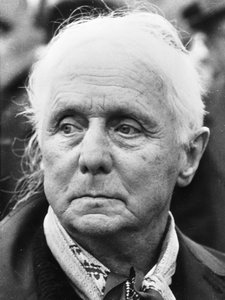
Max Ernst
1891 - 1976 , Deutschland
Eckdaten zum Künstler
- Artistic Movement Or Style: Dadaismus & Surrealismus
- Artists Who Influenced This Artist:
- Pablo Picasso
- Vincent van Gogh
- Paul Gauguin
- Sigmund Freud
- Date Of Birth: 1. April 1891
- Date Of Death: 1. April 1976
- Full Name: Max Ernst
- Nationality: Deutsch
- Notable Artworks:
- Die gesamte Stadt
- Euclides
- Wald und Taube
- Der Elefant Celebes
- Place Of Birth (City And Country): Brühl, Deutschland
Verwandte Artikel

Serene Blue Backgrounds: Discover Soulful Art to Transform Your Space with Timeless Elegance
Transform your home with soulful blue art. From serene Monet impressions to modern textured sculptures, discover curated masterpieces designed to inspire calm. Explore expert art consultations and bespoke hand-painted reproductions to create your personal sanctuary.

Die Top 10 Gemälde in Schattierungen von 'Slate Blue': Kunst für Ihr Zuhause
Entdecken Sie die Top 10 Gemälde in faszinierenden 'Slate Blue' Tönen! Von Monet bis Manet – erleben Sie Kunstgeschichte und lassen Sie sich von Meisterwerken inspirieren. Hochwertige Kunstdrucke auf
Animalia: Die bleibende Präsenz von Tieren in Kunst und Innenarchitektur
Entdecken Sie die faszinierende Welt der Animalia! Von historischen Tierdarstellungen bis zur modernen Innenarchitektur – wir bieten Expertise, hochwertige Reproduktionen & Kunstberatung.
Max Ernsts Meisterwerke: Die Top 25 Kunstwerke für Ihr Zuhause | OriginalUniqueArt
Entdecken Sie die 25 bedeutendsten Kunstwerke von Max Ernst! Tauchen Sie ein in die Welt des Surrealismus, Dada und abstrakter Malerei. Hochwertige Kunstreproduktionen & Inspiration für Ihr Zuhause bei OriginalUniqueArt.com.

Abstrakter Expressionismus: Die 10 Meisterwerke, die eine Kunstbewegung prägten |
Entdecken Sie die 10 Meisterwerke des Abstrakten Expressionismus! Von Jackson Pollock bis Mark Rothko – erfahren Sie die Geschichten hinter ikonischen Gemälde und finden Sie hochwertige Reproduktionen für Ihr Zuhause. Jetzt bei entdecken!


