- Startseite

- Auf Leinwand drucken
- Max Ernst
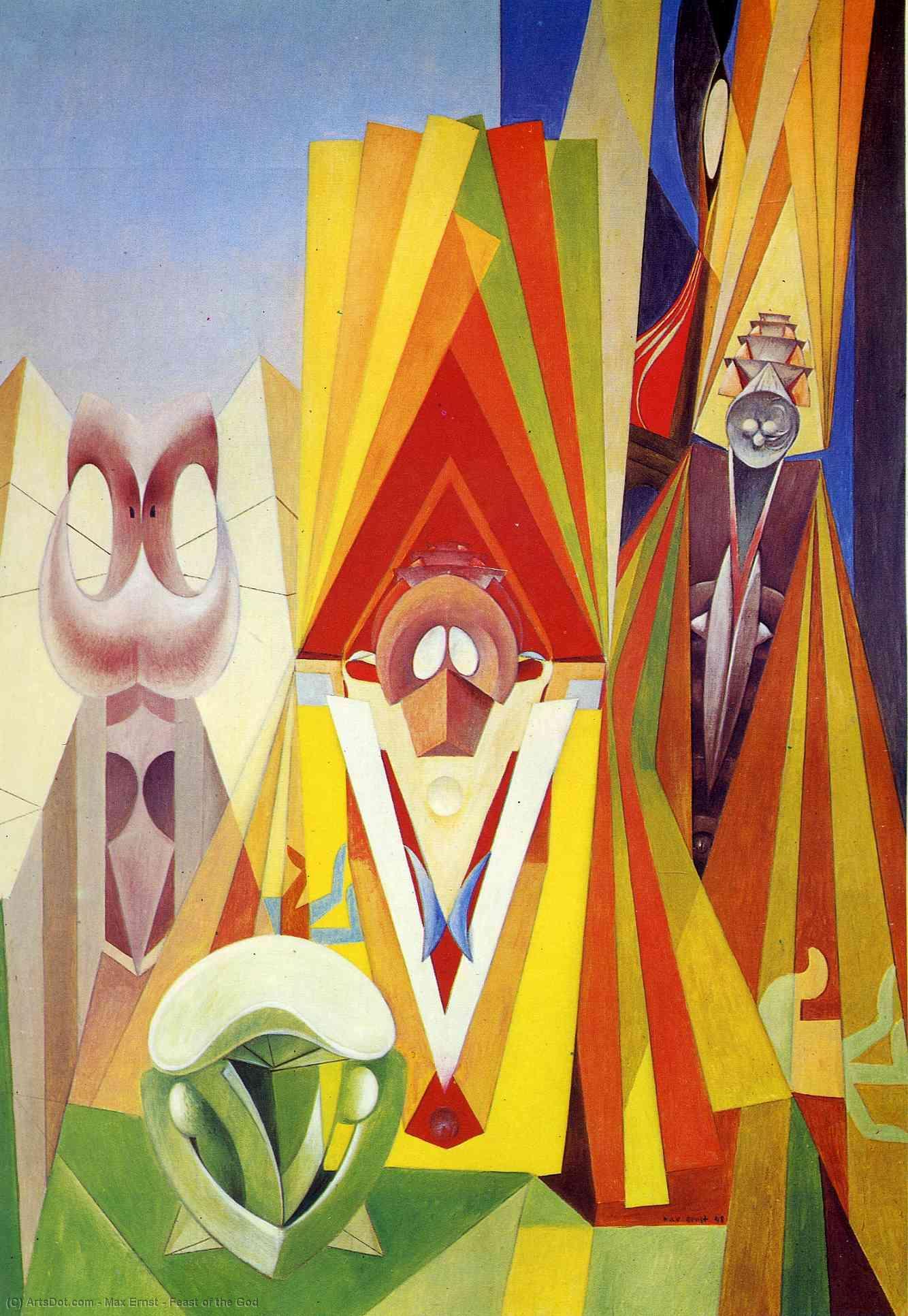
- Die Feier der Himmelfahrt
 Vorschau anzeigen
 Versenden
 Teilen
 Details anzeigen

 Herunterladen
 Ähnliche Objekte
 Röntgenaufnahme
 Diashow anzeigen
Die Feier der Himmelfahrt
 Acryl auf Leinwand
- Wandkunst
- Surrealist Expressionism
 1948
1948- Moderne
 155.0 x 107.0 cm
 Weiterlesen
Giclée / Kunstdruck
Giclée- oder Leinwanddruck in Museumsqualität mit schneller Produktion und flexiblen Veredelungsoptionen. ( Zur handgemalten Reproduktion wechseln Zum Bild wechseln)




P118B $10

P118H $10

P118W $10

P438Z $10

P508JH $12

P508YH $12

P805H $10

P805Z $10

P919BZ $10

P919G $10

P919XJ $10

P959ZH $10

P968JZ $12

W106C $8

W218G $10

W218JH $8

W218Y $10

W307PJ $10

W316G $10

W316PJ $8

W316Y $10

W398PJ $8

W4111J $10

W500HY $15

W500JH $15

W692G $12

W849H $8

W940BG $15

W953PJ $8




Wählen Sie aus unseren vordefinierten Größen, die den ursprünglichen Proportionen des Kunstwerks entsprechen.

Sie können Ihre eigenen Maße eingeben, um ein bestimmtes Format oder einen speziellen Platz einzupassen. Wenn das von Ihnen gewählte Format nicht den Proportionen des Originalbildes entspricht, werden wir das Kunstwerk entweder beschneiden oder das Bild mit einem gespiegelten oder einfarbigen Rand erweitern. Ein digitaler Entwurf wird Ihnen zur Genehmigung zugesandt, bevor die Produktion beginnt.
Bitte beachten Sie, dass die Vorschau auf dem Bildschirm nicht den tatsächlichen Zuschnitt oder die Erweiterung widerspiegelt. Nur der Entwurf zeigt die endgültige Komposition präzise an.
Obwohl Sondermaße verfügbar sind, empfehlen wir die Auswahl eines Maßes aus der vordefinierten Liste, um die ursprünglichen Proportionen zu bewahren.
Weltweiter Versand () innerhalb von 2 Wochen statt der üblichen 4/5 Wochen. (30 Juli)

Kostenloser weltweiter Expressversand

Hochwertige Leinenleinwand

Umfassender Versicherungsschutz beim Versand

Zollsteuer-Rückerstattungsgarantie

Garantie für echte Farbtreue

60-Tage-Rückgaberecht (nur bei Mängeln)

100% Geld-zurück-Garantie

Mengenrabatt verfügbar
 Die Glasoption ist nur in Größen unter 110 cm verfügbar.

Die Feier der Himmelfahrt
Giclée / Kunstdruck
Größe der Reproduktion
-


Endpreis aller Optionen
$ 80
Beschreibung des Sammlerstücks
Feast of the God
Max Ernst, a pioneering figure in both Dadaism and Surrealism, left an indelible mark on the art world with his innovative and thought-provoking works. One such masterpiece is “Feast of the God,” created in 1948, which exemplifies his unique blend of surreal imagery and symbolic depth. This painting stands as a testament to Ernst’s ability to capture the anxieties and aspirations of the postwar era while simultaneously delving into the subconscious realm—a hallmark of Surrealist artistic endeavor.Composition and Symbolism
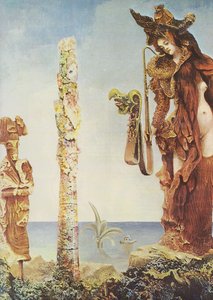
“Feast of the God” is an oil on canvas measuring 155 x 107 cm. The composition immediately draws the eye with three owls perched side by side in the foreground, their solemn gaze anchoring the scene. These birds aren’t merely decorative elements; they represent wisdom and vigilance—themes frequently explored by Ernst throughout his oeuvre. Two additional birds appear in the background, subtly suggesting a broader expanse beyond immediate perception. Four human figures inhabit the canvas: one positioned at the bottom left, another on the far right, a third lurking behind the owl group, and a fourth hovering above them. This arrangement isn’t accidental; it speaks to Ernst's fascination with duality—the interplay between humanity and nature, consciousness and instinct. Finally, a chair near the top right corner establishes an outdoor setting, grounding the fantastical imagery in a tangible reality. The color palette is strikingly vibrant, dominated by reds, yellows, greens, blues, and whites. These hues aren’t simply aesthetically pleasing; they contribute to the painting's surreal atmosphere and evoke feelings of both warmth and unease—a deliberate tactic employed by Ernst to stimulate contemplation.Artistic Context
Max Ernst emerged as a central figure in Dadaism, rejecting rational thought and embracing absurdity as responses to the horrors of World War I. His artistic rebellion continued into Surrealism, where he championed dreamlike visions and explored the hidden depths of the human psyche. “Feast of the God” embodies these principles perfectly—a deliberate departure from traditional representational art aimed at unsettling viewers and prompting introspection. Ernst’s technique involved meticulous layering of paint—often utilizing frottage and collage—to create textures that mimic natural surfaces, mirroring his interest in geological formations and landscapes. This approach reflects a broader Surrealist preoccupation with materiality and the transformative power of chance encounters.Relevance to Modern Art
The Berardo Collection Museum in Lisbon, Portugal, houses an impressive collection of modern and contemporary art, including works by Max Ernst. Visiting this museum offers invaluable insight into the artistic movements that shaped the 20th century—particularly Surrealism’s influence on artists like René Magritte and Roberto Matta. Consider Magritte's “Golconda,” which utilizes familiar objects in paradoxical ways to challenge our perceptions of reality, or Matta’s “Composition,” an abstract exploration of emotion and subconscious impulses. Ernst’s work continues to resonate with audiences today because it confronts fundamental questions about human experience—questions that remain relevant in our increasingly complex world.Other Notable Works
- Rene Magritte: Golconda: A painting that showcases Magritte's use of everyday objects in unexpected contexts. - Roberto Matta: Composition: An example of Matta's abstract and surrealist style, blending reality and fantasy. - Max Ernst: At the first clear word: Another surrealist masterpiece by Ernst, featuring his characteristic blend of realism and dream-like imagery. Max Ernst: Feast of the God is available for viewing on OriginalUniqueArt. Additionally, the Berardo Collection Museum offers a comprehensive guide to modern and contemporary art. By delving into the world of Max Ernst, we gain insight into the innovative spirit of Surrealism and its enduring influence on modern art.Biografie des Künstlers
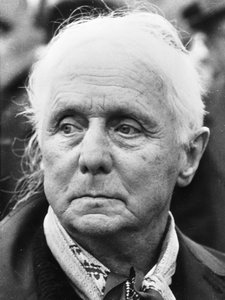
Max Ernst: Ein Leben im Surrealismus
Frühes Leben und Ausbildung
- Geboren: 1. April 1891 in Brühl, Deutschland.
- Ernsts Vater, Philipp Ernst, war Lehrer für Gehörlose und Amateurmaler, der Maxes frühes Interesse an Kunst förderte.
- Von 1909 studierte er Philosophie, Kunstgeschichte, Literatur, Psychologie und Psychiatrie an der Universität Bonn.
- Dieser vielfältige akademische Hintergrund beeinflusste seine späteren künstlerischen Erkundungen maßgeblich.
Künstlerische Entwicklung & Einflüsse
- Ein einschneidendes Ereignis war die Sonderbund-Ausstellung in Köln (1912), wo er Werke von Pablo Picasso, Vincent van Gogh, und Paul Gauguin entdeckte.
- Im Jahr 1914 lernte er Hans Arp kennen, der eine lebenslange Freundschaft schloss, die seine künstlerische Reise maßgeblich prägte.
- Der Erste Weltkrieg hatte einen tiefgreifenden Einfluss auf Ernst; seine Erfahrungen als Soldat führten zu Enttäuschung und einer kritischen Sicht auf die Gesellschaft.
- Er ließ sich von den Schriften Sigmund Freuds beeinflussen und erkundete Themen des Unterbewusstseins in seiner Kunst.
Dada & Surrealismus
- Nach dem Ersten Weltkrieg wurde Ernst eine Schlüsselfigur der Kölner Dada-Gruppe, die sich gegen traditionelle künstlerische Konventionen aussprach.
- Er entwickelte innovative Techniken wie Frottage (Erhitzen von Bleistift auf texturierte Oberflächen) und Grattage (Abkratzen von Farbe, um darunterliegende Schichten freizulegen).
- In den 1920er Jahren trat er der Surrealistischen Bewegung in Paris bei und arbeitete mit Künstlern wie Paul Éluard zusammen.
- Seine Werke dieser Zeit erforschten traumhafte Bilder und psychologische Themen.
Wichtige Werke & Techniken
- Frottage: Eine Technik zur Erzeugung von Texturen und unerwarteten Bildern, die in vielen seiner Werke zu sehen ist.
- Collage: Ernst verwendete häufig Collage, um disparate Elemente zu kombinieren und surreale Kompositionen zu schaffen.
- Bekannte Werke:
- Die gesamte Stadt
- Euclides
- Von diesem sollen nichts wissen
- Wald und Taube
- Seine Gemälde zeigen oft symbolische Bilder, darunter Vögel (insbesondere seinen Pseudonym Loplop), Landschaften und verstörende Gegenüberstellungen.
Spätes Leben & Vermächtnis
- Ernst zog während des Zweiten Weltkriegs in die Vereinigten Staaten, wo er weiter malte und mit neuen Techniken experimentierte.
- Nach dem Krieg kehrte er nach Frankreich zurück und blieb bis zu seinem Tod am 1. April 1976 in Paris aktiv.
- Historische Bedeutung: Max Ernsts Beiträge zu Dada und Surrealismus waren bahnbrechend. Er stellte künstlerische Normen in Frage, erforschte das Unterbewusstsein und entwickelte innovative Techniken, die Künstler bis heute inspirieren.
- Er gilt als eine der wichtigsten und einflussreichsten Figuren der Kunst des 20. Jahrhunderts.
Max Ernst
1891 - 1976 , Deutschland
Kurzinfos
- Artistic Movement Or Style: Dadaismus & Surrealismus
- Artists Who Influenced This Artist:
- Pablo Picasso
- Vincent van Gogh
- Paul Gauguin
- Sigmund Freud
- Date Of Birth: 1. April 1891
- Date Of Death: 1. April 1976
- Full Name: Max Ernst
- Nationality: Deutsch
- Notable Artworks:
- Die gesamte Stadt
- Euclides
- Wald und Taube
- Der Elefant Celebes
- Place Of Birth (City And Country): Brühl, Deutschland
Ähnliche Artikel
Max Ernsts Meisterwerke: Die Top 25 Kunstwerke für Ihr Zuhause | OriginalUniqueArt
Entdecken Sie die 25 bedeutendsten Kunstwerke von Max Ernst! Tauchen Sie ein in die Welt des Surrealismus, Dada und abstrakter Malerei. Hochwertige Kunstreproduktionen & Inspiration für Ihr Zuhause bei OriginalUniqueArt.com.
Claude Monet: Die 25 Meisterwerke des Impressionismus für Ihr Zuhause | OriginalUniqueArt
Entdecken Sie die 25 Meisterwerke von Claude Monet! Tauchen Sie ein in die Welt des Impressionismus, erleben Sie Seerosen, Sonnenaufgänge & Kathedralen. Hochwertige Reproduktionen für Ihr Zuhause – exklusiv auf OriginalUniqueArt.com.
René Magritte: Die 25 Meisterwerke des Surrealismus für Ihr Zuhause | OriginalUniqueArt
Entdecken Sie die 25 ikonischsten Gemälde von René Magritte! Tauchen Sie ein in die surreale Welt des belgischen Künstlers – von 'Der verlorene Jockey' bis 'Golconda'. Hochwertige Reproduktionen & Kunst für Ihr Zuhause auf OriginalUniqueArt.com.
Marianne North: Die 25 schönsten Blumenmalereien der viktorianischen Reisenden | OriginalUniqueArt
Entdecken Sie die 25 schönsten Werke der viktorianischen Blumenmalerin Marianne North! Erleben Sie ihre exotischen Reisebilder & botanischen Illustrationen. Hochwertige Kunst Reproduktionen für Ihr Zuhause auf OriginalUniqueArt.com.

Dante Gabriel Rossetti: Die 25 Meisterwerke des Präraffelitismus | OriginalUniqueArt
Entdecken Sie die 25 schönsten Gemälde von Dante Gabriel Rossetti! Tauchen Sie ein in die Welt der Präraffeliten, symbolistischer Kunst & viktorianischer Romantik. Hochwertige Reproduktionen für Ihr Zuhause – jetzt bei OriginalUniqueArt.com!