
 Vorschau anzeigen
 Versenden
 Teilen
 Details anzeigen

 Herunterladen
 Ähnliche Objekte
 Röntgenaufnahme
 Diashow
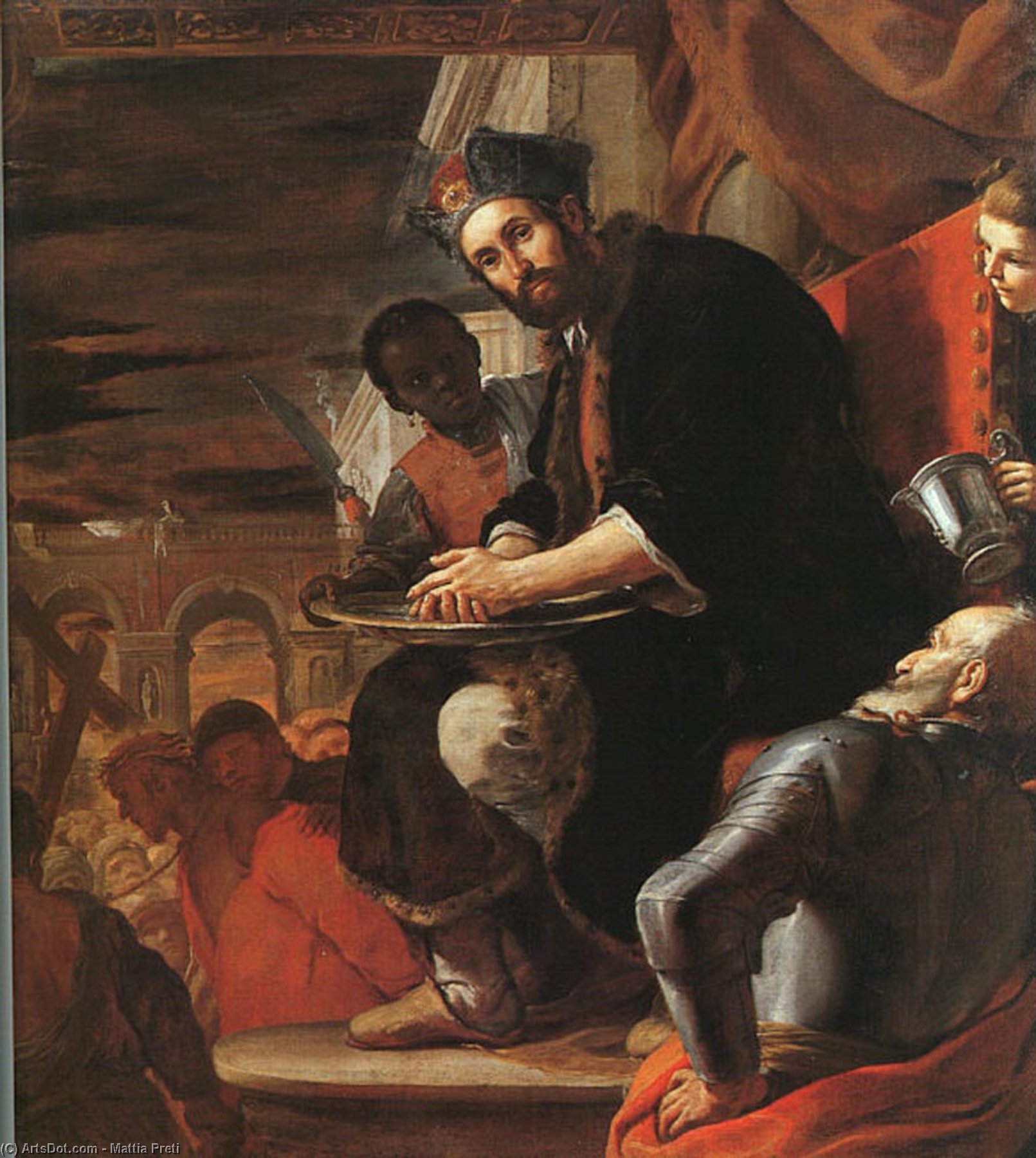
Pilate Washing his Hands
 Oil On Canvas
- WallArt
- Italian Baroque
 1663
1663 206.0 x 185.0 cm
 Metropolitan Museum of Art
 Weiterlesen
Giclée / Kunstdruck
Giclée- oder Leinwanddruck in Museumsqualität mit schneller Produktion und flexiblen Veredelungsoptionen. ( Handgemalte Reproduktion bestellen Bild kaufen)




P118B $10

P118H $10

P118W $10

P438Z $10

P508JH $12

P508YH $12

P805H $10

P805Z $10

P919BZ $10

P919G $10

P919XJ $10

P959ZH $10

P968JZ $12

W106C $8

W218G $10

W218JH $8

W218Y $10

W307PJ $10

W316G $10

W316PJ $8

W316Y $10

W398PJ $8

W4111J $10

W500HY $15

W500JH $15

W692G $12

W849H $8

W940BG $15

W953PJ $8




Wählen Sie aus unseren vordefinierten Formaten, die den ursprünglichen Proportionen des Kunstwerks entsprechen.

Sie können Ihre eigenen Maße eingeben, um ein bestimmtes Format oder einen speziellen Platz einzupassen. Wenn das von Ihnen gewählte Format nicht den Proportionen des Originalbildes entspricht, werden wir das Kunstwerk entweder beschneiden oder das Bild mit einem gespiegelten oder einfarbigen Rand erweitern. Ein digitaler Entwurf wird Ihnen zur Genehmigung zugesandt, bevor die Produktion beginnt.
Bitte beachten Sie, dass die Vorschau auf dem Bildschirm nicht den tatsächlichen Zuschnitt oder die Erweiterung widerspiegelt. Nur der Entwurf zeigt die endgültige Komposition präzise an.
Obwohl Sondermaße verfügbar sind, empfehlen wir die Auswahl eines Maßes aus der vordefinierten Liste, um die ursprünglichen Proportionen zu bewahren.
Weltweiter Versand () innerhalb von 2 Wochen statt der üblichen 4/5 Wochen. (18 August)

Kostenloser weltweiter Expressversand

Hochwertige Leinenleinwand

Umfassender Versicherungsschutz beim Versand

Zollgebühren-Rückerstattungsgarantie

Garantie für exakte Farbtreue

60 Tage Rückgaberecht (nur bei Mängeln)

100% Geld-zurück-Garantie

Mengenrabatt verfügbar
 Die Glasoption ist nur für Größen unter 110 cm verfügbar.

Pilate Washing his Hands
Giclée / Kunstdruck
Format der Reproduktion
-


Gesamtpreis
$ 80
Sammlerstück-Beschreibung
Pilate Washing His Hands: A Study in Dramatic Repression
Mattia Preti’s “Pilate Washing His Hands,” painted in 1663, is not merely a depiction of a biblical scene; it's a profound meditation on guilt, responsibility, and the corrosive nature of power. This arresting work, now housed within OriginalUniqueArt’s meticulously crafted hand-painted reproductions, offers a glimpse into the turbulent world of Baroque Malta, where Preti served as a Knight of the Order of St. John. The painting immediately commands attention with its masterful use of chiaroscuro – the dramatic interplay of light and shadow – a technique deeply rooted in Caravaggio's legacy, yet imbued by Preti with his own intensely personal expression.
At the heart of the composition stands Pontius Pilate, a figure rendered not as a triumphant Roman governor, but as a man consumed by anxiety and self-deception. Dressed in a somber black robe, he sits upon a simple chair, his hands clasped before him as he symbolically washes away the imagined stain of Christ’s blood. The gesture is both meticulous and futile, conveying a desperate attempt to absolve himself of an unbearable burden. Preti's attention to detail – the subtle wrinkles around Pilate’s eyes, the downward tilt of his head – reveals a deep understanding of human psychology, capturing not just the outward appearance but also the internal turmoil of this pivotal figure.
A Baroque Tableau: Composition and Symbolism
The painting's composition is carefully orchestrated to heighten its dramatic impact. Christ, depicted in the middle ground, is led towards his impending fate by a young African attendant – a detail that was remarkably progressive for its time. Preti’s decision to place this figure at the center of the scene, imbuing him with an air of solemn importance, subtly challenges conventional representations of biblical narratives and speaks to the artist's awareness of social dynamics within his environment. The inclusion of other figures – a book-carrying scholar, a soldier wielding a sword, and attendants observing from the periphery – creates a sense of immediacy and invites the viewer to become a witness to this momentous event.
The use of color is equally significant. The dominant tones are dark browns and blacks, reflecting the gravity of the scene and the moral ambiguity surrounding Pilate’s actions. However, strategically placed splashes of red – in the folds of Pilate's robe, the bloodstains on Christ’s hands – draw the eye and emphasize the central theme of sacrifice and guilt. The crimson sky serves as a backdrop, amplifying the painting’s emotional intensity and suggesting an impending doom.
Technique and Context: Preti’s Maltese Masterpiece
Mattia Preti's style in “Pilate Washing His Hands” is characterized by its dynamism, emotional depth, and masterful handling of paint. He employed a loose, expressive brushstroke, creating a sense of movement and immediacy that was characteristic of the Baroque period. The artist’s training under Caravaggio is evident in his dramatic use of light and shadow, but Preti developed his own distinct style, incorporating elements of Italian Renaissance painting and drawing inspiration from his time spent in Malta.
The painting was created during a period of significant political and social change in Malta. The island had recently been liberated from Ottoman rule and was undergoing a process of transformation as it transitioned into a center of trade and culture. Preti’s work reflects this dynamic environment, blending elements of religious piety with an awareness of the complexities of human relationships and power dynamics. His decision to depict Pilate – a figure often associated with imperial authority – in such a vulnerable and introspective manner suggests a critical engagement with the political realities of his time.
Collecting a Masterpiece: OriginalUniqueArt’s Reproduction
OriginalUniqueArt is proud to offer meticulously crafted hand-painted reproductions of “Pilate Washing His Hands,” capturing the essence of Preti's original masterpiece. Each reproduction is created by skilled artisans using traditional techniques and archival-quality materials, ensuring that it faithfully replicates the painting’s rich colors, dramatic lighting, and emotional depth. Whether you are an art collector, interior designer seeking a statement piece, or simply an admirer of Baroque art, OriginalUniqueArt's reproduction provides a beautiful and authentic way to experience this iconic work.
Explore our high-resolution images and detailed descriptions to bring the drama and symbolism of “Pilate Washing His Hands” into your home or studio. Discover the legacy of Mattia Preti through the timeless beauty of OriginalUniqueArt’s exceptional reproductions.
Über den Künstler
Mattia Preti: Ein bedeutender italienischer Barockkünstler
- Geboren: Taverna, Italien (24. Februar 1613)
- Gestorben: 1699
Frühes Leben und Ausbildung
Mattia Preti wurde am 24. Februar 1613 in Taverna, Kalabrien, Italien geboren. Seine frühe künstlerische Ausbildung begann bei Giovanni Battista Caracciolo, einem Maler, der mit der Caravaggisten-Bewegung verbunden war. Diese anfängliche Auseinandersetzung prägte seinen Stil maßgeblich, was in vielen seiner Werke deutlich wird. Vor 1630 trat Preti seinem Bruder Gregorio Preti in Rom bei, wo er sich den Techniken von Caravaggio und anderen bedeutenden Künstlern der Zeit verschrieb. Diese Periode war entscheidend für die Entwicklung seines Verständnisses von dramatischem Licht und realistischen Darstellungen.
Wichtige künstlerische Entwicklungen und Einflüsse
Pretis künstlerischer Weg umfasste ein komplexes Zusammenspiel von Einflüssen. Obwohl er in der Caravaggismus verwurzelt war, absorbierte er auch Elemente verschiedener Meister wie Guercino, Rubens, Guido Reni und Giovanni Lanfranco. Seine Zeit in Neapel führte ihn zur Arbeit von Luca Giordano, was seinen Stil weiter verfeinerte. Eine bemerkenswerte Verschiebung trat auf, als Preti über eine strikte Caravaggeske Imitation hinausging und einen dynamischeren und ausdrucksstärkeren Barockstil entwickelte, der durch Folgendes gekennzeichnet ist:
- Dramatische Kontraste von Licht und Schatten: Ein Kennzeichen, das er von Caravaggio übernahm, um intensive Dramatik zu erzeugen und Schlüsselfiguren hervorzuheben.
- Intensive emotionale Ausdruckskraft: Pretis Werke vermitteln oft kraftvolle Emotionen durch Gesichtsausdrücke und Körpersprache.
- Dynamische Kompositionen: Seine Gemälde zeichnen sich durch energiegeladene Bewegung und komplexe Anordnungen von Figuren aus.
Hauptwerke und Aufträge
Pretis Karriere war geprägt von zahlreichen bedeutenden Aufträgen in ganz Italien und Malta. Zu den bemerkenswertesten Werken gehören:
- Freskzyklen in Rom: Er schuf Freskzyklen für Kirchen wie Sant’Andrea della Valle und San Carlo ai Catinari, was sein Können in großflächiger dekorativer Malerei demonstrierte.
- Fresken in San Biagio, Modena: Seine Arbeit in der Kirche von San Biagio zeigte seine Fähigkeit, seinen Stil an verschiedene Umgebungen anzupassen.
- Neapolitanische Pestfresken: Eine Reihe großer Fresken, die die Jungfrau oder Heilige darstellen, die das Volk vor der Pest retten, wurden auf sieben Stadttoren in Neapel gemalt. Obwohl sie heute verloren sind, zeugen Skizzen von ihrem Umfang und ihrer Wirkung.
- St. John’s Co-Cathedral, Valletta (Malta): Seine bedeutendste Leistung war die Umgestaltung des Innenraums der St. John’s Co-Cathedral mit einer umfangreichen Reihe von Gemälden, die das Leben und den Märtyrertod Johannes des Täufers darstellen. Dieses Projekt festigte seinen Ruf und sicherte ihm zahlreiche Aufträge in ganz Europa.
Vermächtnis und historische Bedeutung
Pretis zunehmender Ruf, der durch seine Arbeit in Malta befeuert wurde, führte zu einem erweiterten Kreis von Mäzenen und Aufträgen aus ganz Europa. Er wird als eine führende Figur in der italienischen Barockkunst in Erinnerung behalten, bekannt für seine dramatischen Kompositionen, die geschickte Verwendung von Licht und Schatten sowie seine Fähigkeit, intensive Emotionen zu vermitteln. Sein Vermächtnis wird weiterhin durch die Bewahrung seiner Werke in Museen wie dem Capodimonte Museum in Neapel und durch Reproduktionen auf OriginalUniqueArt.com geschätzt. Sein Beitrag zur Dekoration der St. John’s Co-Cathedral ist ein Zeugnis seines künstlerischen Talents und seines bleibenden Einflusses auf die Barockkunst.
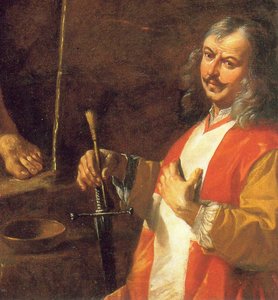
Mattia Preti
1613 - 1699 , Italien
Kurzinfos
- Beeinflusste Künstler: ['Giovanni Battista Caracciolo']
- Bemerkenswerte Werke:
- Tribute Money
- Absaloms Festmahl
- Das Konzert
- Heiligendarstellung
- Herodes' Gastmahl
- Einflussreiche Künstler:
- Caravaggio
- Luca Giordano
- Geburtsdatum: 24. Februar 1613
- Geburtsort: Taverna, Italien
- Künstlerischer Stil: Barock
- Nationalität: Italienisch
- Sterbedatum: 1699
- Vollständiger Name: Mattia Preti
Ähnliche Artikel

Baroque Classicism: The Grandeur of Order and Drama in 17th-Century Art History
Explore the profound elegance of Baroque Classicism. Discover how 17th-century masters synthesized dramatic emotion with classical order through the lens of the Counter-Reformation and the works of legends like Carlo Maratta and Andrea Sacchi.

Barocke Pracht: Wie Sie Opulenz und Emotionen in zeitgenössische Innenräume bringen
Entdecken Sie die Pracht des Barock! Expertenratgeber für luxuriöse Innenräume mit barocken Elementen. Inspiration, Tipps & hochwertige Kunst bei .

The Dramatic Flourish: Exploring the Baroque Movement's Enduring Legacy in Art History
Explore the dramatic world of Baroque art! Discover iconic artists like Caravaggio & Rubens, defining techniques, and its lasting impact on art history. Expert insights for collectors & enthusiasts at OriginalUniqueArt.

Barock Meisterwerke: Die 10 prägendsten Kunstwerke für Ihr Zuhause |
Entdecken Sie die 10 prägendsten Meisterwerke des Barock! Caravaggio, Rembrandt & Co. – Erfahren Sie die Geschichten hinter ikonischen Gemälde und finden Sie hochwertige Kunst Reproduktionen für Ihr Zuhause auf .
Drama and Light: Discover the Captivating Grandeur of Baroque Art
Immerse yourself in the dramatic splendor of Baroque art. Explore the profound impact of light, shadow, and the Counter-Reformation through an expert historical lens, celebrating the masters who defined an era of unparalleled grandeur and emotional intensity.



