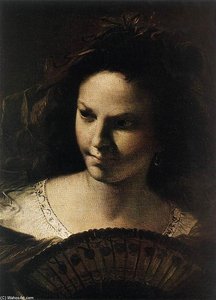
Vorschau anzeigen
 Versenden
 Teilen
 Details anzeigen
 Leitfaden

 Herunterladen
 Ähnliche Objekte
 Röntgenaufnahme
 Diashow
 Statistiken
Fliegender Engel
 Acryl auf Leinwand
- Wandkunst
- Baroque
 1630
1630 162.0 x 217.0 cm
 Kunstpalast
 Weiterlesen
Handgefertigte Ölreproduktion
Handgemaltes Ölgemälde auf Leinwand in Ihrer Wunschgröße und mit Rahmen, auf Bestellung von unseren Künstlern angefertigt. ( Zum Druck wechseln Zum digitalen Bild wechseln)




P118B €10

P118H €10

P118W €10

P438Z €10

P508JH €12

P508YH €12

P805H €10

P805Z €10

P919BZ €10

P919G €10

P919XJ €10

P959ZH €10

P968JZ €12

W106C €8

W218G €10

W218JH €8

W218Y €10

W307PJ €10

W316G €10

W316PJ €8

W316Y €10

W398PJ €8

W4111J €10

W500HY €15

W500JH €15

W692G €12

W849H €8

W940BG €15

W953PJ €8




Wählen Sie aus unseren vordefinierten Formaten, die den ursprünglichen Proportionen des Kunstwerks entsprechen.

Geben Sie die Breite und die Höhe an, die Sie für Ihren Rahmen oder Ihre Wand benötigen. Da dieses Werk handgemalt ist, kann der Künstler bei einer anderen Form etwas mehr um das Bild herum malen oder etwas abschneiden – Sie entscheiden. Wir senden Ihnen ein digitales Mockup zur Freigabe, bevor mit dem Malen begonnen wird. Das auf dieser Seite gezeigte Bild stellt nicht das tatsächliche Ergebnis dar – dies tut nur das Mockup.
Nach der Bestellung wird das OriginalUniqueArt.com-Team dem Kunden Anweisungen per E-Mail zusenden und eine Mockup-Vorschau bereitstellen.
Weltweiter Versand () in nur 3 bis 4 Wochen statt der üblichen 5 Wochen. (26 Oktober). Keine Kompromisse bei der Qualität.

Kostenloser weltweiter Expressversand

Hochwertige Leinenleinwand

Umfassender Versicherungsschutz beim Versand

Zollgebühren-Rückerstattungsgarantie

Garantie für exakte Farbtreue

100 Tage Rückgaberecht (nur bei Mängeln)

100% Geld-zurück-Garantie

Mengenrabatt verfügbar
 Die Glasoption ist nur für Größen unter 110 cm verfügbar.

Fliegender Engel
Art der Reproduktion
Format der Reproduktion
-


Endpreis
€ 263
Mattia Preti’s “Fliegender Engel”: A Baroque Vision of Strength and Divine Grace
Mattia Preti’s “Fliegender Engel” (Flying Angel), painted in 1630, is a captivating masterpiece that embodies the dynamism and emotional intensity characteristic of the Italian Baroque. This remarkable work, currently housed in the Kunstpalast museum in Düsseldorf, offers a profound glimpse into the artistic sensibilities of a pivotal figure – the Calabrian Knight, as Mattia Preti was known – and his unique approach to depicting both human exertion and spiritual aspiration. The painting immediately draws the viewer in with its dramatic chiaroscuro, a technique deeply rooted in the legacy of Caravaggio, where stark contrasts between light and shadow sculpt the scene and heighten its emotional impact.
At first glance, the composition presents a powerful image: a man, straining with visible effort, is engaged in lifting an immense weight from the ground. The musculature of his arms and torso is rendered with meticulous detail, showcasing Preti’s mastery of anatomy and his commitment to realistic representation. However, this isn't merely a study of physical strength; it’s interwoven with a profound sense of purpose. The angel, depicted in mid-flight above the man, represents divine guidance and support – a visual embodiment of faith overcoming earthly challenges. The rope or handle grasped by the man is not simply a tool for lifting; it symbolizes connection to something greater than himself, a conduit between the mortal realm and the spiritual.
The Artist’s Background and Baroque Influences
Mattia Preti's artistic journey was shaped by a diverse range of influences. Born in Taverna, Calabria, in 1613, he initially trained under Giovanni Battista Caracciolo, absorbing the dramatic style of Caravaggio – particularly his masterful use of light and shadow to create a sense of immediacy and emotional intensity. His time in Rome before 1630 proved crucial, exposing him to the works of masters like Guercino, Rubens, and Guido Reni, broadening his artistic vocabulary and solidifying his understanding of Baroque principles. Preti’s early work demonstrates a clear Caravaggist influence, but he quickly developed a distinctive style characterized by heightened emotion, dramatic gestures, and an almost theatrical quality.
The painting's composition reflects the broader trends of the era. The Baroque period was marked by a desire to evoke strong emotions in the viewer – awe, piety, and even fear – through the skillful manipulation of light, color, and form. Preti’s “Fliegender Engel” perfectly captures this spirit, utilizing dynamic diagonals and intense contrasts to create a visually arresting experience.
Symbolism and Interpretation
Beyond its technical brilliance, "Fliegender Engel" is rich in symbolic meaning. The act of lifting the heavy object can be interpreted as a metaphor for overcoming adversity, striving towards spiritual enlightenment, or accepting divine will. The angel’s presence signifies hope, guidance, and the promise of salvation. The man's determined expression speaks to resilience and faith – he isn’t simply struggling; he is actively engaged in a task that transcends mere physical exertion.
Interestingly, Preti’s work often featured ex-votos—paintings depicting scenes of miraculous intervention or divine favor—particularly those relating to the plague. This suggests a deeper layer of meaning within “Fliegender Engel,” potentially representing humanity's reliance on faith in times of crisis. The scene resonates with themes of vulnerability, strength, and the enduring power of belief.
A Legacy of Dramatic Frescoes and Maltese Patronage
Mattia Preti’s career extended far beyond this single canvas. He became a prominent figure in Malta, where he served as a Knight of the Order of Saint John and spent much of his later life. His most celebrated achievement in Malta was the magnificent fresco cycle adorning St. John's Co-Cathedral in Valletta, depicting the life and martyrdom of St. John the Baptist – a monumental undertaking that transformed the cathedral’s interior into a breathtaking spectacle of Baroque art. The influence of Luca Giordano, another prominent painter working in Naples during this period, is also evident in Preti’s later works, particularly his use of vibrant colors and dramatic compositions.
“Fliegender Engel” stands as a testament to Mattia Preti's artistic genius – a powerful synthesis of technical skill, emotional intensity, and symbolic depth. It remains a compelling example of the Baroque period's ability to capture both the physical realities of human experience and the profound mysteries of faith.
Fragen & Antworten
Wo kann ich eine digitale Abbildung von "Fliegender Engel" von Mattia Preti kaufen?
Ein digitales Bild von "Fliegender Engel" von Mattia Preti kann auf der entsprechenden Digitales Kunstwerk-Seite erworben werden: hochauflösender digitaler Bild-Download.
Wer hat "Fliegender Engel" geschaffen und wann?
Mattia Preti schuf „Fliegender Engel“ im Jahr 1630.
Welche Emotion vermittelt das Werk der Baroque „Fliegender Engel“?
Die Kraftvoll Ausstrahlung von „Fliegender Engel“ wird durch seinen Baroque-Stil ergänzt.
Künstlerbiografie
Mattia Preti: Ein bedeutender italienischer Barockkünstler
- Geboren: Taverna, Italien (24. Februar 1613)
- Gestorben: 1699
Frühes Leben und Ausbildung
Mattia Preti wurde am 24. Februar 1613 in Taverna, Kalabrien, Italien geboren. Seine frühe künstlerische Ausbildung begann bei Giovanni Battista Caracciolo, einem Maler, der mit der Caravaggisten-Bewegung verbunden war. Diese anfängliche Auseinandersetzung prägte seinen Stil maßgeblich, was in vielen seiner Werke deutlich wird. Vor 1630 trat Preti seinem Bruder Gregorio Preti in Rom bei, wo er sich den Techniken von Caravaggio und anderen bedeutenden Künstlern der Zeit verschrieb. Diese Periode war entscheidend für die Entwicklung seines Verständnisses von dramatischem Licht und realistischen Darstellungen.
Wichtige künstlerische Entwicklungen und Einflüsse
Pretis künstlerischer Weg umfasste ein komplexes Zusammenspiel von Einflüssen. Obwohl er in der Caravaggismus verwurzelt war, absorbierte er auch Elemente verschiedener Meister wie Guercino, Rubens, Guido Reni und Giovanni Lanfranco. Seine Zeit in Neapel führte ihn zur Arbeit von Luca Giordano, was seinen Stil weiter verfeinerte. Eine bemerkenswerte Verschiebung trat auf, als Preti über eine strikte Caravaggeske Imitation hinausging und einen dynamischeren und ausdrucksstärkeren Barockstil entwickelte, der durch Folgendes gekennzeichnet ist:
- Dramatische Kontraste von Licht und Schatten: Ein Kennzeichen, das er von Caravaggio übernahm, um intensive Dramatik zu erzeugen und Schlüsselfiguren hervorzuheben.
- Intensive emotionale Ausdruckskraft: Pretis Werke vermitteln oft kraftvolle Emotionen durch Gesichtsausdrücke und Körpersprache.
- Dynamische Kompositionen: Seine Gemälde zeichnen sich durch energiegeladene Bewegung und komplexe Anordnungen von Figuren aus.
Hauptwerke und Aufträge
Pretis Karriere war geprägt von zahlreichen bedeutenden Aufträgen in ganz Italien und Malta. Zu den bemerkenswertesten Werken gehören:
- Freskzyklen in Rom: Er schuf Freskzyklen für Kirchen wie Sant’Andrea della Valle und San Carlo ai Catinari, was sein Können in großflächiger dekorativer Malerei demonstrierte.
- Fresken in San Biagio, Modena: Seine Arbeit in der Kirche von San Biagio zeigte seine Fähigkeit, seinen Stil an verschiedene Umgebungen anzupassen.
- Neapolitanische Pestfresken: Eine Reihe großer Fresken, die die Jungfrau oder Heilige darstellen, die das Volk vor der Pest retten, wurden auf sieben Stadttoren in Neapel gemalt. Obwohl sie heute verloren sind, zeugen Skizzen von ihrem Umfang und ihrer Wirkung.
- St. John’s Co-Cathedral, Valletta (Malta): Seine bedeutendste Leistung war die Umgestaltung des Innenraums der St. John’s Co-Cathedral mit einer umfangreichen Reihe von Gemälden, die das Leben und den Märtyrertod Johannes des Täufers darstellen. Dieses Projekt festigte seinen Ruf und sicherte ihm zahlreiche Aufträge in ganz Europa.
Vermächtnis und historische Bedeutung
Pretis zunehmender Ruf, der durch seine Arbeit in Malta befeuert wurde, führte zu einem erweiterten Kreis von Mäzenen und Aufträgen aus ganz Europa. Er wird als eine führende Figur in der italienischen Barockkunst in Erinnerung behalten, bekannt für seine dramatischen Kompositionen, die geschickte Verwendung von Licht und Schatten sowie seine Fähigkeit, intensive Emotionen zu vermitteln. Sein Vermächtnis wird weiterhin durch die Bewahrung seiner Werke in Museen wie dem Capodimonte Museum in Neapel und durch Reproduktionen auf OriginalUniqueArt.com geschätzt. Sein Beitrag zur Dekoration der St. John’s Co-Cathedral ist ein Zeugnis seines künstlerischen Talents und seines bleibenden Einflusses auf die Barockkunst.
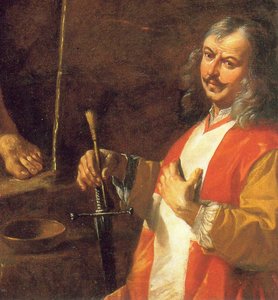
Mattia Preti
1613 - 1699 , Italien
Kurzinfos
- Beeinflusste Künstler: ['Giovanni Battista Caracciolo']
- Bemerkenswerte Werke:
- Tribute Money
- Absaloms Festmahl
- Das Konzert
- Heiligendarstellung
- Herodes' Gastmahl
- Einflussreiche Künstler:
- Caravaggio
- Luca Giordano
- Geburtsdatum: 24. Februar 1613
- Geburtsort: Taverna, Italien
- Künstlerischer Stil: Barock
- Nationalität: Italienisch
- Sterbedatum: 1699
- Vollständiger Name: Mattia Preti
Ähnliche Artikel

Celestial Messengers: A Comprehensive Exploration of Angelic Representation in Art History
Explore the captivating history of angels in art! Discover symbolism, iconic Renaissance masterpieces & renowned artists. Expert insights for art lovers & collectors at OriginalUniqueArt.

Baroque Classicism: The Grandeur of Order and Drama in 17th-Century Art History
Explore the profound elegance of Baroque Classicism. Discover how 17th-century masters synthesized dramatic emotion with classical order through the lens of the Counter-Reformation and the works of legends like Carlo Maratta and Andrea Sacchi.

Celestial Messengers: Angels in Painting – A Historical & Artistic Exploration
Explore the captivating history of angels in painting! Discover symbolism, iconic Renaissance & Byzantine masterpieces, and renowned artists. Expert insights for art lovers & collectors at OriginalUniqueArt.

Drama and Light: A Definitive Guide to the Italian Baroque Masterpieces and the Revolution of Chiaroscuro
Explore the dramatic world of Italian Baroque art. Discover how masters like Caravaggio used chiaroscuro and tenebrism to revolutionize painting through light, shadow, and profound realism. A definitive guide for history lovers and art collectors.

Barocke Pracht entschlüsselt: Licht, Drama und Emotion im 17. Jahrhundert
Entdecken Sie die Dramatik des Barock von Caravaggio bis Rubens. Erleben Sie meisterhafte Lichtführung und Emotionen jetzt online.