In echtem Maßstab anzeigen
 Versenden als Grußkarte
 Teilen
 Details anzeigen
 Leitfaden

 Herunterladen
 Ähnliche Objekte
 Röntgenaufnahme
 Diashow
 Besucherstatistiken
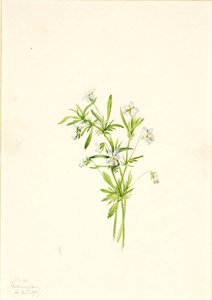
Untitled Flower Study
 Watercolor
- WallArt
- Botanical Realism
 1930
1930- 19th Century
 26.0 x 18.0 cm
 Mehr anzeigen
Giclée / Kunstdruck
Giclée- oder Leinwanddruck in Museumsqualität mit schneller Produktion und flexiblen Veredelungsoptionen. ( Handgemalte Reproduktion kaufen Zum digitalen Bild wechseln)




P118B $10

P118H $10

P118W $10

P438Z $10

P508JH $12

P508YH $12

P805H $10

P805Z $10

P919BZ $10

P919G $10

P919XJ $10

P959ZH $10

P968JZ $12

W106C $8

W218G $10

W218JH $8

W218Y $10

W307PJ $10

W316G $10

W316PJ $8

W316Y $10

W398PJ $8

W4111J $10

W500HY $15

W500JH $15

W692G $12

W849H $8

W940BG $15

W953PJ $8




Wählen Sie aus unseren vordefinierten Formaten, die den ursprünglichen Proportionen des Kunstwerks entsprechen.

Sie können Ihre eigenen Maße eingeben, um ein bestimmtes Format oder einen speziellen Platz einzupassen. Wenn das von Ihnen gewählte Format nicht den Proportionen des Originalbildes entspricht, werden wir das Kunstwerk entweder beschneiden oder das Bild mit einem gespiegelten oder einfarbigen Rand erweitern. Ein digitaler Entwurf wird Ihnen zur Genehmigung zugesandt, bevor die Produktion beginnt.
Bitte beachten Sie, dass die Vorschau auf dem Bildschirm nicht den tatsächlichen Zuschnitt oder die Erweiterung widerspiegelt. Nur der Entwurf zeigt die endgültige Komposition präzise an.
Obwohl Sondermaße verfügbar sind, empfehlen wir die Auswahl eines Maßes aus der vordefinierten Liste, um die ursprünglichen Proportionen zu bewahren.
Weltweiter Versand () innerhalb von 2 Wochen statt der üblichen 4/5 Wochen. (20 September)

Kostenloser weltweiter Expressversand

Hochwertige Leinenleinwand

Vollständiger Versicherungsschutz beim Versand

Zollgebühren-Rückerstattungsgarantie

Garantie für exakte Farbtreue

100-tägiges Rückgaberecht (nur bei Mängeln)

100% Geld-zurück-Garantie

Angebot für Mengenrabatt
 Die Glasoption ist nur für Größen unter 110 cm verfügbar.

Untitled Flower Study
Giclée / Kunstdruck
Format der Reproduktion
-


Gesamtpreis
$ 80
A Symphony of Botanical Precision
In the delicate realm of botanical illustration, few works capture the ephemeral grace of nature as intimately as Mary Vaux Walcott’s Untitled Flower Study. Created in 1930, this exquisite watercolor serves as a window into a world where scientific observation meets poetic expression. The painting presents a vibrant arrangement of red blossoms, their petals rendered with such luminous precision that they seem to pulse with life against a backdrop of verdant green leaves. Interspersed within this floral dance are ethereal white flowers that drift through the background, providing a soft, atmospheric contrast that lends the composition an incredible sense of depth and movement. To gaze upon this piece is to witness a moment of stillness captured forever, where the fragility of a petal is immortalized through the masterful application of pigment.
The technique employed by Walcott reveals her profound mastery of the watercolor medium. Unlike the heavy, opaque layers found in oil portraiture, her use of watercolor allows for a translucent, ethereal quality that mimics the very nature she sought to document. Each stroke is deliberate yet fluid, capturing the subtle gradients of color within each bloom and the delicate veins of the foliage. This transparency creates a sense of light passing through the petals, an effect that imbues the artwork with a soft, breathing vitality. For the discerning collector or interior designer, this piece offers a sophisticated balance of detail and lightness, making it an ideal focal point for spaces that require a touch of organic elegance and serene tranquility.
The Legacy of the Audubon of Botany
To understand the emotional resonance of this study, one must look to the life of the artist herself. Mary Vaux Walcott, often celebrated as the “Audubon of Botany,” lived a life that mirrored the resilience and beauty of her subjects. Emerging from the refined Quaker society of Philadelphia, she transcended the domestic expectations of her era to become a pioneering figure in botanical art. Her work was never merely decorative; it was an act of devotion to the natural world. This specific study, housed within the prestigious Smithsonian American Art Museum, carries with it the weight of historical significance and scientific curiosity. It represents a period where art and science were deeply intertwined, as artists documented the flora of the Americas with both aesthetic brilliance and taxonomic accuracy.
Beyond its historical value, the Untitled Flower Study possesses a timeless emotional impact. The harmony of its composition—the careful balance between the bold reds and the quiet whites—evokes a sense of peace and contemplative joy. It is a piece that invites the viewer to slow down, to notice the intricate patterns of the natural world, and to find beauty in the smallest details. Whether displayed in a sunlit morning room or as part of a curated gallery collection, a high-quality reproduction of this masterpiece brings the enduring spirit of Walcott’s vision into the modern home, offering a perennial bloom that never fades.
Biografie des Künstlers
Frühes Leben und Ausbildung
Mary Morris Vaux Walcott, eine amerikanische Künstlerin und Naturforscherin, wurde am 31. Juli 1860 in Philadelphia, Pennsylvania, in einer wohlhabenden quakerischen Familie geboren. Nach ihrem Abschluss von der Friends Select School in Philadelphia im Jahr 1879 entwickelte sie ein Interesse an Aquarellmalerei. Sie erhielt keine formale künstlerische Ausbildung, sondern lernte hauptsächlich durch Selbststudium und Beobachtung der Natur.Künstlerisches Schaffen und Beiträge
Mary Vaux Walcott ist vor allem für ihre Aquarellgemälde von Wildblumen bekannt, was ihr den Beinamen „die Audubon der Botanik“ einbrachte. Ihr Werk zeichnet sich durch eine außergewöhnliche Detailgenauigkeit und eine liebevolle Darstellung der Pflanzenwelt aus. Sie widmete sich hauptsächlich der botanischen Illustration und dokumentierte die Schönheit und Vielfalt nordamerikanischer Flora. Zu ihren bemerkenswertesten Werken gehören:- Untitled (Herbstblätter), ein Aquarellgemälde, das ihre Fähigkeit zeigt, die Essenz der Natur einzufangen, und das sich derzeit im Smithsonian American Art Museum befindet.
- Perennial Gaillardia (Gaillardia aristata), eine weitere Illustration, die ebenfalls im Smithsonian American Art Museum zu finden ist.
- Bourgeau Rose (Rosa bourgeauiana), ein Aquarellgemälde, das ihre Liebe zum Detail demonstriert und ebenfalls im Smithsonian American Art Museum ausgestellt ist.
- Bushpoppy (Dendromecon rigidum), ein Beispiel für ihre Arbeit bei der Darstellung der Schönheit von Flora, auch im Smithsonian American Art Museum zu sehen.
- Mexican Fremontia (Fremontodendron mexicanum), ein Aquarellgemälde, das ihr Engagement für die botanische Kunst unterstreicht und ebenfalls im Smithsonian American Art Museum aufbewahrt wird.
Persönliches Leben und Spätere Jahre
Im Jahr 1914 heiratete Mary Vaux Walcott Charles Doolittle Walcott, den Sekretär des Smithsonian Institution. Nach ihrer Heirat setzte sie ihre künstlerische Tätigkeit fort und unterstützte ihren Mann bei seinen Projekten bis zu seinem Tod im Jahr 1927. Ihre Ehe mit einem bedeutenden Wissenschaftler ermöglichte ihr einen direkten Zugang zu wissenschaftlichen Kreisen und förderte ihr Interesse an der botanischen Forschung.Vermächtnis und Bedeutung
Mary Vaux Walcotts Beiträge zur botanischen Kunst sind unbestreitbar. Ihr Werk findet sich in verschiedenen Sammlungen, darunter im Smithsonian American Art Museum. Sie gilt als eine Pionierin der botanischen Illustration und hat mit ihrer detailgetreuen Darstellung die Schönheit und Vielfalt der Pflanzenwelt für kommende Generationen bewahrt. Ihre Arbeit inspiriert weiterhin Künstler und Naturforscher gleichermaßen. Ihr Fokus auf wissenschaftliche Genauigkeit in Kombination mit künstlerischer Sensibilität macht sie zu einer einzigartigen Figur in der Geschichte der amerikanischen Kunst. Sie trug dazu bei, die Wertschätzung für die natürliche Welt durch ihre Gemälde zu fördern und das Verständnis für die Bedeutung botanischer Forschung zu vertiefen.
Mary Vaux Walcott
1860 - 1940 , Vereinigte Staaten von Amerika
Eckdaten zum Künstler
- Bemerkenswerte Werke:
- Untitled (Herbstblätter)
- Perennial Gaillardia
- Bourgeau Rose
- Bushpoppy
- Mexican Fremontia
- Geburtsdatum: 31. Juli 1860
- Geburtsort: Philadelphia, USA
- Künstlerische Richtung: Botanische Illustration
- Nationalität: Amerikanerin
- Sterbedatum: 1940
- Vollständiger Name: Mary Vaux Walcott
Verwandte Artikel
Verdant Visions: Exploring the Symbolism & Aesthetic Impact of Green in Art History
Explore the rich history & symbolism of green in art! Discover iconic paintings, techniques, and how to bring verdant harmony into your home with OriginalUniqueArt's expert guide.

Weiße Meisterwerke: Die Top 10 berühmtesten Gemälde und ihre zeitlose Eleganz
Entdecken Sie die Top 10 berühmter Gemälde, dominiert von Weiß! Von Malewitsch bis Rothko – erfahren Sie Geschichten hinter ikonischen Kunstwerke und lassen Sie sich für Ihre Wohnraumgestaltung inspirieren. Kunstreproduktionen in Museumsqualiät auf

Blossoms of Time: A Historical Journey Through Flower Painting
Explore the captivating history of flower painting! Discover Dutch masters, symbolic meanings, & botanical art. Expert insights & high-quality reproductions at OriginalUniqueArt.
Chromgrüne Meisterwerke: Die Top 10 berühmtesten Gemälde & ihre Geschichte |
Entdecken Sie die Top 10 berühmter Gemälde, dominiert von faszinierendem Chromgrün! Von Monet bis Van Gogh – erfahren Sie die Geschichten hinter den Meisterwerken und lassen Sie sich für Ihre Wohnraumgestaltung inspirieren. Kunstdrucke in Museumsqualiät auf
Blossoming Symbolism: A Historical Journey Through Flowers in Western Painting
Explore the rich history of flower symbolism in Western painting! Discover how artists from the Renaissance to Modernism used blossoms to convey meaning, emotion & beauty. Learn about iconic artworks and movements.