Vorschau anzeigen
 Versenden
 Teilen
 Details anzeigen
 Leitfaden

 Herunterladen
 Ähnliche Objekte
 Röntgenaufnahme
 Diashow
 Statistiken
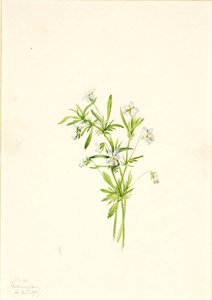
Eustoma russelianum
 Acryl auf Leinwand
- Wandkunst
- Botanical Watercolor Painting
 1930
1930 25.0 x 17.0 cm
 Smithsonian American Art Museum
 Weiterlesen
Handgefertigte Ölreproduktion
Handgemaltes Ölgemälde auf Leinwand in Ihrer Wunschgröße und mit Rahmen, auf Bestellung von unseren Künstlern angefertigt. ( Zum Druck wechseln Zum digitalen Bild wechseln)




P118B €10

P118H €10

P118W €10

P438Z €10

P508JH €12

P508YH €12

P805H €10

P805Z €10

P919BZ €10

P919G €10

P919XJ €10

P959ZH €10

P968JZ €12

W106C €8

W218G €10

W218JH €8

W218Y €10

W307PJ €10

W316G €10

W316PJ €8

W316Y €10

W398PJ €8

W4111J €10

W500HY €15

W500JH €15

W692G €12

W849H €8

W940BG €15

W953PJ €8




Wählen Sie aus unseren vordefinierten Formaten, die den ursprünglichen Proportionen des Kunstwerks entsprechen.

Geben Sie die Breite und die Höhe an, die Sie für Ihren Rahmen oder Ihre Wand benötigen. Da dieses Werk handgemalt ist, kann der Künstler bei einer anderen Form etwas mehr um das Bild herum malen oder etwas abschneiden – Sie entscheiden. Wir senden Ihnen ein digitales Mockup zur Freigabe, bevor mit dem Malen begonnen wird. Das auf dieser Seite gezeigte Bild stellt nicht das tatsächliche Ergebnis dar – dies tut nur das Mockup.
Nach der Bestellung wird das OriginalUniqueArt.com-Team dem Kunden Anweisungen per E-Mail zusenden und eine Mockup-Vorschau bereitstellen.
Weltweiter Versand () in nur 3 bis 4 Wochen statt der üblichen 5 Wochen. (25 Oktober). Keine Kompromisse bei der Qualität.

Kostenloser weltweiter Expressversand

Hochwertige Leinenleinwand

Umfassender Versicherungsschutz beim Versand

Zollgebühren-Rückerstattungsgarantie

Garantie für exakte Farbtreue

100 Tage Rückgaberecht (nur bei Mängeln)

100% Geld-zurück-Garantie

Mengenrabatt verfügbar
 Die Glasoption ist nur für Größen unter 110 cm verfügbar.

Eustoma russelianum
Art der Reproduktion
Format der Reproduktion
-


Endpreis
€ 263
Eustoma russelianum: A Watercolor Symphony of Resilience
Mary Vaux Walcott’s “Eustoma russelianum,” completed circa early 1930s, stands as a testament to the enduring power of observation and artistic dedication. More than just a depiction of purple flowers—specifically the Russian eustoma—it embodies Walcott's profound connection with the American landscape and her unwavering commitment to documenting its botanical treasures for the Smithsonian Institution.
Botanical Precision Meets Artistic Impression
Walcott’s meticulous technique is immediately apparent. Employing watercolor on paper, she achieved remarkable detail through layering translucent washes of pigment—a hallmark of her style—capturing the subtle variations in petal texture and leaf coloration with astonishing accuracy. Yet, this scientific precision never overshadows an underlying artistic impulse; instead, it serves as a foundation for conveying emotion and capturing the ethereal beauty characteristic of wildflower paintings.
A Window into Early 20th Century Botany
The painting emerged during a period of significant botanical exploration and conservation efforts in the United States. Walcott’s work aligns with the broader movement to catalog and preserve North American flora, reflecting the burgeoning interest in scientific inquiry alongside an appreciation for artistic representation. Her meticulous illustrations were invaluable in furthering understanding of plant species and their habitats—a legacy that continues to inspire botanists and artists alike.
Symbolism of Color and Form
The dominant purple hue speaks to themes of dignity, spirituality, and transformation – colors frequently associated with royalty and rebirth. The arrangement of the flowers—grouped together in a stylized bouquet—suggests harmony and interconnectedness within the natural world. Furthermore, the delicate rendering of individual petals emphasizes fragility and beauty—a poignant reminder of the ephemeral nature of life itself.
Emotional Resonance: Finding Beauty Amidst Change
"Eustoma russelianum" transcends mere botanical illustration; it evokes a sense of wonder and contemplation. Walcott’s masterful watercolor captures not only the visual splendor of the flower but also its inherent resilience—a quality mirrored in her own life journey as she navigated familial responsibilities while pursuing her artistic passions. The painting serves as an enduring symbol of perseverance, creativity, and the transformative potential of engaging with the natural world.
- Artist: Mary Vaux Walcott
- Year Created: Circa Early 1930s
- Medium: Watercolor on Paper
- Dimensions: 25 x 17 cm
- Collection: Smithsonian American Art Museum, Gift of the Artist
This stunning reproduction captures the essence of Walcott’s artistic vision—a celebration of botanical beauty and a testament to her unwavering dedication to documenting America's flora.
Fragen & Antworten
Wie ist die Farbkomposition von "Eustoma russelianum" von Mary Vaux Walcott aufgebaut?
Die Farbanalyse von "Eustoma russelianum" von Mary Vaux Walcott offenbart einen Sanft Kontrast und eine Sanft gemischte Palette Harmonie.
Kann ich "Eustoma russelianum" als Vollbild-Diashow ansehen?
Das Diaporama zu „Eustoma russelianum“ finden Sie auf der Diashow-Seite des Kunstwerks.
Wirken die Farben von "Eustoma russelianum" eher kräftig oder sanft?
"Eustoma russelianum" von Mary Vaux Walcott besticht durch eine Ausgewogen Farbintensität.
Künstlerbiografie
Frühes Leben und Ausbildung
Mary Morris Vaux Walcott, eine amerikanische Künstlerin und Naturforscherin, wurde am 31. Juli 1860 in Philadelphia, Pennsylvania, in einer wohlhabenden quakerischen Familie geboren. Nach ihrem Abschluss von der Friends Select School in Philadelphia im Jahr 1879 entwickelte sie ein Interesse an Aquarellmalerei. Sie erhielt keine formale künstlerische Ausbildung, sondern lernte hauptsächlich durch Selbststudium und Beobachtung der Natur.Künstlerisches Schaffen und Beiträge
Mary Vaux Walcott ist vor allem für ihre Aquarellgemälde von Wildblumen bekannt, was ihr den Beinamen „die Audubon der Botanik“ einbrachte. Ihr Werk zeichnet sich durch eine außergewöhnliche Detailgenauigkeit und eine liebevolle Darstellung der Pflanzenwelt aus. Sie widmete sich hauptsächlich der botanischen Illustration und dokumentierte die Schönheit und Vielfalt nordamerikanischer Flora. Zu ihren bemerkenswertesten Werken gehören:- Untitled (Herbstblätter), ein Aquarellgemälde, das ihre Fähigkeit zeigt, die Essenz der Natur einzufangen, und das sich derzeit im Smithsonian American Art Museum befindet.
- Perennial Gaillardia (Gaillardia aristata), eine weitere Illustration, die ebenfalls im Smithsonian American Art Museum zu finden ist.
- Bourgeau Rose (Rosa bourgeauiana), ein Aquarellgemälde, das ihre Liebe zum Detail demonstriert und ebenfalls im Smithsonian American Art Museum ausgestellt ist.
- Bushpoppy (Dendromecon rigidum), ein Beispiel für ihre Arbeit bei der Darstellung der Schönheit von Flora, auch im Smithsonian American Art Museum zu sehen.
- Mexican Fremontia (Fremontodendron mexicanum), ein Aquarellgemälde, das ihr Engagement für die botanische Kunst unterstreicht und ebenfalls im Smithsonian American Art Museum aufbewahrt wird.
Persönliches Leben und Spätere Jahre
Im Jahr 1914 heiratete Mary Vaux Walcott Charles Doolittle Walcott, den Sekretär des Smithsonian Institution. Nach ihrer Heirat setzte sie ihre künstlerische Tätigkeit fort und unterstützte ihren Mann bei seinen Projekten bis zu seinem Tod im Jahr 1927. Ihre Ehe mit einem bedeutenden Wissenschaftler ermöglichte ihr einen direkten Zugang zu wissenschaftlichen Kreisen und förderte ihr Interesse an der botanischen Forschung.Vermächtnis und Bedeutung
Mary Vaux Walcotts Beiträge zur botanischen Kunst sind unbestreitbar. Ihr Werk findet sich in verschiedenen Sammlungen, darunter im Smithsonian American Art Museum. Sie gilt als eine Pionierin der botanischen Illustration und hat mit ihrer detailgetreuen Darstellung die Schönheit und Vielfalt der Pflanzenwelt für kommende Generationen bewahrt. Ihre Arbeit inspiriert weiterhin Künstler und Naturforscher gleichermaßen. Ihr Fokus auf wissenschaftliche Genauigkeit in Kombination mit künstlerischer Sensibilität macht sie zu einer einzigartigen Figur in der Geschichte der amerikanischen Kunst. Sie trug dazu bei, die Wertschätzung für die natürliche Welt durch ihre Gemälde zu fördern und das Verständnis für die Bedeutung botanischer Forschung zu vertiefen.
Mary Vaux Walcott
1860 - 1940 , Vereinigte Staaten von Amerika
Kurzinfos
- Bemerkenswerte Werke:
- Untitled (Herbstblätter)
- Perennial Gaillardia
- Bourgeau Rose
- Bushpoppy
- Mexican Fremontia
- Geburtsdatum: 31. Juli 1860
- Geburtsort: Philadelphia, USA
- Künstlerische Richtung: Botanische Illustration
- Nationalität: Amerikanerin
- Sterbedatum: 1940
- Vollständiger Name: Mary Vaux Walcott
Ähnliche Artikel
The Flourishing Canvas: A Historical Journey Through Botanical Illustration
Explore the captivating history of botanical illustration! Discover renowned artists like Robert Havell & Mary Walcott, learn about techniques, and find museum-quality art at OriginalUniqueArt.com.
The Flourishing Canvas: A Historical & Artistic Exploration of Botanical Illustration
Explore the rich history of botanical illustration! Discover key artists like Havell & Barraband, learn about scientific accuracy & aesthetic beauty. Shop museum-quality reproductions at OriginalUniqueArt.

Die 10 legendärsten Aquarellwerke der Kunstgeschichte – Meisterwerke für Ihr Zuhause
Entdecken Sie die 10 legendärsten Aquarellwerke der Kunstgeschichte! Von Turner bis Monet – erleben Sie die Geschichten, Techniken & Farben dieser Meisterwerke. Finden Sie hochwertige Kunstdrucke auf OriginalUniqueArt.com und gestalten Sie Ihr Zuhause mit zeitloser Eleganz.
Mary Vaux Walcott: Botanische Präzision und künstlerische Vision im amerikanischen Naturschutz
Entdecken Sie das faszinierende Leben und Werk von Mary Vaux Walcott – einer Pionierin der botanischen Illustration und des amerikanischen Naturschutzes. Erfahren Sie mehr über ihre präzisen Gemälde, wissenschaftlichen Beiträge und ihr Vermächtnis.

The Flourishing Canvas: A Historical Journey Through Botanical Illustration
Explore the captivating history of botanical illustration! Discover renowned artists like Robert Havell & Mary Walcott, learn about techniques, and find museum-quality art at OriginalUniqueArt.com.