
 Vorschau anzeigen
 Versenden
 Teilen
 Details anzeigen

 Herunterladen
 Ähnliche Objekte
 Röntgenaufnahme
 Diashow
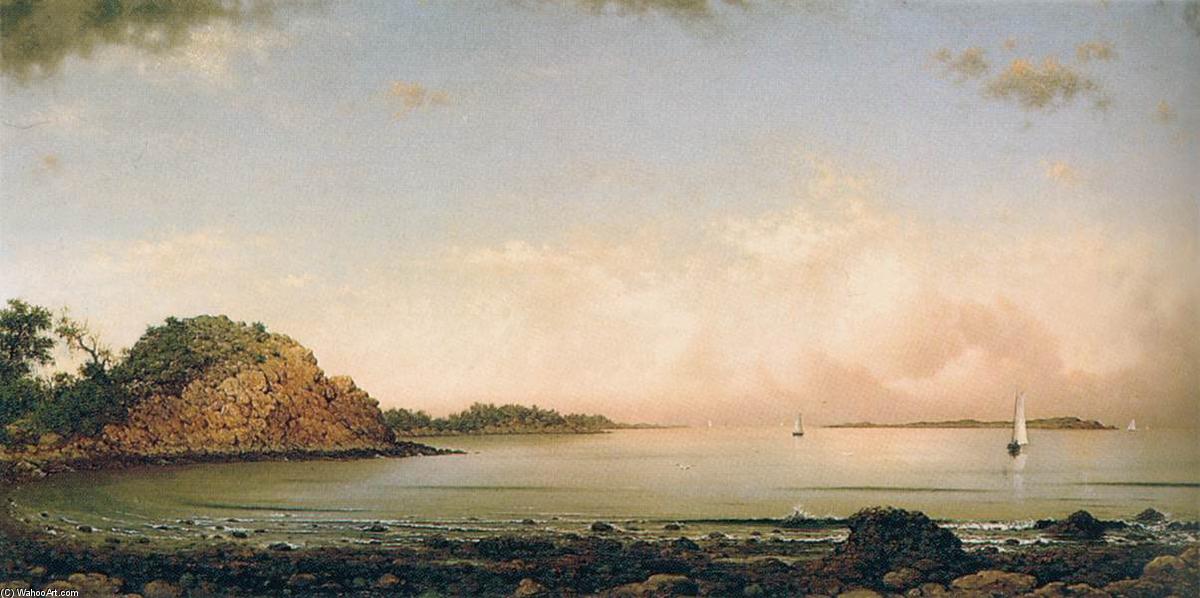
Spouting Rock, Newport
 Oil On Canvas
- WallArt
- Luminist Landscape
 1862
1862 64.0 x 127.0 cm
 Museo Thyssen-Bornemisza
 Weiterlesen
Handgefertigte Ölreproduktion
Handgemaltes Ölgemälde auf Leinwand in Ihrer Wunschgröße und mit Rahmen, auf Bestellung von unseren Künstlern angefertigt. ( Druck bestellen Bild kaufen)




P118B $10

P118H $10

P118W $10

P438Z $10

P508JH $12

P508YH $12

P805H $10

P805Z $10

P919BZ $10

P919G $10

P919XJ $10

P959ZH $10

P968JZ $12

W106C $8

W218G $10

W218JH $8

W218Y $10

W307PJ $10

W316G $10

W316PJ $8

W316Y $10

W398PJ $8

W4111J $10

W500HY $15

W500JH $15

W692G $12

W849H $8

W940BG $15

W953PJ $8




Wählen Sie aus unseren vordefinierten Formaten, die den ursprünglichen Proportionen des Kunstwerks entsprechen.

Sie können Ihre eigenen Maße eingeben, um einen bestimmten Rahmen oder Platz auszufüllen. Wenn die gewählte Größe nicht den Proportionen des Originalbildes entspricht, werden wir das Kunstwerk entweder beschneiden oder das Gemälde durch zusätzliche, handgemalte Elemente erweitern. Ein digitales Mockup wird Ihnen zur Genehmigung zugesandt, bevor die Produktion beginnt.
Bitte beachten Sie, dass die Bildschirmvorschau nicht die tatsächliche Beschneidung oder Erweiterung widerspiegelt. Nur das Mockup zeigt die endgültige Komposition exakt an.
Obwohl Sondermaße verfügbar sind, empfehlen wir, eine Größe aus der vordefinierten Liste zu wählen, um die ursprünglichen Proportionen beizubehalten.
Nach der Bestellung wird das OriginalUniqueArt.com-Team dem Kunden Anweisungen per E-Mail zusenden und eine Mockup-Vorschau bereitstellen.
Weltweiter Versand () in nur 3 bis 4 Wochen statt der üblichen 5 Wochen. (20 August). Keine Kompromisse bei der Qualität.

Kostenloser weltweiter Expressversand

Hochwertige Leinenleinwand

Umfassender Versicherungsschutz beim Versand

Zollgebühren-Rückerstattungsgarantie

Garantie für exakte Farbtreue

60 Tage Rückgaberecht (nur bei Mängeln)

100% Geld-zurück-Garantie

Mengenrabatt verfügbar
 Die Glasoption ist nur für Größen unter 110 cm verfügbar.

Spouting Rock, Newport
Art der Reproduktion
Format der Reproduktion
-


Gesamtpreis
$ 300
Beschreibung des Kunstwerks
A Moment of Tranquil Reflection: Martin Johnson Heade’s “Spouting Rock, Newport”
Martin Johnson Heade's "Spouting Rock, Newport," painted in 1862, isn’t merely a depiction of a coastal scene; it’s an immersion into the very essence of New England light and atmosphere. This captivating landscape, now housed within the Thyssen-Bornemisza Museum in Madrid, offers a profound meditation on nature's subtle power—a testament to Heade’s mastery of Luminism, a style that sought to capture the fleeting effects of sunlight upon surfaces rather than detailed representations of form. The painting immediately draws the viewer into a world of muted tones and delicate gradations, where the eye wanders across the textured surface of the rocks, the shimmering water, and the hazy sky.
Heade’s technique is characterized by an almost obsessive attention to light. He eschews bold outlines or dramatic contrasts in favor of a nuanced approach that mimics the way sunlight filters through mist and reflects off wet surfaces. The brushstrokes are loose and suggestive, creating a sense of atmospheric depth and movement. Notice how he employs broken color—small, distinct patches of pigment—to build up the forms of the rocks and water, rather than blending them seamlessly together. This technique not only creates an illusion of texture but also captures the ephemeral quality of light itself. The painting’s palette is predominantly pastel – soft blues, greens, browns, and grays – contributing to its serene and contemplative mood.
The Luminist Vision: A Shift in American Landscape Painting
To fully appreciate “Spouting Rock,” it's crucial to understand the context of Heade’s work within the broader movement of Luminism. Emerging in the 1850s, Luminism represented a deliberate departure from the grand, heroic landscapes favored by the Hudson River School. Instead of monumental vistas and dramatic mountainscapes, Luminist painters focused on smaller-scale scenes—often coastal marshes, riversides, and interiors—and prioritized capturing the subtle effects of light and atmosphere. Artists like Heade, Fitz Hugh Lane, and Asher B. Durand sought to emulate the delicate brushwork and atmospheric perspective of the Dutch Masters, particularly Johan Vermeer.
Heade’s connection to the Hudson River School is complex. While he shared some stylistic similarities—a focus on American landscapes—he ultimately forged his own distinct voice within the movement. His paintings often possess a quieter, more introspective quality than those of his contemporaries, reflecting his deep appreciation for the beauty and tranquility of nature. “Spouting Rock” exemplifies this shift, moving away from overt grandeur towards a subtle exploration of light, texture, and mood.
Symbolism in Nature’s Embrace
Beyond its technical brilliance, "Spouting Rock" is rich with symbolic meaning. The titular rock formation—a dramatic outcrop rising from the coastline—serves as a focal point, drawing the viewer's eye into the heart of the scene. It represents both strength and vulnerability, solid and enduring yet subject to the relentless forces of nature. The presence of several small sailboats on the water evokes themes of human connection with the natural world, suggesting a harmonious coexistence between man and environment. The muted colors and soft light contribute to a sense of peace and contemplation, inviting the viewer to lose themselves in the beauty of the scene.
Furthermore, Heade’s meticulous rendering of details—the individual grains of sand on the beach, the ripples in the water, the texture of the rocks—suggests a deep respect for the natural world. The painting isn't simply a representation of a coastal landscape; it’s an affirmation of nature’s inherent beauty and value. It speaks to a time when artists were increasingly concerned with capturing the fleeting moments of light and atmosphere that define the American experience.
A Legacy of Light: Reproduction and Appreciation
Reproductions of “Spouting Rock, Newport” offer a remarkable opportunity to bring this exquisite painting into your home or office. The delicate brushwork and subtle color palette are particularly well-suited to high-quality prints, allowing you to appreciate the nuances of Heade’s technique. Consider framing the artwork in a simple, elegant frame that complements its understated beauty—a neutral tone would allow the painting's colors to truly shine. “Spouting Rock” is more than just a beautiful image; it’s a window into the artistic vision of Martin Johnson Heade and a celebration of the enduring power of nature.
Über den Künstler
Frühes Leben und Ausbildung
Martin Johnson Heade, ein amerikanischer Maler, wurde am 11. August 1819 in Lumberville, Pennsylvania, geboren. Seine frühen Jahre waren von einer starken Neigung zur Kunst geprägt, was ihn dazu veranlasste, unter der Anleitung von Edward Hicks und möglicherweise Thomas Hicks zu studieren. Diese grundlegende Ausbildung legte den Grundstein für seine zukünftigen künstlerischen Bestrebungen.Künstlerische Karriere
Heades künstlerische Karriere lässt sich grob in mehrere Phasen einteilen, die jeweils durch eine deutliche Verschiebung seines Themas und Stils gekennzeichnet sind. Zunächst konzentrierte er sich auf Porträts, wobei sein früheste bekannte Arbeit ein Porträt aus dem Jahr 1839 war. Anschließend reiste er nach Europa, wo er verschiedenen künstlerischen Einflüssen ausgesetzt war.- Heades Werk zeigte zunehmend Interesse an Landschaftsmalerei, insbesondere nachdem er Künstler der Hudson River School wie John Frederick Kensett und Benjamin Champney getroffen hatte.
- Seine Reisen nach Brasilien (1863-1864) und anschließende Reisen nach Nicaragua, Kolumbien, Panama und Jamaika (1866 und 1870) beeinflussten seine Arbeit tiefgreifend und führten zu einer Reihe kleiner Gemälde mit Darstellung von Kolibris.
- Heades späte Jahre in St. Augustine, Florida, waren durch einen verstärkten Fokus auf Stillleben gekennzeichnet, insbesondere Magnolienblüten, die auf Samtstoff gelegt wurden.
Stil und Bekannte Werke
Heades Stil ist durch einen romantischen Ansatz zu seinen Motiven gekennzeichnet, wobei oft das Zusammenspiel von Licht und Schatten betont wird. Seine bekanntesten Werke umfassen Darstellungen der Küstenmarschlandschaften Neuenglands, was dazu geführt hat, dass einige Historiker ihn als Luministen-Maler kategorisieren.- Heades Werk ist heute Teil bedeutender Museen und Sammlungen, darunter die Martin Johnson Heade Sammlung auf https://OriginalUniqueArt.com/@/martin-johnson-heide.
- Einige seiner bemerkenswerten Gemälde, wie zum Beispiel "Forked Tailed Woodnymph", sind in der Sammlung auf OriginalUniqueArt zu finden.
- Für weitere Informationen über Heades Leben und Werk besuchen Sie bitte die Wikipedia-Seite über Martin Johnson Heade.
Vermächtnis
Obwohl Martin Johnson Heade zu Lebzeiten nicht weithin bekannt war, hat seine Arbeit seit den 1940er Jahren die Aufmerksamkeit von Gelehrten und Sammlern erregt. Heute gilt er als ein bedeutender amerikanischer Künstler, wobei seine Gemälde gelegentlich an unerwarteten Orten wie auf Flohmärkten oder in Garagenverkäufen entdeckt werden. Wichtige Punkte: * Geboren: 11. August 1819, Lumberville, Pennsylvania * Gestorben: 4. September 1904 * Bekannte Werke: Marschlandschaftsbilder, Meeresblicke, Darstellungen tropischer Vögel, Lotusblüten und Stillleben * Stil: Romantischer Ansatz mit Fokus auf Licht und Schatten, kategorisiert als Luministen-Maler * Sammlungen: Bedeutende Museen und die Martin Johnson Heade Sammlung auf OriginalUniqueArt
Martin Johnson Heade
1819 - 1904 , Vereinigte Staaten von Amerika
Kurzinfos
- Beeinflusste Künstler:
- John Frederick Kensett
- Benjamin Champney
- Bemerkenswerte Werke:
- Forked Tailed Woodnymph
- Salt Marsh Landscapes
- Magnolienblütenstillleben
- Geburtsdatum: 11. August 1819
- Geburtsort: Lumberville, USA
- Künstlerische Bewegung: Luminismus
- Nationalität: Amerikanisch
- Sterbedatum: 4. September 1904
- Vollständiger Name: Martin Johnson Heade
Ähnliche Artikel
Martin Johnson Heade: Luminismus, amerikanische Identität und das poetische Stillleben
Entdecken Sie das Werk von Martin Johnson Heade! Erfahren Sie mehr über den Luminismus, seine Landschaftsmalerei und die poetischen Stillleben dieses amerikanischen Meisters. Kunstexperten-Analyse & hochwertige Reproduktionen.
Die schönsten Landschaftsbilder: 10 Meisterwerke für Ihr Zuhause | OriginalUniqueArt.com
Entdecken Sie die 10 schönsten Landschaftsbilder der Kunstgeschichte! Von Monet bis Van Gogh – erfahren Sie die Geschichten hinter Meisterwerken & finden Sie Inspiration für Ihr Zuhause. Hochwertige Kunstdrucke auf OriginalUniqueArt.com.

Romantische Landschaften: Die 10 Meisterwerke, die eine Epoche prägten | OriginalUniqueArt
Entdecken Sie die 10 Meisterwerke der Romantischen Landschaftsmalerei! Von Caspar David Friedrich bis Turner – erleben Sie die Kunst, Emotion & Natur. Hochwertige Reproduktionen auf OriginalUniqueArt.com

Evocations of Place: A Historical Journey Through Landscape Art
Explore the rich history of landscape art with OriginalUniqueArt. Discover renowned artists, movements like Impressionism & Romanticism, and expert guidance for collecting timeless pieces. Find your perfect serene escape today!

Luminism: Capturing the Ethereal Glow of Light in American Landscape Painting
Explore the ethereal beauty of Luminism. Discover how 19th-century American masters captured light and atmosphere through profound landscape painting. Learn about this iconic movement and find museum-quality, hand-painted oil reproductions to bring historical brilliance to your home.



