Vorschau anzeigen
 Versenden
 Teilen
 Details anzeigen

 Herunterladen
 Ähnliche Objekte
 Röntgenaufnahme
 Diashow
 Statistiken
No. 6 (?)
 Acrylic
- WallArt
- Abstract Expressionism
 1964
1964 236.0 x 193.0 cm
 Weiterlesen
Giclée / Kunstdruck
Giclée- oder Leinwanddruck in Museumsqualität mit schneller Produktion und flexiblen Veredelungsoptionen. ( Handgemalte Reproduktion bestellen Zum digitalen Bild wechseln)




P118B $10

P118H $10

P118W $10

P438Z $10

P508JH $12

P508YH $12

P805H $10

P805Z $10

P919BZ $10

P919G $10

P919XJ $10

P959ZH $10

P968JZ $12

W106C $8

W218G $10

W218JH $8

W218Y $10

W307PJ $10

W316G $10

W316PJ $8

W316Y $10

W398PJ $8

W4111J $10

W500HY $15

W500JH $15

W692G $12

W849H $8

W940BG $15

W953PJ $8




Wählen Sie aus unseren vordefinierten Formaten, die den ursprünglichen Proportionen des Kunstwerks entsprechen.

Sie können Ihre eigenen Maße eingeben, um ein bestimmtes Format oder einen speziellen Platz einzupassen. Wenn das von Ihnen gewählte Format nicht den Proportionen des Originalbildes entspricht, werden wir das Kunstwerk entweder beschneiden oder das Bild mit einem gespiegelten oder einfarbigen Rand erweitern. Ein digitaler Entwurf wird Ihnen zur Genehmigung zugesandt, bevor die Produktion beginnt.
Bitte beachten Sie, dass die Vorschau auf dem Bildschirm nicht den tatsächlichen Zuschnitt oder die Erweiterung widerspiegelt. Nur der Entwurf zeigt die endgültige Komposition präzise an.
Obwohl Sondermaße verfügbar sind, empfehlen wir die Auswahl eines Maßes aus der vordefinierten Liste, um die ursprünglichen Proportionen zu bewahren.
Weltweiter Versand () innerhalb von 2 Wochen statt der üblichen 4/5 Wochen. (13 September)

Kostenloser weltweiter Expressversand

Hochwertige Leinenleinwand

Umfassender Versicherungsschutz beim Versand

Zollgebühren-Rückerstattungsgarantie

Garantie für exakte Farbtreue

100-Tage-Rückgaberecht (nur bei Mängeln)

100% Geld-zurück-Garantie

Mengenrabatt verfügbar
 Die Glasoption ist nur für Größen unter 110 cm verfügbar.

No. 6 (?)
Giclée / Kunstdruck
Format der Reproduktion
-


Gesamtpreis
$ 80
The Weight of Absence: Exploring Mark Rothko’s No. 6 (?)
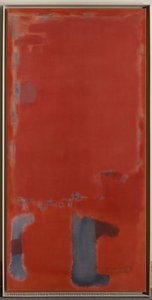
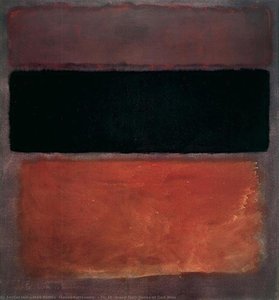
Mark Rothko's "No. 6 (?)" stands as a cornerstone of Abstract Expressionism, embodying the profound anxieties and contemplative spirit that defined its era. Painted in 1964, this deceptively simple canvas—measuring 236 x 193 cm—commands attention not through vibrant hues or intricate detail but through an arresting stillness achieved via masterful color orchestration. The painting’s core is a monumental black square positioned centrally on a muted brown background, creating an illusion of depth and inviting prolonged observation. This seemingly austere composition belies a complex tapestry of artistic intention and historical significance.- Style & Technique: Rothko's approach to painting—often termed “color field”—rejected representational imagery altogether. Instead, he prioritized pure color as expressive language, layering thin washes of pigment onto the canvas to build up hazy blocks of color that bleed into one another. This technique deliberately obscures boundaries between hues, fostering a meditative experience for the viewer and prioritizing emotional resonance over visual accuracy.
- Historical Context: The painting emerged during the height of Abstract Expressionism, a movement born from the aftermath of World War II and fueled by disillusionment with Western civilization. Artists like Rothko sought to grapple with existential questions—the nature of consciousness, mortality, and the human condition—through non-figurative art forms.
- Color Symbolism: The dominant brown hue is interpreted as representing earthiness, stability, and perhaps even a subconscious yearning for connection. Simultaneously, it serves as a grounding element against which the stark black square asserts its presence. This juxtaposition speaks to themes of darkness and light—not merely illumination but also shadow—reflecting Rothko’s preoccupation with confronting uncomfortable truths.
- Emotional Impact: Viewing “No. 6 (?)” is intended to be a visceral experience, prompting contemplation rather than judgment. The square's ambiguous form encourages viewers to project their own emotions and interpretations onto the canvas, fostering a dialogue between art and psyche. Rothko famously described his paintings as "windows into eternity," aiming to evoke feelings of awe and transcendence.
A Legacy of Quiet Intensity
Rothko’s artistic vision was deeply rooted in his personal history—his displacement from Latvia, the loss of his father, and the challenges of adapting to a new culture. These experiences instilled within him a profound sensitivity to suffering and fueled his relentless pursuit of artistic truth. “No. 6 (?)” embodies this ethos perfectly: it’s not merely a painting; it's an embodiment of introspection and a testament to the power of art to communicate unspoken emotions.Reproductions for Inspiration
OriginalUniqueArt.com offers exceptional reproductions of Mark Rothko’s “No. 6 (?),” meticulously crafted to capture the essence of the original artwork. Utilizing archival-quality pigments and printing methods, our reproductions faithfully reproduce the subtle tonal variations and textural nuances that characterize Rothko's distinctive style. Whether adorning a gallery wall or enriching your home interior, these reproductions provide an opportunity to engage with one of the most influential paintings of the 20th century—a piece that continues to resonate with audiences worldwide.Über den Künstler
frühes Leben und Einflüsse
Mark Rothko (Marcus Rothkowitz), ein renommierter amerikanischer Künstler, wurde am 25. September 1903 in Dwinisk, Lettland, geboren. Seine Familie immigrierte als Kind, gerade zehn Jahre alt, in die Vereinigten Staaten. Diese kulturelle Veränderung beeinflusste später seinen künstlerischen Stil.künstlerische Entwicklung
Rothkos frühe Werke waren durch den **abstrakten Expressionismus** geprägt, einen Stil, der die Prozesshaftigkeit der Kunstschaffung betonte und nicht das Endprodukt. Seine Gemälde, wie No. 18 (1948) und Untitled (1948), zeigten seinen einzigartigen Ansatz für Farbe und Form.- **Farbfeld:** Rothkos Verwendung von kräftigen, rechteckigen Farbflächen, oft in scharfem Kontrast zueinander, erzeugte ein Gefühl von Tiefe und Emotion.
- **Organische Struktur:** Seine Gemälde wirkten lebendig, als wären die Farben lebendige Wesen.
Bemerkenswerte Werke und Ausstellungen
- No. 10 (1950), ein Gemälde, das einen bedeutenden Wandel in Rothkos Stil markierte, befindet sich heute im Besitz der Museum of Modern Arts.
- Die Seagram-Muralen, eine Reihe von Gemälden, die für das Restaurant Four Seasons angefertigt wurden, zeigten Rothkos Fähigkeit, seinen Stil an verschiedene Umgebungen anzupassen.
- No. 3 (1950), ein Gemälde, das Rothkos Verwendung von kräftigen, rechteckigen Farbflächen veranschaulicht.
Spätes Leben und Vermächtnis
Rothkos Leben war von Kämpfen mit psychischen Problemen und einer turbulenten Ehe geprägt. Er starb am 25. Februar 1970 im Alter von 66 Jahren. Trotz seiner Herausforderungen hinterließ Rothko einen unauslöschlichen Eindruck in der Kunstwelt. Ochre and Red on Red (Farbfeld), ein Gemälde, das Rothkos einzigartigen Ansatz für Farbe zeigt, befindet sich in der Sammlung von OriginalUniqueArt.com. Mark Rothkos Wikipedia-Seite bietet weitere Einblicke in sein Leben und seinen künstlerischen Stil.
Mark Rothko
1903 - 1970 , Lettland
Kurzinfos
- Beeinflusste Künstler: ['Minimalistische Kunst']
- Bemerkenswerte Werke:
- Nr. 18 (1948)
- Nr. 10 (1950)
- Seagram-Wandbilder
- Nr. 3 (1950)
- Einflüsse:
- Surrealismus
- Marxistische Philosophie
- Geburtsdatum: 25. September 1903
- Geburtsort: Daugavpils, Lettland
- Künstlerische Bewegung: Abstrakter Expressionismus
- Nationalität: Amerikanisch
- Todatum: 25. Februar 1970
- Vollständiger Name: Mark Rothko / Marcus Rothkowitz
Ähnliche Artikel

Abstrakter Expressionismus: Die 10 Meisterwerke, die eine Kunstbewegung prägten |
Entdecken Sie die 10 Meisterwerke des Abstrakten Expressionismus! Von Jackson Pollock bis Mark Rothko – erfahren Sie die Geschichten hinter ikonischen Gemälde und finden Sie hochwertige Reproduktionen für Ihr Zuhause. Jetzt bei entdecken!

Kandinsky: Die 25 Meisterwerke des Abstrakten – Kunst für Ihr Zuhause | OriginalUniqueArt
Entdecken Sie die 25 bedeutendsten Gemälde von Wassily Kandinsky! Tauchen Sie ein in die Welt der abstrakten Kunst, des Expressionismus und der Farbkomposition. Hochwertige Kunstdrucke & Inspiration für Ihr Zuhause auf OriginalUniqueArt.com.

Mark Rothkos Meisterwerke: Die Top 25 für Kunstliebhaber | OriginalUniqueArt
Entdecken Sie die 25 Meisterwerke von Mark Rothko! Tauchen Sie ein in die Welt der abstrakten Kunst, des Expressionismus und der Farbfeldmalerei. Hochwertige Kunstdrucke & Reproduktionen auf OriginalUniqueArt.com – für Ihre Wohnräume.

Die Sublimität der Farbe: Mark Rothkos emotionale Landschaften des Abstrakten Expressionismus
Entdecken Sie die tiefgründige Welt von Mark Rothko und dem Abstrakten Expressionismus. Expertenanalyse der Farbfeldmalerei, ihre emotionale Tiefe & bleibenden Einfluss. Jetzt lesen!
The Visceral Canvas: Exploring the Raw Emotion and Historical Power of Abstract Expressionism
Embark on a profound journey through Abstract Expressionism. Discover the raw emotion, historical significance, and visceral power of the New York School's greatest masters in this expert exploration of mid-century modern art history.