Textgröße

() ·

Ein Gemälde, von Hand für Sie geschaffen

Polishing Pans

Handgefertigte Ölreproduktion

Handgemaltes Ölgemälde auf Leinwand in Ihrer Wunschgröße und mit Rahmen, auf Bestellung von unseren Künstlern angefertigt. ( Zum Druck wechseln Zum digitalen Bild wechseln)

Beschreibung des Sammlerstücks

Discover 'Polishing Pans' by Marianne Stokes (1887). This captivating oil painting depicts domesticity with intricate detail & warm colors, housed at the Walker Art Gallery.

Künstlerbiografie

Marianne Stokes (1855-1927) war eine bedeutende viktorianische Künstlerin bekannt für ihren rustikalen Naturalismus und mittelalterliche Romantikdarstellungen. Mitglied der Newlyn School, erfasste sie die Kultur der Slowakei in Temperafarben und Gesso Gemälden.

ab ·

Kapitel 1

Welche Größe soll es haben?

Wischen Sie, um die Größe zu ändern; das Bild auf der linken Seite zeigt den Rahmen in seiner tatsächlichen Breite. Die Proportionen des Originals bleiben erhalten.

Standardformat
individuell anpassbar
CM
INCH

Wählen Sie aus unseren vordefinierten Formaten, die den ursprünglichen Proportionen des Kunstwerks entsprechen.

Breite
Höhe

Geben Sie die Breite und die Höhe an, die Sie für Ihren Rahmen oder Ihre Wand benötigen. Da dieses Werk handgemalt ist, kann der Künstler bei einer anderen Form etwas mehr um das Bild herum malen oder etwas abschneiden – Sie entscheiden. Wir senden Ihnen ein digitales Mockup zur Freigabe, bevor mit dem Malen begonnen wird. Das auf dieser Seite gezeigte Bild stellt nicht das tatsächliche Ergebnis dar – dies tut nur das Mockup.

Kapitel 2

Wie soll es geliefert werden?

Wählen Sie die Kanten der Leinwand aus

Wählen Sie Ihren Rahmen

Corner sample of the WhiteWrap canvas edge finish, stretched on Massivholz bars
Weißer Rand €1
Corner sample of the BlurSideWrap canvas edge finish, stretched on Massivholz bars
verlaufende Kanten €1
Corner sample of the ExtendedWrap canvas edge finish, stretched on Massivholz bars
Umrandung €1
Corner sample of the P118B picture frame: formgepresstes Polystyrol, 5 cm wide and 3 cm thick
P118B €10
Corner sample of the P118H picture frame: formgepresstes Polystyrol, 5 cm wide and 3 cm thick
P118H €10
Corner sample of the P118W picture frame: formgepresstes Polystyrol, 5 cm wide and 3 cm thick
P118W €10
Corner sample of the P438Z picture frame: formgepresstes Polystyrol, 5.5 cm wide and 3.5 cm thick
P438Z €10
Corner sample of the P508JH picture frame: formgepresstes Polystyrol, 7 cm wide and 3.5 cm thick
P508JH €12
Corner sample of the P508YH picture frame: formgepresstes Polystyrol, 7 cm wide and 3.5 cm thick
P508YH €12
Corner sample of the P805H picture frame: formgepresstes Polystyrol, 5 cm wide and 3.5 cm thick
P805H €10
Corner sample of the P805Z picture frame: formgepresstes Polystyrol, 5 cm wide and 3.5 cm thick
P805Z €10
Corner sample of the P919BZ picture frame: formgepresstes Polystyrol, 7 cm wide and 3.5 cm thick
P919BZ €10
Corner sample of the P919G picture frame: formgepresstes Polystyrol, 7 cm wide and 3.5 cm thick
P919G €10
Corner sample of the P919XJ picture frame: formgepresstes Polystyrol, 7 cm wide and 3.5 cm thick
P919XJ €10
Corner sample of the P959ZH picture frame: formgepresstes Polystyrol, 5 cm wide and 3 cm thick
P959ZH €10
Corner sample of the P968JZ picture frame: formgepresstes Polystyrol, 6 cm wide and 4 cm thick
P968JZ €12
Corner sample of the W106C picture frame: Massivholz, 5 cm wide and 3 cm thick
W106C €8
Corner sample of the W218G picture frame: Massivholz, 5 cm wide and 3 cm thick
W218G €10
Corner sample of the W218JH picture frame: Massivholz, 5 cm wide and 3 cm thick
W218JH €8
Corner sample of the W218Y picture frame: Massivholz, 5 cm wide and 3 cm thick
W218Y €10
Corner sample of the W307PJ picture frame: Massivholz, 6 cm wide and 3 cm thick
W307PJ €10
Corner sample of the W316G picture frame: Massivholz, 6 cm wide and 3 cm thick
W316G €10
Corner sample of the W316PJ picture frame: Massivholz, 6 cm wide and 3 cm thick
W316PJ €8
Corner sample of the W316Y picture frame: Massivholz, 6 cm wide and 3 cm thick
W316Y €10
Corner sample of the W398PJ picture frame: Massivholz, 5 cm wide and 3 cm thick
W398PJ €8
Corner sample of the W4111J picture frame: Massivholz, 6.5 cm wide and 3.5 cm thick
W4111J €10
Corner sample of the W500HY picture frame: Massivholz, 7 cm wide and 5 cm thick
W500HY €15
Corner sample of the W500JH picture frame: Massivholz, 7 cm wide and 5 cm thick
W500JH €15
Corner sample of the W692G picture frame: Massivholz, 8 cm wide and 4 cm thick
W692G €12
Corner sample of the W849H picture frame: Massivholz, 5 cm wide and 3 cm thick
W849H €8
Corner sample of the W940BG picture frame: Massivholz, 7.5 cm wide and 4.5 cm thick
W940BG €15
Corner sample of the W953PJ picture frame: Massivholz, 6 cm wide and 3.5 cm thick
W953PJ €8
Corner sample of the H24-GOLD picture frame: geschnitztes Holz mit Gesso, 10 cm wide and 6 cm thick
H24-GOLD €30
Corner sample of the H24-SILVER picture frame: geschnitztes Holz mit Gesso, 10 cm wide and 6 cm thick
H24-SILVER €30
Corner sample of the H36-GOLD picture frame: geschnitztes Holz mit Gesso, 15 cm wide and 6.5 cm thick
H36-GOLD €45
Corner sample of the H36-SILVER picture frame: geschnitztes Holz mit Gesso, 15 cm wide and 6.5 cm thick
H36-SILVER €45

Profil: . Gesamtgröße mit Rahmen: .

Kapitel 3

Wer malt es, und sollte etwas geändert werden?

Beispiele für Anpassungsmöglichkeiten: Gesicht durch Kundenfoto ersetzen; Haustier hinzufügen (z. B. Katze durch Hund ersetzen); Versteckte Botschaft im Hintergrund einfügen; Hintergrundlandschaft oder Elemente ändern.
Nach der Bestellung wird das Team von OriginalUniqueArt.com den Kunden per E-Mail kontaktieren, um Anweisungen einzuholen und eine Vorschau des Entwurfs bereitzustellen

Weltweiter Versand () in nur 3 bis 4 Wochen statt der üblichen 5 Wochen. (3 November). Keine Kompromisse bei der Qualität.

Kapitel 4

Der letzte Schliff

Ein Namensschild, wie im Museum?

Details der gravierten Bronzetafel

This elegant plaque features the artist's name and the title of the artwork, finely engraved for a timeless presentation.

It is made from bronze with a refined, elegant finish. The text is precisely laser-engraved for a sharp and permanent result. Measuring 9x2 cm, the plaque is compact yet easy to read. It's built to be durable and scratch-resistant, offering a professional, museum-quality look. Mounting is simple thanks to the included adhesive backing.

Details zur Acrylglas-Plakette (transparent)

The plaque includes essential engraved details such as the artist's name, the title of the artwork, the date it was created, the type of media used-like oil on canvas or watercolor-a brief description of the piece, and a QR code that links to the complete artwork information.

It is crafted from clear acrylic, offering a sleek, modern appearance. The text is UV-engraved in black to ensure strong visual contrast. With a size of 10x15 cm, it ensures optimal readability. It comes equipped with two metal hooks for secure wall mounting. The plaque is designed to be weather-resistant, making it suitable for various environments, and it includes interactive features that work seamlessly with smartphone scanning.

Details zur schwarzen Acryltafel

This elegant plaque includes engraved information such as the artist's name, the title of the artwork, the date it was created, the type of media used (like oil on canvas or watercolor), a short description of the artwork, and a QR code for quick access to more information.

The plaque itself is made from refined black acrylic with a premium finish. The text is laser-engraved in white for high contrast and readability. Its size is 10x15 cm, designed to be easy to read. It comes with two metal hooks for professional mounting. The design is sleek and fits any interior style. It is also weather-resistant and durable, with built-in digital integration for mobile compatibility.

Ein Schutzlack?

Bis wann benötigen Sie es?

Kapitel 5

Ihr Gemälde, wie von Ihnen bestellt

Polishing Pans

Art der Reproduktion

Format der Reproduktion

-

Erstklassige Meisterkünstler

Mehr Detailtiefe, Raffinesse und zusätzliche Produktionszeit

-

Rahmen für Reproduktionen

-

-

Bei Kunstwerken oder Reproduktionen, die an einer Seite größer als 105 cm (ca. 41 Zoll) sind, wird der Rahmen zerlegt als Bausatz geliefert. Diese Methode gewährleistet eine sichere Zustellung und verhindert Schäden während des Transports.

Professionelle Montage erforderlich – dies ist kein DIY-Produkt.
Der Bausatz muss von einem erfahrenen professionellen Rahmenmacher zusammengebaut und die Leinwand gespannt werden. Hierfür werden Holzleim (nicht im Lieferumfang enthalten), eine Leinwandspannzange sowie Klemmen benötigt, um die Keilleisten während des Trocknungsvorgangs rechtwinklig zu halten. Eine unsachgemäße Montage oder eine ungleichmäßige Spannung der Leinwand kann das Kunstwerk dauerhaft beschädigen und ist nicht durch unsere Garantie abgedeckt.

  • Alle Vollholzkomponenten sind enthalten, präzise auf Maß zugeschnitten.

  • Der Zusammenbau erfolgt mit den mitgelieferten Schrauben sowie Holzkleber für die Eckverbindungen, der nicht im Lieferumfang enthalten ist und vom Rahmenbauer selbst beschafft werden muss.

  • Professionelles Werkzeug ist erforderlich und nicht im Lieferumfang enthalten: eine Keilrahmenzange (Spannwerkzeug) sowie Klammern, um die Leisten während der Trocknungszeit des Klebers rechtwinklig zu fixieren.

Wichtiger Hinweis:
Für die Eckverbindungen wird Holzleim benötigt, die Leisten müssen mit Zwingen fixiert werden, bis der Leim vollständig getrocknet ist, und das Spannen der Leinwand auf dem fertigen Rahmen erfordert eine Keilrahmen-Zange. Keines dieser Utensilien ist im Set enthalten. Bitte stellen Sie sicher, dass ein erfahrener Rahmenmacher zur Verfügung steht, bevor Sie diese Größe bestellen.

Beschriftung

-

-

Schutzlackierung

Glanzlack (verstärkt die Farben, schützt vor Licht und Feuchtigkeit)

-

Mein Kunstwerk personalisieren

Beispiele für Anpassungsmöglichkeiten: Gesicht durch Kundenfoto ersetzen; Haustier hinzufügen (z. B. Katze durch Hund ersetzen); Versteckte Nachricht im Hintergrund einfügen; Hintergrundlandschaft oder -elemente ändern.

-

Eilt sehr

Weltweiter Versand () in nur 3 bis 4 Wochen statt der üblichen 5 Wochen. (3 November). Keine Kompromisse bei der Qualität.

-

Expressversand

Weltweiter Versand () innerhalb von 5 Wochen. (10 November).

Inklusive Versand

Endpreis

€ 268

Gesamtpreis € 268

Die Glasoption ist nur für Größen unter 110 cm verfügbar.

In jeder Bestellung enthalten

  • Kostenloser weltweiter Expressversand
  • Hochwertige Leinenleinwand
  • Umfassender Versicherungsschutz beim Versand
  • Zollgebühren-Rückerstattungsgarantie
  • Garantie für exakte Farbtreue
  • 100 Tage Rückgaberecht (nur bei Mängeln)
  • 100% Geld-zurück-Garantie
  • Mengenrabatt verfügbar

Polishing Pans: A Glimpse into Victorian Domesticity

Marianne Stokes’s “Polishing Pans,” painted in 1887, is more than just a depiction of a woman engaged in a household chore; it's a poignant meditation on the quiet dignity and subtle beauty found within everyday life. Housed at the Walker Art Gallery in Liverpool, this oil-on-canvas piece offers a rare window into the Victorian era’s fascination with domesticity and its evolving portrayal of women.

The scene unfolds within a modestly furnished room – a kitchen or dining area, as many art historians suggest. A woman, rendered with remarkable detail by Stokes, is seated on the floor before a table laden with an assortment of objects: bottles, cups, a bowl, and what appears to be a bucket, likely containing cleaning solution. Her posture suggests focused concentration, her hands deftly manipulating the implements at hand. The composition isn’t grand or dramatic; rather, it's deliberately intimate, drawing the viewer into this private moment of labor.

A Masterclass in Victorian Detail and Light

Stokes’s artistic style is characterized by an almost obsessive attention to detail—a hallmark of her work throughout her career. She meticulously captures the textures of the fabrics, the sheen of the copperware, and the subtle variations in light and shadow. The use of warm colors – ochres, browns, and muted reds – creates a sense of warmth and tranquility, contrasting with the cool blues and greens used for the background. Notably, Stokes employs soft lighting, casting gentle highlights on the woman’s arm and the polished surfaces, adding to the painting's intimate atmosphere.

Technically, “Polishing Pans” demonstrates a sophisticated understanding of oil paint. Stokes skillfully builds up layers of color to achieve depth and luminosity, utilizing glazing techniques to create subtle transitions between tones. The brushwork is generally smooth and controlled, yet with moments of expressive strokes that convey the woman’s focused energy. The choice of canvas allows for rich pigment saturation and a remarkable level of detail – a testament to Stokes's mastery.

Symbolism and Victorian Ideals

“Polishing Pans” is not simply a snapshot of domestic life; it carries significant symbolic weight within the context of Victorian society. The act of polishing, traditionally associated with women’s roles, becomes imbued with a quiet dignity. The woman's diligence and focus suggest an embodiment of Victorian ideals – industry, piety, and self-sufficiency. While seemingly mundane, her task represents a vital contribution to the household and family—a subtle assertion of female agency within a patriarchal society.

Furthermore, the inclusion of everyday objects—bottles, cups, and cleaning supplies—elevates the ordinary to the level of art. Stokes’s ability to find beauty in the commonplace reflects a broader trend in Victorian art, which often sought to capture the essence of rural life and the virtues of simplicity. The copperware, particularly, connects the scene to the industrial heartland of Cornwall, adding another layer of local significance.

A Legacy of Observation and Quiet Beauty

Marianne Stokes’s “Polishing Pans” stands as a remarkable example of Victorian art—a testament to her skill, observation, and ability to imbue ordinary subjects with profound meaning. It invites us to pause and consider the beauty that can be found in the most unassuming moments of daily life. The painting's enduring appeal lies not only in its technical brilliance but also in its poignant portrayal of a woman engaged in a timeless act of labor and self-expression.

Reproductions of “Polishing Pans” offer an accessible way to experience this captivating artwork, bringing its quiet beauty into any home or space. Consider commissioning a high-quality hand-painted reproduction to add a touch of Victorian elegance and thoughtful artistry to your interior design.

Fragen & Antworten

Welche Technik und welcher Stil charakterisieren "Polishing Pans" von Marianne Stokes?

In "Polishing Pans" trifft die Oil On Canvas-Technik auf die Victorian Romanticism-Strömung.

Sind die Farben von "Polishing Pans" von Marianne Stokes gesättigt oder gedämpft?

Die Farbpalette von "Polishing Pans" weist eine Sättigung von Subtle Color auf.

Welchen kunsthistorischen Stellenwert nimmt "Polishing Pans" von Marianne Stokes ein?

"Polishing Pans" von Marianne Stokes gehört der Strömung des Victorian Romanticism innerhalb der 19th Century-Epoche an. Zusammen verleihen sie dem Werk seinen Platz in der Kunstgeschichte.

Mehr über dieses Gemälde

Vorschau anzeigen In AR ansehen Zum Druck wechseln Zum digitalen Bild wechseln Versenden
Details anzeigen Leitfaden Zu Favoriten hinzufügen Herunterladen Ähnliche Objekte Röntgenaufnahme Diashow Fragen & Antworten Statistiken

In Zahlen

  • 1887das Jahr der Entstehung
  • 29Rahmen zur Auswahl
  • Standardformate, in ihren eigenen Proportionen
  • 5Wochen für die Bemalung und Lieferung
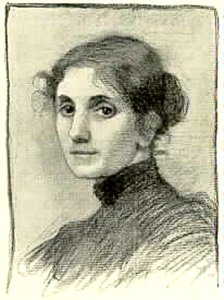
Marianne Stokes

Marianne Stokes

1855 - 1927, Österreich

Kurzinfos zu Marianne Stokes

  • Artistic Movement Or Style: Rustikale Naturismus
  • Artists Or Movements Influenced By This Artist: ['Newlyn School']
  • Artists Who Influenced This Artist:
    • Gustave Courtois
    • Jules Bastien-lepage
  • Date Of Birth: 1855
  • Date Of Death: 1927
  • Full Name: Marianne Stokes
  • Nationality: Österreichisch
  • Notable Artworks:
    • Muttergluck
    • Réflexion
  • Place Of Birth: Graz, Österreich

Künstlerbiografie

Ein Geflecht aus Tradition und Romantik: Das Leben der Marianne Stokes

Die Geschichte der viktorianischen Kunst wird oft durch die Linse großer Männer erzählt, doch das Vermächtnis von Marianne Stokes bietet ein tiefgreifendes Zeugnis für die Kraft einer weiblichen Vision in einer Ära starrer gesellschaftlicher Grenzen. Geboren als Marianne Preindlsberger im Jahr 1855 in Graz, Österreich, war ihr Lebensweg von bemerkenswerter geografischer und stilistischer Breite geprägt. Von der akademischen Strenge Münchens bis zu den sonnenverwöhnten Küsten Cornwalls webte Stokes ein Leben, das die Texturen ihrer Gemälde widerspiegelte – eine Mischung aus disziplinierter Technik und ätherischer, romantischer Sehnsucht. Ihre frühen Jahre waren durch das intensive Streben nach Meisterschaft definiert, beginnend mit ihren Studien unter Lindenschmidt in München. Hier bewies sie zum ersten Mal ihr aufkeimendes Talent und erhielt ein prestigetragendes Stipendium für ihr Debütwerk, Mutterglück, ein Werk, das die Ankunft einer gewaltigen neuen Stimme in der europäischen Kunstszene signalisierte.

Mit wachsenden Ambitionen weiteten sich auch ihre Horizonte aus. Ihre Reisen durch Frankreich brachten sie mit den Meistern der Epoche in Kontakt, allen voran Pascal Adolphe Jean Dagnan-Bouveret und Colin Courtois. Diese Begegnungen waren transformativ und verliehen ihrem Werk ein anspruchsvolles Verständnis von Licht und Form. Doch es war der Einfluss von Jules Bastien-Lepage, der den tiefsten Eindruck in ihrer Seele hinterlassen sollte. Durch seine Linse des rustikalen Naturalismus lernte Stokes, das Tiefgründige im Alltäglichen zu finden, indem sie die stille Würde des Landlebens und die feinen Nuancen der Natur einfing. Diese Lebensphase markierte den Übergang von einer Schülerin der Technik zu einer Poetin der Landschaft, da sie begann, die Fähigkeit zu meistern, das Wesen der ländlichen Gegend sowohl mit akribischer Detailtreue als auch mit emotionaler Tiefe darzustellen.

Die Newlyn School und der Geist des Ortes

Ein entscheidendes Kapitel in Stokes’ Biografie entfaltete sich, als sie nach England zog und eine tiefe künstlerische sowie persönliche Verbindung mit ihrem Ehemann Adrian Scott Stokes einging. Ansässig in der lebendigen Gemeinschaft der Newlyn School in Cornwall, wurde sie Teil einer Bewegung, die danach strebative, das authentische Licht und den Charakter der britischen Küste einzufangen. Ihre Arbeit in dieser Zeit wurde zu einer Brücke zwischen den Welten; während ihre Umgebung die ruhigen Ansichten Cornwalls bot, die ikonisch werden sollten, blieb ihr Herz fest mit ihren osteuropäischen Wurzeln verbunden. Sie besaß die einzigartige Fähigkeit, ihre Gemälde mit der Folklore und dem Geist der Slowakei zu durchdringen und so eine visuelle Sprache zu schaffen, die sich sowohl intim lokal als auch universell mythisch anfühlte.

Ihre technische Entwicklung in diesen Jahren war schlichtweg außergewöhnlich. Während viele ihrer Zeitgenossen streng an der Ölmalerei festhielten, experimentierte Stokes mit älteren, evokativen Medien. Sie wurde berühmt für ihre Verwendung von Tempera und Gesso, Techniken, die es ihr ermöglichten, eine leuchtende, fast jenseitige Qualität in ihren Landschaften zu erreichen. Diese Werke transzendierten oft die bloße Darstellung und neigten dem Bereich der mittelalterlichen Romantik und des symbolischen Geschichtenerzählens zu. In ihren Händen konnte eine einfache Landschaft zur Bühne für historisches Gedächtnis oder zu einer Traumlandschaft aus Volkslegenden werden, charakterisiert durch:

  • Den feinen Auftrag der Tempera, der ihren Oberflächen eine matte, kostbare Qualität verlieh.
  • Eine Meisterschaft des Lichts, die die flüchtigen Momente der Dämmerung und des Morgengrauens sowohl in englischen als auch in slowakischen Settings einfing.
  • Ein tiefes Gefühl der Nostalgie, das oft die rustikale Realität des Bauernlebens mit der idealisierten Schönheit einer verlorenen mittelalterlichen Ära verschmolz.

Das Vermächtnis einer Visionärin

Die Bedeutung von Marianne Stokes liegt in ihrer Weigerung, durch eine einzige Bewegung oder Identität begrenzt zu werden. Sie war zugleich Naturalistin und Romantikerin, eine in Österreich geborene Künstlerin, die in der englischen Tradition aufblühte, und eine Malerin, die sowohl die raue Realität ländlicher Arbeit als auch die ätherische Schönheit mythischer Landschaften navigieren konnte. Ihre Ehe mit Adrian Scott Stokes bot nicht nur Gesellschaft, sondern schuf einen kollaborativen Zufluchtsort, an dem Kunst und Leben ununterscheidbar waren. Gemeinsam trugen sie zu einem kulturellen Dialog bei, der die Schnittstelle von Handwerkskunst und Emotion feierte.

Wenn wir heute die Werke von Stokes betrachten, sehen wir mehr als nur schöne Darstellungen der Vergangenheit; wir sehen den Triumph eines individuellen Geistes. Ihre Fähigkeit, die Seele einer Kultur durch das Medium der Farbe einzufangen, sichert ihr ihren Platz im Pantheon der viktorianischen Meister. Sie bleibt eine Pionierin, die bewiesen hat, dass die beständigste Kunst jene ist, die das Universelle im Besonderen findet und die stillen Winkel der Welt in ewige Monumente der Schönheit und Anmut verwandelt.

Eckdaten

  • Artist: Marianne Stokes
  • Subject or theme: Household activity
  • Notable elements: Domestic scene, bottles
  • Influences:
    • Stokes
    • Bastien-Lepage
  • Location: Walker Art Gallery

Kunst-Quiz

Jede Frage hat nur eine richtige Antwort.

Frage 1:
What is the primary subject depicted in Marianne Stokes’s ‘Polishing Pans’?
Frage 2:
In what year was ‘Polishing Pans’ painted?
Frage 3:
Where is ‘Polishing Pans’ currently housed?
Frage 4:
Marianne Stokes’s artistic style is characterized by:
Frage 5:
The painting ‘Polishing Pans’ exemplifies which artistic movement?