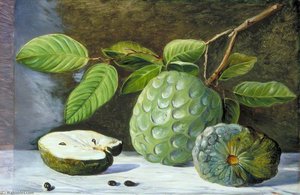
In echtem Maßstab anzeigen
 Versenden als Grußkarte
 Teilen
 Details anzeigen
 Leitfaden öffnen

 Herunterladen
 Ähnliche Objekte
 Röntgenaufnahme
 Diashow
 Besucherstatistiken
Teetrocknung im Hause Hölle, Java


 Mehr anzeigen
Handgefertigte Ölreproduktion
Handgemaltes Ölgemälde auf Leinwand in Ihrer Wunschgröße und mit Rahmen, auf Bestellung von unseren Künstlern angefertigt. ( Zum Druck wechseln Zum digitalen Bild wechseln)




P118B €10

P118H €10

P118W €10

P438Z €10

P508JH €12

P508YH €12

P805H €10

P805Z €10

P919BZ €10

P919G €10

P919XJ €10

P959ZH €10

P968JZ €12

W106C €8

W218G €10

W218JH €8

W218Y €10

W307PJ €10

W316G €10

W316PJ €8

W316Y €10

W398PJ €8

W4111J €10

W500HY €15

W500JH €15

W692G €12

W849H €8

W940BG €15

W953PJ €8




Wählen Sie aus unseren vordefinierten Formaten, die den ursprünglichen Proportionen des Kunstwerks entsprechen.

Geben Sie die Breite und die Höhe an, die Sie für Ihren Rahmen oder Ihre Wand benötigen. Da dieses Werk handgemalt ist, kann der Künstler bei einer anderen Form etwas mehr um das Bild herum malen oder etwas abschneiden – Sie entscheiden. Wir senden Ihnen ein digitales Mockup zur Freigabe, bevor mit dem Malen begonnen wird. Das auf dieser Seite gezeigte Bild stellt nicht das tatsächliche Ergebnis dar – dies tut nur das Mockup.
Nach der Bestellung wird das OriginalUniqueArt.com-Team dem Kunden Anweisungen per E-Mail zusenden und eine Mockup-Vorschau bereitstellen.
Weltweiter Versand () in nur 3 bis 4 Wochen statt der üblichen 5 Wochen. (25 Oktober). Keine Kompromisse bei der Qualität.

Kostenloser weltweiter Expressversand

Hochwertige Leinenleinwand

Vollständiger Versicherungsschutz beim Versand

Zollgebühren-Rückerstattungsgarantie

Garantie für exakte Farbtreue

100-tägiges Rückgaberecht (nur bei Mängeln)

100% Geld-zurück-Garantie

Angebot für Mengenrabatt
 Die Glasoption ist nur für Größen unter 110 cm verfügbar.

Teetrocknung im Hause Hölle, Java
Reproduktionsmedium
Format der Reproduktion
-


Gesamtpreis
€ 263
Tea Drying in Mr Hölle's Establishment, Java
Marianne North’s “Tea Drying in Mr Hölle’s Establishment, Java,” painted circa 1876, is more than just a depiction of agricultural labor; it’s a vibrant snapshot of Victorian scientific exploration and an embodiment of the artist’s unwavering fascination with botanical beauty. Created during her prolific period of fieldwork across Southeast Asia – specifically Java – this oil on board masterpiece showcases North's mastery of Impressionistic technique while simultaneously conveying profound symbolic resonance. The painting transports us to a mountainous region dominated by lush greenery, where figures diligently tend to tea bushes under the watchful gaze of Mr Hölle’s Estate—a reference to Kew Gardens’ experimental horticulture program at the time. North skillfully captures the diffused sunlight filtering through the dense foliage, employing broken brushstrokes and layering colors to achieve an atmospheric luminescence that rivals Monet's landscapes. This technique isn’t merely stylistic; it reflects North’s meticulous observation of natural phenomena and her desire to accurately represent their visual qualities. Beyond its aesthetic merits, “Tea Drying” speaks volumes about the Victorian era’s commitment to scientific advancement. Kew Gardens was at the forefront of botanical research, striving to cultivate exotic plants from distant lands—a bold endeavor driven by both curiosity and practical considerations for improving horticulture. The inclusion of Mr Hölle's Estate underscores this ambition, symbolizing the pursuit of knowledge through experimentation and observation. Furthermore, the painting’s composition is laden with symbolic significance. The tea bushes themselves represent resilience and productivity – qualities admired in Victorian society—while the figures engaged in labor symbolize human effort and dedication to achieving ambitious goals. The overall impression is one of harmony between humanity and nature, reflecting North's deeply held belief in the transformative power of experiencing the natural world firsthand. The painting’s emotional impact lingers long after viewing it. It evokes a sense of tranquility and wonder—a reminder that even amidst the bustle of Victorian life, there existed moments of profound beauty and contemplation. “Tea Drying” serves as an enduring testament to Marianne North's artistic vision and her unwavering devotion to capturing the essence of botanical splendor. Its luminous palette and masterful brushwork continue to inspire artists and collectors alike, cementing its place as a cornerstone of Impressionistic landscape painting.- Artist: Marianne North
- Year Created: Circa 1876
- Medium: Oil on Board
- Dimensions: H 24.9 x W 35.5 cm
- Location: Kew Gardens, Richmond, Surrey TW9 3AE England
Fragen & Antworten
Was stellt "Teetrocknung im Hause Hölle, Java" von Marianne North dar und welche Stimmung vermittelt es?
"Teetrocknung im Hause Hölle, Java" von Marianne North verbindet java landscape, tea drying, botanical painting, victorian era, tropical flora, landscape detail, marianne north style mit einer Serenität Atmosphäre.
Wie viel Licht scheinen die Farben von "Teetrocknung im Hause Hölle, Java" zu reflektieren?
"Teetrocknung im Hause Hölle, Java" von Marianne North weist eine Luminanz von Sanfte Leuchtkraft auf. Die Luminanz beschreibt, wie viel Licht die Farben scheinbar reflektieren.
Wie harmonisch sind die Farben von "Teetrocknung im Hause Hölle, Java" von Marianne North?
Die Farben von "Teetrocknung im Hause Hölle, Java" von Marianne North zeigen eine Disharmonische Farbpalette Harmonie. Harmonie beschreibt, wie die Farben zueinander in Beziehung stehen.
Biografie des Künstlers
Marianne North: Ein Leben in Botanischer Kunst
Frühes Leben und Ausbildung
- Marianne North, geboren am 24. Oktober 1830 in Hastings, Vereinigtes Königreich, war die älteste Tochter einer wohlhabenden Landbesitzerfamilie.
- Ihr frühes Leben umfasste eine Gesangsausbildung bei Charlotte Helen Sainton-Dolby. Ihre Gesangsbeschäftigungen wurden jedoch durch Krankheit eingeschränkt.
- Nach diesem Rückschlag wandte sie sich der Malerei von Blumen zu, die dann zur bestimmenden Leidenschaft und dem Fokus ihres Lebenswerdegangs wurde.
Umfassende Reisen und botanische Entdeckungen
- Marianne North unternahm umfangreiche Reisen um die Welt, beginnend in ihren 40ern – ein bemerkenswert unabhängiges Unterfangen für eine Frau des viktorianischen Zeitalters.
- Ihre Reisen führten sie nach Syrien, dem Nil, Sizilien, Kanada, den Vereinigten Staaten, Jamaika, Brasilien, Teneriffa, Kalifornien, Japan, Borneo, Java, Ceylon (Sri Lanka), Indien, Australien und Neuseeland.
- Diese Reisen waren nicht nur Sightseeing; sie dokumentierten die Flora jeder Region detailliert durch botanische Gemälde.
- Sie entdeckte während ihrer Expeditionen zahlreiche Pflanzenarten und trug somit erheblich zum botanischen Wissen bei.
Künstlerischer Stil und Entwicklung
- Norths künstlerischer Stil ist durch seine detaillierte Realismus und lebendige Farbpalette gekennzeichnet.
- Sie arbeitete hauptsächlich in Ölfarben und schuf Gemälde, die den Wesenszug der exotischen Pflanzen und Landschaften mit bemerkenswerter Genauigkeit erfassten.
- Ihr Ansatz war größtenteils autodidaktisch; sie entwickelte ihre Fähigkeiten durch Beobachtung und Übung während ihrer Reisen.
- Obwohl sie nicht einer bestimmten Kunstrichtung angehören konnte, spiegeln ihre Werke Elemente des viktorianischen Naturalismus und der wissenschaftlichen Illustration wider.
Bekannte Werke und die Kew-Galerie
- Zu ihren bekanntesten Werken gehören Foliage, Flowers and Fruit of the Cashew, Tanjore, India, Elephants, Exotic Fish und Leaf Insect.
- Um die Bedeutung ihrer Sammlung zu würdigen, schenkte Marianne North rund 800 Gemälde an den Royal Botanic Gardens, Kew.
- Im Jahr 1882 wurde eine spezielle Galerie in Kew errichtet, um ihre Werke auszustellen – die Marianne North Gallery. Diese ist bis heute ein beliebtes Ausstellungsstück.
Vermächtnis und historische Bedeutung
- Marianne North stellte konventionelle viktorianische Erwartungen für Frauen in Frage, indem sie eine unabhängige Reise und eine professionelle künstlerische Karriere verfolgte.
- Ihre Gemälde liefern wertvolle Dokumentationen des Pflanzenleibs aus der ganzen Welt im 19. Jahrhundert und dienen sowohl als Kunstwerk als auch als wissenschaftliche Aufzeichnung.
- Die Restaurierung der Marianne North Gallery in Kew im Jahr 2008 unterstrich ihr bleibendes Vermächtnis und ihren Beitrag zur Botanik und Kunst.
- Sie wird als Pionierin der botanischen Kunst und eine abenteuerlustige Seele remembered, die gesellschaftliche Normen zu überwinden wagte, um ihren Leidenschaften nachzugehen.

Marianne North
1830 - 1890 , Vereinigtes Königreich
Eckdaten zum Künstler
- Bemerkenswerte Werke:
- Foliage, Flowers and Fruit...
- Elephants
- Exotic Fish
- Leaf Insect
- Geburtsdatum: 24. Oktober 1830
- Geburtsort: Hastings, Vereinigtes Königreich
- Künstlerische Richtung: Botanische Kunst, Naturalismus
- Nationalität: Britisch
- Sterbedatum: 30. August 1890
- Vollständiger Name: Marianne North
Verwandte Artikel

Victorian Naturalism: The Art of Capturing Botanical Precision and Raw Wilderness
Explore the profound beauty of Victorian Naturalism. Discover how 19th-century masters captured botanical precision and raw landscapes through meticulous oil painting techniques and scientific observation.
Marianne North: Die 25 schönsten Blumenmalereien der viktorianischen Reisenden | OriginalUniqueArt
Entdecken Sie die 25 schönsten Werke der viktorianischen Blumenmalerin Marianne North! Erleben Sie ihre exotischen Reisebilder & botanischen Illustrationen. Hochwertige Kunst Reproduktionen für Ihr Zuhause auf OriginalUniqueArt.com.
Exploring the Vibrant World of Marianne North: A Journey Through Botanical and Exotic Landscapes
Discover the breathtaking botanical world of Marianne North. Explore her vibrant Victorian oil paintings of exotic landscapes, from Brazil to Jamaica, through an expert art-historical lens. Perfect for classic art enthusiasts and collectors of fine natural history art.

Evocations of Place: A Historical Journey Through Landscape Art
Explore the rich history of landscape art with OriginalUniqueArt. Discover renowned artists, movements like Impressionism & Romanticism, and expert guidance for collecting timeless pieces. Find your perfect serene escape today!
The Timeless Elegance of Victorian Botanical Painting: A Journey Through Nature's Intricate Detail and Scientific Artistry
Discover the exquisite world of Victorian botanical painting, where scientific precision meets profound aesthetic grace. Explore a journey through nature's intricate details, from legendary illustrators to the untamed beauty of Marianne North’s vibrant floral masterpieces.