Self-portrait (Margit Anna)
Margit Anna (1913–1991) schuf Self-portrait.

 Vorschau anzeigen

 Handgemaltes Ölgemälde
 Versenden
 Teilen
 Datenblatt


 Herunterladen
 Ähnliche Objekte
 Röntgenaufnahme
 Diashow
 Fragen & Antworten

 Statistiken
Self-portrait im Überblick
- Titel
- Self-portrait
- Künstler
- Margit Anna (1913–1991)
- Geburtsjahr des Künstlers
- Borota, Ungarn
- Motiv
- portraits
Hochauflösende Bilder von Self-portrait
Protected by copyright: these files are for personal reference, not a licence to republish.
Margit Anna, Self-portrait.
Fragen zu Self-portrait, beantwortet
Welche Motive sind in "Self-portrait" von Margit Anna zu sehen?
"Self-portrait" von Margit Anna zeigt: portraits.
Ist die Abbildung von "Self-portrait" von Margit Anna gemeinfrei?
Die urheberrechtliche Situation für "Self-portrait" von Margit Anna: Das Werk ist noch urheberrechtlich geschützt. Dies bestimmt, ob Reproduktionen des Bildes frei erstellt werden dürfen.
Wer hat "Self-portrait" geschaffen?
"Self-portrait" wird Margit Anna zugeschrieben.
Warum ist der Urheberrechtsstatus von "Self-portrait" so, wie er ist?
Der Urheberrechtsstatus von "Self-portrait" – noch urheberrechtlich geschützt – ergibt sich aus dem Todesjahr des Künstlers im Jahr 1991.
Über den Künstler, Margit Anna

1913–1991, Ungarn
Margit Anna
Margit Anna: Hungarian Painter of Identity and Symbol Hungarian painter Margit Anna (1913-1991) emerged from the fertile artistic landscape of Hungary during the interwar years, leaving an indelible mark on Expressionist art with her poignant self-portraits and explorations of profound themes. Born in Borota, Hungary, Anna’s formative years were steeped in a rich cultural heritage that would undoubtedly inform her artistic vision. While biographical details remain somewhat sparse, her dedication to capturing inner emotional states through meticulous detail and symbolic imagery speaks volumes about her artistic sensibilities. Anna's artistic journey began with studies at the Budapest Academy of Fine Arts, where she honed her skills under influential teachers who championed a modernist approach.
Ebenfalls von Margit Anna
 Girl
 Beginning Of The End
 Garden Of Feverish Souls
 Woman With A Bunch Of Flower
Essays zu Self-portrait
 Das Echo des Selbst: Die Evolution der Selbstdarstellung in der KunstgeschichteErfahren Sie alles über die Entwicklung des Selbstporträts in der Kunstgeschichte. Tauchen Sie jetzt in die Tiefe der Selbstdarstellung ein.
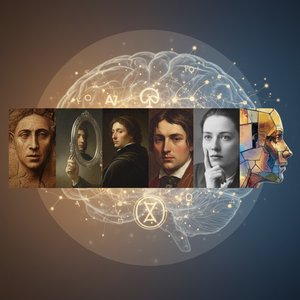 Reflecting the Self: A History of Portraiture & Psychological InsightExplore the fascinating history of self-portraiture from Renaissance masters like Dürer & Rembrandt to modern interpretations. Discover the…
 Joan Miró: Die 25 besten Meisterwerke des SurrealismusEntdecken Sie die 25 besten Werke von Joan Miró. Erleben Sie seine surrealistische Vision auf OriginalUniqueArt.com. Jetzt die Kollektion e…