Vorschau anzeigen
 Versenden
 Teilen
 Details anzeigen

 Herunterladen
 Ähnliche Objekte
 Röntgenaufnahme
 Diashow
 Statistiken
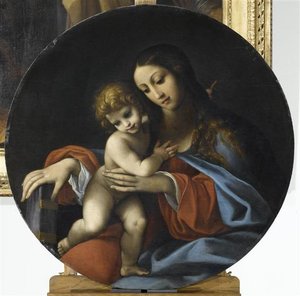
The Lamentation
 Oil On Canvas
- WallArt
- Baroque
 1582
1582- Early Modern
 95.0 x 173.0 cm
 Metropolitan Museum of Art
 Weiterlesen
Giclée / Kunstdruck
Giclée- oder Leinwanddruck in Museumsqualität mit schneller Produktion und flexiblen Veredelungsoptionen. ( Handgemalte Reproduktion bestellen Zum digitalen Bild wechseln)




P118B $10

P118H $10

P118W $10

P438Z $10

P508JH $12

P508YH $12

P805H $10

P805Z $10

P919BZ $10

P919G $10

P919XJ $10

P959ZH $10

P968JZ $12

W106C $8

W218G $10

W218JH $8

W218Y $10

W307PJ $10

W316G $10

W316PJ $8

W316Y $10

W398PJ $8

W4111J $10

W500HY $15

W500JH $15

W692G $12

W849H $8

W940BG $15

W953PJ $8




Wählen Sie aus unseren vordefinierten Formaten, die den ursprünglichen Proportionen des Kunstwerks entsprechen.

Sie können Ihre eigenen Maße eingeben, um ein bestimmtes Format oder einen speziellen Platz einzupassen. Wenn das von Ihnen gewählte Format nicht den Proportionen des Originalbildes entspricht, werden wir das Kunstwerk entweder beschneiden oder das Bild mit einem gespiegelten oder einfarbigen Rand erweitern. Ein digitaler Entwurf wird Ihnen zur Genehmigung zugesandt, bevor die Produktion beginnt.
Bitte beachten Sie, dass die Vorschau auf dem Bildschirm nicht den tatsächlichen Zuschnitt oder die Erweiterung widerspiegelt. Nur der Entwurf zeigt die endgültige Komposition präzise an.
Obwohl Sondermaße verfügbar sind, empfehlen wir die Auswahl eines Maßes aus der vordefinierten Liste, um die ursprünglichen Proportionen zu bewahren.
Weltweiter Versand () innerhalb von 2 Wochen statt der üblichen 4/5 Wochen. (9 September)

Kostenloser weltweiter Expressversand

Hochwertige Leinenleinwand

Umfassender Versicherungsschutz beim Versand

Zollgebühren-Rückerstattungsgarantie

Garantie für exakte Farbtreue

100-Tage-Rückgaberecht (nur bei Mängeln)

100% Geld-zurück-Garantie

Mengenrabatt verfügbar
 Die Glasoption ist nur für Größen unter 110 cm verfügbar.

The Lamentation
Giclée / Kunstdruck
Format der Reproduktion
-


Gesamtpreis
$ 80
The Raw Humanity of Grief: An Encounter with The Lamentation
To stand before The Lamentation by Ludovico Carracci is to be enveloped in an atmosphere so thick with palpable sorrow that it feels almost breathable. This is not the polished, idealized grief often depicted in later art; rather, it is a raw, visceral outpouring of human emotion captured at its most agonizing peak. The scene presents a profound tableau of loss, centering on figures whose poses and expressions reject classical serenity for something far more immediate and startlingly real. Carracci masterfully directs our gaze across the composition, inviting us not merely to observe tragedy, but to feel its weight settle upon our own shoulders.
A Crucible Moment in Bolognese Baroque
Dating from 1582, this work stands as a vital document of artistic transition. It emerges directly from the intellectual ferment of Bologna, where the Carracci family established their academy. This institution was revolutionary, championing an approach that insisted upon direct observation—a commitment to drawing from the live model rather than relying solely on antique precedent. This dedication to empirical reality is what gives The Lamentation its arresting power. Critics of the time were shocked by the lack of idealization in Carracci’s depiction of Christ, a testament to his belief that true art must reflect the messy, beautiful truth of human existence. The very act of painting on three stitched-together tablecloths speaks to an urgency, a necessity to capture this moment before it faded.
Technique and Emotional Resonance
Observe the figures surrounding the central pair. Notice the Virgin Mary’s head thrown back in that experimental, almost desperate pose—it is arguably the most emotionally charged face within the entire frieze of mourners. Carracci employs a dramatic interplay of light and shadow, giving depth to the foreground while allowing background figures to recede into a palpable atmosphere of mourning. The composition itself guides the eye through layers of humanity: those closest to us seem almost touchable, their grief rendered with an unflinching honesty that transcends mere religious narrative. It is a masterclass in conveying profound pathos through careful study of the human form.
Symbolism and Enduring Impact
Beyond the immediate narrative of loss, The Lamentation resonates with universal themes: mortality, devotion, and the enduring bond between humanity. The black and white quality of the photograph only heightens this sense of timeless drama, stripping away the distraction of color to leave us with pure form and feeling. For the collector or decorator, owning a reproduction of this piece is acquiring more than just an image; it is acquiring a conduit to the passionate spirit of the early Baroque—a reminder that the most sublime art often springs from the deepest wells of human experience.
Über den Künstler
Der Architekt des Bologneser Barock
Im pulsierenden, intellektuellen Herzen von Bologna, einer Stadt, in der die Tradition der Renaissance auf den aufkeimenden Geist einer neuen Ära traf, trat Ludovico Carracci als transformative Kraft der europäischen Kunst hervor. Geboren im Jahr 1555, war sein Leben untrennbar mit den Grundfesten der Bologneser Schule verbunden. Als Teil der illustren Familie Carracci, an der Seite seiner Cousins Annibale und Agostino, nahm Ludovico nicht nur an einer künstlerischen Bewegung teil; er half dabei, den Übergang von der stilisierten, oft künstlichen Eleganz des Manierismus zum tiefgründigen, emotionalen Naturalismus des Barock zu gestalten. Seine frühen Jahre wurden durch die Werkstatt seines Vaters, Prospero Carracci, geprägt – ein Umfeld, das als Keimzelle für Experimente und als Zufluchtsort für das Studium des disegno diente: der akribischen Beobachtung von Form und Anatomie, die zum Markenzeichen seines Vermächtnis werden sollte.
Während seine Cousins oft den Ruhm an den prächtigen Höfen Roms suchten, blieb Ludovico tief in seiner Heimat Bologna verwurzelt. Diese beständige Verbindung ermöglichte es ihm, ein einzigartiges künstlerisches Refugium zu schaffen, indem er eine Akademie leitete, die zu einem Leuchtturm für die nächste Generation von Meistern wurde, darunter Guido Reni und Domenichino. Sein Werk stellt eine meisterhafte Synthese historischer Einflüsse dar; er schöpfte aus der göttlichen Gnade Raffaels, der sanften Luminosität Correggios und dem reichen Kolorit Tizians, doch er erfüllte diese klassischen Elemente mit einer neuen, dramatischen Vitalität. Indem er die gelängten und oft angestrengten Posen spätmanieristischer Maler wie Parmigianino ablehnte, wandte sich Ludovico einer unmittelbareren Realität zu und nutzte kühne Gesten sowie ein flackerndes, atmosphärisches Licht, um die Seelen seiner Betrachter zu bewegen.
Licht, Schatten und spirituelle Intensität
Das wahre Genie Ludovico Carraccis liegt in seiner Fähigkeit, das Chiaroscuro – das dramatische Zusammenspiel von Licht und Schatten – als Medium für spirituelle Kontemplation zu nutzen. Seine Leinwände sind selten bloße Darstellungen biblischer Ereignisse; sie sind immersive Erfahrungen, die darauf ausgelegt sind, religiöse Inbrunst zu wecken. In Werken wie Ein Engel befreit die Seelen des Fegefeuers kann man miterleben, wie sein Einsatz von Licht eine Szene nicht einfach nur beleuchtet, sondern aktiv an ihrer Erzählung teilnimmt, indem er Figuren aus der Dunkelheit herausmeißelt, um Momente göttlichen Mitgefühls und Gnade hervorzuheben. Diese Technik, die an den aufstrebenden Naturalismus Caravaggios erinnert, erlaubte es ihm, selbst die heiligsten Sujets mit einer spürbaren, menschlichen Emotion zu durchdringen.
Seine Meisterschaft erstreckte sich über verschiedene Medien, von der monumentalen Größe der Fresken bis hin zur feinen Präzision von Radierungen und Drucken. Ob er nun die heitere Heiligkeit der Darbringung im Tempel einfing oder die muskulöse, heroische Spannung in seinem männlichen Akt (Herkules ?) darstellte – ein beständiger Faden emotionaler Tiefe zieht sich durch sein gesamtes Schaffen. Seine religiösen Gemälde, wie die Bargellini-Madonna, zeugen von der Fähigkeit, komplexe Gruppen von Heiligen und Engeln in harmonische und doch dynamische Kompositionen zu ordnen, bei denen jede Falte des Gewandes und jede Neigung eines Kopfes zu einem größeren Gefühl himmlischer Bewegung beiträgt.
Ein bleibendes Vermächtnis im italienischen Kanon
Die historische Bedeutung Ludovico Carraccis kann nicht hoch genug eingeschätzt werden. Er war eine Schlüsselfigur, die dazu beitrug, die italienische Kunst zu einer Zeit wiederzubeleben, als sie unter der Last ihrer eigenen formalistischen Traditionen zu stagnieren drohte. Indem er einen Stil vertrat, der emotionale Wahrheit und naturalistische Beobachtung priorisierte, lieferte er den Entwurf für die berühmtesten Errungenschaften der Barockära. Sein Einfluss strahlte von Bologna aus, prägte die ästhetische Sprache eines Großteils Europas und schuf das Fundament für den klassischen Naturalismus, der das 17. Jahrhundert dominieren sollte.
Wenn wir über sein Leben und sein Werk nachdenken, sehen wir einen Künstler, der zwei Welten erfolgreich überbrückte: die strukturierte Perfektion der Renaissance und die dramatische, theatralische Energie des Barock. Seine Fähigkeit, die intellektuelle Strenge des disegno mit einem tiefen Sinn für colore und emotionaler Resonanz zu vereinen, sichert ihm seinen Platz als einer der vitalsten Maler seiner Zeit. Durch seine Hingabe an sein Handwerk und sein Engagement für die spirituelle Kraft der Kunst hinterließ Ludovico Carracci einen unauslöschlichen Eindruck in der Geschichte der westlichen Malerei und erinnert uns daran, dass wahre Schönheit dort liegt, wo technische Meisterschaft und das menschliche Herz aufeinandertreffen.

Ludovico Carracci
1555 - 1619 , Italien
Kurzinfos
- Artistic Movement Or Style: Barockmalerei
- Artists Who Influenced This Artist:
- Michelangelo
- Raphael
- Date Of Birth: April 21, 1555
- Date Of Death: November 13, 1619
- Full Name: Ludovico Carracci
- Nationality: Italienisch
- Notable Artworks:
- Die Vision des Heiligen Franziskus von Assisi
- Ludovico Carracci
- Die Erzählungen von Jason
- Place Of Birth: Bologna, Italien
Ähnliche Artikel

Giclée Prints: Archival Quality & Aesthetic Nuances for the Discerning Collector
Explore the world of giclée prints with OriginalUniqueArt. Learn about archival quality, aesthetic nuances & investment potential. Expert guidance for discerning art collectors seeking museum-quality reproductions and lasting value.

The Dramatic Flourish: Exploring the Baroque Movement's Enduring Legacy in Art History
Explore the dramatic world of Baroque art! Discover iconic artists like Caravaggio & Rubens, defining techniques, and its lasting impact on art history. Expert insights for collectors & enthusiasts at OriginalUniqueArt.

Barocke Pracht: Wie Sie Opulenz und Emotionen in zeitgenössische Innenräume bringen
Entdecken Sie die Pracht des Barock! Expertenratgeber für luxuriöse Innenräume mit barocken Elementen. Inspiration, Tipps & hochwertige Kunst bei .

The Visceral Stage: Exploring Dramatic Narratives & Emotional Intensity in Baroque Art
Explore the dramatic world of Baroque art! Discover iconic masters like Caravaggio & Rembrandt, their techniques, and the movement's lasting impact. Expert insights for collectors & enthusiasts at OriginalUniqueArt.

Echoes of Time: Exploring the Enduring Appeal & Historical Context of Vintage Art Prints
Explore the captivating world of vintage art prints! Discover their history, collecting tips & enduring appeal. Expert insights on chromolithography and building a legacy collection with OriginalUniqueArt.