In echtem Maßstab anzeigen
 Versenden als Grußkarte
 Teilen
 Details anzeigen
 Leitfaden öffnen

 Herunterladen
 Ähnliche Objekte
 Röntgenaufnahme
 Diashow
 Besucherstatistiken
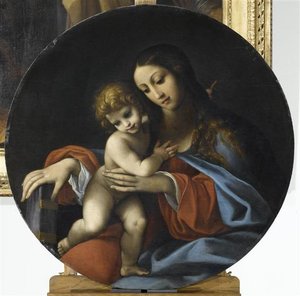
Presentation in the Temple
 Oil On Canvas
- WallArt
- Baroque
 1605
1605- Early Modern
 122.0 x 92.0 cm
 Museo Thyssen-Bornemisza
 Mehr anzeigen
Handgefertigte Ölreproduktion
Handgemaltes Ölgemälde auf Leinwand in Ihrer Wunschgröße und mit Rahmen, auf Bestellung von unseren Künstlern angefertigt. ( Zum Druck wechseln Zum digitalen Bild wechseln)




P118B $10

P118H $10

P118W $10

P438Z $10

P508JH $12

P508YH $12

P805H $10

P805Z $10

P919BZ $10

P919G $10

P919XJ $10

P959ZH $10

P968JZ $12

W106C $8

W218G $10

W218JH $8

W218Y $10

W307PJ $10

W316G $10

W316PJ $8

W316Y $10

W398PJ $8

W4111J $10

W500HY $15

W500JH $15

W692G $12

W849H $8

W940BG $15

W953PJ $8




Wählen Sie aus unseren vordefinierten Formaten, die den ursprünglichen Proportionen des Kunstwerks entsprechen.

Sie können Ihre eigenen Maße eingeben, um einen bestimmten Rahmen oder Platz auszufüllen. Wenn die gewählte Größe nicht den Proportionen des Originalbildes entspricht, werden wir das Kunstwerk entweder beschneiden oder das Gemälde durch zusätzliche, handgemalte Elemente erweitern. Ein digitales Mockup wird Ihnen zur Genehmigung zugesandt, bevor die Produktion beginnt.
Bitte beachten Sie, dass die Bildschirmvorschau nicht die tatsächliche Beschneidung oder Erweiterung widerspiegelt. Nur das Mockup zeigt die endgültige Komposition exakt an.
Obwohl Sondermaße verfügbar sind, empfehlen wir, eine Größe aus der vordefinierten Liste zu wählen, um die ursprünglichen Proportionen beizubehalten.
Nach der Bestellung wird das OriginalUniqueArt.com-Team dem Kunden Anweisungen per E-Mail zusenden und eine Mockup-Vorschau bereitstellen.
Weltweiter Versand () in nur 3 bis 4 Wochen statt der üblichen 5 Wochen. (26 September). Keine Kompromisse bei der Qualität.

Kostenloser weltweiter Expressversand

Hochwertige Leinenleinwand

Vollständiger Versicherungsschutz beim Versand

Zollgebühren-Rückerstattungsgarantie

Garantie für exakte Farbtreue

100-tägiges Rückgaberecht (nur bei Mängeln)

100% Geld-zurück-Garantie

Angebot für Mengenrabatt
 Die Glasoption ist nur für Größen unter 110 cm verfügbar.

Presentation in the Temple
Reproduktionsmedium
Format der Reproduktion
-


Gesamtpreis
$ 300
A Symphony of Faith and Light
In the quiet sanctity of the Museo Thyssen-Bornemisza, there exists a moment frozen in time, a celestial encounter captured through the masterful hand of Ludovico Carracci. His Presentation in the Temple, executed around 1605, is far more than a mere religious depiction; it is a profound meditation on divinity and human devotion. The scene unfolds with a serene grace, as Mary presents the infant Jesus to the venerable Simeon and Anne within the hallowed halls of the Temple of Jerusalem. There is an immediate, palpable sense of peace that washes over the viewer, an atmosphere where the weight of sacred tradition meets the tender vulnerability of new life. For the discerning collector or lover of classical beauty, this work offers a window into a period when art served as a bridge between the earthly and the divine.
The composition is a masterclass in the Baroque aesthetic, specifically reflecting the transformative influence of the Carracci School. While many of his contemporaries sought to provoke through shock or extreme psychological tension, Ludovico Carracci pursued a harmonious balance that revitalized Italian painting. He skillfully blended the theatrical grandeur of the burgeoning Baroque era with a renewed commitment to humanist clarity. The figures are arranged with a deliberate, rhythmic elegance, guiding the eye through a narrative of reverence. This careful orchestration ensures that even as the scene possesses a dramatic scale, it never loses its intimate, spiritual core, making it an ideal centerpiece for spaces designed for contemplation and quiet sophistication.
The Mastery of Chiaroscuro and Form
Technically, the painting is a triumph of light and shadow. Carracci employs chiaroscuro—the dramatic interplay between deep, velvety shadows and brilliant highlights—to sculpt the figures with remarkable anatomical precision. This technique does not merely provide depth; it creates an ethereal glow that seems to emanate from Mary and the Christ child themselves, casting them as the luminous heart of the composition. The artist’s mastery is further revealed in the meticulous rendering of drapery, where subtle gradations of color are achieved through the delicate layering of glazes. These textures invite the eye to linger on the heavy, flowing fabrics, which possess a tactile quality that brings the historical scene into a startlingly present reality.
Beyond the technical brilliance lies a rich tapestry of symbolism that rewards deep observation. The presence of doves within the frame is not merely decorative; they serve as potent symbols of divine grace and foreshadow the future sacrifices inherent in the Christian narrative. Every element, from the soft light hitting the infant's skin to the solemn expressions of the elders, is imbued with meaning. For interior designers seeking to infuse a room with historical depth and emotional resonance, a high-quality reproduction of this masterpiece provides more than just decoration; it introduces a legacy of Bolognese Baroque excellence, offering a timeless elegance that complements both classical and contemporary environments.
Biografie des Künstlers
Der Architekt des Bologneser Barock
Im pulsierenden, intellektuellen Herzen von Bologna, einer Stadt, in der die Tradition der Renaissance auf den aufkeimenden Geist einer neuen Ära traf, trat Ludovico Carracci als transformative Kraft der europäischen Kunst hervor. Geboren im Jahr 1555, war sein Leben untrennbar mit den Grundfesten der Bologneser Schule verbunden. Als Teil der illustren Familie Carracci, an der Seite seiner Cousins Annibale und Agostino, nahm Ludovico nicht nur an einer künstlerischen Bewegung teil; er half dabei, den Übergang von der stilisierten, oft künstlichen Eleganz des Manierismus zum tiefgründigen, emotionalen Naturalismus des Barock zu gestalten. Seine frühen Jahre wurden durch die Werkstatt seines Vaters, Prospero Carracci, geprägt – ein Umfeld, das als Keimzelle für Experimente und als Zufluchtsort für das Studium des disegno diente: der akribischen Beobachtung von Form und Anatomie, die zum Markenzeichen seines Vermächtnis werden sollte.
Während seine Cousins oft den Ruhm an den prächtigen Höfen Roms suchten, blieb Ludovico tief in seiner Heimat Bologna verwurzelt. Diese beständige Verbindung ermöglichte es ihm, ein einzigartiges künstlerisches Refugium zu schaffen, indem er eine Akademie leitete, die zu einem Leuchtturm für die nächste Generation von Meistern wurde, darunter Guido Reni und Domenichino. Sein Werk stellt eine meisterhafte Synthese historischer Einflüsse dar; er schöpfte aus der göttlichen Gnade Raffaels, der sanften Luminosität Correggios und dem reichen Kolorit Tizians, doch er erfüllte diese klassischen Elemente mit einer neuen, dramatischen Vitalität. Indem er die gelängten und oft angestrengten Posen spätmanieristischer Maler wie Parmigianino ablehnte, wandte sich Ludovico einer unmittelbareren Realität zu und nutzte kühne Gesten sowie ein flackerndes, atmosphärisches Licht, um die Seelen seiner Betrachter zu bewegen.
Licht, Schatten und spirituelle Intensität
Das wahre Genie Ludovico Carraccis liegt in seiner Fähigkeit, das Chiaroscuro – das dramatische Zusammenspiel von Licht und Schatten – als Medium für spirituelle Kontemplation zu nutzen. Seine Leinwände sind selten bloße Darstellungen biblischer Ereignisse; sie sind immersive Erfahrungen, die darauf ausgelegt sind, religiöse Inbrunst zu wecken. In Werken wie Ein Engel befreit die Seelen des Fegefeuers kann man miterleben, wie sein Einsatz von Licht eine Szene nicht einfach nur beleuchtet, sondern aktiv an ihrer Erzählung teilnimmt, indem er Figuren aus der Dunkelheit herausmeißelt, um Momente göttlichen Mitgefühls und Gnade hervorzuheben. Diese Technik, die an den aufstrebenden Naturalismus Caravaggios erinnert, erlaubte es ihm, selbst die heiligsten Sujets mit einer spürbaren, menschlichen Emotion zu durchdringen.
Seine Meisterschaft erstreckte sich über verschiedene Medien, von der monumentalen Größe der Fresken bis hin zur feinen Präzision von Radierungen und Drucken. Ob er nun die heitere Heiligkeit der Darbringung im Tempel einfing oder die muskulöse, heroische Spannung in seinem männlichen Akt (Herkules ?) darstellte – ein beständiger Faden emotionaler Tiefe zieht sich durch sein gesamtes Schaffen. Seine religiösen Gemälde, wie die Bargellini-Madonna, zeugen von der Fähigkeit, komplexe Gruppen von Heiligen und Engeln in harmonische und doch dynamische Kompositionen zu ordnen, bei denen jede Falte des Gewandes und jede Neigung eines Kopfes zu einem größeren Gefühl himmlischer Bewegung beiträgt.
Ein bleibendes Vermächtnis im italienischen Kanon
Die historische Bedeutung Ludovico Carraccis kann nicht hoch genug eingeschätzt werden. Er war eine Schlüsselfigur, die dazu beitrug, die italienische Kunst zu einer Zeit wiederzubeleben, als sie unter der Last ihrer eigenen formalistischen Traditionen zu stagnieren drohte. Indem er einen Stil vertrat, der emotionale Wahrheit und naturalistische Beobachtung priorisierte, lieferte er den Entwurf für die berühmtesten Errungenschaften der Barockära. Sein Einfluss strahlte von Bologna aus, prägte die ästhetische Sprache eines Großteils Europas und schuf das Fundament für den klassischen Naturalismus, der das 17. Jahrhundert dominieren sollte.
Wenn wir über sein Leben und sein Werk nachdenken, sehen wir einen Künstler, der zwei Welten erfolgreich überbrückte: die strukturierte Perfektion der Renaissance und die dramatische, theatralische Energie des Barock. Seine Fähigkeit, die intellektuelle Strenge des disegno mit einem tiefen Sinn für colore und emotionaler Resonanz zu vereinen, sichert ihm seinen Platz als einer der vitalsten Maler seiner Zeit. Durch seine Hingabe an sein Handwerk und sein Engagement für die spirituelle Kraft der Kunst hinterließ Ludovico Carracci einen unauslöschlichen Eindruck in der Geschichte der westlichen Malerei und erinnert uns daran, dass wahre Schönheit dort liegt, wo technische Meisterschaft und das menschliche Herz aufeinandertreffen.

Ludovico Carracci
1555 - 1619 , Italien
Eckdaten zum Künstler
- Artistic Movement Or Style: Barockmalerei
- Artists Who Influenced This Artist:
- Michelangelo
- Raphael
- Date Of Birth: April 21, 1555
- Date Of Death: November 13, 1619
- Full Name: Ludovico Carracci
- Nationality: Italienisch
- Notable Artworks:
- Die Vision des Heiligen Franziskus von Assisi
- Ludovico Carracci
- Die Erzählungen von Jason
- Place Of Birth: Bologna, Italien
Verwandte Artikel
Annibale Carracci: Brückenbauer zwischen Renaissance-Ideal und barocker Innovation
Entdecken Sie Annibale Carracci und die Bologneser Schule! Erfahren Sie mehr über seine revolutionären Techniken, Meisterwerke wie die Galleria Farnese und seinen nachhaltigen Einfluss auf die Barockmalerei. Expertenwissen & hochwertige Reproduktionen.

Barocke Pracht: Wie Sie Opulenz und Emotionen in zeitgenössische Innenräume bringen
Entdecken Sie die Pracht des Barock! Expertenratgeber für luxuriöse Innenräume mit barocken Elementen. Inspiration, Tipps & hochwertige Kunst bei .

Giuseppe Maria Crespi: Pionier der Genremalerei und des Bologneser Barock
Entdecken Sie Giuseppe Maria Crespi, einen Pionier der Genremalerei und des Bologneser Barocks! Erfahren Sie mehr über sein innovatives Werk, seinen Stil und seine Bedeutung in der Kunstgeschichte. Expertenwissen von OriginalUniqueArt.

The Dramatic Flourish: Exploring the Baroque Movement's Enduring Legacy in Art History
Explore the dramatic world of Baroque art! Discover iconic artists like Caravaggio & Rubens, defining techniques, and its lasting impact on art history. Expert insights for collectors & enthusiasts at OriginalUniqueArt.

The Visceral Stage: Exploring Dramatic Narratives & Emotional Intensity in Baroque Art
Explore the dramatic world of Baroque art! Discover iconic masters like Caravaggio & Rembrandt, their techniques, and the movement's lasting impact. Expert insights for collectors & enthusiasts at OriginalUniqueArt.