In echtem Maßstab anzeigen
 Versenden als Grußkarte
 Teilen
 Details anzeigen
 Leitfaden öffnen

 Herunterladen
 Ähnliche Objekte
 Röntgenaufnahme
 Diashow
 Besucherstatistiken
The Trinity


 Mehr anzeigen
Giclée / Kunstdruck
Giclée- oder Leinwanddruck in Museumsqualität mit schneller Produktion und flexiblen Veredelungsoptionen. ( Handgemalte Reproduktion kaufen Zum digitalen Bild wechseln)




P118B €10

P118H €10

P118W €10

P438Z €10

P508JH €12

P508YH €12

P805H €10

P805Z €10

P919BZ €10

P919G €10

P919XJ €10

P959ZH €10

P968JZ €12

W106C €8

W218G €10

W218JH €8

W218Y €10

W307PJ €10

W316G €10

W316PJ €8

W316Y €10

W398PJ €8

W4111J €10

W500HY €15

W500JH €15

W692G €12

W849H €8

W940BG €15

W953PJ €8




Wählen Sie aus unseren vordefinierten Formaten, die den ursprünglichen Proportionen des Kunstwerks entsprechen.

Geben Sie die Breite und die Höhe an, die Sie benötigen, damit der Druck perfekt in Ihren Rahmen oder an Ihre Wand passt. Ein Druck kann nur beschnitten werden und niemals größer als das Originalbild gemacht werden; daher verliert ein Format mit einer anderen Proportion einen Teil des Bildes. Wir senden Ihnen ein digitales Mockup zur Freigabe, bevor wir den Druck ausführen. Das auf dieser Seite gezeigte Bild zeigt nicht den tatsächlichen Beschnitt – dies ist nur im Mockup ersichtlich.
Weltweiter Versand () innerhalb von 2 Wochen statt der üblichen 4/5 Wochen. (24 Oktober)

Kostenloser weltweiter Expressversand

Hochwertige Leinenleinwand

Vollständiger Versicherungsschutz beim Versand

Zollgebühren-Rückerstattungsgarantie

Garantie für exakte Farbtreue

100-tägiges Rückgaberecht (nur bei Mängeln)

100% Geld-zurück-Garantie

Angebot für Mengenrabatt
 Die Glasoption ist nur für Größen unter 110 cm verfügbar.

The Trinity
Giclée / Kunstdruck
Format der Reproduktion
-


Gesamtpreis
€ 70
A Divine Encounter: The Soul of Lucas Cranach’s Trinity
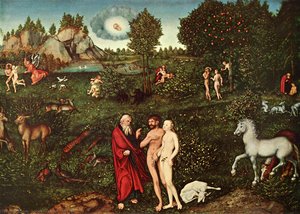
To stand before Lucas Cranach the Elder’s The Trinity is to step across the threshold of time and into the very heart of Christian theology rendered in breathtaking pigment. Painted around 1515, this monumental work serves as a cornerstone of the Northern Renaissance, acting as much more than a mere depiction of biblical scripture. It is a profound meditation on divinity, sacrifice, and eternal life. Through his masterful command of oil on panel, Cranach invites the viewer into a complex interplay of light and shadow, where the celestial and the earthly converge in a singular, breathtaking moment of spiritual revelation.
The composition is a masterclass in Renaissance precision, yet it breathes with an unexpected emotional depth. At its center, the figure of Jesus on the cross anchors the scene, surrounded by a celestial assembly of angels and divine figures that seem to pulse with life. Cranach’s technique allows for a rich color saturation and subtle gradations of tone that create an illusionistic depth, drawing the eye inward toward the central mystery of faith. The presence of numerous birds scattered throughout the scene—some soaring through the heavens, others perched quietly amidst the holy figures—adds a sense of movement and vitality to the otherwise solemn religious tableau, reminding us of the living, breathing nature of the divine presence.
The Intersection of Faith and History
Created during one of the most turbulent eras in European history, The Trinity is deeply embedded in the intellectual fervor of the burgeoning Protestant Reformation. As a court painter to the Electors of Saxony, Cranach was uniquely positioned at the crossroads of political power and religious upheaval. His close friendship with Martin Luther and his role in shaping the visual language of the Reformation are palpable within this work. While the painting adheres to the High Renaissance tradition of clarity and meticulous detail, it also captures the psychological nuance and the spiritual anxieties of a world in transition.
The symbolism within the piece is as layered as the pigments themselves. The Holy Trinity—God the Father, Christ, and the Holy Spirit—is presented not just as a theological concept, but as a palpable reality. For collectors and lovers of fine art, the painting offers a window into a period where art served as a vital vehicle for ideological messages. Every gesture, from the mourning angels to the watchful eyes of the heavenly host, is designed to evoke a sense of awe and reverence, making it an ideal centerpiece for those seeking to bring a sense of historical gravity and contemplative peace into a sophisticated interior space.
A Timeless Addition to the Collector's Gallery
For the discerning art enthusiast or interior designer, a high-quality reproduction of The Trinity offers more than just aesthetic beauty; it provides an opportunity to anchor a room with a sense of profound history and spiritual weight. The painting’s ability to command attention through its monumental scale and intricate detail makes it a versatile choice for grand halls, libraries, or private studies where art is intended to provoke thought and inspire quiet reflection.
Whether you are drawn to the technical brilliance of Cranach’s Northern Renaissance style or the evocative narrative of the Reformation era, this work remains eternally relevant. It stands as a testament to the enduring power of art to capture the intangible—the essence of faith, the weight of sacrifice, and the beauty of the divine. Owning a piece of this legacy allows one to surround themselves with the masterful craftsmanship of a true Renaissance master, ensuring that the conversation between the viewer and the artwork continues for generations to come.
Fragen & Antworten
Ist "The Trinity" im Heimatland seines Künstlers verblieben?
Ja – das Kunstwerk befindet sich im Heimatland der Künstlerin / des Künstlers. Lucas Cranach der Ältere wurde in Deutschland geboren, und das Original von „The Trinity“ befindet sich in einem Museum in Deutschland.
Wie fügt sich „The Trinity“ in die Themen und den Stil von Lucas Cranach der Ältere ein?
"The Trinity" gehört zu Lucas Cranach der Älteres Werk der Northern Renaissance-Epoche, dessen dokumentierte Themen unter anderem german renaissance style, lutheran reformation era, saxon court patronage, christian narrative tradition, iconic religious imagery umfassen.
Wer ist der Urheber von "The Trinity" und welcher Stilrichtung ist das Werk zuzuordnen?
"The Trinity" wurde von Lucas Cranach der Ältere im Stil der Northern Renaissance geschaffen. Künstler und Epoche bestimmen die Tradition des Werkes.
Biografie des Künstlers
Frühes Leben und Ausbildung
Lucas Cranach der Ältere, ein bedeutender deutscher Renaissance-Maler und Grafiker, wurde vermutlich um den 4. Oktober 1472 in Kronach, Oberfranken, geboren. Sein genauer Geburtstag ist unbekannt. Er erlernte das Zeichnen von seinem Vater, Hans Maler, und vervollkommnete seine Fähigkeiten später unter der Anleitung lokaler süddeutscher Meister.Karrierehöhepunkte
Lucas Cranach der Ältere fiel Herzog Friedrich III., dem Kurfürsten von Sachsen, auch bekannt als Friedrich der Weise, durch sein Talent auf. 1504 wurde er Hofmaler der sächsischen Kurfürsten in Wittenberg, eine Position, die er den Großteil seiner Karriere innehatte.- Er war bekannt für seine Porträts deutscher Fürsten und führender Persönlichkeiten der Reformation, darunter Martin Luther.
- Cranach malte auch religiöse Themen, zunächst im katholischen Stil, erkundete später aber neue Wege, um lutherische Anliegen in der Kunst auszudrücken.
- Seine Werkstatt produzierte zahlreiche Werke, darunter Versionen, die von seinem Sohn Lucas Cranach dem Jüngeren und anderen fortgesetzt wurden, auch nach seinem Tod.
Bedeutende Werke und Kooperationen
Zu den bedeutendsten Werken Lucas Cranachs des Älteren gehören:- Die Wildschutze des Kurfürsten Friedrich III. der Weisen (1529), ein Meisterwerk, das seine Fähigkeit zeigt, die Essenz des nordeuropäischen Renaissancestils einzufangen.
- Selbstbildnis, eine eindrucksvolle Darstellung des Künstlers, die sein Geschick im Einfangen von Licht und Schatten demonstriert.
- Die Verkündigung an Joachim (1516-18), eine Szene voller fröhlicher Stimmung, heute im Szépművészeti Múzeum in Budapest zu sehen.
Entwicklung und Einfluss
Cranachs Stil entwickelte sich im Laufe seiner Karriere weiter. Anfänglich beeinflusst von der Donauschule, entwickelte er einen eigenen, unverwechselbaren Stil, der durch klare Linien, leuchtende Farben und eine gewisse Monumentalität gekennzeichnet ist. Sein Werk spiegelt den Wandel von der spätgotischen Kunst zur Renaissance wider und zeigt gleichzeitig die Auswirkungen der Reformation auf die Kunstwelt. Er war eng mit Martin Luther verbunden und trug dazu bei, dessen Ideen durch seine Grafiken und Gemälde zu verbreiten. Cranachs Werkstatt war eine der bedeutendsten ihrer Zeit und trug maßgeblich zur Verbreitung des Renaissancestils in Deutschland bei.Vermächtnis und Bedeutung
Lucas Cranach des Älteren hinterließ ein umfangreiches Œuvre, das als eines der wichtigsten Zeugnisse der deutschen Renaissance gilt. Seine Porträts sind nicht nur herausragende künstlerische Leistungen, sondern auch wertvolle historische Dokumente. Er trug maßgeblich zur Etablierung einer eigenständigen deutschen Kunst des 16. Jahrhunderts bei und beeinflusste zahlreiche nachfolgende Künstler. Sein Werk wird bis heute geschätzt und studiert.
Lucas Cranach der Ältere
1472 - 1553 , Deutschland
Eckdaten zum Künstler
- Bemerkenswerte Werke:
- Hirschjagd Elector Friedrichs III.
- Selbstbildnis
- Verkündigung an Joachim
- Geburtsdatum: um 4. Oktober 1472
- Geburtsort: Kronach, Deutschland
- Künstlerische Bewegung: Deutsche Renaissance
- Nationalität: Deutsch
- Sterbedatum: 16. Oktober 1553
- Vollständiger Name: Lucas Cranach der Ältere
Verwandte Artikel
Oil on Panel: A Historical Survey of Technique, Support & Aesthetic Evolution
Explore the rich history of oil on panel painting! Discover Renaissance techniques, support structures & aesthetic evolution. Expert insights for art collectors and enthusiasts.

Mastering the Surface: The Timeless Elegance and Technical Brilliance of Oil on Panel Painting
Discover the enduring allure of oil on panel painting. Explore the technical mastery, historical significance, and luminous depth that define this prestigious medium, from Renaissance masters to modern fine art reproductions for discerning collectors.
Mastering the Surface: A Historical and Technical Guide to the Art of Oil on Panel Painting
Explore the profound history and technical brilliance of oil on panel painting. From Renaissance masters to modern techniques, discover why this rigid support offers unparalleled precision and permanence for fine art lovers and collectors.
The Timeless Charm of Oil on Board: Reimagining Texture and Light through the Impressionist Lens
Discover the profound intimacy of oil on panel. Explore how Impressionist masters used rigid supports to capture light, texture, and impasto depth through exquisite, handmade oil reproductions for discerning collectors.
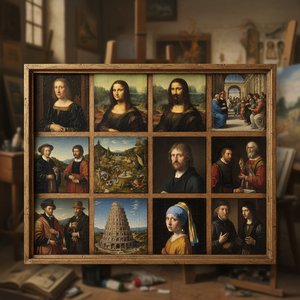
Öl auf Holz: 10 Meisterwerke, die Kunstgeschichte veränderten |
Entdecken Sie die 10 legendärsten Gemälde auf Holz – von Renaissance bis Impressionismus! Erfahren Sie die Geschichten der Künstler & ihre Meisterwerke. Hochwertige Reproduktionen bei .