In echtem Maßstab anzeigen
 Versenden als Grußkarte
 Teilen
 Details anzeigen
 Leitfaden öffnen

 Herunterladen
 Ähnliche Objekte
 Röntgenaufnahme
 Diashow
 Besucherstatistiken
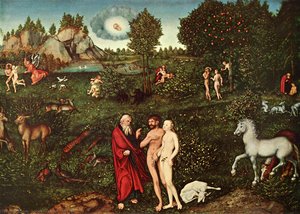
Judith Victorious
 Oil On Panel
- Northern Renaissance
 1530
1530 75.0 x 56.0 cm
 Mehr anzeigen
Giclée / Kunstdruck
Giclée- oder Leinwanddruck in Museumsqualität mit schneller Produktion und flexiblen Veredelungsoptionen. ( Handgemalte Reproduktion kaufen Zum digitalen Bild wechseln)




P118B €10

P118H €10

P118W €10

P438Z €10

P508JH €12

P508YH €12

P805H €10

P805Z €10

P919BZ €10

P919G €10

P919XJ €10

P959ZH €10

P968JZ €12

W106C €8

W218G €10

W218JH €8

W218Y €10

W307PJ €10

W316G €10

W316PJ €8

W316Y €10

W398PJ €8

W4111J €10

W500HY €15

W500JH €15

W692G €12

W849H €8

W940BG €15

W953PJ €8




Wählen Sie aus unseren vordefinierten Formaten, die den ursprünglichen Proportionen des Kunstwerks entsprechen.

Geben Sie die Breite und die Höhe an, die Sie benötigen, damit der Druck perfekt in Ihren Rahmen oder an Ihre Wand passt. Ein Druck kann nur beschnitten werden und niemals größer als das Originalbild gemacht werden; daher verliert ein Format mit einer anderen Proportion einen Teil des Bildes. Wir senden Ihnen ein digitales Mockup zur Freigabe, bevor wir den Druck ausführen. Das auf dieser Seite gezeigte Bild zeigt nicht den tatsächlichen Beschnitt – dies ist nur im Mockup ersichtlich.
Weltweiter Versand () innerhalb von 2 Wochen statt der üblichen 4/5 Wochen. (25 Oktober)

Kostenloser weltweiter Expressversand

Hochwertige Leinenleinwand

Vollständiger Versicherungsschutz beim Versand

Zollgebühren-Rückerstattungsgarantie

Garantie für exakte Farbtreue

100-tägiges Rückgaberecht (nur bei Mängeln)

100% Geld-zurück-Garantie

Angebot für Mengenrabatt
 Die Glasoption ist nur für Größen unter 110 cm verfügbar.

Judith Victorious
Giclée / Kunstdruck
Format der Reproduktion
-


Gesamtpreis
€ 70
Lucas Cranach the Elder’s *Judith Victorious*: A Renaissance Triumph of Courage and Ambiguity
Lucas Cranach the Elder's 1530 painting, *Judith Victorious*, is more than a depiction of biblical heroism; it’s a potent distillation of Renaissance ideals – ambition, cunning, and the unsettling beauty of female power. Executed in oil on panel and measuring 75 x 56 cm, this artwork, currently housed within the Jagdschloss Grunewald near Berlin, exemplifies Cranach's mastery of capturing psychological nuance alongside technical brilliance. The scene unfolds with a dramatic intensity: Judith, clad in a vibrant red gown and crowned with a towering hat, stands triumphant over Holofernes, his head already severed, a gleaming sword held aloft as a symbol of her victory. This isn’t a sanitized portrayal of religious narrative; it's a raw, almost unsettling depiction of a woman asserting control in a world dominated by men.
A Story Rooted in the Apocrypha and Reformation
The painting draws upon the biblical story of Judith from the Old Testament Apocrypha. Judith, a Jewish widow, famously deceived the Assyrian general Holofernes into surrendering his siege of Jerusalem by seducing him and then, with God’s help, decapitating him. Cranach's interpretation, however, transcends a simple heroic tale. Painted during a period of intense religious and political upheaval – the early 16th century marked by the burgeoning Protestant Reformation – *Judith Victorious* resonates with themes of defiance against authority and the questioning of established power structures. The red dress, a color often associated with passion and sacrifice, further amplifies Judith’s assertive stance.
- Historical Context: Created in 1530, the painting reflects the anxieties and artistic trends of the era.
- Religious Significance: Based on the Book of Judith, a story of female courage and divine intervention.
- Reformation Influence: The work’s themes align with the questioning of religious authority prevalent during the Reformation.
Technique and Symbolism – A Masterclass in Renaissance Art
Cranach's skill is immediately apparent in his masterful use of light and shadow, creating a dramatic three-dimensional effect that draws the viewer into the scene. The meticulous detail with which he renders Judith’s clothing, her expressive face, and the glistening metal of the sword speaks to his dedication to realism – a hallmark of Renaissance art. Holofernes' pose, rendered with brutal accuracy, underscores the violence inherent in the narrative while simultaneously emphasizing Judith’s control. Beyond the immediate depiction, the painting is rich in symbolism. The sword represents not just victory but also power and judgment; the hat, a symbol of status and authority, is now worn by Judith, subverting traditional gender roles.
The Jagdschloss Grunewald Setting and Cranach’s Patronage
The painting's location within the Jagdschloss Grunewald, a hunting lodge commissioned by Kurfurst Joachim II of Brandenburg, adds another layer to its significance. This setting – a space traditionally associated with masculine pursuits – further highlights Judith’s disruption of established norms. Cranach’s long-standing relationship with the Electors of Saxony provided him with considerable patronage and access to a network of influential figures, allowing him to explore complex themes within his art. The presence of other Renaissance paintings in the lodge—Dutch, Flemish, and German works from the sixteenth to early eighteenth centuries—demonstrates the artistic vibrancy of the region during this period.
A Timeless Image of Female Agency
*Judith Victorious* remains a compelling work of art due to its complex portrayal of female agency. It’s a painting that invites contemplation, prompting viewers to consider themes of power, morality, and the enduring strength of the human spirit. Its dramatic composition, masterful technique, and historical context combine to create an artwork that continues to captivate audiences centuries after its creation.
Fragen & Antworten
Wie finde ich Kunstwerke, die "Judith Victorious" von Lucas Cranach der Ältere ähneln?
Die Seite Ähnliche Werke von "Judith Victorious" von Lucas Cranach der Ältere zeigt verwandte Kunstwerke.
Wer ist der Urheber von "Judith Victorious" und welcher Stilrichtung ist das Werk zuzuordnen?
Lucas Cranach der Ältere schuf „Judith Victorious“ im Rahmen der Northern Renaissance-Bewegung.
Woraus besteht "Judith Victorious"?
Das Medium von "Judith Victorious" von Lucas Cranach der Ältere ist Oil On Panel. Die Reproduktionen zielen darauf ab, das Erscheinungsbild dieser Technik wiederzugeben.
Biografie des Künstlers
Frühes Leben und Ausbildung
Lucas Cranach der Ältere, ein bedeutender deutscher Renaissance-Maler und Grafiker, wurde vermutlich um den 4. Oktober 1472 in Kronach, Oberfranken, geboren. Sein genauer Geburtstag ist unbekannt. Er erlernte das Zeichnen von seinem Vater, Hans Maler, und vervollkommnete seine Fähigkeiten später unter der Anleitung lokaler süddeutscher Meister.Karrierehöhepunkte
Lucas Cranach der Ältere fiel Herzog Friedrich III., dem Kurfürsten von Sachsen, auch bekannt als Friedrich der Weise, durch sein Talent auf. 1504 wurde er Hofmaler der sächsischen Kurfürsten in Wittenberg, eine Position, die er den Großteil seiner Karriere innehatte.- Er war bekannt für seine Porträts deutscher Fürsten und führender Persönlichkeiten der Reformation, darunter Martin Luther.
- Cranach malte auch religiöse Themen, zunächst im katholischen Stil, erkundete später aber neue Wege, um lutherische Anliegen in der Kunst auszudrücken.
- Seine Werkstatt produzierte zahlreiche Werke, darunter Versionen, die von seinem Sohn Lucas Cranach dem Jüngeren und anderen fortgesetzt wurden, auch nach seinem Tod.
Bedeutende Werke und Kooperationen
Zu den bedeutendsten Werken Lucas Cranachs des Älteren gehören:- Die Wildschutze des Kurfürsten Friedrich III. der Weisen (1529), ein Meisterwerk, das seine Fähigkeit zeigt, die Essenz des nordeuropäischen Renaissancestils einzufangen.
- Selbstbildnis, eine eindrucksvolle Darstellung des Künstlers, die sein Geschick im Einfangen von Licht und Schatten demonstriert.
- Die Verkündigung an Joachim (1516-18), eine Szene voller fröhlicher Stimmung, heute im Szépművészeti Múzeum in Budapest zu sehen.
Entwicklung und Einfluss
Cranachs Stil entwickelte sich im Laufe seiner Karriere weiter. Anfänglich beeinflusst von der Donauschule, entwickelte er einen eigenen, unverwechselbaren Stil, der durch klare Linien, leuchtende Farben und eine gewisse Monumentalität gekennzeichnet ist. Sein Werk spiegelt den Wandel von der spätgotischen Kunst zur Renaissance wider und zeigt gleichzeitig die Auswirkungen der Reformation auf die Kunstwelt. Er war eng mit Martin Luther verbunden und trug dazu bei, dessen Ideen durch seine Grafiken und Gemälde zu verbreiten. Cranachs Werkstatt war eine der bedeutendsten ihrer Zeit und trug maßgeblich zur Verbreitung des Renaissancestils in Deutschland bei.Vermächtnis und Bedeutung
Lucas Cranach des Älteren hinterließ ein umfangreiches Œuvre, das als eines der wichtigsten Zeugnisse der deutschen Renaissance gilt. Seine Porträts sind nicht nur herausragende künstlerische Leistungen, sondern auch wertvolle historische Dokumente. Er trug maßgeblich zur Etablierung einer eigenständigen deutschen Kunst des 16. Jahrhunderts bei und beeinflusste zahlreiche nachfolgende Künstler. Sein Werk wird bis heute geschätzt und studiert.
Lucas Cranach der Ältere
1472 - 1553 , Deutschland
Eckdaten zum Künstler
- Bemerkenswerte Werke:
- Hirschjagd Elector Friedrichs III.
- Selbstbildnis
- Verkündigung an Joachim
- Geburtsdatum: um 4. Oktober 1472
- Geburtsort: Kronach, Deutschland
- Künstlerische Bewegung: Deutsche Renaissance
- Nationalität: Deutsch
- Sterbedatum: 16. Oktober 1553
- Vollständiger Name: Lucas Cranach der Ältere
Verwandte Artikel

Öl auf Leinwand: Eine historische und technische Erkundung eines zeitlosen künstlerischen Mediums
Entdecken Sie die faszinierende Welt der Ölmalerei! Von historischen Techniken bis zur modernen Anwendung – wir bieten Expertenwissen, Restaurierungstipps und hochwertige Reproduktionen. Jetzt informieren!
The Northern Renaissance: A Masterclass in Hyper-Realism, Oil Innovation, and Symbolic Depth
Explore the profound mastery of Northern Renaissance art. Discover the technical brilliance of Flemish oil painting, the intricate symbolism of Bosch and Bruegel, and the revolutionary realism that redefined European art history through an expert historical lens.

The Enduring Power of Painting: A Historical & Contemporary Exploration of Form and Emotion
Explore the rich history & enduring techniques of oil painting with OriginalUniqueArt. Discover masterpieces, learn about art collecting, and find authentic handmade reproductions crafted by skilled artists.

The Enduring Legacy of Oil on Canvas: Technique, History & Aesthetic Impact
Explore the rich history & techniques of oil painting – from Renaissance masters to Impressionism. Discover pigments, layering methods, and why this timeless medium endures. Expert insights for artists & art enthusiasts.
The Northern Awakening: Artistic Innovation & Cultural Transformation in the German Renaissance
Explore the artistic innovation of the German Renaissance! Discover Dürer, the Danube School & Reformation art. Learn about techniques, materials & lasting influence. Find museum-quality reproductions at OriginalUniqueArt.