In echtem Maßstab anzeigen
 Versenden als Grußkarte
 Teilen
 Details anzeigen
 Leitfaden öffnen

 Herunterladen
 Ähnliche Objekte
 Röntgenaufnahme
 Diashow
 Besucherstatistiken
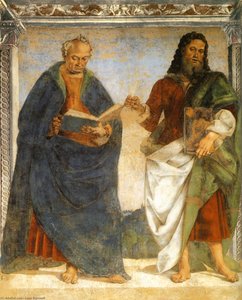
The Trinity, the Virgin and Two Saints
 Oil
Oil- WallArt
- High Renaissance
 1510
1510 272.0 x 180.0 cm
 Galleria degli Uffizi
 Mehr anzeigen
Handgefertigte Ölreproduktion
Handgemaltes Ölgemälde auf Leinwand in Ihrer Wunschgröße und mit Rahmen, auf Bestellung von unseren Künstlern angefertigt. ( Zum Druck wechseln Zum digitalen Bild wechseln)




P118B $10

P118H $10

P118W $10

P438Z $10

P508JH $12

P508YH $12

P805H $10

P805Z $10

P919BZ $10

P919G $10

P919XJ $10

P959ZH $10

P968JZ $12

W106C $8

W218G $10

W218JH $8

W218Y $10

W307PJ $10

W316G $10

W316PJ $8

W316Y $10

W398PJ $8

W4111J $10

W500HY $15

W500JH $15

W692G $12

W849H $8

W940BG $15

W953PJ $8




Wählen Sie aus unseren vordefinierten Formaten, die den ursprünglichen Proportionen des Kunstwerks entsprechen.

Sie können Ihre eigenen Maße eingeben, um einen bestimmten Rahmen oder Platz auszufüllen. Wenn die gewählte Größe nicht den Proportionen des Originalbildes entspricht, werden wir das Kunstwerk entweder beschneiden oder das Gemälde durch zusätzliche, handgemalte Elemente erweitern. Ein digitales Mockup wird Ihnen zur Genehmigung zugesandt, bevor die Produktion beginnt.
Bitte beachten Sie, dass die Bildschirmvorschau nicht die tatsächliche Beschneidung oder Erweiterung widerspiegelt. Nur das Mockup zeigt die endgültige Komposition exakt an.
Obwohl Sondermaße verfügbar sind, empfehlen wir, eine Größe aus der vordefinierten Liste zu wählen, um die ursprünglichen Proportionen beizubehalten.
Nach der Bestellung wird das OriginalUniqueArt.com-Team dem Kunden Anweisungen per E-Mail zusenden und eine Mockup-Vorschau bereitstellen.
Weltweiter Versand () in nur 3 bis 4 Wochen statt der üblichen 5 Wochen. (27 September). Keine Kompromisse bei der Qualität.

Kostenloser weltweiter Expressversand

Hochwertige Leinenleinwand

Vollständiger Versicherungsschutz beim Versand

Zollgebühren-Rückerstattungsgarantie

Garantie für exakte Farbtreue

100-tägiges Rückgaberecht (nur bei Mängeln)

100% Geld-zurück-Garantie

Angebot für Mengenrabatt
 Die Glasoption ist nur für Größen unter 110 cm verfügbar.

The Trinity, the Virgin and Two Saints
Reproduktionsmedium
Format der Reproduktion
-


Gesamtpreis
$ 300
Luca Signorelli’s Divine Embrace: A Study in Florentine High Renaissance
Luca Signorelli's “The Trinity, the Virgin and Two Saints,” painted around 1510, is more than just a religious depiction; it’s a profound meditation on faith, grace, and the intricate relationships within the Christian narrative. Born in Cortona, Italy, in 1450, Signorelli was a master of draftsmanship and foreshortening – techniques he employed here to create an astonishingly dynamic and deeply layered composition. The painting immediately draws the eye to the central figure: the Virgin Mary, rendered with a serene dignity that speaks volumes about her role as both mother and mediator between humanity and divinity. Her pose is deliberately balanced, reflecting the harmonious order of the universe she embodies, while the subtle folds of her garments hint at the earthly reality from which she emerges.
The scene unfolds within a carefully constructed architectural space, reminiscent of Florentine High Renaissance ideals. The backdrop isn’t merely decorative; it establishes a sense of depth and perspective, guiding the viewer's eye through the complex arrangement of figures. Notice the deliberate use of light – a soft, diffused illumination that highlights key elements while leaving others in shadow, creating an atmosphere of contemplative solemnity. Signorelli wasn’t simply illustrating a biblical story; he was crafting a visual theology, inviting viewers to contemplate the mysteries of faith and salvation.
The Trinity: A Symbol of Divine Unity
At the heart of the composition lies the depiction of the Holy Trinity – Father, Son, and Holy Spirit. Signorelli masterfully avoids overt symbolism, instead conveying this complex theological concept through a carefully orchestrated visual dialogue. The central figure, often interpreted as Christ, is flanked by the Archangels Michael and Gabriel, representing divine judgment and grace respectively. The arrangement isn’t haphazard; it's meticulously planned to create a sense of balance and harmony, reflecting the fundamental unity of God. The subtle gestures and expressions of these figures – Michael’s outstretched hand and Gabriel’s serene countenance – communicate profound spiritual truths without resorting to explicit iconography.
The inclusion of Saint Augustine and Saint Athanasius adds another layer of intellectual depth to the scene. These prominent theologians, representing reason and faith, underscore the importance of both intellect and spirituality in understanding God's will. Their placement alongside the central figures highlights the interconnectedness of divine revelation and human understanding.
Technique and Artistic Innovation
Signorelli’s technical skill is immediately apparent in the painting’s remarkably detailed rendering. He employed a technique known as *sfumato*, subtly blurring lines and edges to create an atmospheric effect, particularly noticeable in the drapery and the background architecture. This creates a sense of softness and depth, drawing the viewer into the scene. His mastery of foreshortening is equally impressive – evidenced by the figures on the left side of the painting, which appear to recede dramatically into space, creating a powerful illusion of three-dimensionality.
The color palette is restrained yet sophisticated, dominated by earthy tones—ochres, browns, and deep blues—that evoke a sense of solemnity and reverence. However, Signorelli also incorporates touches of vibrant color – particularly in the robes of the saints – to draw attention to key figures and enhance the overall visual impact. The painting’s surface is rich with texture, achieved through meticulous layering of paint and subtle variations in brushstroke.
A Legacy of Renaissance Beauty
“The Trinity, the Virgin and Two Saints” stands as a testament to Luca Signorelli's artistic genius and his deep understanding of religious iconography. It’s a painting that rewards careful study, revealing new layers of meaning with each viewing. The work was originally commissioned for pilgrims in Cortona, reflecting the artist’s connection to his community and his desire to inspire faith and devotion. Today, it resides in the Uffizi Gallery in Florence, where it continues to captivate viewers with its beauty, complexity, and profound spiritual message. A high-quality reproduction offers a remarkable opportunity to experience this masterpiece firsthand, bringing its timeless elegance and intellectual depth into your home or studio.
Biografie des Künstlers
Frühes Leben und Ausbildung
Luca Signorelli, ein italienischer Renaissancemaler, wurde um 1450 in Cortona, im Toskana, geboren. Sein genaues Geburtsdatum ist ungewiss, wird aber zwischen 1441 und 1445 vermutet. Er war bekannt für seine außergewöhnliche Fähigkeit als Zeichner und seinen Einsatz der Verkürzung.Künstlerische Karriere
Signorellis erste künstlerische Einflüsse scheinen in Perugia entstanden zu sein, wo er von den Stilen von Künstlern wie Benedetto Bonfigli, Fiorenzo di Lorenzo und Pinturicchio beeinflusst wurde. Laut Giorgio Vasari wurde Signorelli von seinem maternalen Onkel Lazzaro Vasari an Piero della Francesca ausgebildet. Signorellis Werke sind in verschiedenen Orten zu finden, darunter Arezzo (1472) und Città di Castello (1474). Eines seiner bemerkenswertesten Werke ist die Malerei „Schule des Pan“, die Lorenzo de' Medici präsentiert wurde. Dieses Gemälde zeigt eine realistische Darstellung der menschlichen Form und demonstriert Signorellis Meisterschaft in Chiaroscuro und linearer Perspektive.Wichtige Werke
- Das Jüngste Gericht (1499-1503), Orvieto-Kathedrale – gilt als sein Meisterwerk und zeigt Signorellis Geschick in der Darstellung des Jüngsten Gerichts und der Apokalypse.
- Das Polyptychon des St. Medard (1507), Museum San Medardo, Arcevia, Italien – ein Paradebeispiel für Signorellis Werk mit einer hochdetaillierten und naturalistischen Darstellung der menschlichen Form.
Kunstbewegung
Signorelli war Teil der italienischen Renaissance-Bewegung, die den Übergang zwischen Mittelalter und früher Neuzeit markierte. Diese Periode sah eine verstärkte Betonung klassischer Traditionen, Naturalismus und Humanismus.- Die frühe Renaissance Kunstbewegung - Eine kurze Einführung in die Kunstbewegung, die den Lauf der Kunstgeschichte prägte.
- Fra Angelico – Der renommierte Künstler, der Signorellis Werk beeinflusste und für seine außergewöhnliche Fähigkeit als Maler bekannt war.
- Luca Signorelli - Eine kurze Biografie des Künstlers mit seinen bemerkenswerten Werken und der Kunstbewegung.
Vermächtnis
Signorrellis Werk hatte einen bedeutenden Einfluss auf die Entwicklung der Renaissancekunst. Sein Einsatz der Verkürzung und sein Geschick als Zeichner beeinflussten viele Künstler, die ihm folgten. Als prominente Figur der italienischen Renaissance wird Signorellis Vermächtnis durch seine Werke gefeiert, die sich in verschiedenen Museen und Kathedralen in ganz Italien finden lassen.Wichtige Daten: * 1450: geboren in Cortona, Toskana * 1499-1503: schuf das Jüngste Gericht, Orvieto-Kathedrale * 1523: verstarb und hinterließ ein Vermächtnis außergewöhnlicher Kunst
Luca Signorelli
1450 - 1523 , Italien
Eckdaten zum Künstler
- Beeinflusste Künstler:
- Benedetto Bonfigli
- Piero della Francesca
- Bemerkenswerte Werke:
- Das Jüngste Gericht
- Polyptych von St. Medard
- Geburtsdatum: ca. 1450
- Geburtsort: Cortona, Italien
- Künstlerische Bewegung: Italienische Renaissance
- Nationalität: Italiener
- Sterbedatum: 1523
- Vollständiger Name: Luca Signorelli
- Von Künstlern Beeinflusst: ['Fra Angelico']
Verwandte Artikel

Divine Grace: An Art Historian's Journey Through Iconic Masterpieces of the Virgin Mary
Explore the profound beauty of Marian iconography through an art historian's lens. Discover iconic masterpieces by Raphael and Renaissance masters, celebrating the divine grace and timeless elegance of the Virgin Mary in classical fine art.
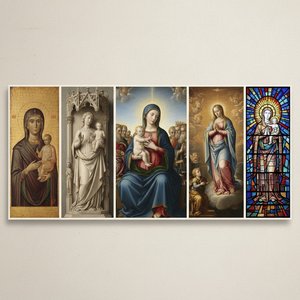
Divine Grace: A Journey Through the Most Iconic Depictions of the Virgin Mary in Art History
Embark on a profound journey through art history with our exploration of the most iconic depictions of the Virgin Mary. Discover the divine grace, symbolism, and masterful techniques found in Renaissance masterpieces and sacred iconography.

Luca Signorelli: Renaissance Innovation & Dramatic Foreshadowing of Modern Artistic Expression
Explore the revolutionary art of Luca Signorelli, a High Renaissance master renowned for his dramatic frescoes & anatomical precision. Discover his lasting impact on art history and techniques like foreshortening.
Jacob Henricus Maris: Meister des niederländischen Stimmungsrealismus und der intimen Landschaft
Entdecken Sie das Werk von Jacob Henricus Maris, einem Meister des niederländischen Stimmungsrealismus! Erfahren Sie mehr über seine Landschaftsmalerei, Einflüsse und berühmte Gemälde. Jetzt lesen & inspirieren lassen!
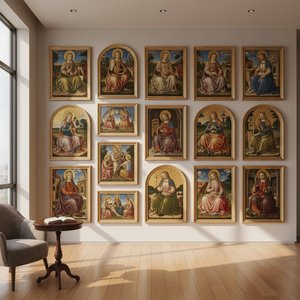
Fra Angelico: Die 25 Meisterwerke des italienischen Frührenaissance-Malers | OriginalUniqueArt
Entdecken Sie die 25 schönsten Meisterwerke von Fra Angelico! Erleben Sie religiöse Kunst der italienischen Renaissance, himmlische Fresken & Panelgemälde. Finden Sie hochwertige Kunstdrucke und Reproduktionen für Ihr Zuhause auf OriginalUniqueArt.com.