Vorschau anzeigen
 Versenden
 Teilen
 Details anzeigen
 Leitfaden

 Herunterladen
 Ähnliche Objekte
 Röntgenaufnahme
 Diashow
 Fragen & Antworten
 Statistiken
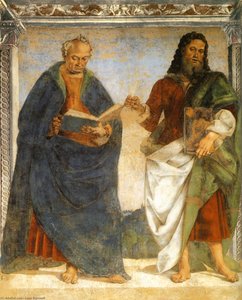
Four Demons with a Book

- 335.0 x 284.0 cm


 Weiterlesen
Giclée / Kunstdruck
Giclée- oder Leinwanddruck in Museumsqualität mit schneller Produktion und flexiblen Veredelungsoptionen. ( Handgemalte Reproduktion bestellen Zum digitalen Bild wechseln)




P118B €10

P118H €10

P118W €10

P438Z €10

P508JH €12

P508YH €12

P805H €10

P805Z €10

P919BZ €10

P919G €10

P919XJ €10

P959ZH €10

P968JZ €12

W106C €8

W218G €10

W218JH €8

W218Y €10

W307PJ €10

W316G €10

W316PJ €8

W316Y €10

W398PJ €8

W4111J €10

W500HY €15

W500JH €15

W692G €12

W849H €8

W940BG €15

W953PJ €8




Wählen Sie aus unseren vordefinierten Formaten, die den ursprünglichen Proportionen des Kunstwerks entsprechen.

Geben Sie die benötigte Breite und Höhe an, damit der Druck perfekt in Ihren Rahmen oder an Ihre Wand passt. Ein Druck kann nur beschnitten, aber niemals größer als das Originalbild angefertigt werden; daher verliert ein Format mit anderen Proportionen einen Teil des Bildes. Wir senden Ihnen ein digitales Mockup zur Freigabe, bevor wir den Druck ausführen. Das auf dieser Seite gezeigte Bild zeigt nicht den tatsächlichen Beschnitt – dies ist nur im Mockup ersichtlich.
Weltweiter Versand () innerhalb von 2 Wochen statt der üblichen 4/5 Wochen. (6 November)

Kostenloser weltweiter Expressversand

Hochwertige Leinenleinwand

Umfassender Versicherungsschutz beim Versand

Zollgebühren-Rückerstattungsgarantie

Garantie für exakte Farbtreue

100 Tage Rückgaberecht (nur bei Mängeln)

100% Geld-zurück-Garantie

Mengenrabatt verfügbar
 Die Glasoption ist nur für Größen unter 110 cm verfügbar.

Four Demons with a Book
Giclée / Kunstdruck
Format der Reproduktion
-


Endpreis
€ 72
The Genesis of a Masterpiece: Luca Signorelli's Preparatory Drawing
Luca Signorelli’s “Four Demons with a Book,” a remarkably detailed preparatory study for the monumental fresco cycle adorning Orvieto Cathedral, offers a captivating glimpse into the mind of one of the High Renaissance’s most potent visual storytellers. More than just a sketch, it's a concentrated distillation of ideas, a vibrant testament to Signorelli’s meticulous draftsmanship and his profound understanding of human psychology – particularly as manifested through the unsettling interplay of demonic figures and forbidden knowledge. The drawing itself, rendered in charcoal or silverpoint on aged paper, possesses an immediate power, radiating a palpable sense of urgency and contained chaos.
The work’s genesis lies within the Cappella Nova, a space already steeped in religious narrative through earlier frescoes by Fra Angelico. Signorelli was tasked with expanding this existing framework, creating a dramatic visual representation of the Apocalypse – a subject demanding both grandeur and terrifying intimacy. This preparatory study isn't merely a preliminary sketch; it’s a crucial stage in the artist’s process, revealing his initial compositional choices, anatomical explorations, and the evolution of individual figures before they were unleashed upon the vast cathedral walls.
A Symphony of Line: Technique and Composition
Signorelli's mastery is immediately evident in the drawing’s intensely linear quality. Hatching and cross-hatching dominate, building up volume with a remarkable degree of precision and control. The figures aren’t simply outlined; they are sculpted through layers of carefully applied lines, conveying not just their physical form but also the texture of skin, clothing, and even the suggestion of demonic musculature. The limited palette – primarily shades of gray and white – amplifies this effect, creating a dramatic chiaroscuro that emphasizes the figures’ powerful presence against an implied darkness. The composition itself is deliberately claustrophobic, with the demons crowding together in a dynamic, almost violent arrangement. There's no background; the focus remains entirely on these unsettling characters and their interaction with the central object of contemplation – the book.
The drawing’s flattened perspective, characteristic of preparatory studies, lends it an immediacy and intimacy rarely found in finished works. It feels as though we are witnessing Signorelli wrestling with his ideas directly, capturing a fleeting moment of creative struggle. The subtle erasures and adjustments visible throughout the piece further underscore this sense of process, revealing the artist’s willingness to experiment and refine his vision.
Symbolism and Psychological Depth
The subject matter – four demonic figures clustered around a book – is laden with symbolic weight. Demons, traditionally representing temptation, sin, and the forces of evil, are inherently unsettling. Their muscular physiques and aggressive postures convey power and menace. The book, however, introduces an element of ambiguity. It’s not simply a symbol of knowledge; it suggests a dangerous, potentially corrupting influence – a forbidden text promising enlightenment but ultimately leading to damnation. The positioning of the demons, particularly one holding the book aloft with a look of intense concentration, hints at a struggle between intellect and faith, reason and revelation.
Signorelli’s genius lies in his ability to imbue these archetypal figures with psychological depth. The expressions on their faces – ranging from rage and suspicion to curiosity and perhaps even a hint of despair – suggest a complex internal landscape. The drawing isn't merely a depiction of demons; it’s an exploration of the human condition, confronting us with our own vulnerabilities and temptations.
A Legacy in Stone and Charcoal
“Four Demons with a Book” stands as a pivotal work in Signorelli’s oeuvre, foreshadowing the dramatic intensity and psychological complexity that would define his masterpiece at Orvieto. It's a testament to his extraordinary draftsmanship, his profound understanding of human anatomy, and his ability to translate complex theological ideas into visually arresting imagery. The drawing offers a rare opportunity to connect with the creative process of one of the Renaissance’s most influential artists, revealing the meticulous care and intellectual rigor that underpinned his monumental achievements. Reproductions of this captivating study offer a window into a world of dramatic tension, profound symbolism, and enduring artistic power.
Fragen & Antworten
Welche Farbe dominiert in "Four Demons with a Book" von Luca Signorelli?
Ein Green to Violet Spectrum Farbton durchzieht "Four Demons with a Book" von Luca Signorelli.
Wie finde ich Kunstwerke, die "Four Demons with a Book" von Luca Signorelli ähneln?
Die Seite Ähnliche Werke von "Four Demons with a Book" von Luca Signorelli zeigt verwandte Kunstwerke.
Wie sehen die Reproduktionsrechte für „Four Demons with a Book“ im Pierpont Morgan Bibliothek aus?
Der Urheberrechtsstatus von "Four Demons with a Book" von Luca Signorelli ist eindeutig: Das Werk ist gemeinfrei – das Urheberrecht ist abgelaufen. Seine Präsenz in der Pierpont Morgan Bibliothek ändert nichts an diesem Status.
Künstlerbiografie
Frühes Leben und Ausbildung
Luca Signorelli, ein italienischer Renaissancemaler, wurde um 1450 in Cortona, im Toskana, geboren. Sein genaues Geburtsdatum ist ungewiss, wird aber zwischen 1441 und 1445 vermutet. Er war bekannt für seine außergewöhnliche Fähigkeit als Zeichner und seinen Einsatz der Verkürzung.Künstlerische Karriere
Signorellis erste künstlerische Einflüsse scheinen in Perugia entstanden zu sein, wo er von den Stilen von Künstlern wie Benedetto Bonfigli, Fiorenzo di Lorenzo und Pinturicchio beeinflusst wurde. Laut Giorgio Vasari wurde Signorelli von seinem maternalen Onkel Lazzaro Vasari an Piero della Francesca ausgebildet. Signorellis Werke sind in verschiedenen Orten zu finden, darunter Arezzo (1472) und Città di Castello (1474). Eines seiner bemerkenswertesten Werke ist die Malerei „Schule des Pan“, die Lorenzo de' Medici präsentiert wurde. Dieses Gemälde zeigt eine realistische Darstellung der menschlichen Form und demonstriert Signorellis Meisterschaft in Chiaroscuro und linearer Perspektive.Wichtige Werke
- Das Jüngste Gericht (1499-1503), Orvieto-Kathedrale – gilt als sein Meisterwerk und zeigt Signorellis Geschick in der Darstellung des Jüngsten Gerichts und der Apokalypse.
- Das Polyptychon des St. Medard (1507), Museum San Medardo, Arcevia, Italien – ein Paradebeispiel für Signorellis Werk mit einer hochdetaillierten und naturalistischen Darstellung der menschlichen Form.
Kunstbewegung
Signorelli war Teil der italienischen Renaissance-Bewegung, die den Übergang zwischen Mittelalter und früher Neuzeit markierte. Diese Periode sah eine verstärkte Betonung klassischer Traditionen, Naturalismus und Humanismus.- Die frühe Renaissance Kunstbewegung - Eine kurze Einführung in die Kunstbewegung, die den Lauf der Kunstgeschichte prägte.
- Fra Angelico – Der renommierte Künstler, der Signorellis Werk beeinflusste und für seine außergewöhnliche Fähigkeit als Maler bekannt war.
- Luca Signorelli - Eine kurze Biografie des Künstlers mit seinen bemerkenswerten Werken und der Kunstbewegung.
Vermächtnis
Signorrellis Werk hatte einen bedeutenden Einfluss auf die Entwicklung der Renaissancekunst. Sein Einsatz der Verkürzung und sein Geschick als Zeichner beeinflussten viele Künstler, die ihm folgten. Als prominente Figur der italienischen Renaissance wird Signorellis Vermächtnis durch seine Werke gefeiert, die sich in verschiedenen Museen und Kathedralen in ganz Italien finden lassen.Wichtige Daten: * 1450: geboren in Cortona, Toskana * 1499-1503: schuf das Jüngste Gericht, Orvieto-Kathedrale * 1523: verstarb und hinterließ ein Vermächtnis außergewöhnlicher Kunst
Luca Signorelli
1450 - 1523 , Italien
Kurzinfos
- Beeinflusste Künstler:
- Benedetto Bonfigli
- Piero della Francesca
- Bemerkenswerte Werke:
- Das Jüngste Gericht
- Polyptych von St. Medard
- Geburtsdatum: ca. 1450
- Geburtsort: Cortona, Italien
- Künstlerische Bewegung: Italienische Renaissance
- Nationalität: Italiener
- Sterbedatum: 1523
- Vollständiger Name: Luca Signorelli
- Von Künstlern Beeinflusst: ['Fra Angelico']
Ähnliche Artikel

The Nuances of Graphite: Exploring Emotional Depth & Technical Mastery in Pencil Drawing
Explore the captivating world of graphite drawing! Discover its rich history, master essential techniques like chiaroscuro, and learn how artists evoke emotion through this timeless medium. Expert insights for art enthusiasts.
The Power of Graphite: Mastering Depth, Texture, and Detail in the Art of Pencil Drawing
Explore the profound artistry of graphite drawing. Discover professional techniques for mastering depth, texture, and detail through a lens of art history, from classical sketches to modern masterpieces. Elevate your understanding of the pencil medium with our expert guide.
The Eloquent Line: Exploring the Artistic Significance of Sketches Across Movements and Media
Explore the profound artistic significance of sketches throughout history. From Renaissance masters to modern innovators like Van Gogh & Guston, discover how these foundational works reveal technique, emotion, and vision. Learn more at OriginalUniqueArt.

Die Anatomie des Graphits: Techniken zur Beherrschung von Licht und Schatten in der Zeichnung
Meistern Sie Licht und Schatten durch Expertenwissen zu Graphittechniken. Lernen Sie jetzt die Kunst der präzisen Bleistiftzeichnung!
Raw Energy: Why Sketch Studies are the Ultimate Urban Vibe for Your Walls
Elevate your space with the raw energy of sketch studies. Discover how the unfiltered power of charcoal, line, and gesture creates the ultimate urban vibe for modern interiors. Expert trends in contemporary wall art curation for the design-conscious professional.