Vorschau anzeigen
 Versenden
 Teilen
 Details anzeigen
 Leitfaden

 Herunterladen
 Ähnliche Objekte
 Röntgenaufnahme
 Diashow
 Fragen & Antworten
 Statistiken
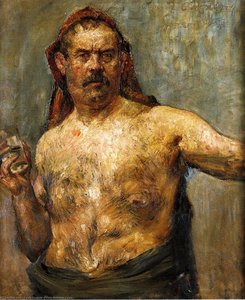
Carmencita

- 130.0 x 90.0 cm


 Weiterlesen
Giclée / Kunstdruck
Giclée- oder Leinwanddruck in Museumsqualität mit schneller Produktion und flexiblen Veredelungsoptionen. ( Handgemalte Reproduktion bestellen Zum digitalen Bild wechseln)




P118B €10

P118H €10

P118W €10

P438Z €10

P508JH €12

P508YH €12

P805H €10

P805Z €10

P919BZ €10

P919G €10

P919XJ €10

P959ZH €10

P968JZ €12

W106C €8

W218G €10

W218JH €8

W218Y €10

W307PJ €10

W316G €10

W316PJ €8

W316Y €10

W398PJ €8

W4111J €10

W500HY €15

W500JH €15

W692G €12

W849H €8

W940BG €15

W953PJ €8




Wählen Sie aus unseren vordefinierten Formaten, die den ursprünglichen Proportionen des Kunstwerks entsprechen.

Geben Sie die benötigte Breite und Höhe an, damit der Druck perfekt in Ihren Rahmen oder an Ihre Wand passt. Ein Druck kann nur beschnitten, aber niemals größer als das Originalbild angefertigt werden; daher verliert ein Format mit anderen Proportionen einen Teil des Bildes. Wir senden Ihnen ein digitales Mockup zur Freigabe, bevor wir den Druck ausführen. Das auf dieser Seite gezeigte Bild zeigt nicht den tatsächlichen Beschnitt – dies ist nur im Mockup ersichtlich.
Weltweiter Versand () innerhalb von 2 Wochen statt der üblichen 4/5 Wochen. (8 November)

Kostenloser weltweiter Expressversand

Hochwertige Leinenleinwand

Umfassender Versicherungsschutz beim Versand

Zollgebühren-Rückerstattungsgarantie

Garantie für exakte Farbtreue

100 Tage Rückgaberecht (nur bei Mängeln)

100% Geld-zurück-Garantie

Mengenrabatt verfügbar
 Die Glasoption ist nur für Größen unter 110 cm verfügbar.

Carmencita
Giclée / Kunstdruck
Format der Reproduktion
-


Endpreis
€ 72
Carmencita: A Portrait of Passion Amidst Expressionist Boldness
Lovis Corinth’s *Carmencita*, completed in 1924, transcends mere representation; it embodies the artist's masterful command of color and texture—a cornerstone of Expressionism—to convey a profound emotional resonance. Held prominently within the Stadelsches Kunstinstitut in Frankfurt, Germany, this painting offers a glimpse into Corinth’s personal life and artistic vision during a pivotal moment in his career.
- Subject Matter: The portrait depicts Charlotte Berend-Corinth, Corinth's wife, dressed as a Spanish noblewoman after a costume party. This deliberate theatrical staging underscores the importance of performance and illusion within Corinth’s artistic worldview.
- Stylistic Influence: Corinth firmly established himself in the Expressionist movement, rejecting academic conventions for raw emotion and subjective experience. *Carmencita* exemplifies this ethos through its bold brushstrokes and vibrant hues—a departure from Impressionism's focus on optical perception.
- Technique: Corinth employed a distinctive technique characterized by impasto – thick layers of paint applied with visible brushwork – creating palpable texture and capturing the dynamism of light and shadow. Glazing, layering thin translucent washes over thicker pigments, further enhances depth and luminosity, particularly noticeable in the luminous glow emanating from Charlotte’s face.
The composition itself is carefully considered. Corinth positioned Charlotte centrally within the frame, emphasizing her presence as the focal point of the artwork. Simultaneously, he simplified the background—a muted red hue—to heighten the impact of the figure and draw attention to her expressive gaze. The inclusion of a chandelier and furniture illuminated in crimson reinforces this dramatic effect, mirroring the festive atmosphere of the costume party that inspired Corinth.
Beyond its formal qualities, *Carmencita* speaks volumes about Corinth’s exploration of femininity and desire. Charlotte's posture exudes confidence and strength—a deliberate contrast to her physical appearance—suggesting an inner resilience that transcends outward appearances. The artist skillfully captures the subtle nuances of emotion through color and gesture, conveying a palpable sense of intimacy and vulnerability.
- Symbolism: The red dress symbolizes passion and vibrancy, mirroring Charlotte’s spirited personality. The fan serves as both an ornamental element and a visual barrier—representing restraint and concealing the sensual allure of her breasts.
- Historical Context: Created during Corinth's Expressionist period, *Carmencita* reflects the broader artistic currents of the time—a rejection of idealized beauty in favor of portraying human experience with unflinching honesty. It stands as a testament to Corinth’s ability to distill complex emotions into a single, unforgettable image.
A high-quality reproduction of *Carmencita* is available on OriginalUniqueArt.com (Lovis Corinth Carmencita), allowing art enthusiasts to experience the brilliance of Corinth’s artistry firsthand.
Fragen & Antworten
Welche Maße hat "Carmencita" von Lovis Corinth im Original?
Das Originalwerk "Carmencita" hat die Maße 130 x 90 cm. Die Originalmaße dienen als hilfreiche Orientierungshilfe bei der Wahl der Reproduktionsgröße.
Wie alt war Lovis Corinth, als „Carmencita“ im Jahr 1924 geschaffen wurde?
Lovis Corinth schuf „Carmencita“ im Alter von 66. Der Künstler wurde 1858 geboren, und das Werk datiert auf 1924.
Wer hat "Carmencita" geschaffen?
Der Künstler hinter „Carmencita“ ist Lovis Corinth. Das Werk ist unter dem Namen von Lovis Corinth katalogisiert.
Künstlerbiografie
Frühes Leben und Ausbildung
Lovis Corinth, geboren Franz Heinrich Louis am 21. Juli 1858 in Tapiau, Preußen, war ein deutscher Künstler und Schriftsteller, dessen reifes Werk als Maler und Grafiker eine Synthese aus Impressionismus und Expressionismus realisierte. Corinthians frühes Leben war geprägt von seinem Talent zum Zeichnen, das ihn dazu veranlasste, ab 1876 an der Akademie Königsbergs Malerei zu studieren.Künstlerische Entwicklung
Corinthians künstlerische Entwicklung wurde von mehreren Schlüsselfiguren und Bewegungen beeinflusst:- Lovis Corinth's frühe Arbeit war naturalistisch geprägt, was durch seinen Lehrer Otto Günther gefördert wurde.
- Er studierte unter Ludwig von Löfftz an der Akademie der Bildenden Künste München, die eine sorgfältige Beobachtung von Farben und Werten betonte.
- Corinth wurde auch von Courbet und der Barbizon-Schule sowie von den Werken Rubes während seiner Zeit in Antwerpen beeinflusst.
Wichtige Werke und Stil
Zu Corinthians bemerkenswertesten Werken gehören:- In der Schlachthof-Szene (78 x 89 cm, Staatsgalerie Stuttgart, Deutschland), das seine Verwendung von Öl auf Leinwand zeigt.
- Selbstbildnis (47 x 53 cm, Kunsthalle Bremen, Deutschland), das sein Können im Zeichnen demonstriert.
- weibliche Halbnackte mit Hut (283 x 383 cm, Kunstpalast Düsseldorf, Deutschland), das seine Verwendung von Bleistift hervorhebt.
Späteres Leben und Vermächtnis
Corinthians späteres Leben war geprägt von seiner Präsidentschaft der Berliner Sezession von 1915 bis 1925. Er veröffentlichte auch zahlreiche Essays über Kunstgeschichte, darunter "Das Erlernen der Malerei" im Jahr 1908. Corinth starb am 17. Juli 1925 nach einem Schlaganfall im Jahr 1911, der ihn teilweise gelähmt hatte. Wichtige Links:- Besuchen Sie die Künstlerseite von Lovis Corinth auf OriginalUniqueArt
- Lesen Sie mehr über Lovis Corinth auf Wikipedia
- Sehen Sie "In der Schlachthof-Szene" von Lovis Corinth auf OriginalUniqueArt
Bedeutung und Einfluss
Corinth gilt als einer der wichtigsten Künstler des deutschen Modernismus. Seine Werke verbinden impressionistische Elemente mit expressionistischen Tendenzen, was ihm eine einzigartige Position in der Kunstgeschichte einbrachte. Er beeinflusste nachfolgende Generationen von Künstlern und trug maßgeblich zur Entwicklung der modernen Kunst in Deutschland bei. Sein Einfluss ist bis heute spürbar.
Lovis Corinth
1858 - 1925 , Niederlande
Kurzinfos
- Beeinflusste Künstler:
- Kirchner
- Beckmann
- Baselitz
- Bemerkenswerte Werke:
- In der Schlachthof-Szene
- Selbstbildnis
- Female Semi-Nude with Hat
- Einflüsse:
- Courbet
- Barbizon Schule
- Rubens
- Geburtsdatum: 21. Juli 1858
- Geburtsort: Tauwade, Niederlande
- Künstlerische Richtung: Impressionismus & Expressionismus
- Nationalität: Deutsch
- Sterbedatum: 17. Juli 1925
- Vollständiger Name: Lovis Corinth (Franz Heinrich Louis)
Ähnliche Artikel

Crimson Threads of Narrative: Exploring Symbolism & Representation in Artworks Featuring the Red Dress
Explore the rich symbolism of the red dress in art history! From ancient power displays to iconic portraits like Cézanne’s 'Madame Cezanne', discover the cultural and artistic significance behind this captivating color. Expert analysis & insights.

Deutsche Expressionismus Meisterwerke: Die 10 wichtigsten Kunstwerke für Ihr Zuhause
Entdecken Sie die 10 bedeutendsten Werke des Deutschen Expressionismus! Kirchner, Nolde & Co. – ihre Geschichten, Techniken und zeitlose Schönheit. Hochwertige Kunstdrucke auf OriginalUniqueArt.com kaufen und Ihr Zuhause mit emotionaler Kunst bereichern. Jetzt entdecken!

Lovis Corinth: Brückenbauer zwischen Impressionismus und Expressionismus – Eine künstlerische Entwicklung
Entdecken Sie Lovis Corinths faszinierende künstlerische Entwicklung! Von Realismus über Impressionismus bis Expressionismus – eine detaillierte Analyse seiner Werke, seines Einflusses und der Berliner Secession. Jetzt lesen!

25 ikonische Meisterwerke von Roy Lichtenstein: Die Revolution der Pop Art
Entdecke 25 ikonische Pop-Art-Meisterwerke von Roy Lichtenstein. Erlebe die Magie der Ben-Day-Dots auf OriginalUniqueArt.com.

Mutige Meisterwerke: Die Top 10 Kunstwerke voller Ausdruckskraft | OriginalUniqueArt
Entdecken Sie die Top 10 mutiger Kunstwerke, voller Ausdruckskraft & Emotion! Von Van Gogh bis Picasso – erfahren Sie die Geschichten hinter den Meisterwerken und finden Sie Ihre perfekte Wanddeko auf OriginalUniqueArt.com.