In echtem Maßstab anzeigen
 Versenden als Grußkarte
 Teilen
 Details anzeigen
 Leitfaden öffnen

 Herunterladen
 Ähnliche Objekte
 Röntgenaufnahme
 Diashow
 Besucherstatistiken
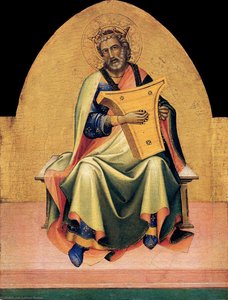
The Last Supper
 Acryl auf Leinwand
- Wandkunst
- High Renaissance
 1394
1394 47.0 x 142.0 cm
 Staatliche Museen zu Berlin
 Mehr anzeigen
Giclée / Kunstdruck
Giclée- oder Leinwanddruck in Museumsqualität mit schneller Produktion und flexiblen Veredelungsoptionen. ( Handgemalte Reproduktion kaufen Zum digitalen Bild wechseln)




P118B €10

P118H €10

P118W €10

P438Z €10

P508JH €12

P508YH €12

P805H €10

P805Z €10

P919BZ €10

P919G €10

P919XJ €10

P959ZH €10

P968JZ €12

W106C €8

W218G €10

W218JH €8

W218Y €10

W307PJ €10

W316G €10

W316PJ €8

W316Y €10

W398PJ €8

W4111J €10

W500HY €15

W500JH €15

W692G €12

W849H €8

W940BG €15

W953PJ €8




Wählen Sie aus unseren vordefinierten Formaten, die den ursprünglichen Proportionen des Kunstwerks entsprechen.

Geben Sie die Breite und die Höhe an, die Sie benötigen, damit der Druck perfekt in Ihren Rahmen oder an Ihre Wand passt. Ein Druck kann nur beschnitten werden und niemals größer als das Originalbild gemacht werden; daher verliert ein Format mit einer anderen Proportion einen Teil des Bildes. Wir senden Ihnen ein digitales Mockup zur Freigabe, bevor wir den Druck ausführen. Das auf dieser Seite gezeigte Bild zeigt nicht den tatsächlichen Beschnitt – dies ist nur im Mockup ersichtlich.
Weltweiter Versand () innerhalb von 2 Wochen statt der üblichen 4/5 Wochen. (23 Oktober)

Kostenloser weltweiter Expressversand

Hochwertige Leinenleinwand

Vollständiger Versicherungsschutz beim Versand

Zollgebühren-Rückerstattungsgarantie

Garantie für exakte Farbtreue

100-tägiges Rückgaberecht (nur bei Mängeln)

100% Geld-zurück-Garantie

Angebot für Mengenrabatt
 Die Glasoption ist nur für Größen unter 110 cm verfügbar.

The Last Supper
Giclée / Kunstdruck
Format der Reproduktion
-


Gesamtpreis
€ 70
A Moment Frozen in Time: The Story of the Last Supper
Leonardo da Vinci’s The Last Supper, housed within the refectory of Santa Maria delle Grazie in Milan, isn't merely a painting; it’s an immersive experience. Completed between 1495 and 1498, this monumental mural captures a pivotal moment from Christian scripture – the announcement by Jesus of his impending betrayal by one of his apostles. More than just a depiction of an event, it’s a profound exploration of human emotion, faith, and the complexities of relationships. Leonardo masterfully distilled the narrative into a single, dramatic tableau, freezing a conversation in perpetual motion. The scene unfolds with an almost palpable tension, radiating from Jesus's face as he reveals the devastating truth to his disciples. The composition is carefully constructed; each apostle reacts uniquely – shock, denial, anger, confusion – creating a dynamic and deeply affecting visual dialogue.

Technique and Innovation: A Revolutionary Approach
Leonardo’s choice of medium – tempera on gesso, pitch, and mastic – was a radical departure from the traditional fresco method employed for such large-scale works. Fresco relies on pigments mixed with water applied to wet plaster; this technique is notoriously difficult to alter once dry. Leonardo's approach allowed him unprecedented flexibility, enabling him to rework details and experiment with shading and color until he achieved his desired effect. This innovative technique, however, proved tragically unstable over time, contributing significantly to the painting’s deterioration. The layering of materials and the inherent fragility of tempera on gesso have resulted in extensive fading, cracking, and flaking, demanding constant conservation efforts. Despite these challenges, Leonardo's mastery of *sfumato* – a subtle blurring technique that creates soft transitions between light and shadow – remains breathtakingly evident, lending an ethereal quality to the figures and imbuing them with a remarkable sense of realism.
Symbolism and Spiritual Depth
Beyond its dramatic depiction of betrayal, The Last Supper is rich in symbolic meaning. Judas Iscariot, traditionally depicted as sitting alone at the table, is positioned furthest from Jesus, emphasizing his isolation and treachery. The arrangement of the apostles reflects their individual personalities and relationships within the group. Leonardo’s use of color also carries significant weight; the vibrant reds and blues contrast sharply with the muted browns and grays, drawing attention to key figures and emotions. The inclusion of details like the table, benches, and even the architectural elements of the room contribute to a sense of realism and immediacy, grounding the spiritual narrative in a tangible setting. The painting’s overall effect is one of profound introspection, inviting viewers to contemplate themes of faith, betrayal, forgiveness, and the nature of humanity.
A Legacy Enduring Through Time
The Last Supper stands as a testament to Leonardo da Vinci's genius – a masterpiece that continues to captivate audiences centuries after its creation. Its revolutionary techniques, profound symbolism, and emotional resonance have cemented its place among the most iconic works of art in Western history. Reproductions, while never fully capturing the original’s luminosity and depth, offer a valuable opportunity to experience this extraordinary painting firsthand. Whether admired for its technical brilliance or its enduring spiritual message, The Last Supper remains a powerful reminder of the complexities of human nature and the transformative power of art.
Fragen & Antworten
Welche Farbe prägt die Komposition von "The Last Supper" von Lorenzo Monaco?
Die dominante Farbe von "The Last Supper" von Lorenzo Monaco ist Schwarz (#21150e).
Gibt es ein Factsheet zu "The Last Supper" von Lorenzo Monaco für Studierende?
Die Leitfaden-Seite von "The Last Supper" von Lorenzo Monaco bietet ein druckbares, zweiseitiges Infoblatt: das Kunstwerk mit seiner Identifikationstabelle, eine Zeitstrahl-Einordnung in die Lebensspanne des Künstlers, weitere Werke des Künstlers, die gemessene Farbpalette sowie kopierfertige Zitate in vier verschiedenen Stilen.
Inwiefern lässt sich der Stil von "The Last Supper" mit der Epoche seines Schöpfers in Verbindung bringen?
"The Last Supper" von Lorenzo Monaco lässt sich der High Renaissance-Strömung innerhalb der Renaissance-Ära seines Schöpfers zuordnen.
Biografie des Künstlers
Frühes Leben und Ausbildung
- Geboren: Siena, Italien (ca. 1370)
- Gestorben: ca. 1425
- Über Lorenzo Monacos frühes Leben ist wenig bekannt, außer dass er in Florenz eine Lehre absolvierte.
- Er wurde von den Werken Giottos und seinen Anhängern Spinello Aretino und Agnolo Gaddi beeinflusst. Diese Erfahrungen prägten seine künstlerische Entwicklung.
Künstlerisches Schaffen und Stil
- Im Jahr 1390 trat Lorenzo dem Camaldenserkloster Santa Maria degli Angeli bei und wurde als "Laurentius der Mönch" bekannt.
- Seine frühen Werke (1390er Jahre) zeigen einen starken Einfluss des Internationalen Gotischen Stils, zusammen mit Einflüssen von Lorenzo Ghiberti und Gherardo Starnina.
- Monacos Stil ist gekennzeichnet durch:
- Spannte Linearität
- Anfänglich eine kalte Farbpalette
- Später die Übernahme von Elementen des Internationalen Gotischen Stils
- Lange Figuren mit geschwungenen Gewändern
- Scharfe Kanten und leuchtende Farben (Gold und Lapislazuli)
- Angedeutete Gesten und ein minimiertes Raumgefühl
- Er stellte konsequent Bilder mit starkem spirituellen Wert dar, oft losgelöst vom Realismus.
Hauptwerke
- Pietà: Im Galleria dell'Accademia in Florenz ausgestellt – Zeigt nervöse Linien und emotionale Spannung.
- Krönung der Jungfrau: Jetzt im Uffizien – Enthält eine große Anzahl von Heiligen mit geschwungenen Formen und leuchtenden Farben.
- Monteoliveto-Altarbild: In der Galleria dell'Accademia – Zeigt eine Spiritualität, die an Fra Angelico erinnert.
- Anbetung der Könige (1420–1422): Die Vereinfachungen wirken surreal aufgrund des Fehlens geometrischer Perspektive, behalten aber eine hohe bildliche Qualität bei.
- Geschichten der Jungfrau in der Bartolini Salimbeni Kapelle: Eines seiner wenigen Fresken.
Einflüsse und Vermächtnis
- Monacos Werk wurde von Giotto, Spinello Aretino, Agnolo Gaddi, Lorenzo Ghiberti und Gherardo Starnina beeinflusst.
- Er blieb weitgehend unbeeinflusst von den Innovationen Masacios und Filippos Brunelleschis und behielt seinen unverwechselbaren Stil bei.
- Giorgio Vasari nahm eine Biographie Monacos in seine "Leben" auf und erwähnte seinen Tod an einer nicht identifizierten Infektion.
- Trotz begrenzter biographischer Informationen sind Lorenzo Monacos Beiträge zur spätgotischen-frühen Renaissancekunst bedeutend. Seine einzigartige Mischung aus Stilen und sein spiritueller Fokus hinterließen einen bleibenden Eindruck auf nachfolgende Künstler.
Historische Bedeutung
- Gilt als der letzte wichtige Vertreter des Giotto-Stils vor der Renaissance-Revolution.
- Überbrückte die Kluft zwischen den spätgotischen Traditionen und den aufkommenden künstlerischen Prinzipien der Renaissance.
- Sein Schwerpunkt auf Spiritualität und stilisierte Formen stellen eine besondere Ästhetik innerhalb der florentinischen Malerei dar.

Lorenzo Monaco
1370 - 1425 , Italien
Eckdaten zum Künstler
- Beeinflusste Künstler:
- Giotto
- Spinello Aretino
- Bemerkenswerte Werke:
- Pietà
- Verkündigung Mariä
- Anbetung der Könige
- Geburtsdatum: ca. 1370
- Geburtsort: Siena, Italien
- Künstlerischer Stil: Spätgotik-Frührenaissance
- Nationalität: Italiener
- Sterbedatum: ca. 1425
- Vollständiger Name: Lorenzo Monaco
- Von Künstlern Beeinflusst:
- Masaccio
- Brunelleschi
Verwandte Artikel
Leonardo da Vinci: Die 25 Meisterwerke für Ihr Zuhause | OriginalUniqueArt
Entdecken Sie die 25 Meisterwerke von Leonardo da Vinci! Erfahren Sie faszinierende Geschichten hinter Gemälden wie der Mona Lisa & Das letzte Abendmahl. Hochwertige Reproduktionen für Ihr Zuhause – jetzt bei OriginalUniqueArt entdecken!
Die 25 Meisterwerke der Uffizien: Kunstgeschichte für Ihr Zuhause | OriginalUniqueArt
Entdecken Sie die 25 berühmtesten Meisterwerke der Uffizien, Florenz! Von Botticelli bis Leonardo da Vinci – Kunstgeschichte erleben. Hochwertige Reproduktionen & Inspiration für Ihr Zuhause auf OriginalUniqueArt.com.
Louvre Meisterwerke: Die Top 25 Kunstwerke für Ihr Zuhause | OriginalUniqueArt
Entdecken Sie die Top 25 Kunstwerke des Louvre! Von der Mona Lisa bis zur Venus von Milo – erleben Sie Geschichte, Künstler und Techniken. Hochwertige Reproduktionen für Ihr Zuhause auf OriginalUniqueArt.com.
Renaissance Humanismus: Die 10 Meisterwerke, die eine Epoche prägten – Kunst für Ihr Zuhause
Entdecken Sie die 10 Meisterwerke der Renaissance Humanismus! Von Leonardo da Vinci bis Michelangelo – erfahren Sie die Geschichten hinter ikonischen Gemälden & Skulpturen. Finden Sie Ihre perfekte Reproduktion auf OriginalUniqueArt.com.
Leonardo da Vinci: Synthese von Kunst, Wissenschaft und menschlicher Beobachtung – Eine Renaissance-Meisterleistung für den Kenner
Entdecken Sie Leonardo da Vincis revolutionäre Kunst und Wissenschaft! Expertenanalyse seiner Meisterwerke, Techniken wie Sfumato & Chiaroscuro. Für Kenner und Sammler.