In echtem Maßstab anzeigen
 Versenden als Grußkarte
 Teilen
 Details anzeigen
 Leitfaden öffnen

 Herunterladen
 Ähnliche Objekte
 Röntgenaufnahme
 Diashow
 Besucherstatistiken
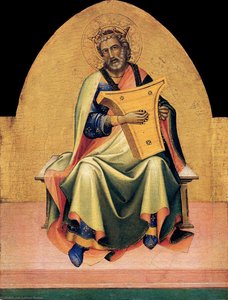
The Annunciation


 Mehr anzeigen
Giclée / Kunstdruck
Giclée- oder Leinwanddruck in Museumsqualität mit schneller Produktion und flexiblen Veredelungsoptionen. ( Handgemalte Reproduktion kaufen Zum digitalen Bild wechseln)




P118B €10

P118H €10

P118W €10

P438Z €10

P508JH €12

P508YH €12

P805H €10

P805Z €10

P919BZ €10

P919G €10

P919XJ €10

P959ZH €10

P968JZ €12

W106C €8

W218G €10

W218JH €8

W218Y €10

W307PJ €10

W316G €10

W316PJ €8

W316Y €10

W398PJ €8

W4111J €10

W500HY €15

W500JH €15

W692G €12

W849H €8

W940BG €15

W953PJ €8




Wählen Sie aus unseren vordefinierten Formaten, die den ursprünglichen Proportionen des Kunstwerks entsprechen.

Geben Sie die Breite und die Höhe an, die Sie benötigen, damit der Druck perfekt in Ihren Rahmen oder an Ihre Wand passt. Ein Druck kann nur beschnitten werden und niemals größer als das Originalbild gemacht werden; daher verliert ein Format mit einer anderen Proportion einen Teil des Bildes. Wir senden Ihnen ein digitales Mockup zur Freigabe, bevor wir den Druck ausführen. Das auf dieser Seite gezeigte Bild zeigt nicht den tatsächlichen Beschnitt – dies ist nur im Mockup ersichtlich.
Weltweiter Versand () innerhalb von 2 Wochen statt der üblichen 4/5 Wochen. (23 Oktober)

Kostenloser weltweiter Expressversand

Hochwertige Leinenleinwand

Vollständiger Versicherungsschutz beim Versand

Zollgebühren-Rückerstattungsgarantie

Garantie für exakte Farbtreue

100-tägiges Rückgaberecht (nur bei Mängeln)

100% Geld-zurück-Garantie

Angebot für Mengenrabatt
 Die Glasoption ist nur für Größen unter 110 cm verfügbar.

The Annunciation
Giclée / Kunstdruck
Format der Reproduktion
-


Gesamtpreis
€ 70
A Divine Encounter in Gold and Grace
In the quiet sanctity of the Galleria dell'Accademia in Florence, there exists a moment frozen in time, a celestial intersection between heaven and earth captured by the hand of Lorenzo Monaco. His The Annunciation, painted around 1410, is far more than a mere religious illustration; it is a profound meditation on the arrival of divine grace. As one gazes upon this masterpiece, the viewer is transported to the dawn of the Italian Renaissance, a period where the ethereal elegance of the Gothic tradition began to breathe with the burgeoning realism of a new era. The scene depicts the pivotal instant when the Archangel Gabriel descends to deliver his transformative message to the Virgin Mary, an event rendered with such spiritual intensity that it feels as though the air around the panel is still vibrating with the weight of the divine word.
The composition is a masterclass in balanced tension and sacred geometry. On one side, the Angel Gabriel appears in dynamic motion, his wings spread wide to suggest a sudden, celestial arrival. His presence is marked by a serene focus, embodying the gravity of his mission. Opposite him, the Virgin Mary kneels in a posture of profound humility and contemplative prayer, her hands clasped in reverence. This symmetry is framed by an architectural backdrop—a Gothic archway that evokes the hallowed halls of Florentine churches—which provides a sense of structural depth and anchors the supernatural event within a recognizable, sacred space. The use of tempera on panel allows for an exquisite level of detail, from the delicate folds of Mary’s drapery to the intricate patterns that dance across her garments, inviting the eye to linger on the meticulous craftsmanship of the monk-artist.
The Radiance of Symbolism and Light
Lorenzo Monaco, often remembered as “Lawrence the Monk” due to his devotion to the Camaldolese order, infused this work with a unique spiritual luminosity. The color palette is dominated by warm, radiant hues—vibrant yellows and deep reds—that seem to emanate from Mary herself. This chromatic choice is deeply symbolic, representing the divine light of grace descending upon the earthly realm. High above the central figures, a dove descends, a subtle yet powerful emblem of the Holy Spirit, signaling that this encounter is orchestrated by the hand of God. Through these symbols, Monaco weaves a narrative that transcends language, speaking directly to the soul through the universal vocabulary of light and color.
For the discerning collector or interior designer, The Annunciation offers an unparalleled opportunity to introduce a sense of historical depth and spiritual tranquility into a space. The painting’s dramatic use of light and shadow—a precursor to the more intense chiaroscuro of later centuries—creates a focal point that commands attention without overwhelming its surroundings. Whether placed in a curated gallery setting or as a centerpiece in a sophisticated study, a high-quality reproduction of this work brings with it the prestige of Florentine heritage and the timeless beauty of the Gothic spirit. It is an invitation to contemplate the intersection of human devotion and divine mystery, making it a profound addition to any collection dedicated to the enduring power of fine art.
Fragen & Antworten
Was stellt "The Annunciation" von Lorenzo Monaco dar?
"The Annunciation" von Lorenzo Monaco zeigt: annunciation, religious art, gothic style, lorenzo monaco, florence painting, medieval iconography, tempera panel.
Ist "The Annunciation" als Kunstdruck erhältlich?
Um einen Druck von "The Annunciation" von Lorenzo Monaco zu erhalten, bestellen Sie ihn einfach auf der Seite Kunstdruck: ein Fine Art Print auf Baumwollkanvas oder Archiv-Leinwandpapier.
Wer hat "The Annunciation" erschaffen?
"The Annunciation" wurde von Lorenzo Monaco geschaffen. Die Informationen auf dieser Seite beschreiben das Originalwerk von Lorenzo Monaco.
Biografie des Künstlers
Frühes Leben und Ausbildung
- Geboren: Siena, Italien (ca. 1370)
- Gestorben: ca. 1425
- Über Lorenzo Monacos frühes Leben ist wenig bekannt, außer dass er in Florenz eine Lehre absolvierte.
- Er wurde von den Werken Giottos und seinen Anhängern Spinello Aretino und Agnolo Gaddi beeinflusst. Diese Erfahrungen prägten seine künstlerische Entwicklung.
Künstlerisches Schaffen und Stil
- Im Jahr 1390 trat Lorenzo dem Camaldenserkloster Santa Maria degli Angeli bei und wurde als "Laurentius der Mönch" bekannt.
- Seine frühen Werke (1390er Jahre) zeigen einen starken Einfluss des Internationalen Gotischen Stils, zusammen mit Einflüssen von Lorenzo Ghiberti und Gherardo Starnina.
- Monacos Stil ist gekennzeichnet durch:
- Spannte Linearität
- Anfänglich eine kalte Farbpalette
- Später die Übernahme von Elementen des Internationalen Gotischen Stils
- Lange Figuren mit geschwungenen Gewändern
- Scharfe Kanten und leuchtende Farben (Gold und Lapislazuli)
- Angedeutete Gesten und ein minimiertes Raumgefühl
- Er stellte konsequent Bilder mit starkem spirituellen Wert dar, oft losgelöst vom Realismus.
Hauptwerke
- Pietà: Im Galleria dell'Accademia in Florenz ausgestellt – Zeigt nervöse Linien und emotionale Spannung.
- Krönung der Jungfrau: Jetzt im Uffizien – Enthält eine große Anzahl von Heiligen mit geschwungenen Formen und leuchtenden Farben.
- Monteoliveto-Altarbild: In der Galleria dell'Accademia – Zeigt eine Spiritualität, die an Fra Angelico erinnert.
- Anbetung der Könige (1420–1422): Die Vereinfachungen wirken surreal aufgrund des Fehlens geometrischer Perspektive, behalten aber eine hohe bildliche Qualität bei.
- Geschichten der Jungfrau in der Bartolini Salimbeni Kapelle: Eines seiner wenigen Fresken.
Einflüsse und Vermächtnis
- Monacos Werk wurde von Giotto, Spinello Aretino, Agnolo Gaddi, Lorenzo Ghiberti und Gherardo Starnina beeinflusst.
- Er blieb weitgehend unbeeinflusst von den Innovationen Masacios und Filippos Brunelleschis und behielt seinen unverwechselbaren Stil bei.
- Giorgio Vasari nahm eine Biographie Monacos in seine "Leben" auf und erwähnte seinen Tod an einer nicht identifizierten Infektion.
- Trotz begrenzter biographischer Informationen sind Lorenzo Monacos Beiträge zur spätgotischen-frühen Renaissancekunst bedeutend. Seine einzigartige Mischung aus Stilen und sein spiritueller Fokus hinterließen einen bleibenden Eindruck auf nachfolgende Künstler.
Historische Bedeutung
- Gilt als der letzte wichtige Vertreter des Giotto-Stils vor der Renaissance-Revolution.
- Überbrückte die Kluft zwischen den spätgotischen Traditionen und den aufkommenden künstlerischen Prinzipien der Renaissance.
- Sein Schwerpunkt auf Spiritualität und stilisierte Formen stellen eine besondere Ästhetik innerhalb der florentinischen Malerei dar.

Lorenzo Monaco
1370 - 1425 , Italien
Eckdaten zum Künstler
- Beeinflusste Künstler:
- Giotto
- Spinello Aretino
- Bemerkenswerte Werke:
- Pietà
- Verkündigung Mariä
- Anbetung der Könige
- Geburtsdatum: ca. 1370
- Geburtsort: Siena, Italien
- Künstlerischer Stil: Spätgotik-Frührenaissance
- Nationalität: Italiener
- Sterbedatum: ca. 1425
- Vollständiger Name: Lorenzo Monaco
- Von Künstlern Beeinflusst:
- Masaccio
- Brunelleschi
Verwandte Artikel
Gothic Art Guide for Hotel Designers: Leveraging Dramatic Shadows and Architectural Grandeur in Luxury Interiors
Elevate hospitality interiors with our expert guide to Gothic art. Discover how to leverage dramatic shadows, architectural grandeur, and high-end reproductions to create sophisticated, atmospheric hotel spaces that captivate guests.

Gothic Vibes: From Dark Shadows to Bold Modern Edge | The Ultimate Trend Forecast
Explore the evolution of Gothic vibes, from historical shadows to bold modern edge. Discover how dark aesthetics, noir interiors, and contemporary subcultures are redefining modern design through a high-impact, trend-focused lens.
Shadows & Splendor: A Journey Through the Soul of Gothic Art and Architectural Grandeur
Embark on a profound journey through the spiritual intensity of Gothic art. Explore the architectural marvels, luminous stained glass, and sacred sculptures that define this era of grandeur and human devotion.
The Radiant Dusk of Medieval Vision: Exploring Late Gothic Art's Synthesis of Faith, Form & Emotionality (c. 1300-1500)
Explore the exquisite beauty & spiritual depth of Late Gothic art (c. 1300-1500). Discover key artists, symbolism, and its lasting influence on the Renaissance. Expert insights at OriginalUniqueArt.
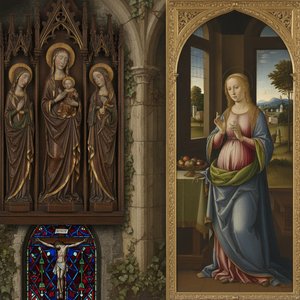
Late Gothic Art: The Divine Transition from Medieval Symbolism to Renaissance Naturalism
Explore the profound transition of Late Gothic art from medieval symbolism to Renaissance naturalism. Discover the elegance of International Gothic, the legacy of Master Theodoric, and the evolution of European courtly masterpieces through an expert art-historical lens.